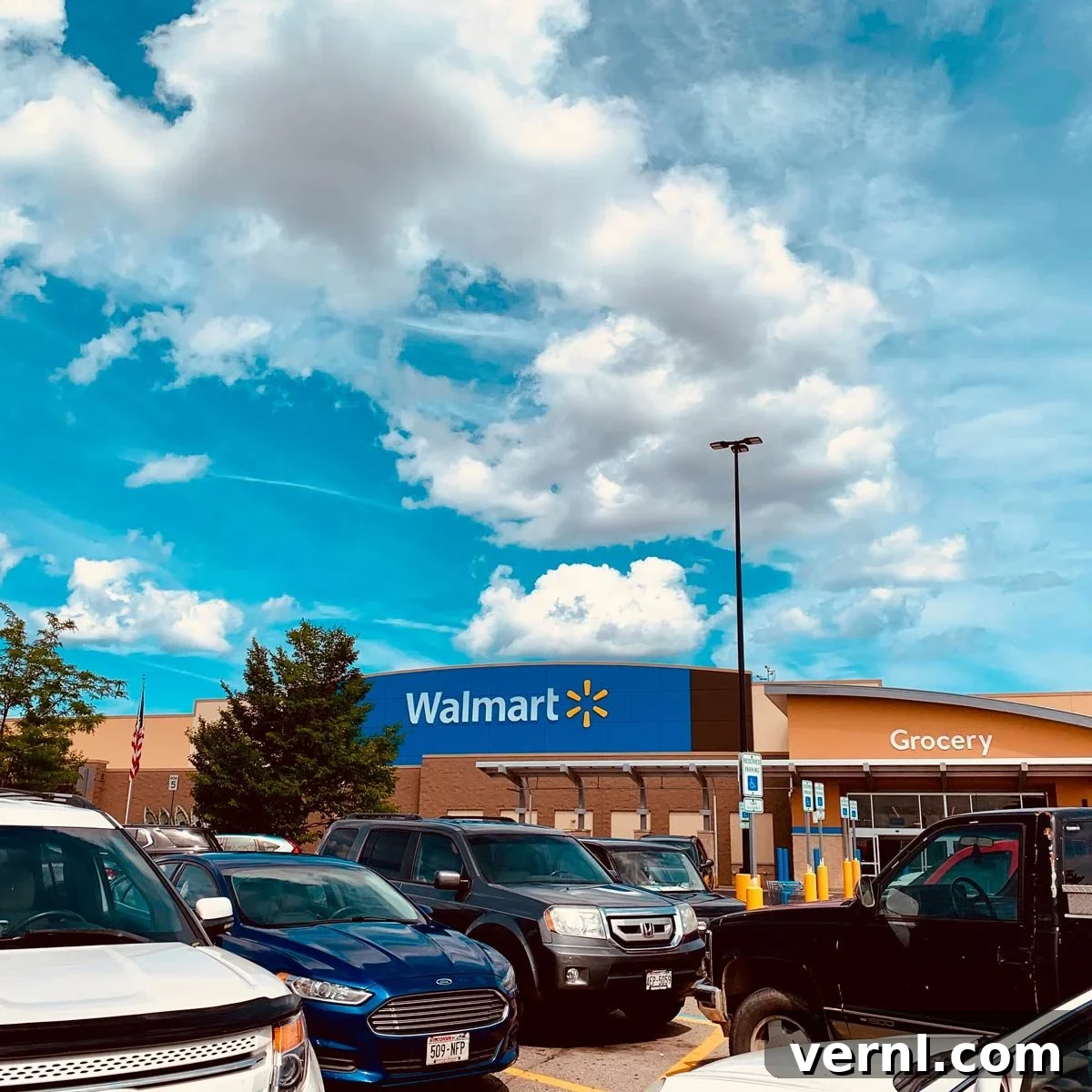
When severe weather looms on the horizon, a predictable surge of activity often sweeps through local grocery stores. Shoppers, driven by an instinct to prepare, flock to aisles, stripping shelves bare of essential provisions like bottled water, bread, and eggs. This pre-storm rush is a familiar sight, as communities brace themselves for potential power outages and disruptions. While most retailers anticipate and stock up on these fundamental necessities, one retail giant, Walmart, has a surprisingly specific item on its emergency merchandise list: strawberry Pop-Tarts. This sweet, fruit-flavored confection has emerged as an unexpected, yet significant, staple for consumers preparing for the worst, demonstrating a fascinating insight into consumer behavior during times of crisis.
Beyond the standard survival gear, the humble strawberry Pop-Tart holds a unique position in Walmart’s emergency preparedness strategy. This seemingly simple pastry has become a robust indicator of impending severe weather events, prompting the company to meticulously plan its inventory to meet a sudden, overwhelming demand. The phenomenon highlights Walmart’s sophisticated approach to data analytics and supply chain management, transforming anecdotal observations into actionable, predictive models that benefit both the retailer and its customers.
These are the 16 items every home needs to survive a storm.
The Unforeseen Demand: Why Strawberry Pop-Tarts Are a Storm Season Sensation
The skyrocketing sales of strawberry Pop-Tarts before and after major storms have become a well-documented curiosity in the retail world. For years, Walmart officials have observed this unique purchasing pattern, an insight they shared with The New York Times back in 2004. They reported that ahead of a hurricane, sales of strawberry Pop-Tarts can surge up to seven times their normal rate. This significant uptick isn’t merely a coincidence; it reflects a confluence of factors that make this particular toaster pastry an ideal emergency food item. Consequently, stocking up on this popular treat has become a standard procedure for Walmart when severe weather forecasts emerge.
One of the primary reasons for this demand lies in the practical utility of Pop-Tarts during a power outage. Unlike many breakfast items, Pop-Tarts can be eaten directly from the package, requiring no refrigeration, cooking, or even a toaster. This “grab-and-go” convenience is invaluable when electricity is unreliable or completely absent, making them a perfect choice for quick sustenance. Furthermore, these pastries were specifically designed for long-term storage and distribution without refrigeration, contributing to their non-perishable nature. They can endure for extended periods in a cabinet or on store shelves, offering a reliable food source that doesn’t spoil quickly.
The nutritional aspect, while not gourmet, also plays a role. Pop-Tarts provide a quick burst of calories and sugar, which can be essential for maintaining energy levels and morale during stressful and uncertain times. In the aftermath of a disaster, access to fresh, hot meals might be limited for days, making shelf-stable, calorie-dense options incredibly appealing. Beyond the practicalities, there’s also a psychological comfort element. In moments of crisis, familiar and sweet comfort foods can offer a small sense of normalcy and a morale boost, and strawberry Pop-Tarts, with their nostalgic appeal for many, fit this role perfectly.
The scale of this demand is truly remarkable. For instance, when Hurricane Florence threatened the Carolinas in 2018, Pop-Tarts were prominently featured on Walmart’s emergency merchandise list. According to the company’s corporate website, an astounding 350,000 boxes of Pop-Tarts were dispatched to stores in the region both before and after the hurricane made landfall. This proactive distribution strategy underscores the confidence Walmart places in its data-driven insights, ensuring communities have access to not just the essentials, but also those unexpected comfort items that can make a difference during a crisis.
So, you might want to add Pop-Tarts to your storm kit. Here’s what else should be in it.
Leveraging Big Data: How Walmart Discovered the Pop-Tart Phenomenon
Walmart’s understanding of the strawberry Pop-Tart craze isn’t born from mere observation; it’s a testament to the power of big data and predictive analytics. The retail giant has a long history of meticulously analyzing customer shopping data to anticipate needs and optimize supply chains. Their journey into predicting storm-related purchasing behavior began notably after Hurricane Charley in 2004. Prior to this event, the surging demand for strawberry Pop-Tarts was largely unknown to Walmart. However, by combing through trillions of bytes of shopper history following Charley, the company began to uncover patterns, seeking to predict what customers would need before Hurricane Frances struck later that same year.
This early data mining revealed the surprising correlation between impending severe weather and Pop-Tart sales. Once this insight was discovered, Walmart began to intentionally stock their shelves with strawberry Pop-Tarts ahead of storms, and consistently watched them disappear at an accelerated rate. This initial discovery laid the groundwork for a more sophisticated, data-driven approach to emergency preparedness that has evolved significantly over the years.
Fast forward to 2017, and Walmart was actively employing what they termed “predictive technology” to refine its understanding of consumer habits during crises. The company extensively studied customer shopping data collected during major hurricanes like Harvey, Irma, and Maria. This comprehensive analysis allowed them to assess not just that Pop-Tarts were popular, but also how many boxes should be shipped, where they should be sent, and when, to best serve affected communities. This granular level of detail ensured that when Hurricane Florence approached in 2018, Walmart’s supply chain was optimally prepared, resulting in the massive pre-positioning of hundreds of thousands of Pop-Tart boxes.
Walmart’s predictive models go beyond just Pop-Tarts. They encompass a wide array of emergency items, from bottled water and batteries to generators and flashlights. By analyzing historical sales data alongside real-time weather forecasts, demographic information, and even social media trends, Walmart can forecast demand with remarkable accuracy. This proactive strategy allows them to move merchandise into at-risk areas before roads become impassable and consumer panic sets in, thereby playing a crucial role in disaster relief and community resilience. The company’s ability to turn complex data into practical, impactful logistics decisions highlights its leadership in leveraging technology for societal benefit, even if it sometimes means stocking an unusual amount of fruit-flavored pastries.
Follow these 21 tips to keep your family safe during a natural disaster.
Beyond the Snack: The Broader Importance of Emergency Preparedness
The story of strawberry Pop-Tarts and Walmart is more than just an interesting anecdote about consumer behavior; it’s a vivid illustration of the critical importance of emergency preparedness. While Pop-Tarts offer a small comfort and convenience during a storm, they are just one component of a comprehensive disaster readiness plan. Every household should prioritize assembling an emergency kit that can sustain them for at least 72 hours, if not longer, in the event of a natural disaster.
A well-stocked emergency kit should include essential items such as potable water (at least one gallon per person per day), non-perishable food items that require no cooking or refrigeration, a first-aid kit, a battery-powered or hand-crank radio, flashlights, extra batteries, and any necessary prescription medications. Sanitation supplies, copies of important documents, and cash in small denominations are also crucial. Furthermore, a family communication plan is vital, ensuring everyone knows how to contact each other and where to meet if separated.
The unexpected popularity of Pop-Tarts during storms serves as a valuable reminder that even seemingly minor provisions can significantly impact morale and well-being during stressful times. Preparing for disasters is not just about survival; it’s also about maintaining a sense of comfort and normalcy wherever possible. Retailers like Walmart, through their sophisticated data analysis, are not just selling products; they are inadvertently contributing to community resilience by anticipating and fulfilling a wide spectrum of needs, from the most basic necessities to the surprisingly sought-after sugary treats. Understanding these patterns allows for more effective disaster response, ensuring that when the next storm hits, communities are not only stocked with essentials but also with those little items that can make a big difference.