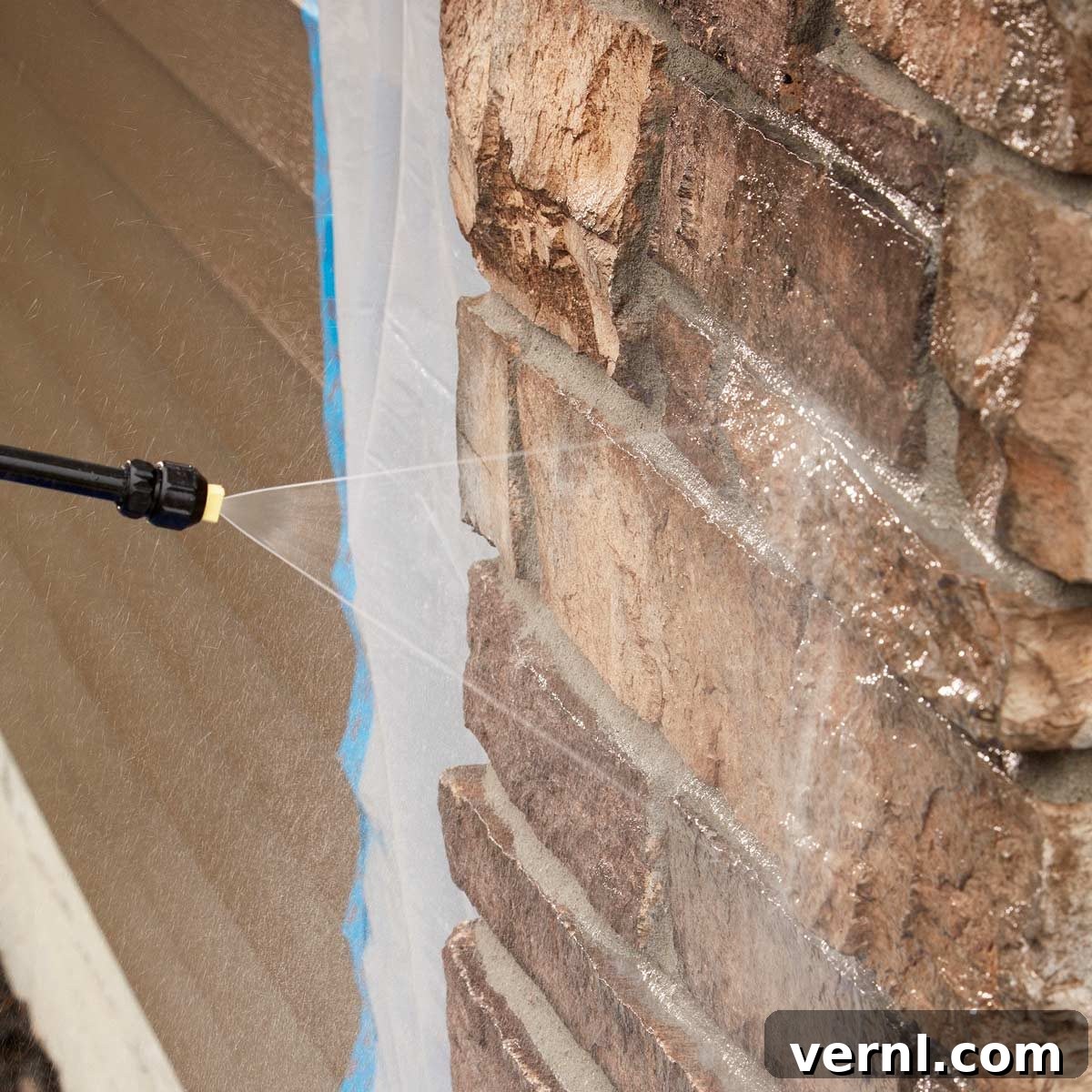
Protect Your Exterior Stone: A Comprehensive Guide to Sealing for Longevity and Beauty
Exterior stone, whether natural or manufactured, is a beautiful addition to any home, enhancing its curb appeal and structural integrity. However, this beauty can be vulnerable to the harsh realities of the outdoor environment. One of the most significant threats is water absorption, particularly when followed by freezing temperatures. The freeze-thaw cycle, where absorbed water expands as it freezes, can cause significant damage, leading to chipping, cracking, and deterioration of both the stone and its mortar joints. To combat this, applying a high-quality waterproofing sealer is an essential step in preserving your investment, extending the lifespan of your stonework, and maintaining its pristine appearance for years to come.
Why Sealing Your Exterior Stone is Essential
Protecting your exterior stone with a sealant goes far beyond simply preventing freeze damage. It offers a multitude of benefits that safeguard your home’s aesthetic and structural value:
- Prevents Freeze-Thaw Damage: This is the primary reason for sealing. By reducing water absorption, sealers effectively mitigate the destructive expansion and contraction caused by freezing and thawing, which leads to spalling, cracking, and crumbling.
- Inhibits Efflorescence: Efflorescence manifests as white, powdery deposits on the stone surface, caused by salts leaching out of the masonry as water evaporates. A good sealer minimizes water penetration, thereby reducing the conditions for efflorescence to form.
- Resists Stains and Discoloration: Stone, especially porous varieties, can easily absorb dirt, oil, grease, algae, mold, and other contaminants, leading to unsightly stains and discoloration. A sealant creates a barrier that repels these substances, making the stone easier to clean and keeping it looking fresh.
- Reduces Biological Growth: Mold, mildew, and algae thrive in damp environments. By keeping the stone drier, a sealer helps to deter the growth of these organisms, which can not only be unsightly but also contribute to deterioration over time.
- Extends Lifespan of Stone and Mortar: By protecting against the elements and common forms of damage, sealing significantly extends the functional and aesthetic life of your stone and mortar, saving you costly repairs or replacements down the line.
- Enhances Curb Appeal: A well-maintained, clean, and protected stone surface contributes significantly to your home’s overall appearance and value. Sealing helps preserve that “just installed” look.
- Lowers Maintenance Requirements: Sealed stone is less prone to staining and biological growth, meaning less frequent and less intensive cleaning is required to keep it looking its best.
Choosing the Right Waterproofing Sealer: Silane/Siloxane for Superior Protection
When it comes to sealing exterior stone, not all products are created equal. For optimal protection without altering the natural beauty of your stonework, a silane/siloxane blend is highly recommended. These penetrating sealers offer several key advantages:
- Invisible Protection: Unlike some topical sealers that can leave a glossy film or subtly change the stone’s color, silane/siloxane sealers penetrate deep into the material, creating a hydrophobic barrier without affecting the surface appearance or color of your stone or mortar.
- Breathability: Crucially, silane/siloxane products allow the stone and mortar to “breathe.” This means that while they repel liquid water from entering, they still permit water vapor to escape from within the masonry. This breathability is vital for preventing moisture entrapment, which can lead to other issues like internal freeze-thaw damage or spalling if moisture has no escape route.
- Deep Penetration: These sealers don’t just sit on the surface; they chemically react within the pores of the stone, creating a long-lasting, durable barrier from within.
- UV Stability: Silane/siloxane sealers are generally resistant to UV degradation, ensuring their protective properties remain effective even under prolonged sun exposure.
You can typically find high-quality silane/siloxane waterproofing products at home centers, paint stores, and specialty masonry supply shops. Prices usually range from $30 to $65 per gallon, depending on the brand and concentration. To determine the quantity needed for your project, carefully check the product label for its estimated coverage rate per square foot and accurately measure the total square footage of your stonework.
Essential Tools and Materials for Your Sealing Project
Before you begin, gather all the necessary tools and materials to ensure a smooth and efficient application:
- Silane/Siloxane Waterproofing Sealer: The star of the show. Ensure you have enough for two coats.
- Pump Sprayer: A garden-style pump sprayer is ideal for even and efficient application of the sealer. Choose one with a comfortable handle and a reliable nozzle.
- Painter’s Tape / Masking Tape: For creating precise lines and protecting adjacent surfaces.
- Plastic Sheeting / Tarps: For covering larger areas like landscaping, windows, doors, and adjacent siding.
- Drop Cloths: For ground protection, especially on driveways or patios.
- Stiff Brush or Pressure Washer: For thoroughly cleaning the stone surface prior to sealing.
- Mild Masonry Cleaner (Optional): For tackling stubborn stains, efflorescence, or mold. Always choose a cleaner compatible with your stone type.
- Safety Glasses / Goggles: To protect your eyes from splashes.
- Chemical-Resistant Gloves: To protect your hands.
- Respirator Mask (Optional but Recommended): Especially in poorly ventilated areas or if the product fumes are strong.
- Old Rags or Sponges: For wiping up any accidental drips or overspray.
Step-by-Step Guide to Sealing Your Exterior Stone
Proper preparation and application are key to achieving maximum protection and a flawless finish. Follow these detailed steps for best results:
1. Thorough Surface Preparation: The Foundation of Success
This is arguably the most critical step. A sealer applied to a dirty or compromised surface will not perform effectively.
- Clean the Stone: Start by thoroughly cleaning your stone and mortar. Remove all dirt, grime, dust, loose debris, efflorescence, mold, mildew, and algae. For lighter cleaning, a stiff brush and water may suffice. For tougher grime or biological growth, consider a mild masonry cleaner (always test in an inconspicuous area first) or a pressure washer. If using a pressure washer, use a low-pressure setting and keep the nozzle at a safe distance to avoid damaging the mortar or stone surface.
- Repair Damaged Areas: Before sealing, inspect your stonework for any cracked mortar joints or damaged stone pieces. These should be repaired and allowed to fully cure according to manufacturer instructions. Sealing over damaged areas will not fix them and may trap moisture.
- Allow to Dry Completely: The stone surface must be completely dry before sealer application. This can take several days after cleaning, depending on humidity and temperature. Applying sealer to a wet or damp surface will prevent proper penetration and adhesion, rendering the treatment ineffective.
- Check Weather Conditions: Plan your project for a period of dry weather, with no rain expected for at least 24-48 hours after application. Ideal temperatures are typically between 50°F and 90°F (10°C and 32°C), avoiding direct scorching sunlight, which can cause the sealer to dry too quickly and unevenly.
1. Protect Trim and Plants
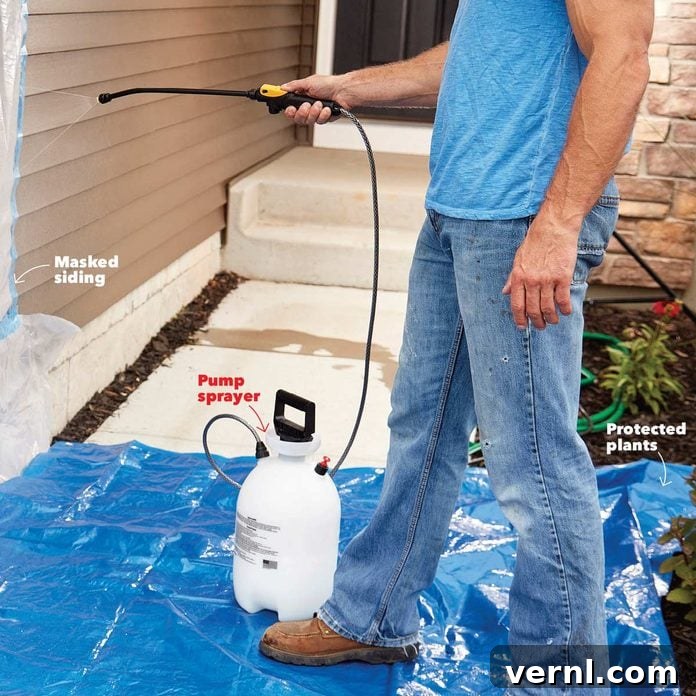
Protecting surrounding areas from overspray is crucial. Use painter’s tape to mask off adjacent surfaces that you do not want sealed. This includes trim boards, windows, doors, siding, house numbers, mailboxes, and any other fixtures. For larger areas or delicate landscaping, cover plants, shrubs, and grass with tarps or plastic sheeting. This prevents not only potential staining from the sealer but also protects plants from chemical exposure, which could lead to damage or kill-off.
3. Preparing the Sealer and Sprayer
Carefully read the manufacturer’s instructions for your specific silane/siloxane product. Some products may require shaking or mixing before use. Pour the recommended amount of sealer into your pump sprayer. Ensure the sprayer nozzle is clean and adjusted for an even, fine spray pattern, not a concentrated stream.
2. Apply in Two Steps
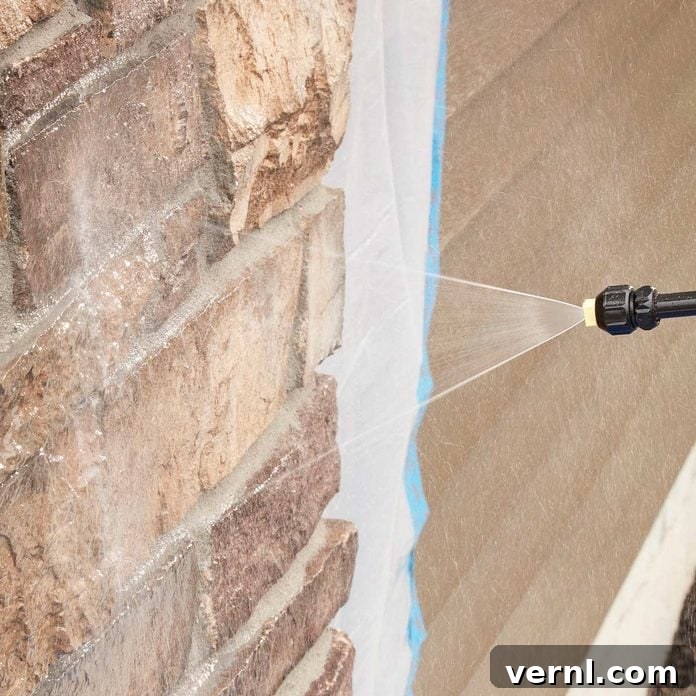
Sealing exterior stone with a penetrating silane/siloxane product is often best achieved through a wet-on-wet application:
- First Coat: Begin by spraying the stonework with an initial, even coat of waterproofer. Apply thoroughly, ensuring the entire surface of the stone and mortar joints is wetted. Work in manageable sections to maintain a wet edge. The goal of this coat is to initiate the penetration process.
- Immediate “Curtain Coat”: Without allowing the first coat to dry, immediately follow with a liberal, wet-on-wet “curtain coat.” This means applying a heavier second application of the sealer so that the solution visibly drips or runs down the surface by approximately 6 to 8 inches. This generous application ensures deep saturation into the pores of the stone and mortar, maximizing the protective barrier. The wet-on-wet technique allows the second coat to push the first coat deeper into the substrate, achieving superior penetration and a more robust seal.
Continue this process across all areas of your exterior stonework. Pay close attention to corners, edges, and mortar joints, ensuring complete coverage. If any drips or runs occur on unprotected surfaces (like windows or painted trim), wipe them off immediately with a clean rag before they dry.
5. Curing and Post-Application Care
Once you’ve applied both coats, allow the sealer to cure according to the manufacturer’s recommendations. This typically means allowing the surface to remain undisturbed and dry for at least 24-72 hours. Avoid foot traffic or placing objects against the sealed stone during this curing period. After the initial curing, remove all masking tape, plastic sheeting, and tarps. Properly dispose of any used materials.
Regular maintenance for sealed stone usually involves periodic cleaning with water and a soft brush to remove surface dirt. While silane/siloxane sealers offer long-lasting protection, reapplication may be necessary every 5-10 years, depending on the product, exposure to the elements, and wear and tear. You can test the effectiveness of your seal by sprinkling water on the stone; if it beads up, the seal is still effective. If it soaks in, it might be time for reapplication.
Common Mistakes to Avoid When Sealing Stone
- Inadequate Cleaning: Sealing over dirt, grime, or efflorescence traps these contaminants under the sealer, leading to a poor bond and an unsightly finish.
- Applying to Wet Surfaces: Moisture on the surface or within the stone prevents the sealer from penetrating and curing properly.
- Ignoring Weather Conditions: Extreme temperatures (too hot or too cold) or impending rain can compromise the sealer’s effectiveness.
- Skipping Protection for Surroundings: Overspray can damage or stain adjacent surfaces and harm plants.
- Uneven Application: Applying too thinly leads to insufficient protection, while applying too thickly without proper wet-on-wet technique can lead to uneven drying or a milky appearance in some cases (though less common with penetrating sealers).
- Using the Wrong Sealer: Choosing a sealer that isn’t breathable or is incompatible with your stone type can cause more harm than good.
Conclusion: A Small Effort for Lasting Beauty
Sealing your exterior stone is a proactive measure that significantly contributes to the longevity and aesthetic appeal of your home. By understanding the threats, selecting the right sealer, and following a meticulous application process, you can effectively protect your investment from the damaging effects of weather, moisture, and biological growth. A well-sealed stone façade will not only resist the elements but will also maintain its stunning appearance, enhancing your home’s curb appeal and providing lasting satisfaction.
There’s nothing better than a job well done in the great outdoors. Whether you want a quick morning project or are looking to add a real statement piece to your yard, we have you covered. Check out these 34 Awesome Outdoor DIY Projects to Get You Outside for more inspiration.