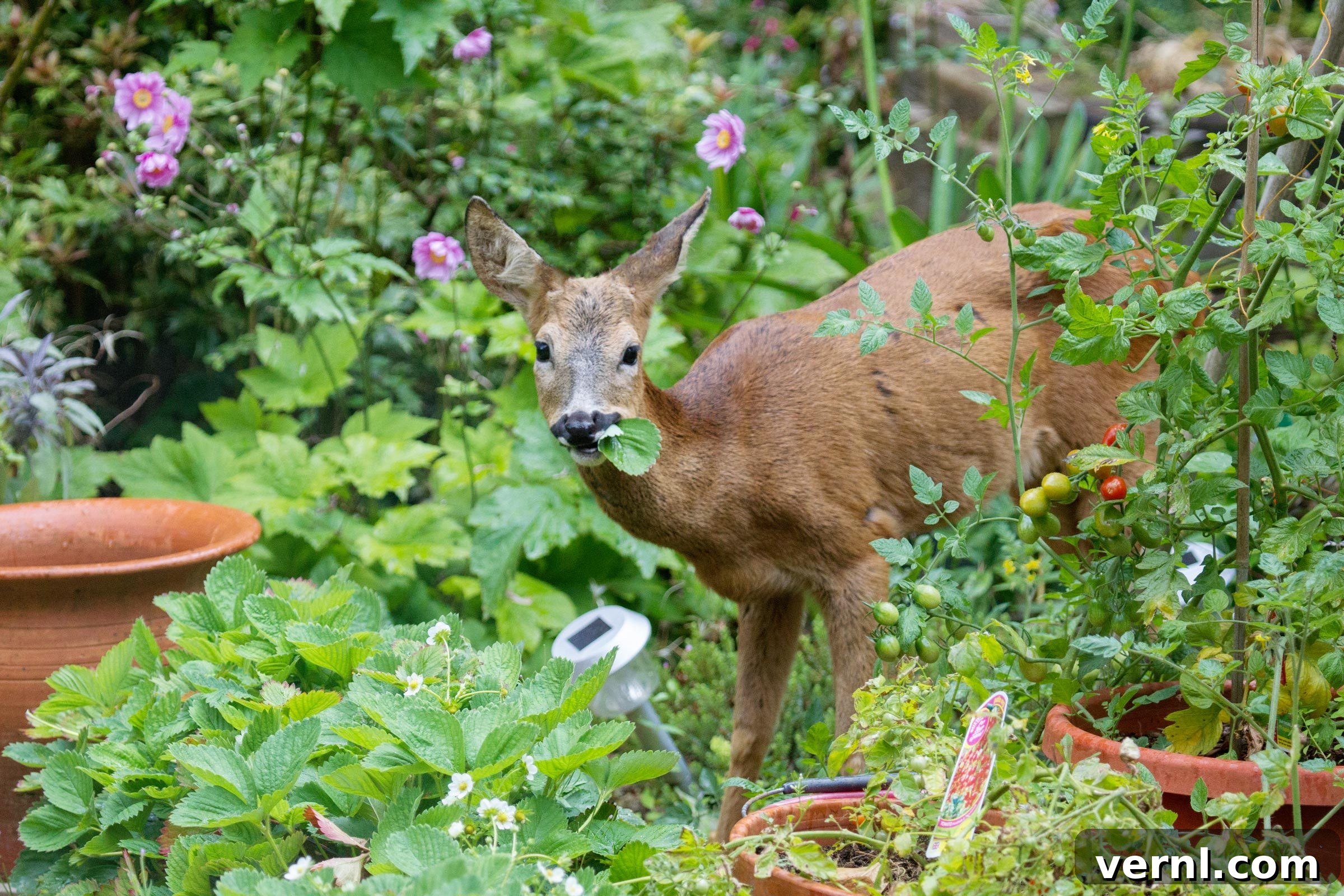
For many passionate gardeners, relocating to a new home, whether nestled in a bustling city suburb, a serene rural landscape, or even a quiet urban neighborhood, often brings an unexpected challenge: deer. What begins as an idyllic vision of thriving plants and vibrant blooms can quickly turn into a frustrating saga of vanished hostas, munched daylilies, and stripped shrubs. As seasoned gardeners often lament, the presence of deer can indeed “cost you a lot of dough” – not just in replacing prized ornamentals, but in the time, effort, and emotional investment lost.
Deer, with their graceful movements and seemingly innocent demeanor, are formidable foragers. They possess a keen sense of smell and an impressive appetite, making them capable of devastating a well-tended garden overnight. From delicate annuals to established perennials and even young trees, a deer’s palate is surprisingly diverse. However, armed with the right knowledge and a strategic approach, you can effectively deter these woodland visitors and reclaim your garden sanctuary. This comprehensive guide will equip you with proven methods to identify deer activity, understand their behavior, and implement practical, long-term solutions to keep them at bay.
Identifying Deer Activity: Is It Deer or Another Pest?
Before you implement any deterrents, it’s crucial to confirm that deer are indeed the culprits behind your garden damage. While other animals like rabbits, groundhogs, or even domestic pets can cause similar issues, deer leave behind distinctive clues. Learning to recognize these tell-tale signs will help you target your efforts effectively.
- Distinctive Tracks: Look for cloven hoof prints in soft soil, muddy patches, or even dew-laden grass. Deer tracks typically have two pointed toes and are roughly 2-3 inches long. They often appear in trails leading into and out of your garden.
- Browsing Damage on Shrubs and Trees: Deer are browsers, meaning they prefer to nibble on leaves, buds, and tender shoots, rather than graze on grass. Examine shrubs and young trees for branches stripped of leaves up to about six feet high – this is a key indicator, as it’s the maximum height an adult deer can typically reach while standing. The cuts will often appear ragged, as deer lack upper incisors and tear foliage rather than making clean bites.
- Plants Eaten Down to the Ground: Beloved plants like hostas, daylilies, impatiens, and certain vegetable crops are particular favorites. If you find these plants severely defoliated, often with stems remaining but no leaves, deer are likely responsible. Smaller animals tend to nip at lower levels or consume entire small plants.
- Deer Droppings: Discovering pellet-like droppings scattered throughout your garden is another clear sign. These are typically dark, cylindrical, and clustered in small piles. Their size and shape can vary slightly depending on the deer’s diet and age, but they are distinctly different from the droppings of rabbits (smaller, rounder) or dogs (larger, more varied).
- Rub Marks on Young Trees: During the fall rutting season, male deer (bucks) rub their antlers against young tree trunks to mark their territory and remove velvet. Look for scraped bark and broken branches on saplings, usually at shoulder height for a deer.
- Disturbed Soil and Beds: While not as definitive, deer can also disturb planting beds, especially when bedding down or moving quickly through an area. You might notice flattened areas or pathways forming through dense foliage.
Comprehensive Strategies to Keep Deer Out of Your Yard
Protecting your garden from deer requires a multi-faceted approach. No single solution is foolproof, as deer are intelligent and adaptable creatures. Combining several deterrents, and periodically rotating them, will yield the best and most lasting results. The strategies below range from robust physical barriers to sensory deterrents, offering options for every gardener and every budget.
Install a Robust Deer Fence
Fencing remains one of the most effective, albeit often the most costly, methods for deer exclusion. A properly installed fence creates a physical barrier that deer simply cannot breach. However, it’s essential to understand what constitutes an effective deer fence.
- Height is Key: Deer are surprisingly agile jumpers. Experts recommend a fence height of at least seven to eight feet to prevent most deer from leaping over. In areas with high deer pressure or particularly athletic deer, a taller fence might even be necessary.
- Creative Fencing Designs: If a tall fence isn’t feasible due to local regulations or aesthetics, consider these alternatives:
- Double Fence System: Installing two fences, each four to five feet tall, positioned approximately four to five feet apart, can be surprisingly effective. Deer often perceive the space between the two fences as too narrow to jump both, creating an optical illusion that deters them.
- Angled Fence: Installing a single fence at an outward 45-degree angle can also deter deer. The outward lean makes it difficult for them to gauge the jump, as they prefer to jump straight up and over.
- Material Considerations: Various materials are available for deer fencing. Woven wire mesh, high-tensile electric fencing, and sturdy wooden fences are common choices. Electric fences, while less aesthetically pleasing, can be highly effective at teaching deer to avoid an area through a mild shock. Consider the durability, maintenance, and visual impact of each material.
- Partial Fencing for Targeted Protection: You don’t always need to fence your entire property. To save money and maintain an open feel, consider fencing off only the most vulnerable areas, such as your prized hosta garden, organic vegetable patch, or newly planted ornamentals. Temporary netting can also be used for seasonal protection of specific beds.
- Navigating Regulations and Permits: Before investing in a fence, always check your neighborhood covenants, homeowners’ association (HOA) rules, and local zoning ordinances. There may be restrictions on fence height, materials, and placement. Additionally, inquire if a building permit is required for your project.
- DIY vs. Professional Installation: Installing a robust deer fence can be a significant undertaking. While a DIY approach can save money, it requires time, tools, and a certain level of expertise. If you opt to hire a professional fence company, always obtain multiple estimates and thoroughly check customer references to ensure quality workmanship.
Cultivate a Living Barrier
For those with ample space, a living barrier can offer an aesthetic and environmentally friendly deterrent. This method leverages deer’s natural aversion to certain plant textures, sounds, and visibility obstacles.
- Tall Ornamental Grasses: Planting a dense swath of large ornamental grasses around the perimeter of your garden can be an effective strategy. Varieties like Miscanthus (Maiden Grass), Ravenna Grass, or Pampas Grass grow tall and dense. As noted by Dee Nash, author of The 20-30 Something Garden Guide, deer dislike the rustling sounds these grasses make in the wind. More importantly, they dislike navigating through dense vegetation they cannot see through, as it makes them feel vulnerable to predators.
- Thorny and Prickly Shrubs: Incorporating deer-resistant plants with unappealing textures can also create a formidable barrier. Thorny shrubs like Barberry, Hawthorn, or specific varieties of Holly, when planted densely, can discourage deer from attempting to cross.
- Limitations and Seasonal Gaps: A key consideration for living barriers is their seasonal nature. If you cut back your ornamental grasses in late winter or early spring, your garden will be exposed to deer until the grasses regrow to a sufficient height. During these vulnerable periods, you may need to supplement with other deterrents.
Deploy Motion-Activated Sprinklers
Deer are inherently skittish animals, making sudden, unexpected stimuli highly effective deterrents. Motion-activated sprinklers capitalize on this natural wariness.
- How They Work: These devices typically use a passive infrared (PIR) sensor to detect movement and heat signatures. When a deer approaches within the sensor’s range, the sprinkler instantly activates, releasing a sudden, powerful burst of water towards the source of the motion. The unexpected spray, combined with the sound of the sprinkler activating, startles the deer, causing it to flee.
- Effectiveness and Placement: Motion-activated sprinklers are particularly effective at protecting specific entry points or vulnerable garden beds. Position them strategically to cover areas where deer are most likely to enter or feed. Many models are solar-powered, offering convenient, wire-free operation.
- Multi-Pest Solution: Beyond deer, these sprinklers can deter a range of other unwelcome visitors, including rabbits, raccoons, neighborhood cats, and even persistent squirrels.
- Important Considerations: Remember to turn off the sprinklers or adjust their sensitivity when you are working in the garden yourself to avoid an unexpected drenching! Also, consider the water source and potential for freezing in colder climates, which may require winterization.
Utilize Motion-Activated Ultrasonic Animal Repellers
Similar in principle to motion-activated sprinklers, ultrasonic repellers offer a discreet, water-free alternative that exploits deer’s sensitive hearing.
- Silent to Humans, Disruptive to Deer: Motion-activated ultrasonic animal repellers emit high-frequency sound waves that are above the range of human hearing but highly disturbing and disorienting to deer and other animals. When a deer enters the sensor’s zone, the device emits these sounds, creating an uncomfortable environment that encourages them to leave.
- Benefits for Frequent Garden Users: This method is ideal if you or your family frequently spend time in the yard, as it won’t spray water or create audible noise for humans. You can trigger the sensor without any personal inconvenience.
- Placement and Power: Like sprinklers, strategic placement is key to maximizing coverage. Many models are solar-powered, ensuring continuous operation without the need for battery replacements or external power sources.
- Potential for Habituation: While initially effective, some animals can become accustomed to ultrasonic sounds over time. Rotating the placement of the device or combining it with other deterrents can help maintain its effectiveness.
Apply Animal Repellent Products
Repellents, available in spray or granular form, leverage deer’s keen sense of smell and taste to make your garden an undesirable dining spot. These products come in two main categories: scent-based and taste-based.
- Scent-Based Repellents: These products emit odors that deer find offensive or indicative of danger. Common ingredients include putrefied egg solids, garlic, capsaicin (hot pepper extract), or even predator urine (like fox or coyote). The smell signals to deer that a predator might be nearby or that the food source is undesirable or rotten, prompting them to seek forage elsewhere. Look for deer repellent sprays that boast “rain-resistant” formulations to ensure they remain effective even after a light shower, reducing the frequency of reapplication.
- Taste-Based Repellents: These repellents make plants unpalatable to deer. Often containing bittering agents or capsaicin, they coat the foliage, delivering an unpleasant taste when deer attempt to browse. While they won’t typically harm the deer, they quickly teach them to avoid treated plants.
- Application and Reapplication: Deer repellent granules are excellent for creating a perimeter barrier around beds, while sprays are ideal for directly treating foliage. Always follow the manufacturer’s instructions for application frequency. Repellents generally need reapplication every few weeks, after heavy rain, or whenever new plant growth emerges, as the new growth will not be protected.
- Odor and Safety: Some repellents may have a noticeable odor to humans for a day or two after application, but this typically dissipates quickly. Deer, with their far more sensitive noses, will continue to detect the scent and avoid the area. It is crucial to read product labels carefully, especially if you have pets or young children who play in the yard, to ensure the chosen repellent is safe for your household and garden environment. Many organic and natural options are available.
- Broader Protection: Many deer repellents are also effective against other common garden pests, such as rabbits and voles, offering broader protection for your plants.
Harness the Power of Scent: Dog Fur or Human Hair
This simple, low-cost method relies on the theory that deer will avoid areas where they detect the scent of potential predators.
- Predator Scent Theory: Scattering dog fur or human hair around your garden introduces a scent that deer may associate with human or canine presence, both of which can signify danger. This perceived threat can make them feel uneasy and compel them to seek safer foraging grounds.
- Sources and Application: If you have a dog, simply collect its fur during brushing and sprinkle it around the perimeter of your garden or directly around vulnerable plants. For human hair, ask local barbers or hair stylists to save hair clippings for you – most are happy to oblige. You can scatter the hair directly on the soil or place it in small mesh bags or old stockings tied to stakes around the garden.
- Reapplication is Key: Like many scent-based deterrents, the effectiveness of hair or fur diminishes over time as the scent fades due to rain, wind, and decomposition. To maintain a consistent deterrent, you will need to reapply fresh hair or fur periodically, ideally every week or after significant rainfall.
Strategic Planting of Deer-Resistant Varieties
While no plant is 100% deer-proof, incorporating deer-resistant plants into your landscape design can significantly reduce damage. Deer tend to avoid plants with certain characteristics:
- Strongly Scented Foliage: Many herbs and flowers with potent aromas are less appealing to deer. Examples include lavender, rosemary, sage, mint, bee balm, and salvia.
- Fuzzy or Prickly Textures: Plants with hairy, fuzzy, or rough leaves (e.g., Lamb’s Ear, Mullein) or prickly/thorny stems (e.g., Barberry, certain Roses) are generally less palatable.
- Toxic or Bitter Taste: Deer instinctively avoid plants that are toxic or have a very bitter taste. Daffodils, bleeding hearts, foxglove, and hellebores are often left untouched. However, exercise caution when planting toxic varieties, especially if you have pets or children.
- Grasses and Ferns: Many ornamental grasses and ferns are also naturally deer-resistant.
- Avoid Favorites: Conversely, try to minimize planting deer favorites like hostas, daylilies, impatiens, specific types of tulips, and certain fruit trees or vegetable crops, especially if you’re in an area with high deer pressure.
Habitat Modification and Discouragement
Beyond direct deterrents, making your property less attractive to deer can also play a significant role:
- Remove Food Sources: Promptly pick up fallen fruit from trees, secure garbage cans, and avoid leaving pet food outdoors overnight. These seemingly small details can attract deer.
- Never Feed Deer: It might seem kind, but feeding deer (intentionally or unintentionally) can have detrimental effects. It habituates them to human presence, draws them closer to homes, and can lead to overpopulation and increased garden damage.
- Scare Tactics (Temporary): Items like Mylar strips, shiny CDs, wind chimes, or even inflatable scarecrows can offer temporary deterrence by creating movement and noise. However, deer often become accustomed to these after a short period, so they are best used in rotation or for short-term protection.
Persistence and Adaptation are Key
Keeping deer out of your garden is an ongoing process that requires patience, persistence, and a willingness to adapt. Deer behavior can change due to various factors, including food availability, population density, and seasonal shifts. What works one season might be less effective the next.
Regularly inspect your garden for signs of deer activity. If you notice a method losing its effectiveness, don’t hesitate to switch to a different deterrent or combine several strategies. By understanding deer habits, implementing a thoughtful combination of barriers, repellents, and careful planting, you can significantly reduce deer damage and enjoy the beauty of your garden without constant worry. Reclaiming your garden from deer is achievable, ensuring your plants thrive and your hard work truly pays off.