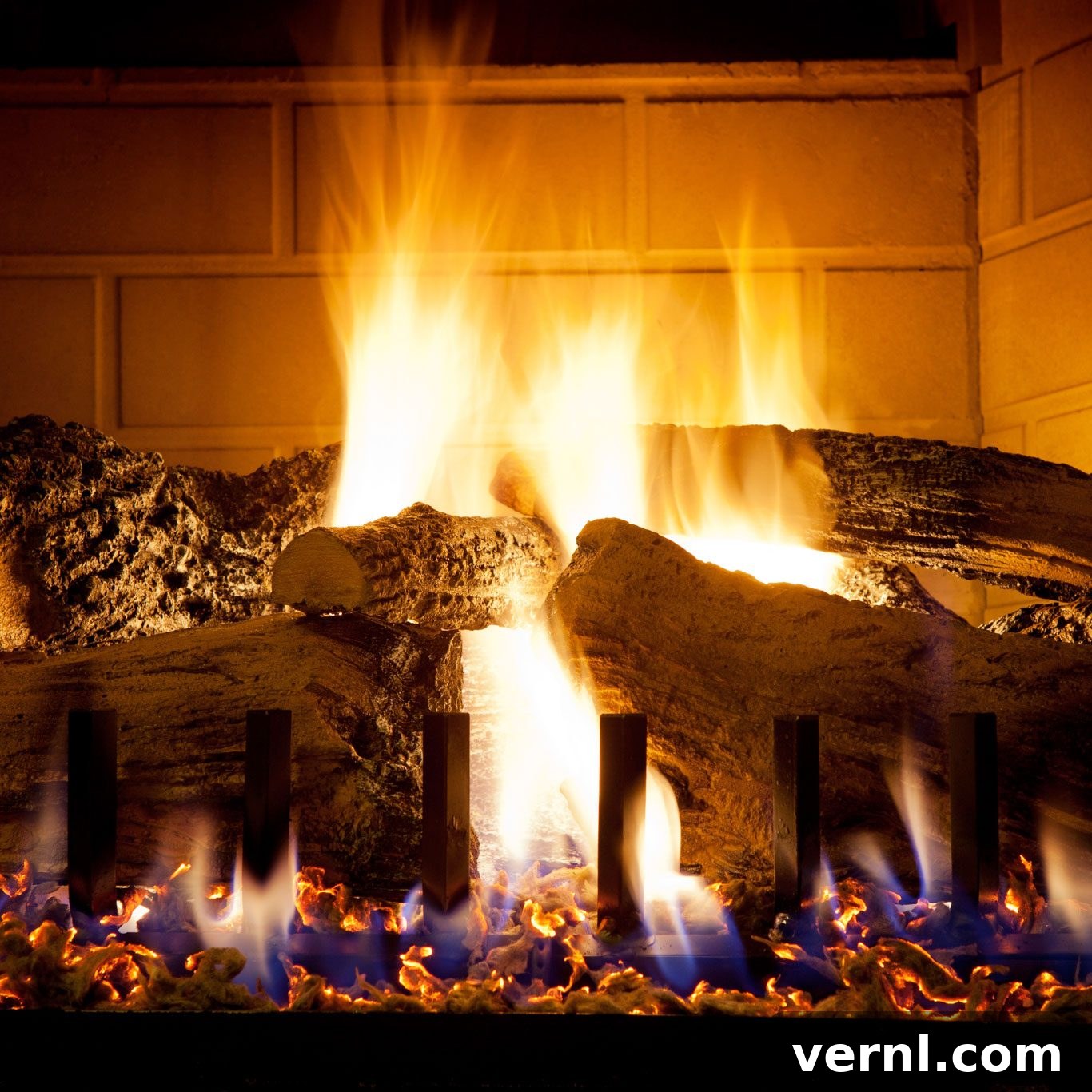
The allure of fire is deeply ingrained in human history. From ancient campfires that offered protection and warmth to the inviting glow of a modern hearth, fireplaces continue to be a cherished focal point in homes across America. They don’t just provide heat; they create a unique ambiance, fostering a sense of comfort, relaxation, and togetherness. In recent years, advancements in technology have made adding a fireplace more accessible and efficient than ever before, with gas and electric models leading the charge in popularity and affordability.
While traditional wood-burning fireplaces remain an option for new constructions or extensive renovations, many homeowners are turning to cleaner, more convenient alternatives. The choice often comes down to two primary contenders: gas fireplaces and electric fireplaces. Each offers distinct advantages in terms of installation, operational costs, maintenance, and overall experience. This comprehensive guide will help you navigate the nuances of gas vs. electric fireplaces, providing you with the essential information needed to make an informed decision for your home. We’ll delve into their core differences, compare their practical aspects, and even highlight some top-rated models to simplify your shopping journey.
Gas vs. Electric Fireplaces: Understanding the Core Differences
At their fundamental level, gas and electric fireplaces employ different mechanisms to generate warmth and replicate the visual charm of a flickering fire. Gas fireplaces produce genuine flames through the combustion of natural gas or propane, delivering radiant heat akin to a traditional wood fire. Electric fireplaces, on the other hand, utilize an electric heating element, much like a space heater, to generate warmth. The visual effect of flames is created through advanced LED technology, projection, or illuminated water vapor, providing a realistic illusion without actual combustion. Beyond this basic distinction, several other critical factors differentiate these popular heating solutions.
Installation Considerations and Costs
One of the most significant differences between gas and electric fireplaces lies in their installation complexity and associated costs. Generally, gas fireplaces involve a higher initial investment for purchase and professional installation.
- Gas Fireplace Installation: If your home doesn’t already have a natural gas line, extending one can be a substantial undertaking, potentially involving trenching and specialized plumbing work, and may even be impossible in some locations or multi-unit dwellings. Alternatively, gas fireplaces can operate on propane, requiring the installation of a propane tank and a reliable supply. Crucially, most gas fireplaces demand venting to exhaust combustion byproducts like carbon monoxide. Vented gas fireplaces require a chimney, a direct vent through an exterior wall, or an existing masonry fireplace for proper exhaust. Ventless gas fireplaces, while offering more flexible placement, are not legal in all states and require strict adherence to local codes, often necessitating a carbon monoxide detector due to their indoor combustion. This type of installation often requires permits and professional expertise.
- Electric Fireplace Installation: Electric fireplaces boast a considerably simpler installation process, often translating to lower upfront costs. Most models simply plug into a standard 110-volt electrical outlet. Larger or more powerful units might require a dedicated 220-volt circuit, which an electrician can typically install with minimal disruption. Since electric fireplaces produce no actual combustion, they do not require venting, allowing for unparalleled placement flexibility. They can be installed virtually anywhere with an electrical outlet – recessed into a wall, placed against any interior wall, or even as freestanding units. Many electric fireplaces offer a straightforward DIY installation, saving on labor costs.
Operating Costs and Energy Efficiency
Evaluating the long-term operating costs and energy efficiency is key to choosing the right fireplace. While electric fireplaces are generally more efficient at converting energy into heat, the actual cost of operation depends heavily on local utility rates and how frequently you use the unit.
- Electric Fireplace Efficiency: Electric fireplaces convert nearly 100% of the electricity they consume into heat, making them highly efficient in terms of energy conversion. However, electricity costs per kilowatt-hour (kWh) can be higher than natural gas or propane costs per therm. They are excellent for “zone heating,” allowing you to warm only the room you’re in, rather than heating your entire home, which can lead to overall energy savings.
- Gas Fireplace Efficiency: Gas fireplaces are also quite efficient, converting between 70% to 90% of their fuel into heat. While they may not reach 100% efficiency due to heat loss through venting, the cost of natural gas per unit of heat generated is often lower than electricity in many regions. Gas fireplaces can often heat larger spaces more quickly and effectively than electric models, providing a more robust heat output.
To determine which will be more economical for your specific lifestyle, consider your local electricity and gas rates, the size of the area you intend to heat, and the duration you plan to run your fireplace.
Maintenance Requirements
Both modern gas and electric fireplaces are designed for minimal maintenance, offering a significant advantage over traditional wood-burning units that require constant tending and ash removal.
- Gas Fireplace Maintenance: Gas fireplaces generally require an annual check-up by a qualified technician to ensure the gas lines are secure, the pilot light (if applicable) is functioning correctly, and the burner assembly is clean. For vented gas fireplaces, an annual flue cleaning may also be necessary to prevent blockages and ensure safe operation. Homeowners may occasionally need to clean the glass front with a manufacturer-approved cleaner to maintain clarity and aesthetic appeal.
- Electric Fireplace Maintenance: Electric fireplaces are virtually maintenance-free. The primary tasks involve simply dusting the unit and occasionally cleaning the glass front, particularly on models featuring LCD screens, with a soft cloth and recommended cleaner. There are no flames, vents, or fuel lines to inspect, making them an incredibly convenient option.
Safety Considerations
Any heating appliance carries potential risks, and both gas and electric fireplaces require responsible use and proper installation to ensure safety.
- Gas Fireplace Safety: Gas fireplaces produce significant heat, and their glass fronts or grates can become extremely hot to the touch, posing a burn risk, especially for young children and pets. The primary safety concern with gas fireplaces is the production of carbon monoxide (CO), an odorless, colorless, and potentially lethal gas. Proper ventilation is paramount for vented units, and a functioning carbon monoxide detector is an absolute necessity in any home with a gas fireplace, particularly for ventless models. Ensure no flammable items are stored near the fireplace and maintain clear airflow around external vents.
- Electric Fireplace Safety: Electric fireplaces are generally considered the safer option. They do not produce carbon monoxide or actual flames, eliminating the risks associated with combustion. While they do generate heat, the exterior surfaces typically remain much cooler than gas fireplaces, reducing the risk of accidental burns. Users should ensure the unit is plugged into a dedicated circuit if required, avoid overloading outlets, and keep combustible materials away from the heat outlet. They are an excellent choice for households with children or pets due to their cooler-to-touch surfaces.
How to Choose Between Gas vs. Electric Fireplaces: Making the Right Decision
Selecting between a gas and an electric fireplace ultimately depends on your specific needs, aesthetic preferences, budget, and home setup. Here’s a detailed guide to help you decide:
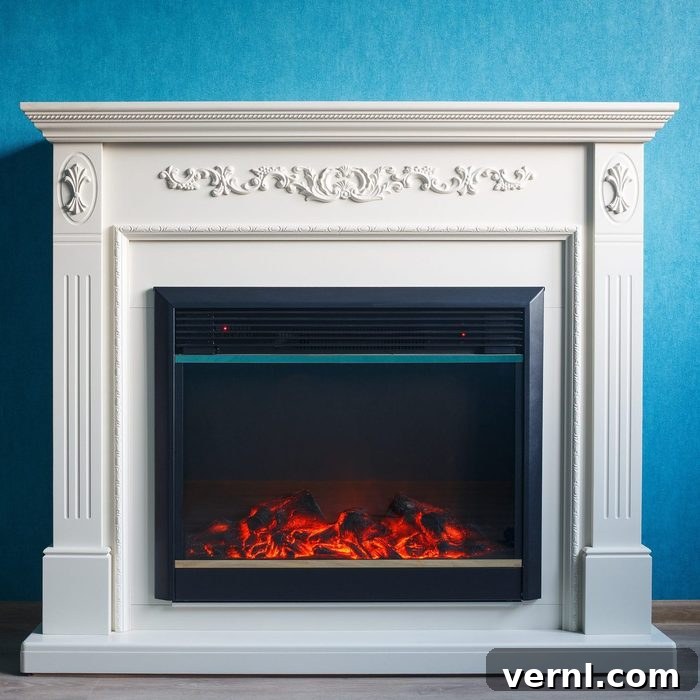
Choose a gas fireplace if you:
- Desire Authentic Flames and Heat: You crave the mesmerizing realism of natural, flickering flames and the robust, radiant heat that only a true combustion fire can provide.
- Have an Existing Gas Line (or Plan for One): Your home already has a natural gas line, making installation more straightforward and potentially less costly, or you are prepared for the investment of extending one.
- Prioritize Heating Larger Spaces: You intend to use the fireplace as a significant heat source for a larger living area and appreciate its ability to quickly warm up a room.
- Are Not Concerned About Surface Heat: You don’t have young children or curious pets who might frequently touch hot surfaces, or you can implement effective safety barriers.
- Prefer Lower Long-Term Fuel Costs: Your local natural gas prices are significantly lower than electricity rates, promising more economical operation over time.
- Appreciate Robust Heat Output: You seek a powerful heating solution that can make a noticeable difference in room temperature, especially during colder months.
Choose an electric fireplace if you:
- Lack a Gas Line or Want Easier Installation: Your home does not have a natural gas line, or you prefer a simpler, less invasive installation process without the need for venting.
- Value Design Flexibility: You want the freedom to place your fireplace almost anywhere in the room, without being restricted by vents or gas lines.
- Prioritize Safety for Family and Pets: You have young children, pets, or simply prefer the safest possible option, as electric fireplaces do not produce actual flames, carbon monoxide, or extremely hot surfaces.
- Seek Ambiance with Supplemental Heat: Your primary goal is to create a cozy atmosphere and provide supplemental heat for a specific zone, rather than as a primary heating source for a very large area.
- Are Budget-Conscious Upfront: You’re looking for the lowest possible purchase price and installation cost.
- Desire Low Maintenance: You prefer a virtually maintenance-free heating solution with no annual inspections or chimney cleanings.
- Want Year-Round Ambiance: You appreciate the option to use the flame effect independently of the heat, allowing you to enjoy the visual appeal even during warmer seasons.
- Favor a DIY Installation Option: You are comfortable with simple home projects and prefer to install the fireplace yourself, saving on professional labor costs.
Our Favorite Gas Fireplace Insert: ProCom Universal Ventless Firebox
For those leaning towards the robust heat and natural flame of gas, the ProCom Universal Ventless Firebox stands out as an excellent, budget-friendly option. This modern gas fireplace insert offers the convenience of instant on/off operation without the hassle of chopping wood, making it incredibly easy to maintain a clean aesthetic.
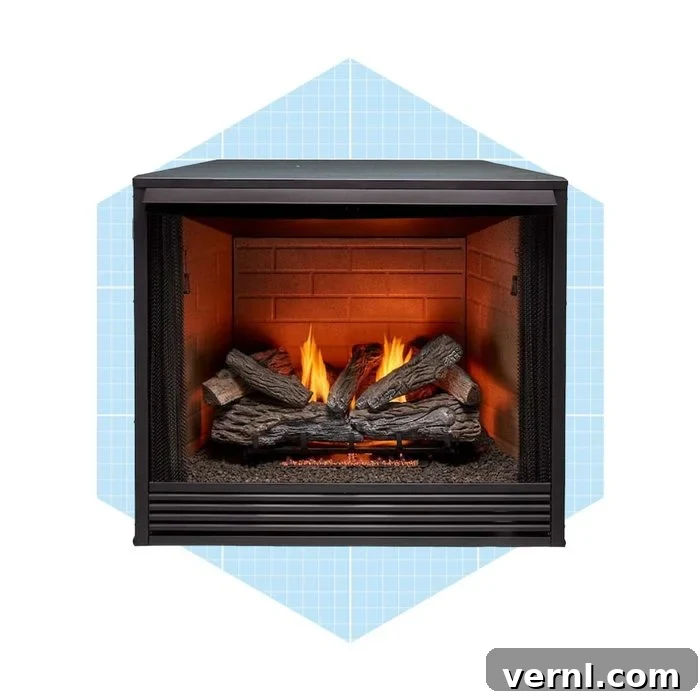
ProCom is renowned for its accessible gas fireplace solutions, and this 36-inch wall insert is no exception. It uniquely provides the ability to add a vent-free gas fireplace to your living space without requiring any electricity, offering true independence from the grid for operation. Approved for zero-clearance installation, this unit can be safely recessed directly into your wall or paired with a decorative cabinet mantel, creating a custom built-in look, provided a gas line is available. Its versatility extends to compatibility with any ventless gas log set, allowing you to personalize the flame appearance. Furthermore, it features a decorative brick liner, enhancing its classic appeal and creating a realistic backdrop for the dancing flames.
Shop Now
Our Favorite Electric Fireplace Insert: PuraFlame Klaus Electric Fireplace Insert
If an electric fireplace aligns more with your priorities for safety, ease of installation, and maintenance, the PuraFlame Klaus Electric Fireplace Insert is a top-rated choice. It delivers warmth and ambiance in a non-toxic, safe manner, making it a perfect fit for any home.
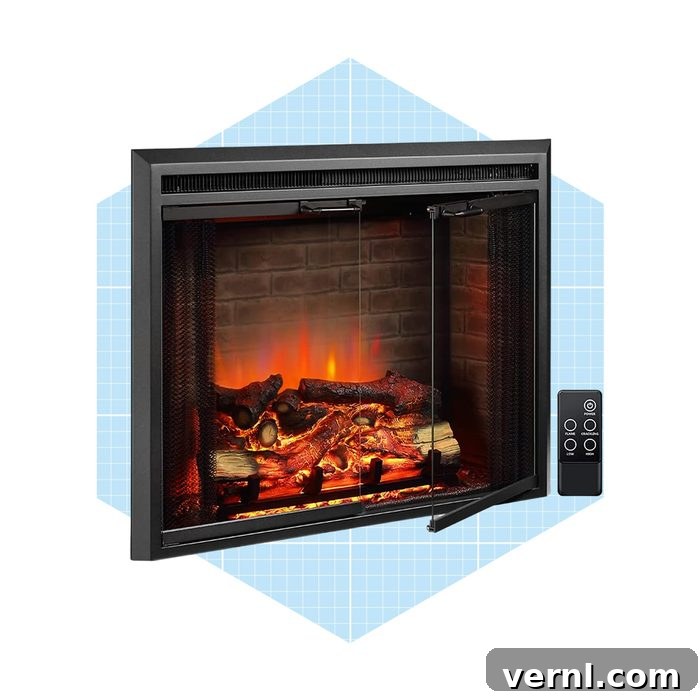
The PuraFlame Klaus electric fireplace insert is highly regarded for its exceptional value, wide range of size options to fit various openings, and remarkably easy installation process. Its lifelike appearance is a standout feature, creating an incredibly realistic flame effect that can be enjoyed year-round thanks to its independent heat and flame functions. Featuring energy-saving LED technology, this insert offers three distinct flame settings, allowing you to adjust the intensity and brightness to suit your mood. A convenient adjustable thermostat ensures precise temperature control for optimal comfort.
Beyond its functionality, this unit excels in aesthetics. It boasts realistic resin logs meticulously placed above an ember bed, mimicking the authentic look of a wood-burning fire. The traditional design is further enhanced by interior brick walls, a sophisticated glass door, and a classic mesh screen. These thoughtful components come together to create a remarkably realistic fireplace experience, offering all the visual appeal without any of the fuss associated with real flames or fuel.
Shop Now
Maximizing Comfort: The Efficiency of Gas vs. Electric Fireplaces
When discussing efficiency, it’s important to consider both energy conversion and heat distribution. Electric fireplaces boast superior energy conversion, transforming virtually all electrical energy into heat within the room. This makes them highly efficient for targeted zone heating. Gas fireplaces, while converting about 70% to 90% of their fuel into heat, often deliver a more intense and widespread warmth, especially from natural flames. While an electric unit might take slightly longer to generate the same absolute amount of warmth as a powerful gas unit, its 100% in-room heat delivery can be very effective for supplemental heating.
The ultimate economy comes down to a balance of initial purchase and installation costs, your local utility rates, how frequently and for how long you operate the fireplace, and whether you use it for ambiance or primary heating. However, electric fireplaces typically hold an advantage in terms of lower upfront purchase and installation expenses, making them a budget-friendly choice from the outset.
Explore More: Electric Fireplace Essentials
Delve deeper into the world of electric fireplaces and discover everything you need to know to make an informed decision for your home heating and ambiance needs.
- How to Install an Electric Fireplace
- The 5 Best Electric Fireplaces, Tested by Shopping Experts
- We Tested the Duraflame Electric Fireplace, and It Delivers Warmth and Ambience
- Electric Fireplace Sale
Why You Should Trust Our Expertise
Our commitment to providing accurate, reliable, and actionable home improvement advice is underpinned by the deep industry experience of our contributors. Dan Stout, a seasoned professional in residential remodeling, commercial site supervision, and maintenance management, brings invaluable insights to our content. Having worked extensively across virtually all facets of building and DIY—from project planning and permitting to plumbing, basic electrical work, drywall, carpentry, tiling, and painting—Dan possesses a holistic understanding of home systems.
Dan’s broad expertise encompasses everything from optimizing furnace performance to selecting power tools, crafting woodworking projects, and designing backyard fire pits. His comprehensive knowledge in construction, meticulous project planning, and intricate understanding of electrical systems uniquely qualify him to author knowledgeable and trustworthy content about fireplaces and a wide array of other home improvement endeavors. You can rely on his insights to guide your decisions with confidence.