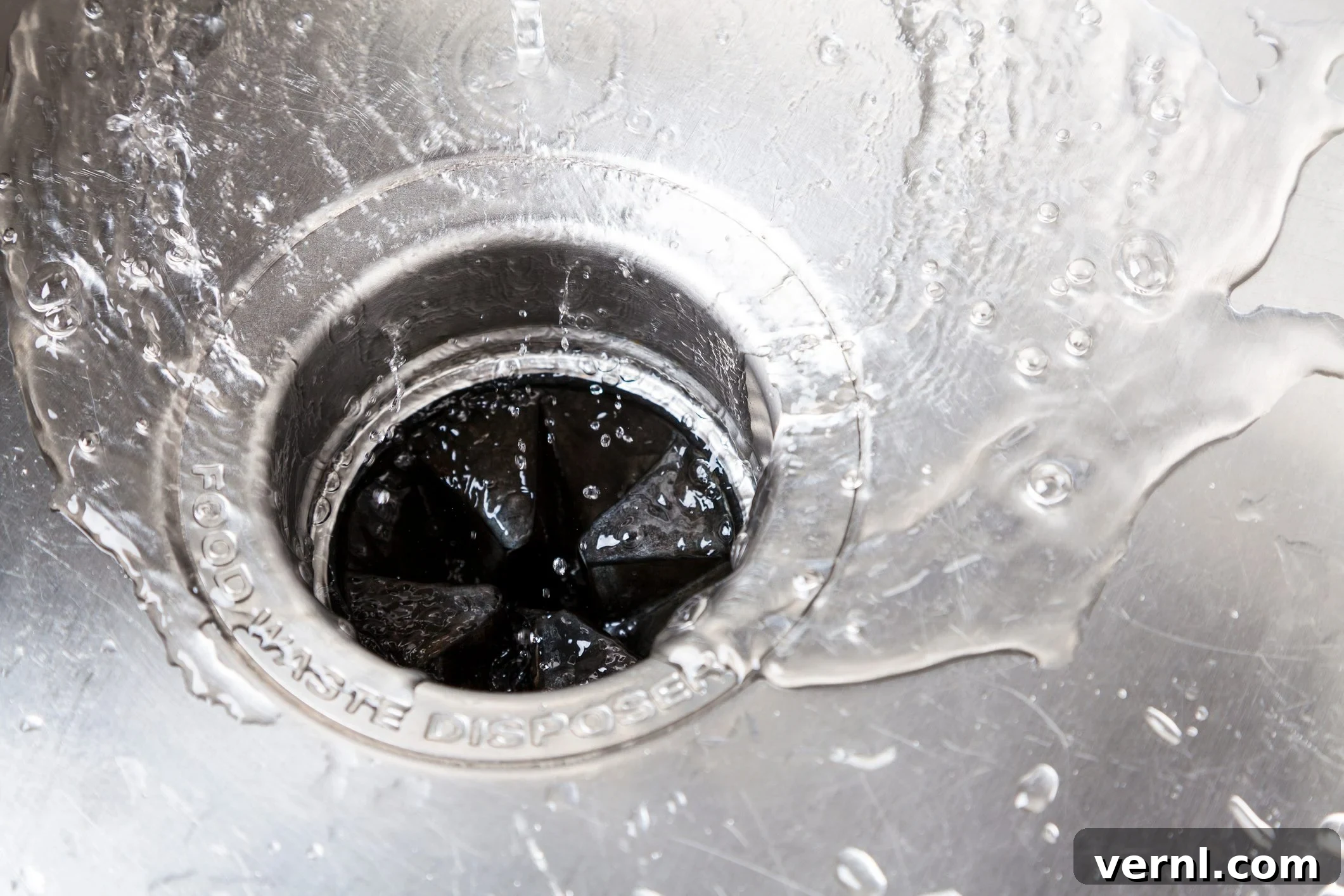
How to Clean a Smelly Garbage Disposal and Eliminate Odors
Getting a garbage disposal can feel like a kitchen upgrade miracle! Imagine, no more messy food scraps to deal with, and your kitchen trash can smelling fresh. But, like any appliance, your garbage disposal requires a bit of care. Over time, food waste can accumulate, leading to unpleasant odors. This guide provides effective solutions for cleaning and maintaining your garbage disposal to keep your kitchen smelling its best.
Garbage disposals are designed to make kitchen life easier, helping to keep food waste out of landfills and prevent smelly kitchen trash. They also act as a first line of defense against clogs. However, even with the best intentions, food particles can find their way into your sink and disposal, leading to odors.
A smelly garbage disposal is not a pleasant thing to live with. Fortunately, with a little know-how and regular maintenance, you can keep your disposal clean and odor-free. This article will explain the causes of garbage disposal smells and provide step-by-step instructions on how to effectively clean and maintain your disposal.
Why Does My Garbage Disposal Smell?
The primary cause of a stinky garbage disposal is decaying food particles that haven’t been fully ground up and flushed away. These remnants get stuck within the disposal chamber and on its components, leading to unpleasant smells.
According to Alicia Sokolowski, president and co-CEO of AspenClean, “It’s usually the result of decaying bits of food that have escaped the grinding process and gotten stuck in the appliance.”
Garbage disposals work by grinding food waste into small pieces so they can be easily flushed down the drain. When larger food chunks remain, they decompose and produce odors. Regular cleaning prevents these build-ups.
How To Clean a Smelly Garbage Disposal
Cleaning a smelly garbage disposal is a simple process that can be done with common household ingredients. Following these steps regularly will keep your disposal fresh.
Similar to cleaning a smelly shower drain, a vinegar and baking soda combination is an easy, all-natural and inexpensive solution.
Remember the classic baking soda and vinegar “volcano” experiment? The same bubbling action that you enjoyed back then is what helps to clean your disposal. The reaction between the baking soda (a base) and the vinegar (an acid) creates carbon dioxide gas, which helps dislodge trapped food particles and wash them away. Sokolowski recommends cleaning your disposal every week or two.
Here’s how to clean your garbage disposal:
- Pour a quarter cup of baking soda into the disposal.
- Follow with a cup of distilled white vinegar.
- Let the mixture bubble for several minutes, allowing the cleaning action to take place.
- Run cold water and turn on your garbage disposal.
- Rinse the mixture down the drain with the cold water. Continue running the cold water for approximately 30 seconds after the disposal is turned off.
How To Clean the Splash Guard
The splash guard, the flappy rubber piece covering the drain opening in your sink, plays a crucial role. It prevents food from being sprayed back up into your sink during the grinding process. It’s also a prime location for food particles to accumulate.
As you might imagine, the underside of the splash guard can accumulate food debris. This debris attracts bacteria and mold, leading to the production of odor-causing compounds.
To clean the splash guard, use an old toothbrush and an all-purpose cleaner to scrub under each flap of the guard. For extra scrubbing power, dip the toothbrush in baking soda. This will help remove stubborn gunk and keep odors at bay.
If your splash guard shows signs of wear and tear, such as rips, tears, or rubber deterioration, consider replacing it.
How To Prevent a Smelly Garbage Disposal
Preventing odors is easier than dealing with them after they develop. Here are some key tips to keep your garbage disposal fresh and working efficiently.
Always be mindful of what you put down your disposal. Sokolowski advises against grinding anything other than food waste. Avoid fibrous and starchy vegetables. This includes celery, asparagus, and potatoes. These foods can cause problems:
- Fibrous Vegetables: Celery stalks and asparagus can wrap around the grinding components.
- Starchy Vegetables: Potato starch can create a gluey mess that sticks to the disposal and drain.
Also, avoid putting coffee grounds down the drain. While often considered safe in moderation, they can contribute to buildup over time.
Use Cold Water: Always run cold water while using your garbage disposal.
Although hot water is often associated with cleaning, using cold water prevents grease and food particles from sticking to the inside of the disposal. Let the cold water run for about 30 seconds after you’ve finished using the disposal to ensure everything is flushed completely.
Avoid Grease, Oils, and Fats: Never pour grease, oil, or fats down your sink or into your disposal. These substances solidify as they cool, leading to clogs.
Check Your Manual: Consult your garbage disposal’s manual for specific instructions and recommendations. InSinkErator, a popular brand, also advises avoiding bones and fruit pits unless you have a high-powered model.
Use Citrus Peels: A helpful tip for keeping your disposal smelling fresh is grinding citrus peels. The natural oils in citrus fruits can help to neutralize odors.