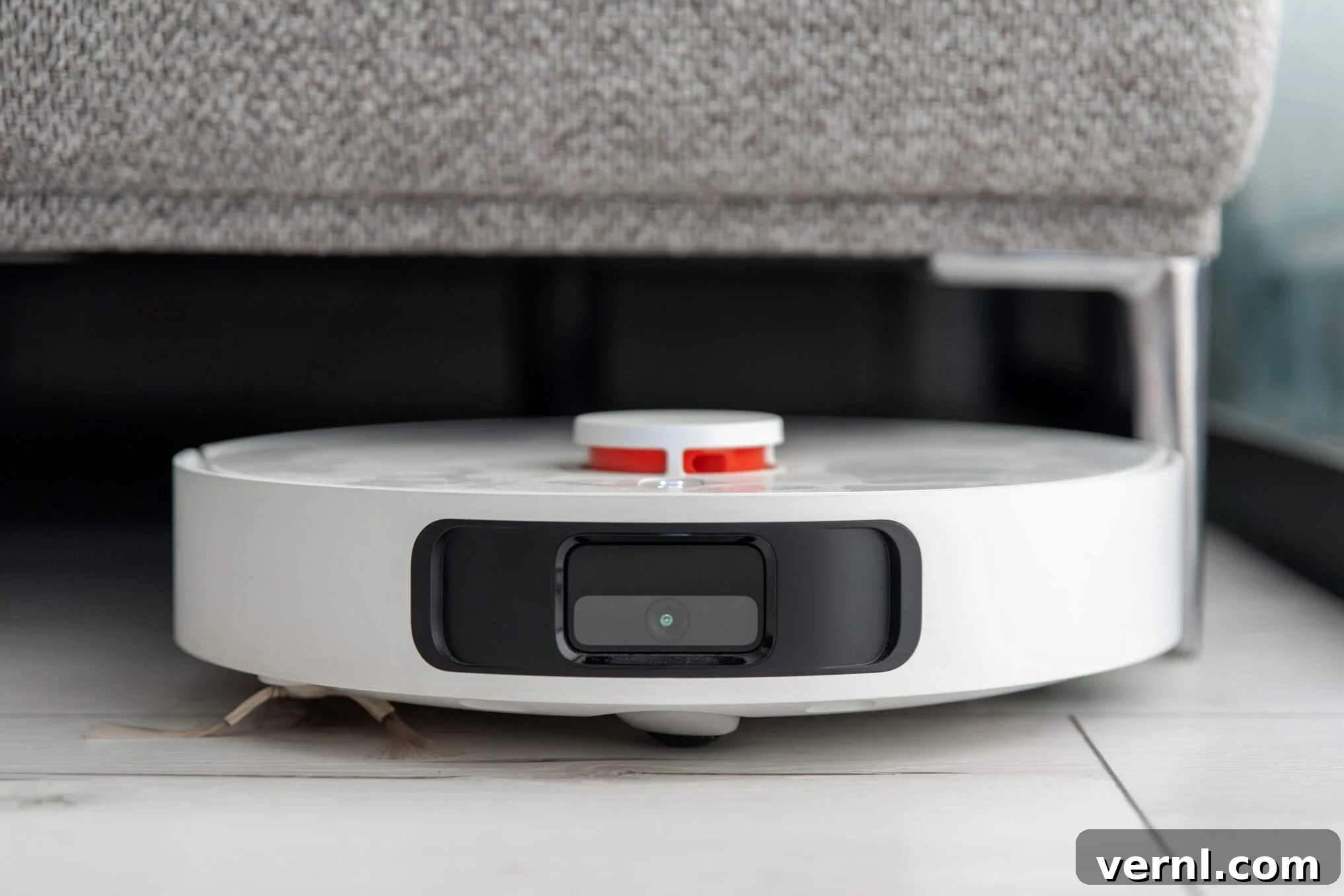
Robot vacuums have become a common appliance in many U.S. homes. Modern models, enhanced by artificial intelligence and other advances, can map living spaces, avoid obstacles, connect to home networks, and perform much of the cleaning with minimal user input. Those smart capabilities make life easier—but they are also at the center of a recent regulatory change that could limit which devices are allowed into the United States.
The Federal Communications Commission (FCC) has updated its Covered List to include certain foreign-produced advanced robotic devices. That decision introduces new restrictions that may prevent some models from receiving the authorization required to enter the U.S. market. While the move is focused on cybersecurity and supply chain concerns, its effects could ripple across robot vacuums, robotic lawn mowers, and other connected household robots that sense their surroundings, navigate autonomously, and connect wirelessly.
What Exactly Is the FCC Banning?
The FCC’s action does not ban all robots outright. Instead, it places limits on new models of qualifying foreign-produced devices, making them ineligible for the FCC authorization needed to be imported and sold in the United States. The policy targets autonomous devices that have onboard software, obstacle avoidance or navigation capabilities, sensing functions, and wireless connectivity.
Because many contemporary robot vacuums and similar household robots meet these criteria, manufacturers producing those devices abroad may find their new models excluded from U.S. sales until they meet any additional requirements. While the policy is broadly framed, officials have indicated that devices manufactured by certain foreign suppliers—particularly those from some Chinese-based companies—are likely to be most affected.
Why Is the FCC Restricting Robots, and What Does It Mean for Buyers?
The FCC cites cybersecurity risks and concerns about reliance on foreign-produced robotics as the core reasons for the update. Regulators warn that advanced robotic devices that connect to networks and run remote-updatable software could pose vulnerabilities for supply chains or be exploited for surveillance or remote control. In short, the agency says relying heavily on some foreign-made robots may introduce unacceptable security risks.
For consumers, this change is primarily aimed at future product availability rather than immediate removal of devices from homes. The intent is to prevent newly introduced covered models from gaining the required FCC authorization. Which exact models will be affected depends on whether they meet the definition laid out by the FCC and whether they are produced by entities identified as raising national security concerns.
Can Owners Keep Using Their Current Robot Vacuums?
Yes. The FCC’s update largely applies to new products and does not force consumers to stop using devices they already own. Models that were previously authorized and legally sold in the U.S. remain lawful for consumers to use. That includes continued operation and, under current rules, many of those devices can still receive software and firmware updates that maintain performance and address security problems.
However, while current devices and permitted updates remain allowed for now, the future availability of replacement parts, accessories, and new models from affected manufacturers could change. Consumers who rely on software updates for security fixes should keep an eye on manufacturer announcements and any further regulatory developments that might alter update policies or authorization rules.
Practical Advice for Buyers and Owners
- Before buying a new robot vacuum, check whether the model is listed as authorized for sale in the U.S. and review the manufacturer’s update and support policies.
- Keep existing devices up to date with official firmware and software updates to reduce security risks.
- If you are concerned about privacy or network security, consider configuring smart devices on a separate network or using router features that limit device access.
- Watch for announcements from manufacturers and regulators about specific models affected by the FCC’s Covered List to understand availability and support implications.
Sources
- Federal Communications Commission – FCC Adds Foreign-Produced Power Inverters and Robots to Covered List
- Federal Communications Commission – National Security Determination on the Threat Posed by Foreign-Produced Advanced Robotic Devices
- Federal Communications Commission – FAQs on Recent Updates to FCC Covered List Regarding Foreign-Produced Advanced Robotic Devices and Power Inverters