
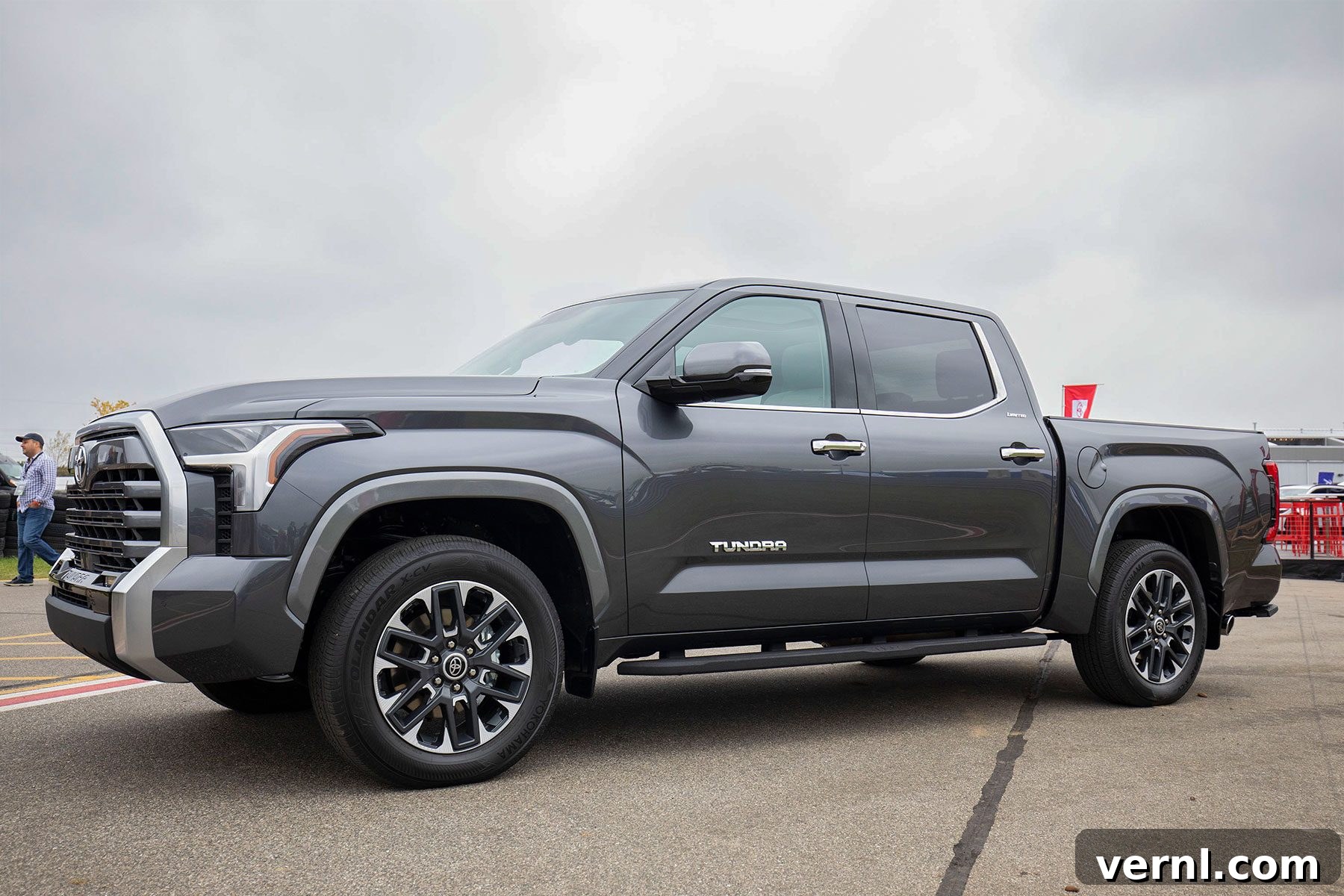
Toyota Tundra and Lexus LX 600 Engine Recall: Essential Information for Owners
In the dynamic world of automotive news, vehicle recalls frequently capture headlines, underscoring the ongoing commitment to safety and quality assurance within the industry. Recently, Toyota, a brand renowned globally for its reliability, issued a significant recall affecting some of its popular truck models. This development, which first emerged in July, centers on an engine problem identified in specific Tundra and Lexus LX 600 vehicles. While the initial announcement provided little detail on the resolution, Toyota has now released crucial updates regarding the proposed repairs. This comprehensive guide will break down the intricacies of this major recall, detailing the underlying issues, the affected models, and the decisive steps Toyota is taking to rectify the situation, ensuring owners are fully informed and prepared.
Understanding the Toyota Engine Recall: The Root Cause of the Problem
The core of the National Highway Traffic Safety Administration (NHTSA) report earlier this year highlighted a critical manufacturing defect. Specifically, some Toyota truck engines were found to contain residual debris from the production process. This seemingly minor issue carries significant and potentially dangerous implications. When left unresolved, this manufacturing debris can compromise the integrity of the engine’s main bearings, which are crucial components responsible for supporting the crankshaft and enabling smooth engine operation. The failure of these main bearings can lead to severe operational malfunctions, including an abrupt engine stall and a complete loss of drive power while the vehicle is in motion.
The risks associated with such an engine failure are substantial. Imagine driving at highway speeds when your engine suddenly ceases to function; this scenario poses an immediate and severe safety hazard, increasing the risk of accidents. According to a report from CNN, affected owners might notice several warning signs indicating an impending issue. These symptoms include “banging or popping noises” emanating from the engine compartment, a noticeable lack of smoothness in engine operation, and even the engine stalling altogether while driving. Such indicators are not merely minor inconveniences but clear warnings of a serious underlying mechanical flaw that requires immediate attention.
The Critical Role of Engine Bearings and Manufacturing Precision
To fully grasp the gravity of this recall, it’s essential to understand the function of main bearings within an engine. These components reduce friction between moving parts, ensuring the engine runs efficiently and prolonging its lifespan. Any foreign material introduced during the manufacturing process, no matter how small, can disrupt the precise tolerances required for optimal bearing performance. Over time, this debris can cause excessive wear, overheating, and ultimately, the complete failure of the bearings. The presence of manufacturing debris underscores the rigorous quality control challenges faced by automakers, even those with Toyota’s stellar reputation. This incident serves as a stark reminder that even the smallest oversight in production can lead to widespread safety concerns and extensive recall campaigns.
Which Toyota and Lexus Trucks Are Included in This Engine Recall?
The current recall specifically targets gasoline-powered models of the 2022 and 2023 Toyota Tundra trucks and the luxurious Lexus LX 600 SUVs. This encompasses a significant number of vehicles, with an estimated total of 100,000 trucks and SUVs affected across the United States. If you are an owner of one of these specific models and model years, it is imperative to pay close attention to this recall notice. Toyota has affirmed its commitment to resolving this issue promptly and effectively, offering a direct solution: the company will replace the entire engine of any affected vehicle at no financial cost to the owner. This comprehensive approach is designed to restore confidence and ensure the long-term reliability and safety of these vehicles.
The communication process regarding this recall began in July 2024, when the problem was first identified and reported. Toyota initiated contact with affected owners to inform them of the potential issue. Now, with a definitive repair plan in place, the company will issue a second wave of alerts. These subsequent notifications will detail the precise steps for owners to follow, including scheduling appointments for the complimentary engine replacement. It’s important for owners to await these official communications, but also to be proactive in verifying if their vehicle is indeed part of this critical recall. Timely action is key to mitigating any potential risks associated with the manufacturing defect and ensuring your vehicle operates safely and reliably.
How to Proactively Get Your Engine Replaced: A Step-by-Step Guide
If you suspect your vehicle is among those affected by the Toyota Tundra and Lexus LX 600 engine recall, and you prefer not to wait for a formal letter from the manufacturer, you have immediate options to ascertain your vehicle’s status and initiate the repair process. The NHTSA strongly recommends that concerned owners take proactive measures. You can directly contact Toyota customer service by calling 1-800-331-4331. This dedicated line is staffed by representatives who can provide specific information regarding your vehicle’s eligibility for the recall and guide you through the next steps. Toyota has unequivocally confirmed that all necessary repairs, including the full engine replacement, will be conducted at absolutely no cost to the customers, reinforcing their commitment to customer safety and satisfaction.
Beyond the Phone Call: Additional Actions for Owners
- Verify Your VIN: An essential step is to check your Vehicle Identification Number (VIN) against the official recall database. You can do this conveniently by visiting the NHTSA website and entering your 17-character VIN. This will confirm if your specific vehicle is included in any open recalls, including this engine issue.
- Schedule Your Service: Once confirmed, contact your local authorized Toyota or Lexus dealership to schedule an appointment for the engine replacement. Due to the high volume of vehicles affected, it is advisable to schedule as soon as possible.
- Understand the Process: Inquire about the estimated time for the repair, whether a loaner vehicle will be provided, and any specific precautions you should take before bringing your vehicle in for service.
- Monitor Official Communications: Even if you’ve called customer service, keep an eye out for official mail or email from Toyota or Lexus, as these will contain detailed instructions and often serve as official documentation of the recall process.
- Safety While Waiting: If your vehicle is affected and you are awaiting a repair, be vigilant for the previously mentioned symptoms (banging noises, rough running, stalling). If you experience any of these, it is advisable to minimize driving the vehicle until the repair is completed to prevent potential accidents.
The Broader Impact: Automotive Recalls and Consumer Confidence
Automotive recalls, while disruptive, are a vital component of consumer protection and vehicle safety regulations. They demonstrate a manufacturer’s responsibility to address defects that could pose risks to occupants and other road users. For a brand like Toyota, consistently ranked high in reliability, this recall presents a significant challenge to its reputation. However, the swift and comprehensive response—offering complete engine replacements free of charge—is a testament to their commitment to customer loyalty and safety. Such actions are crucial in rebuilding and maintaining consumer confidence, which is paramount in the highly competitive automotive market.
The role of regulatory bodies like the NHTSA cannot be overstated. By setting safety standards, investigating potential defects, and overseeing recall campaigns, the NHTSA acts as a critical safeguard for the public. Consumers are also empowered to report potential safety defects to the NHTSA, contributing to the identification of issues that might lead to future recalls. This collaborative ecosystem of manufacturers, regulators, and consumers ultimately enhances overall road safety.
Conclusion: Prioritizing Safety and Proactive Measures
The Toyota Tundra and Lexus LX 600 engine recall represents a significant event for thousands of vehicle owners. The underlying manufacturing defect leading to main bearing failure and potential engine stalls underscores the critical importance of vigilant quality control throughout the automotive production process. While any recall can be concerning, Toyota’s decisive action to offer full engine replacements at no cost provides a clear path forward for affected customers.
For owners of 2022 and 2023 gas-powered Tundras and LX 600s, staying informed and taking proactive steps is paramount. Whether it’s calling Toyota customer service, checking your VIN on the NHTSA website, or promptly scheduling your repair with an authorized dealership, timely action ensures your safety and the longevity of your vehicle. This recall serves as a powerful reminder that while vehicle technology continues to advance, the fundamental principles of safety and reliability remain the cornerstone of responsible automotive manufacturing. Owners should act without delay to ensure their peace of mind and continued safe driving experience.
Sources
CNN, “Toyota will put new engines into 100,000 Tundra trucks and Lexus SUVs,” 2024
National Highway Traffic Safety Administration
NHTSA Official Recalls Page