The Ultimate Guide to Cleaning Your Fire Pit: Extend Its Life and Enjoy More Fires
There’s nothing quite like gathering around a crackling fire pit, sharing stories, roasting marshmallows, and soaking in the tranquil ambiance of an outdoor evening. Whether you own a rustic backyard creation, a sleek smokeless model, or a simple portable camping pit, these gathering spots bring immense joy. However, like any cherished outdoor amenity, fire pits require regular attention to ensure their longevity, safety, and continued performance. Neglecting proper care can lead to rust, inefficiency, and even safety hazards, detracting from the very pleasure they are meant to provide.
This comprehensive guide will walk you through everything you need to know about cleaning your fire pit effectively, preventing common issues, and ultimately extending its lifespan. We’ll cover specific methods for both wood-burning and gas-burning units, offer expert tips for easier maintenance, and provide solutions for tackling stubborn rust. Get ready to transform your fire pit from a potential chore into a source of enduring outdoor delight.
Why Regular Fire Pit Cleaning is Essential for Longevity and Safety
Many fire pit owners underestimate the importance of routine cleaning, often waiting until a noticeable buildup or problem arises. However, consistent maintenance is crucial for several compelling reasons, impacting both the structural integrity and the operational safety of your fire pit:
- Preventing Material Degradation: The primary components of fire pit debris are ash, soot, and creosote. While ash from natural wood can be beneficial in gardens, when combined with moisture (from rain, dew, or snow), it creates a highly corrosive lye-like solution. This caustic mixture can rapidly erode steel, cast iron, and even the mortar in stone surfaces, significantly accelerating rust formation and material decay. As fire pit manufacturer Eric Tamminga warns, “If it gets wet, that will create a caustic solution that is quite corrosive to steel and eats away at it quickly.” This chemical reaction can drastically shorten the life of your fire pit.
- Maintaining Performance and Efficiency: For wood-burning pits, excessive ash buildup restricts crucial airflow to the fire. This leads to less efficient combustion, resulting in smokier fires, reduced heat output, and a more difficult time getting the fire started and sustained. For gas-burning pits, soot can clog tiny burner ports and valves, impacting flame quality, reducing fuel efficiency, and potentially creating unsafe operating conditions due to improper gas flow.
- Ensuring Safety: Creosote, a tar-like byproduct of incomplete wood combustion, is highly flammable. While less common in open fire pits than in enclosed chimneys, significant buildup can still pose a fire risk, especially if exposed to high temperatures or stray sparks. Furthermore, unattended embers hidden deep within ash can smolder and reignite hours or even days after a fire, making proper ash disposal a critical safety measure to prevent unintended fires.
- Enhancing Aesthetics: A clean fire pit simply looks better. Removing unsightly ash, soot, and grime ensures your outdoor living space remains inviting and well-maintained. A rusty, dirty fire pit can be an eyesore, diminishing the overall appeal of your patio or backyard.
- Protecting Your Investment: Fire pits represent a significant investment in your outdoor living experience. Regular cleaning and maintenance are the most cost-effective ways to protect that investment, avoiding costly repairs or premature replacement.
Experts generally recommend cleaning out fire pits at least monthly during periods of regular use, or even more frequently depending on usage intensity and the type of wood burned. Critically, always keep your fire pit covered when not in use to prevent water ingress, which is the leading cause of rapid corrosion and damage.
Essential Tools for Efficient Fire Pit Cleaning
Before you begin the cleaning process, gathering the right tools will make the task much more efficient, safer, and ultimately more effective. Having everything readily available will streamline your efforts and ensure thorough maintenance.
- Metal Shovel or Scoop: Indispensable for safely removing large chunks of ash, unburned wood, and other heavy debris. Choose one with a sturdy handle and durable head.
- Stiff-Bristle Brush: Ideal for scrubbing the interior surfaces of wood-burning pits, dislodging stubborn soot and grime. For painted or coated surfaces, opt for a brush with softer bristles to avoid scratching.
- Wire Brush or Steel Wool: Absolutely essential for tackling rust spots on metal fire pits. Various grades are available; coarser options for heavy rust, finer for polishing.
- Shop-Vac or Handheld Vacuum: Excellent for removing fine ash particles from crevices, corners, and the base, especially after initial scooping. A shop-vac is preferred due to its powerful suction and ability to handle fine dust without clogging household filters.
- Metal Ash Can with Lid: A non-negotiable safety item. Crucial for the safe disposal of hot or potentially smoldering ash. Never use plastic bags, cardboard boxes, or standard garbage cans for ash.
- Sturdy Work Gloves: Protect your hands from sharp debris, abrasive ash, and harsh cleaning agents. Heat-resistant gloves are a bonus if you’re working near components that might still retain some warmth.
- Dust Mask or Respirator: Prevents inhalation of fine ash particles, soot, and rust dust, which can be irritating to the respiratory system and potentially harmful over time.
- Eye Protection: Safety glasses are a must when dealing with airborne dust, rust particles, or using power tools like wire wheel attachments.
- Warm Soapy Water: A gentle and effective cleaning solution for most surfaces. Mild dish soap or an all-purpose cleaner diluted in warm water works well.
- Mild Detergent (for stone): If your fire pit has natural stone components, use a mild, pH-neutral detergent. Avoid acidic or strong chemical cleaners, which can stain or damage stone.
- Clean Cloths or Sponges: For wiping down surfaces, applying cleaning solutions, and rinsing. Keep a separate set for rinsing to avoid spreading dirt.
- Rubbing Alcohol or Dedicated Fireplace Cleaner (for gas pits): Effective solvents for dissolving and removing soot and residue from sensitive gas components without leaving corrosive moisture.
- Mineral Spirits (for rust treatment): Used to clean and prepare metal surfaces after rust removal, ensuring a clean base for re-coating.
- High-Temperature Paint or Protective Oil (for rust treatment): Necessary for re-coating metal surfaces after rust removal, to provide a new protective barrier against future corrosion.
- Owner’s Manual (for gas pits): Always consult your specific fire pit’s manual for detailed disassembly instructions, warranty information, and unique cleaning precautions.
How To Clean a Fire Pit: A Step-by-Step Guide for Both Types
Cleaning Wood-Burning Fire Pits
Wood-burning fire pits require regular ash and debris removal to maintain airflow, prevent corrosive buildup, and ensure a clean burn. Always prioritize safety during this process, as ash can harbor hidden dangers.
- Allow Complete Cooling: Before attempting any cleaning, it is absolutely paramount to ensure your fire pit has cooled down entirely. This means waiting at least 24 hours after the last fire, or even longer if it was a particularly large or intense blaze. Even seemingly cold ash can harbor hot embers that can reignite, posing a significant burn and fire risk.
- Remove Large Debris: Begin by carefully donning your sturdy gloves and removing any unburned wood chunks, kindling, or larger pieces of charcoal. These can often be reused in your next fire if they are still dry and intact. Place them in a separate, safe pile.
- Scoop Out Ash and Soot: With your gloves and dust mask securely on, use your metal shovel or scoop to carefully transfer all loose ash and other accumulated debris into your sturdy metal ash can with a tight-fitting lid. Work slowly to minimize disturbing the ash and releasing dust. Avoid overloading the can. If you’ve only burned natural, untreated wood (which is always recommended for fire pits), the ash can be safely repurposed as a natural fertilizer in your garden, enriching the soil with potassium and other trace minerals. However, ensure it’s completely cold before spreading.
- Brush or Vacuum Fine Particles: Once the bulk of the ash is removed, use a stiff-bristle brush to sweep out any remaining fine dust and soot from the interior surfaces and corners of the fire pit. Pay attention to any drainage holes. For an even cleaner finish and to effectively remove embedded particles, a shop-vac or powerful handheld vacuum with a brush attachment can be incredibly effective at suctioning away stubborn fine ash that brushing might miss.
- Wash the Interior Surfaces:
- For Metal Fire Pits (Steel, Cast Iron, Copper): Prepare a solution of warm water and mild dish soap. Using a stiff-bristle brush, scrub the interior walls, base, and any grates thoroughly. Focus on areas with persistent soot residue, grease, or any signs of discoloration. This step helps to remove any remaining corrosive elements and restore the surface.
- For Stone or Masonry Fire Pits: Opt for a mild detergent specifically designed for outdoor stone, or a very diluted solution of gentle soap. Harsh or acidic cleaners can severely damage natural stone or mortar, causing discoloration, etching, or weakening the structure. Use a soft-bristle brush or sponge to clean the surfaces gently, being careful not to dislodge any mortar.
- Rinse and Dry Thoroughly: Rinse the fire pit completely with clean water, ensuring all soap residue is removed. This step is particularly critical for metal pits, as any lingering cleaning solution can itself be corrosive. Immediately after rinsing, dry the fire pit as thoroughly as possible. Use old towels or let it air dry completely in direct sunlight. Any lingering moisture, especially in metal pits, will accelerate rust formation significantly. For best results, consider wiping down all metal surfaces with a clean, dry cloth after air drying to ensure absolute dryness.
Important Safety Precautions for Wood-Burning Fire Pits:
- Cooling Time is Paramount: Never rush this step. Allowing a minimum of 24 hours for the fire pit to cool completely is not merely a suggestion, but a crucial safety measure to prevent burns and potential fires from hidden embers.
- Personal Protective Equipment (PPE): Always wear heavy-duty work gloves to protect your hands from sharp edges, splinters, and the potentially corrosive nature of ash. A dust mask or respirator is essential to prevent inhaling fine ash particles and soot, which can severely irritate lungs and airways. Eye protection (safety glasses) is also highly recommended to prevent debris from entering your eyes.
- Safe Ash Disposal: Never dispose of ash in plastic bags, cardboard boxes, or directly into standard indoor or outdoor garbage cans. Hidden embers can smolder and reignite for many hours, even days, causing devastating fires. Always transfer ash into a dedicated, tightly sealed metal container. Store this container outdoors, away from any combustible materials (such as fences, decks, woodpiles, or buildings), for several days until you are absolutely certain all embers are completely extinguished and the ash is cold to the touch. Alternatively, explore creative and beneficial uses for fireplace ash, such as garden fertilizer.
Cleaning Gas-Burning Fire Pits
Gas fire pits require a different approach, focusing on the sensitive burner components to ensure optimal performance, prevent clogs, and maintain safety. Outdoor home expert Ben Aston emphasizes, “To clean a gas-burning fire pit, your goal is to remove soot from essential components and surfaces.” This prevents blockages and ensures consistent flame quality.
- Disconnect Gas Supply: This is the most crucial first step for absolute safety. Locate the main gas shut-off valve (for natural gas lines) and turn it off, or disconnect the propane tank from the fire pit by turning its valve off and detaching the hose. Ensure no gas can flow to the unit during the entire cleaning process.
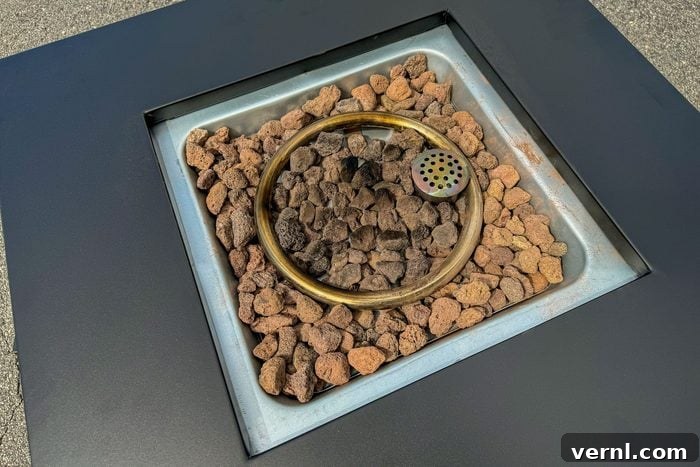
- Remove Media and Disassemble: Carefully remove any decorative fire media such as lava rocks, fire glass, or ceramic logs. Gently brush off any loose soot, dust, or debris from these media and set them aside. If they are excessively dirty, they might require a gentle wash and thorough drying. Next, consult your fire pit’s owner’s manual to safely disassemble the unit, exposing the gas line, burner pan, valve, and ignition assemblies. “The key is to expose the gas line, valve and lighter assemblies,” Aston advises. Taking photos during disassembly can be incredibly helpful for accurate reassembly.
- Clean Burner Components: With a clean, soft cloth and a suitable cleaning solvent – such as rubbing alcohol, denatured alcohol, or a dedicated fireplace cleaner – meticulously wipe away any soot, dust, or debris from the burner ports, gas lines, valves, and igniter electrodes. These components are delicate, so avoid harsh scrubbing. Ensure all burner holes are completely clear of obstructions; a small brush (like a toothbrush) or compressed air can be used for this if necessary. Crucially, avoid using water directly on sensitive gas components, as this can cause corrosion or malfunction.
- Clean Exterior Surfaces: While the interior components are drying, wipe down the exterior surfaces of your gas fire pit. Use a damp cloth with a mild soap solution, then rinse with a clean, damp cloth and dry thoroughly. For stainless steel fire pits, consider using a specialized stainless steel cleaner to restore its luster and prevent smudges.
- Reassemble and Check for Leaks: Once all components are clean and completely dry, carefully reassemble the fire pit according to your owner’s manual. Ensure all connections are secure. Before attempting to light it, reconnect the gas line and perform a leak test. You can do this by mixing a small amount of liquid dish soap with water to create a soapy solution. Apply this solution to all gas connections and joints. If bubbles appear, you have a leak that needs to be addressed immediately by tightening connections or replacing faulty parts. Never use a gas fire pit with a leak.
Tips for Making Fire Pit Cleanup Easier and Extending Its Life
Preventative maintenance is your best defense against extensive cleaning sessions and premature wear and tear. Adopting these simple habits will significantly reduce the effort required to keep your fire pit in top condition and dramatically prolong its lifespan, ensuring many more years of enjoyment.
- Keep Your Fire Pit Covered: This is arguably the most impactful preventative measure you can take. A good quality, waterproof fire pit cover is your first line of defense against the elements. It protects your fire pit from rain, snow, dew, and airborne debris (leaves, pollen, dust). This prevents water from mixing with residual ash (which causes rapid corrosion) and keeps the interior much cleaner between uses, reducing the frequency of deep cleaning. Eric Tamminga stresses the importance: “We recommend cleaning out fire pits every month or so, but it is even more important to keep them covered to keep water out, which will prevent this corrosion to begin with.”
- Only Burn Seasoned Wood: “Seasoned” wood refers to wood that has been properly dried for at least 6-12 months. It has a significantly lower moisture content than “green” wood, which results in a hotter, cleaner burn with less smoke, less soot, and minimal creosote production. Unseasoned or “green” wood produces copious amounts of smoke and corrosive byproducts, leading to faster buildup of grime and more challenging cleanup. Look for wood that sounds hollow when hit and has cracks at the ends.
- Empty Ash Regularly: Do not let ash accumulate for extended periods, especially if the fire pit is exposed to moisture. As discussed, wet ash is highly corrosive. Regularly emptying the ash (into a metal container, remember!) prevents the formation of damaging lye and significantly reduces the risk of rust and material degradation. Aim to empty it after every few uses, or once a week if used frequently.
- Optimize Airflow: Good airflow is absolutely vital for a clean and efficient burn. Ensure your fire pit has adequate ventilation holes in its design. Using a grate or log rack (often called a fire pit grate or log holder) can significantly improve airflow from beneath the wood, allowing oxygen to reach the bottom of the fire and promoting more complete combustion. This leads to hotter fires, less smoke, and ultimately less ash and creosote buildup. “The best way to minimize cleanup is to reduce the amount of ash you are creating,” says Tamminga. “Burn hardwoods instead of softwood, and make sure to have good airflow for a clean-burning fire. A grate can help with this.”
- Burn Hardwoods Over Softwoods: Whenever possible, opt for hardwoods like oak, maple, hickory, or cherry over softwoods such as pine, fir, or cedar. Hardwoods burn hotter and longer, producing a more robust flame and significantly less creosote and ash. This not only makes cleanup easier but also provides a more enjoyable and efficient fire experience. Softwoods tend to pop more, produce more smoke, and leave more residue.
- Inspect Regularly: Periodically (e.g., once a month or before seasonal use), give your fire pit a thorough visual inspection. Look for signs of rust beginning to form, cracks in mortar, loose components, or any blockages in gas lines (for gas pits). Catching small issues early can prevent them from becoming major problems.
Addressing Rust: Prevention and Effective Removal Strategies
Rust is a common and often inevitable enemy of metal fire pits, but understanding its causes and knowing how to effectively combat it can keep your pit looking great and performing safely for years to come. Don’t let a little rust deter you from enjoying your outdoor space.
Why is My Fire Pit Rusty? Understanding the Causes
Rust (iron oxide) is a natural corrosion process that occurs when iron or its alloys (like steel) are exposed to oxygen and moisture. Eric Tamminga explains, “If your fire pit is made from steel, it will eventually rust.” Several factors contribute to its formation and acceleration:
- Exposure to Moisture: This is by far the most significant culprit. Rain, snow, humidity, and even prolonged exposure to morning dew, especially when combined with residual ash, create the perfect conditions for rust to form rapidly. Water provides the electrolyte necessary for the electrochemical reaction of oxidation.
- Protective Coating Wear and Tear: Most metal fire pits come with a factory-applied, rust-preventing paint or finish. Over time, the intense heat of fires, abrasive contact with firewood or tools, and general weather exposure cause this protective coating to degrade, crack, or scratch. Once the bare metal is exposed, it becomes highly susceptible to rusting.
- Wet Ash Residue: As previously highlighted, wet ash is far more damaging than plain water. The combination of ash and water creates a highly corrosive lye-like solution that chemically eats away at metal surfaces much faster than simple oxidation, accelerating rust formation exponentially.
- Material Type and Quality: While all steel can technically rust, some types are significantly more resistant than others, and the quality of the steel plays a role.
- Standard Carbon Steel: This is the most common and affordable material for fire pits, but it is highly susceptible to rust without robust protective coatings and diligent maintenance.
- Stainless Steel: Contains chromium, which forms a passive, self-repairing oxide layer that resists corrosion remarkably well. Tamminga advises, “To avoid rust entirely, purchase a fire pit made from stainless steel.” While not entirely impervious under harsh conditions, it offers superior rust protection.
- Weathering Steel (e.g., Corten Steel): This unique alloy is designed to form a stable, rust-like appearance (a patina) on its surface. This patina then acts as a protective barrier, preventing further, deeper corrosion into the metal. “Or to lean into the rusty look, purchase a fire pit made from a weathering steel such as Corten, which will appear rusty but does not impact the integrity of the metal,” Tamminga adds. This is an intentional aesthetic choice that offers inherent rust resistance.
- Cast Iron: Durable and excellent for heat retention, but highly reactive to moisture and prone to rust if not properly seasoned and maintained.
- Lack of Maintenance: Infrequent cleaning, allowing debris and moisture to sit in the fire pit, inevitably leads to rust.
How Do You Clean Rust Off of a Fire Pit? Step-by-Step Restoration
If rust has already set in on your metal fire pit, don’t despair! With the right approach and a bit of elbow grease, you can often restore its appearance and functionality. This process typically involves physical removal, thorough cleaning, and re-protection to prevent future corrosion.
- Prepare and Protect Yourself: Rust removal can be a dusty, dirty, and potentially hazardous task. Before you begin, put on heavy-duty work gloves, eye protection (safety glasses or goggles), and a respirator or high-quality dust mask to protect yourself from rust particles and airborne dust. Work in a well-ventilated area, preferably outdoors, to disperse dust and fumes.
- Scrub Away Loose and Embedded Rust: Use abrasive tools to physically remove the rust from the metal surface.
- For Lighter Rust and Surface Discoloration: Start with coarse-grade steel wool or a stiff wire brush. Scrub vigorously in small sections, applying firm pressure to remove all loose and flaky rust, as well as any surface discoloration.
- For Heavier Rust and Stubborn Areas: A wire wheel attachment on a drill or angle grinder can significantly speed up the process, especially for larger or heavily rusted areas. Exercise extreme caution and wear appropriate personal protective equipment (PPE) when using power tools. Ensure you work systematically to remove as much rust as possible without damaging the underlying metal excessively.
- Rinse and Dry Completely: After thoroughly scrubbing and removing all visible rust particles, rinse the fire pit completely with water to wash away any remaining debris. This step is crucial. Immediately after rinsing, allow the fire pit to dry completely. Any residual moisture will promote immediate re-rusting. You can use old towels or rags to wipe it down, and then let it air dry in direct sunlight for several hours to ensure every crevice is bone dry.
- Clean with Mineral Spirits: Apply mineral spirits to a clean cloth and meticulously wipe down all the rusted and cleaned areas of the fire pit. Mineral spirits help to remove any lingering oils, grease, or microscopic rust particles that might remain on the surface, creating an optimally clean and prepped base for the next step. Allow the mineral spirits to evaporate and the surface to dry completely before proceeding.
- Re-Coat for Durable Protection: This is a critical step to prevent future rust formation and restore the fire pit’s protective barrier.
- High-Temperature Paint: For most painted metal fire pits, apply several thin, even coats of a high-temperature spray paint (often labeled for grills, engine blocks, or wood stoves). Ensure the paint is rated for temperatures higher than what your fire pit will reach (typically 1200°F or more). Follow the manufacturer’s instructions for application, drying times between coats, and curing processes. This will restore the protective barrier and refresh the appearance.
- Protective Oil/Seasoning: Alternatively, especially for cast iron fire pits or if you prefer a less “painted” look, you can apply a protective oil. Linseed oil or other seasoning oils (like vegetable oil for cast iron) can be “baked on” to create a durable, rust-resistant layer, similar to seasoning a cast iron skillet. This method might require more frequent reapplication and curing cycles to maintain its effectiveness.
While these DIY methods are effective for most cases, Eric Tamminga notes, “The best way to clean rust off a fire pit is actually by sandblasting it, but that’s not available to most DIY-ers.” Sandblasting provides the most thorough rust removal and surface preparation by stripping away all rust and old coatings, but it’s a specialized, professional service.
Choosing the Right Fire Pit for Easier Maintenance
When investing in a new fire pit, your material choice significantly influences the effort required for ongoing maintenance. Considering these factors upfront can save you considerable time and effort in the long run:
- Stainless Steel: The champion of rust resistance. While often a more expensive initial investment, a high-quality stainless steel fire pit will require significantly less effort to keep rust-free. Regular cleaning to remove ash and soot will be the primary maintenance task, making it ideal for those seeking low-hassle ownership.
- Corten Steel (Weathering Steel): For those who appreciate a rustic, industrial aesthetic without compromising durability. Corten steel intentionally forms a stable, rust-like patina on its surface, which then acts as a protective layer, preventing further, deeper corrosion. Maintenance mostly involves basic ash removal and occasional brushing to keep its unique appearance.
- Cast Iron: Durable and excellent at retaining heat, cast iron fire pits provide a traditional feel. However, they are highly susceptible to rust if not properly maintained. They require regular cleaning and periodic “seasoning” with oil (similar to a cast iron skillet) to create a protective, rust-resistant layer. This option suits those willing to put in consistent, traditional maintenance.
- Copper: Develops a beautiful green-blue patina over time, which many find highly desirable. Copper itself doesn’t rust in the traditional sense, but can oxidize and change color. It’s relatively easy to clean and maintain, and its natural properties offer good longevity.
- Stone/Masonry: Fire pits constructed from natural stone, brick, or concrete blocks are generally very low maintenance in terms of rust (as stone doesn’t rust). The primary concern is preventing corrosive ash-water mixtures from degrading the mortar or stone over time. They require gentle cleaning with appropriate detergents and ensuring good drainage.
- Propane/Natural Gas Fire Pits: While the exterior may be steel, the primary maintenance focus shifts to keeping burner components clean of soot and ensuring gas lines are secure. Generally, they involve less ash-related cleanup compared to wood-burning pits, though media like lava rock or fire glass also need occasional cleaning.
Conclusion: Enjoy Your Fire Pit for Years to Come
A well-maintained fire pit is more than just an outdoor appliance; it’s a source of endless enjoyment, transforming your outdoor space into a cozy, inviting haven for relaxation and connection. By dedicating a little time to regular cleaning, diligently practicing preventative care, and knowing how to effectively tackle rust when it inevitably appears, you can significantly extend the life, beauty, and safety of your fire pit.
Remember to always prioritize safety, especially when dealing with hot ash and sensitive gas components. With these comprehensive tips and a proactive approach to care, your fire pit will continue to provide warmth, light, and countless memorable moments for many seasons to come, becoming a cherished centerpiece of your outdoor living experience.
About the Experts
- Eric Tamminga is founder of Iron Embers, a premium fire pit manufacturing business based in Ontario, Canada. His extensive expertise lies in fire pit design, material science, and maximizing product longevity.
- Scott Schrader is a cleaning expert at CottageCare, a leading home cleaning company with over 41 locations nationwide. With two decades of hands-on experience, he offers practical and effective advice on maintaining various household items, including specialized outdoor fixtures.
- Ben Aston is CEO of Rocky Mountain Turf, where he specializes in making outdoor spaces more livable and low-maintenance. His insights are particularly valuable for understanding the care and maintenance of outdoor appliances and features.