
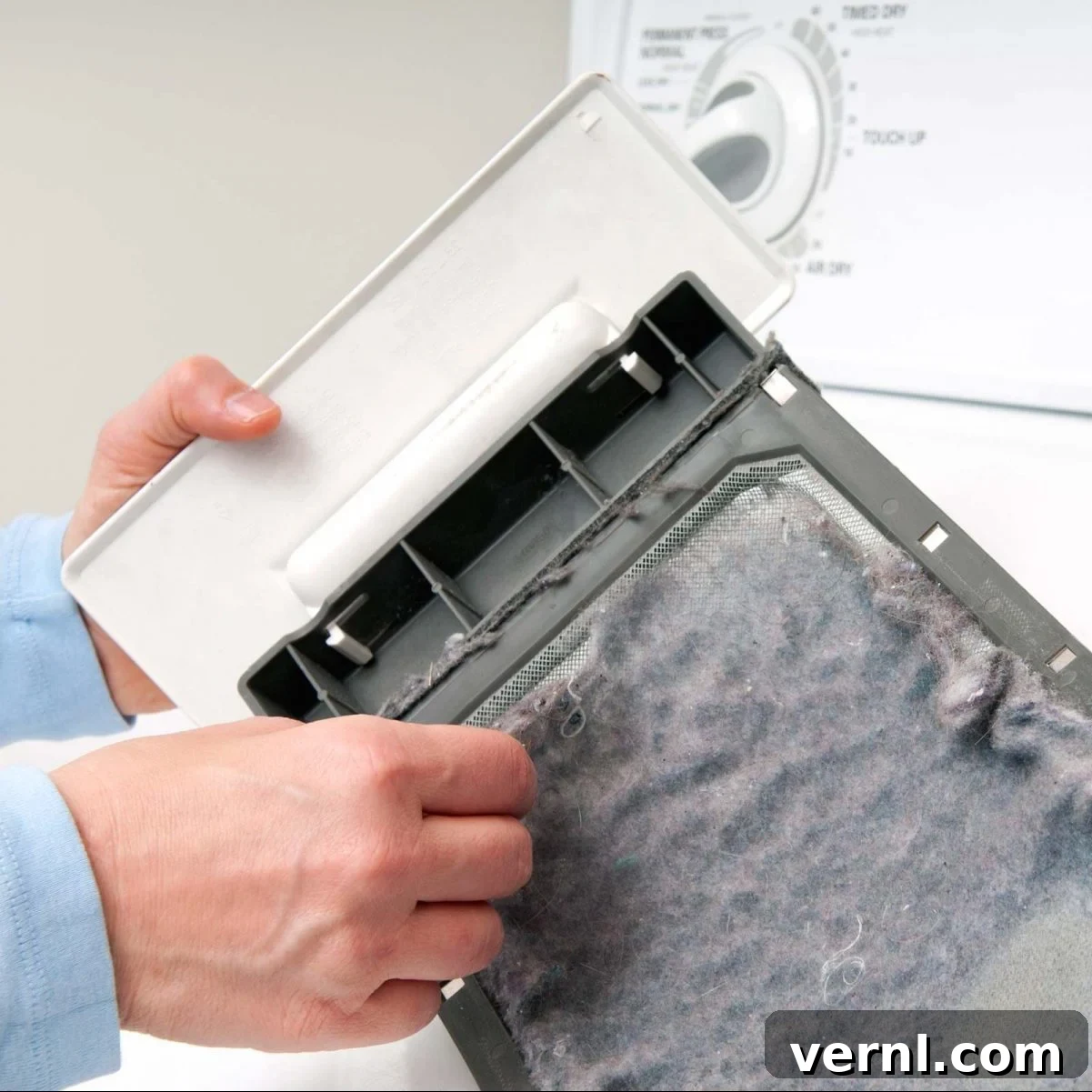
Every laundry day concludes with a small, often overlooked accumulation of fibrous material in your dryer’s lint trap. While its primary association is usually with home safety – and rightly so, as accumulated lint is a significant fire hazard, with the U.S. Fire Administration reporting that a staggering 34 percent of home dryer fires are caused by failing to clean out the dryer regularly – this seemingly insignificant byproduct possesses remarkable untapped potential. Instead of routinely discarding it, especially lint composed of natural fibers like cotton, wool, and linen, you can transform it into a surprisingly versatile resource for various practical and environmentally conscious applications around your home and garden. Embracing these eco-friendly uses not only significantly reduces household waste but also contributes positively to a more sustainable lifestyle. Let’s delve into eight ingenious ways to give your natural fiber dryer lint a valuable second life, turning waste into a resource.

1. Ignite Your Fires: The Ultimate Natural Fire Starter
Perhaps one of the most widely recognized and practical applications for dryer lint is its exceptional ability to serve as an effective fire starter. Its highly flammable nature, which necessitates vigilant cleaning of your dryer to prevent fires, is precisely what makes it an unparalleled tinder. Composed of myriad tiny, dry fibers, lint catches a spark or flame almost instantaneously, making it an ideal material for kindling fires in a variety of outdoor settings. This is particularly advantageous for igniting fires in your backyard fire pit, campfire scenarios during camping trips, or any occasion where reliable ignition is a crucial element.
To effectively prepare your lint for this purpose, simply collect it from your dryer trap after each load of laundry. It is paramount to store it in a sealed, airtight container, such as a glass jar with a tight-fitting lid or a sturdy, re-sealable plastic bag, to meticulously protect it from any moisture. Keeping it completely dry is essential for maximizing its effectiveness as a fire starter. For an even more convenient and self-contained fire-starting solution, consider an ingenious hack: thoroughly stuff empty cardboard toilet paper rolls with a generous amount of lint. These pre-packed rolls are remarkably easy to store, transport, and offer a longer, more sustained flame compared to loose lint, providing your kindling with ample time to catch. For enhanced performance and waterproof capabilities, you can even dip these lint-stuffed rolls into melted wax. Always exercise extreme caution when handling highly flammable materials and ensure that fires are started and maintained strictly within designated, safe, and controlled areas, always keeping appropriate extinguishing methods nearby.
2. Nourish Your Plants: An Eco-Friendly Mulch Alternative
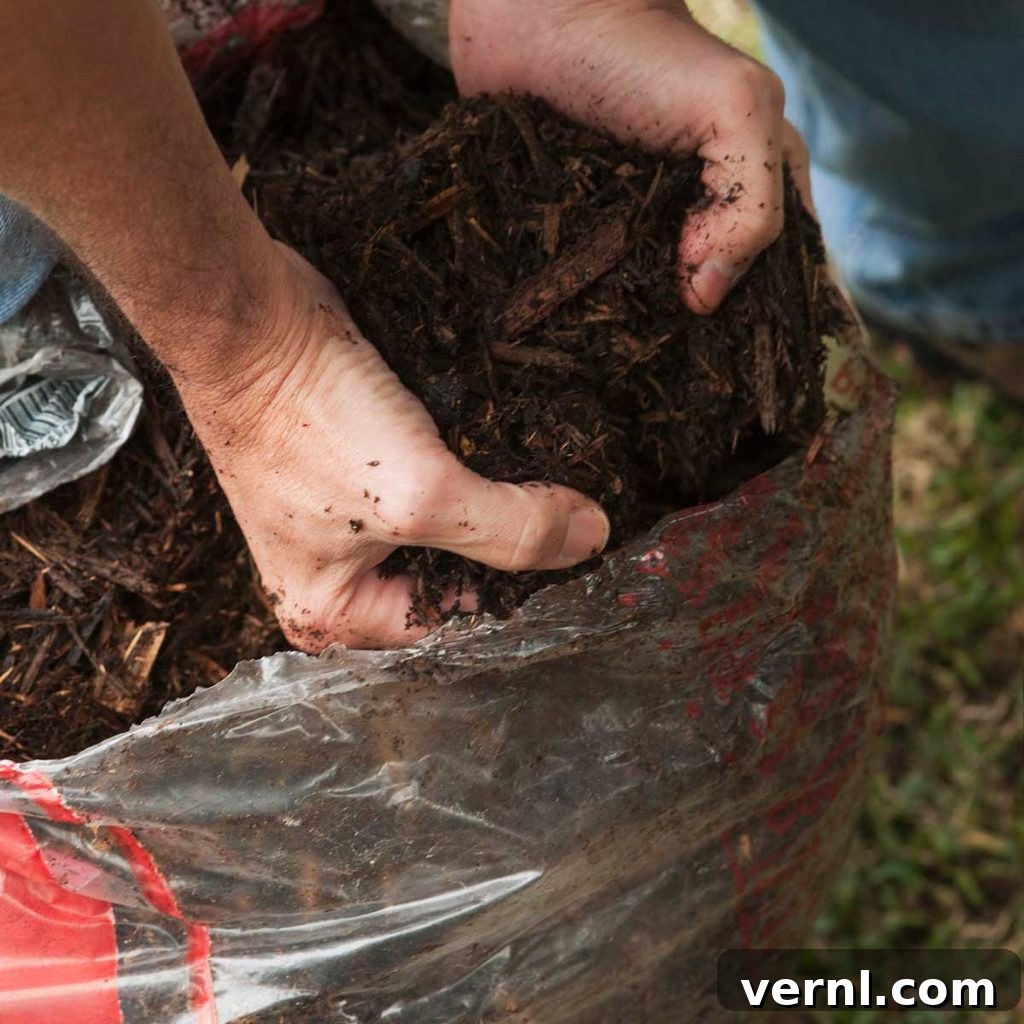
For gardening enthusiasts committed to sustainable practices, dryer lint derived solely from natural fibers can serve as a surprisingly effective and environmentally benign mulch around your potted plants and even in outdoor garden beds. Mulch plays an indispensable role in maintaining optimal soil health, primarily by aiding in moisture retention, regulating crucial soil temperature, and significantly suppressing the growth of unwanted weeds. Dryer lint, especially when it originates from cotton, wool, or other natural, biodegradable materials, offers these manifold benefits without the need for synthetic products or their associated environmental impact.
When considering lint for mulching purposes, it is absolutely vital to ensure that you are not using dryer sheets during your laundry cycles. Dryer sheets frequently contain a cocktail of chemicals and artificial fragrances that can readily leach into the soil, potentially harming your delicate plants or disrupting the soil’s intricate microbial balance. Therefore, this specific application is strictly reserved for lint collected from laundry that has been washed and dried entirely without the use of chemical dryer sheets. To apply, simply spread a thin, even layer of this natural fiber lint around the base of your potted plants or established garden specimens. Over time, it will gradually decompose, subtly enriching the soil with valuable organic matter, while simultaneously reducing water evaporation and effectively keeping unwanted weeds at bay. This method represents an excellent, zero-cost way to give back to your garden, utilizing a material that would otherwise be destined for the landfill, thereby fostering healthier plant growth and conserving precious water resources.
3. Guard Against Erosion: Protecting Your Soil Naturally
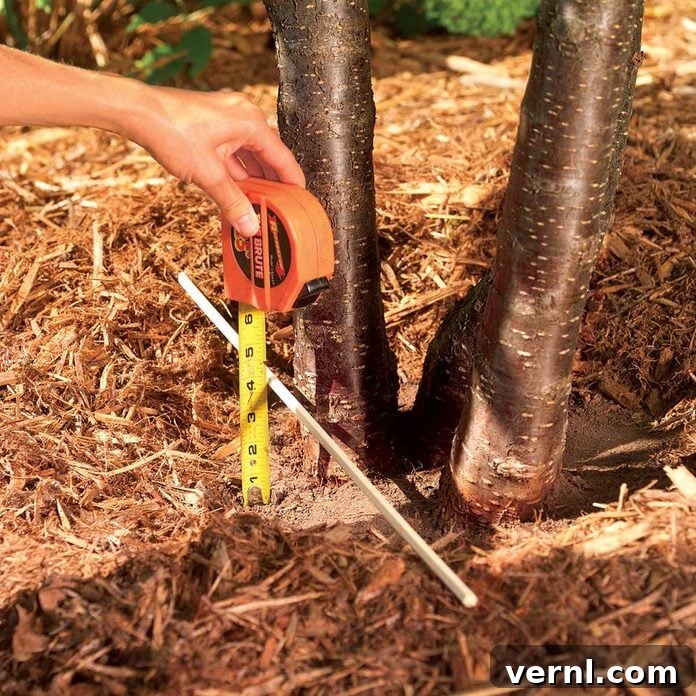
Soil erosion presents a significant and often challenging problem in many gardens and landscapes, particularly on sloped terrains or in areas frequently subjected to heavy rainfall or strong winds. Erosion leads to the regrettable loss of invaluable topsoil, essential plant nutrients, and can ultimately destabilize plants, threatening the integrity of your garden. Remarkably, natural fiber dryer lint can be ingeniously utilized to actively combat this persistent issue. When spread out evenly across the soil surface and gently dampened with water, the lint forms a cohesive, protective mat or barrier that effectively helps to hold the soil in place, thereby significantly preventing erosion.
The intricate fibrous nature of lint allows its individual strands to interlock and bind together, creating a surprisingly stable and lightweight layer that steadfastly resists displacement by the forces of wind or flowing water. This method proves particularly useful for newly planted areas where soil has not yet fully settled, recently disturbed garden beds, or any location where soil stability is a primary concern. While a visible layer of soggy lint might not present the most aesthetically pleasing sight in a meticulously manicured garden, its effectiveness in preventing erosion is undeniably high. If visual appeal is a priority, a clever solution is to use the lint as an unseen underlayer, placing it directly on the soil surface, and then covering it with a more decorative top dressing such as wood chips, bark mulch, or attractive decorative stones. This ingenious and inexpensive technique offers a truly sustainable way to safeguard your precious garden soil, ensuring its health, fertility, and long-term productivity for years to come.
4. Suppress Unwanted Growth: A Natural Weed Barrier
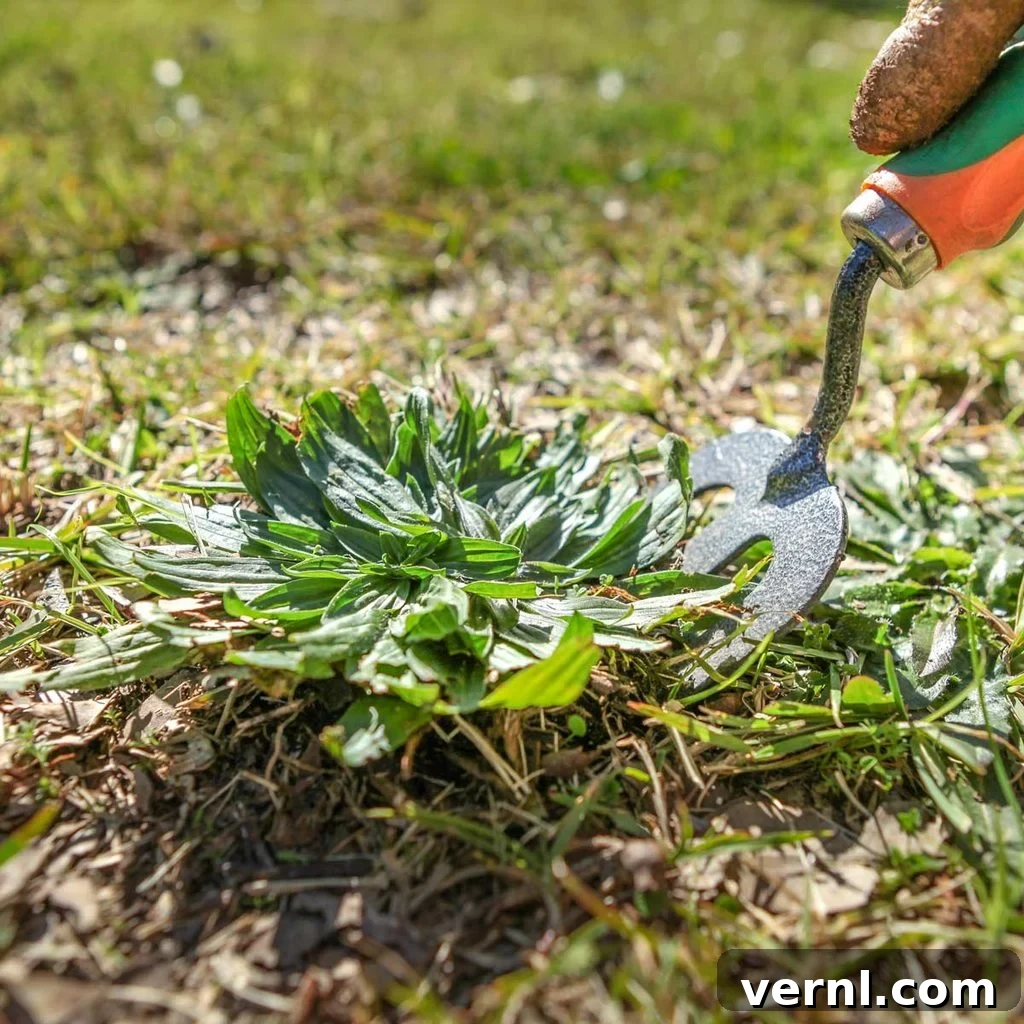
Weeds are an enduring bane for countless gardeners, tirelessly competing with desired plants for vital water, essential nutrients, and crucial sunlight. While numerous commercial landscape fabrics are readily available to tackle this issue, they often come with a significant cost and are frequently manufactured from synthetic, non-biodegradable materials. Dryer lint, particularly when composed of natural fibers, offers a surprisingly effective, budget-friendly, and completely biodegradable alternative to help you achieve a beautifully weed-free landscape without relying on harsh chemicals. Similar to how a thick layer of lint can prevent soil erosion, it can also function as a robust physical barrier against the persistent emergence of weeds.
By carefully laying down a substantial, dense base layer of natural fiber dryer lint in your garden beds, you effectively block essential sunlight from reaching dormant weed seeds and significantly inhibit their ability to sprout, germinate, and ultimately grow. This method operates by simultaneously smothering any existing small weeds and vigilantly preventing new ones from germinating. To seamlessly integrate this into your garden design, simply spread an even and dense layer of lint over the specific areas you wish to keep completely weed-free. For a more polished and aesthetically pleasing finish, cover this underlying lint layer with a decorative mulch, fresh compost, or other complementary landscaping materials. Over time, the natural lint will gradually and naturally break down, safely adding beneficial organic matter to your soil without leaving behind any harmful residues. This method stands as a fantastic example of how to repurpose a common household byproduct for practical, long-term garden maintenance, effectively reducing your reliance on expensive synthetic barriers and potentially harmful chemical weed killers, all while nurturing a healthier garden ecosystem.
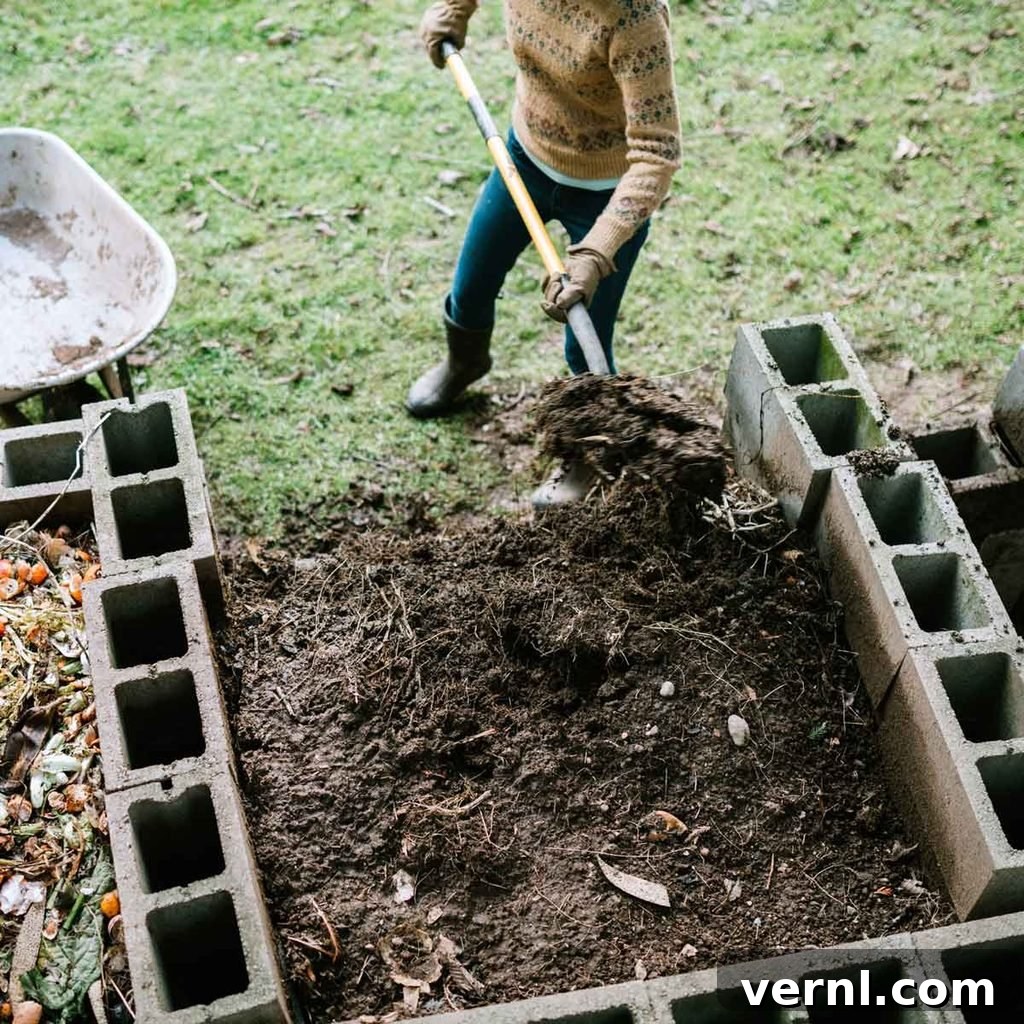
5. Enrich Your Soil: Boosting Your Compost Pile
For individuals dedicated to minimizing waste and actively improving overall soil health, composting stands as a fundamentally vital and highly rewarding practice. This natural process expertly transforms organic waste into a nutrient-rich soil amendment, affectionately known as “black gold.” If your household primarily uses natural fibers for its clothing and linens, your collected dryer lint can become an incredibly valuable and welcome addition to your compost pile. Effective composting relies on achieving a harmonious balance between “greens” (materials rich in nitrogen) and “browns” (materials rich in carbon). Dryer lint, especially when sourced from cotton, wool, or linen, fits perfectly into the “browns” category, providing an excellent and readily available source of carbon.
Incorporating dryer lint into your compost heap plays a crucial role in creating the ideal carbon-to-nitrogen ratio that is absolutely necessary for efficient and robust decomposition. Furthermore, it introduces light, airy material that significantly improves aeration within the pile, a critical factor for the millions of beneficial microbes responsible for diligently breaking down organic matter. When adding lint, it is imperative to ensure it is exclusively from natural fibers and completely free of synthetic materials or any chemical residues that may originate from dryer sheets, as these can severely hinder the composting process and introduce unwanted, potentially harmful substances into your finished compost. Simply mix it in with other ‘brown’ materials such as dry leaves, shredded newspaper, and wood chips. Over time, this lint will naturally and fully decompose, contributing to a rich, dark, and crumbly compost that will nourish your garden plants, improve your soil structure, and boost overall soil fertility. It’s a simple yet profoundly effective way to close the loop on household waste and cultivate a thriving, healthier garden ecosystem, demonstrating a true commitment to ecological balance.
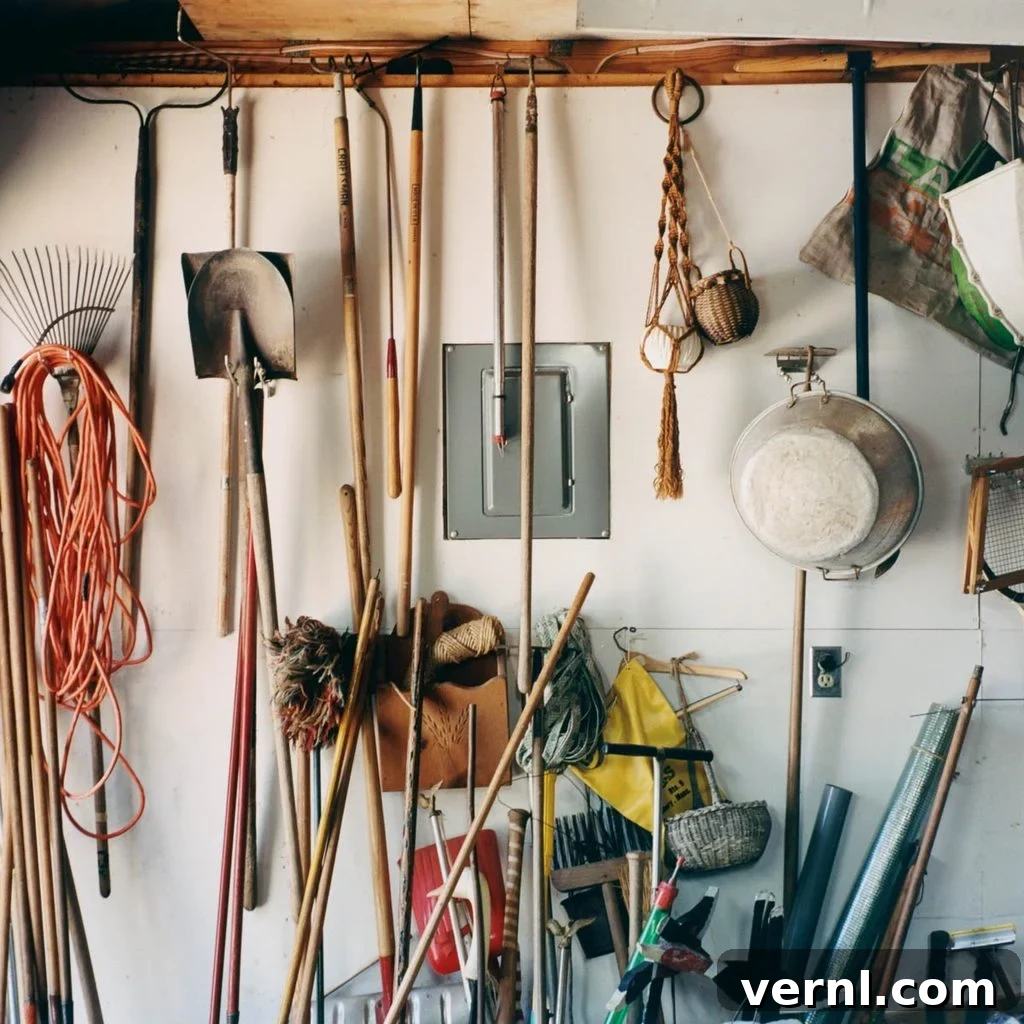
6. Maintain Your Tools: Protection Against Wear and Tear
Gardening tools, various workshop implements, and other items featuring wooden handles or metal components demand regular, diligent maintenance to ensure their long-term longevity, optimal performance, and safe operation. Constant exposure to environmental factors like moisture, air, and the rigors of general use can inevitably lead to undesirable outcomes such as cracking in wooden handles and unsightly rust on metal parts. Dryer lint offers a surprisingly effective and readily available material for the precise application of protective oils, most notably linseed oil.
To effectively utilize lint for tool maintenance, select a small, manageable clump and thoroughly saturate it with linseed oil. Apply this oil-soaked lint to wooden handles, rubbing the oil in deeply and thoroughly. The oil penetrates the wood fibers, conditioning them, actively preventing drying and subsequent cracking, and beautifully restoring the wood’s natural luster and strength. For metal components, first ensure they are impeccably clean and completely dry, then use the oiled lint to meticulously wipe down all metal surfaces. The linseed oil creates a robust, protective barrier that significantly helps to prevent the formation of rust and corrosion, thereby extending the functional life of your valuable tools. Once you have completed the application, a critically important safety step follows: you MUST allow the lint saturated with linseed oil (or any oil-based finish or stain) to dry completely and thoroughly in a well-ventilated area before attempting to dispose of it. Oil-soaked rags or lint can spontaneously combust if not properly dried and discarded, posing a severe and often underestimated fire risk. To ensure safety, spread them flat to dry in a safe, open location, completely away from any flammable materials, before throwing them in the trash. Ideally, dispose of them in a sealed, non-combustible container once fully dry.
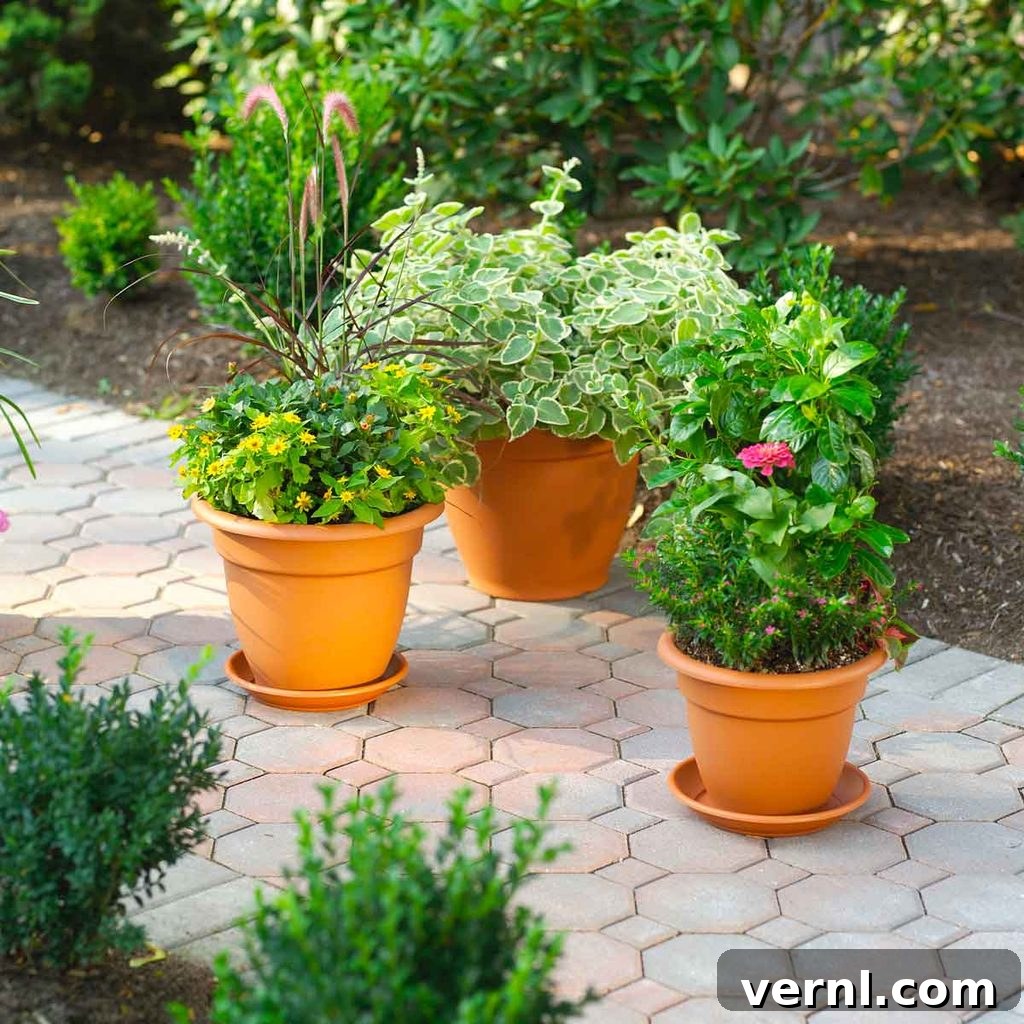
7. Optimize Container Gardening: Liner for Plant Pots
Container gardening has become an increasingly popular and flexible method for introducing vibrant greenery into confined spaces, adorning patios, balconies, or enhancing indoor environments. However, a common and often frustrating challenge encountered by container gardeners is preventing valuable potting soil from washing out through drainage holes, particularly during routine watering. While conventional solutions like coffee filters or mesh screens are frequently employed, dryer lint sourced from natural fibers presents an ingenious, cost-free, and remarkably eco-friendly alternative. By strategically lining the bottom of your plant pots with a thin but effective layer of lint, you can successfully keep the soil contained within the pot while still ensuring efficient and necessary water drainage.
Beyond its primary function of preventing soil loss, this absorbent lint layer serves another distinct and highly beneficial purpose: it acts as a natural blotter. The highly absorbent fibers of the lint will readily soak up any excess moisture that drains through the soil, effectively creating a small, localized reservoir of water at the pot’s base. This judiciously stored moisture can then be slowly and gradually released back into the soil as the plant’s roots naturally require it, providing a consistent, albeit minor, source of hydration. This can prove particularly advantageous for plants that thrive in consistently moist soil conditions, reducing the frequency of watering. However, it is vitally important to note that this container gardening tip is not universally recommended for all plant types. For plants that flourish in dry conditions, such as cacti, succulents, and other drought-tolerant species, this unintended extra moisture retention could be detrimental, potentially leading to root rot. Therefore, always carefully consider the specific watering and drainage needs of your plants before implementing this method. Nevertheless, for many common houseplants, annuals, and thirsty outdoor plants, it can be a fantastic way to conserve water, reduce waste, and improve overall plant health.

8. Clean Up Messes: An Absorbent for Spills
Accidental spills are an inevitable and often unwelcome part of daily life, especially prevalent in dynamic environments such as workshops, garages, or utility areas where oil, grease, paint, or various other liquids are frequently handled. Instead of instinctively reaching for disposable paper towels or expensive shop rags, consider maintaining a conveniently stored jar of natural fiber dryer lint on hand. Its inherently highly absorbent nature makes it an excellent and readily available material for swiftly soaking up diverse types of spills, offering a remarkably cost-effective and environmentally conscious clean-up solution for common household mishaps.
The intricate fibrous structure of lint enables it to rapidly absorb liquids, effectively containing the mess and preventing it from spreading further and causing additional damage. Whether you’re dealing with a few rogue drops of motor oil under the car, a splash of paint during an enthusiastic DIY project, or even an incidental cooking oil spill in the kitchen (though perhaps less aesthetically appealing in that setting), a generous handful of dryer lint can quickly and efficiently tackle the problem. Simply press the lint firmly onto the spill, allowing its fibers to thoroughly soak up the liquid, then carefully gather and dispose of the saturated material. For spills involving hazardous liquids such as automotive oil, chemical solvents, or paints, it is absolutely crucial to dispose of the lint safely and strictly according to local environmental regulations for hazardous waste. By thoughtfully repurposing lint for this practical and immediate use, you not only save money on costly cleaning supplies but also actively divert waste from overburdened landfills, thereby demonstrating another small but profoundly impactful step towards cultivating a more sustainable household. It stands as a handy, ever-available emergency clean-up tool that costs absolutely nothing to acquire.
Embrace Sustainable Living: The Unexpected Value of Repurposed Dryer Lint
From a potential household fire hazard to a surprisingly versatile and valuable resource, dryer lint meticulously collected from natural fibers offers an impressive array of practical and eco-friendly applications around your home, garden, and workshop. By simply collecting and thoughtfully repurposing this common household byproduct, you can actively contribute to waste reduction efforts, realize significant savings on various supplies, and ultimately foster a more sustainable and resource-efficient lifestyle. Whether your goal is to efficiently kindle a campfire, enrich your garden soil with organic matter, diligently protect your valuable tools from wear and tear, or swiftly clean up unexpected spills, the humble lint trap holds far more potential and utility than you might ever have imagined.
It is crucial to remember that the key to safely and effectively utilizing dryer lint for these diverse purposes lies in ensuring its origin from natural fibers (such as cotton, wool, or linen) and confirming it is entirely free from any chemical residues often found in conventional dryer sheets. Always prioritize safety above all else, especially when handling lint as a fire starter or when it has been exposed to potentially flammable oils. By consciously adopting these simple yet profoundly impactful habits, you actively transform what was once unceremoniously considered waste into a valuable and useful asset, making a tangible positive difference for your home, your wallet, and ultimately, our shared planet, one load of laundry at a time. So, the next time you meticulously clean out your dryer, pause and think twice before tossing that lint into the bin – its remarkable second life, brimming with sustainable possibilities, eagerly awaits!