Transform Your Garden: The Ultimate Guide to Effective Garden Bed Edging
You’ve meticulously planned, selected, and nurtured your garden beds, whether by starting plants from seeds or purchasing robust specimens. You’ve watered, weeded, and watched as your greenery began to flourish, promising a beautiful display. But then, an all-too-familiar sight emerges: unwelcome blades of grass and persistent lawn weeds brazenly encroaching on your cultivated spaces. These uninvited intruders threaten to overtake your precious plants, competing for vital nutrients and detracting from your garden’s carefully crafted beauty. The solution to reclaiming your garden’s boundaries and protecting your hard work is surprisingly simple yet incredibly effective: well-installed garden bed edging.
Creating a distinct, physical barrier around your garden beds is your primary defense against invasive plants. Many grass species are aggressive spreaders, utilizing various methods such as producing tillers (new stems with more leaf blades that form off to the side), rhizomes (underground runners), or stolons (above-ground runners) to colonize new ground. Similarly, invasive broadleaf weeds, like the notoriously tenacious creeping Charlie, can spread aggressively, quickly overwhelming a garden bed and even migrating between neighboring yards. This relentless encroachment demands a proactive response, and garden bed edging offers a durable and reliable solution to fight back effectively.
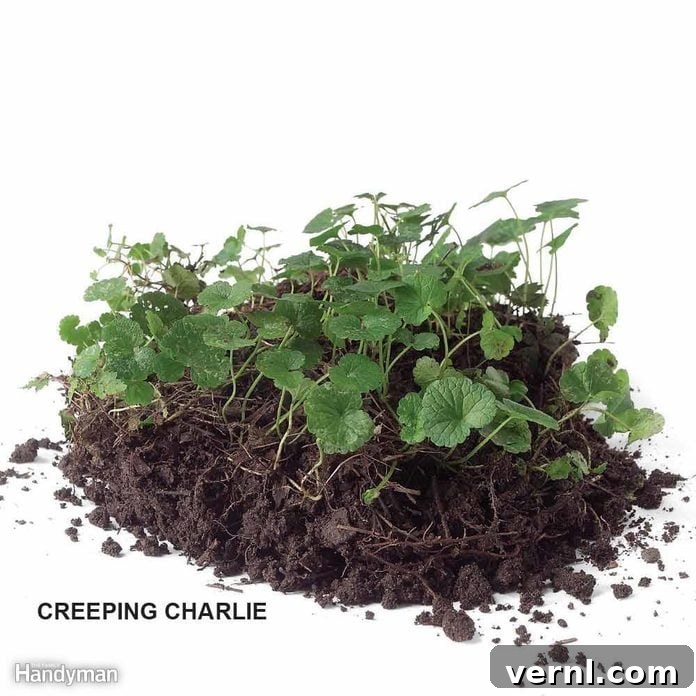
Beyond its crucial role in weed prevention, garden borders also serve a significant aesthetic purpose, providing structure and shape to your outdoor landscape. Linda Vater, a respected garden design expert representing the Southern Living® Plant Collection, highlights this dual functionality: “Garden borders can delineate the landscape into outdoor ‘rooms’ with distinct purposes, designs, and plant palettes.” This means your choice of edging not only protects your plants but also acts as a powerful design element, enhancing the visual appeal and organization of your garden, transforming it into a series of thoughtfully defined and beautiful outdoor spaces.
The Indispensable Benefits of Installing Garden Bed Edging
Implementing effective garden bed edging provides a multitude of advantages that extend well beyond merely keeping the grass out. Let’s delve into the comprehensive benefits of this essential landscape element:
- Robust Weed and Grass Control: This is the most direct and impactful benefit. A properly installed border creates a formidable physical barrier that prevents aggressive grass roots, rhizomes, and stolons, as well as many creeping weeds, from invading your cultivated beds. This significantly reduces the time and effort you spend on manual weeding, allowing your desired plants to flourish without competition for water, nutrients, and sunlight.
- Enhanced Aesthetic Appeal and Definition: Edging provides a clean, crisp line that beautifully separates your garden beds from lawns, pathways, or other landscape features. This clear delineation adds structure, neatness, and a professional, polished look to your garden, significantly boosting its curb appeal and overall visual charm. It transforms chaotic transitions into orderly, intentional spaces.
- Efficient Soil and Mulch Retention: Edging acts as a retainer, keeping valuable garden soil, compost, and mulch contained within the beds. This prevents these crucial materials from washing away during heavy rains or spreading into your lawn, ensuring that your plants consistently benefit from a nutrient-rich environment and a protective mulch layer. It also keeps your garden tidy and reduces waste.
- Simplified Lawn Maintenance: With a clear and firm boundary, mowing and trimming around your garden beds become considerably easier and more efficient. The edging provides a precise guide for your lawnmower, preventing accidental damage to your plants and eliminating the need for painstaking manual trimming along jagged, undefined edges. This saves time and ensures a cleaner finish for your lawn.
- Protection for Delicate Plants: The physical barrier of edging offers a vital shield for plants growing along the perimeter of your beds. It protects them from accidental foot traffic, stray grass clippings, and potential contact with lawn care chemicals, ensuring that your delicate flora remains undisturbed and healthy.
- Increased Property Value: A well-maintained and thoughtfully designed landscape featuring crisp, defined garden edges greatly enhances a property’s curb appeal. This can directly translate into increased property value, making your home more attractive and marketable should you decide to sell in the future. It signals attention to detail and a cared-for outdoor environment.
Optimal Timing for Your Garden Edging Project
While installing garden bed edging can be done at various times, choosing the right season can significantly simplify the process and minimize disturbance to your existing plants. The best times for this DIY project are generally early spring or later in fall. During these periods, your garden plants are typically not in their full bloom cycle or have begun to enter dormancy, making them less vulnerable to accidental damage along the edges. The soil is also often more cooperative—neither frozen solid nor baked hard—which makes digging trenches and installing materials much easier. Avoiding the peak of summer, when plants are at their most robust and sensitive, ensures a smoother, less stressful installation for both you and your garden.
Exploring Popular and Effective Garden Edging Solutions
The market offers a diverse range of materials and methods for edging your garden beds, each with its own set of aesthetic qualities, installation requirements, durability, and cost implications. Here are some of our top choices, designed to help you defeat unwanted grass and weeds while enhancing your garden’s beauty:
1. Metal Garden Edging: Understated Elegance and Lasting Resilience
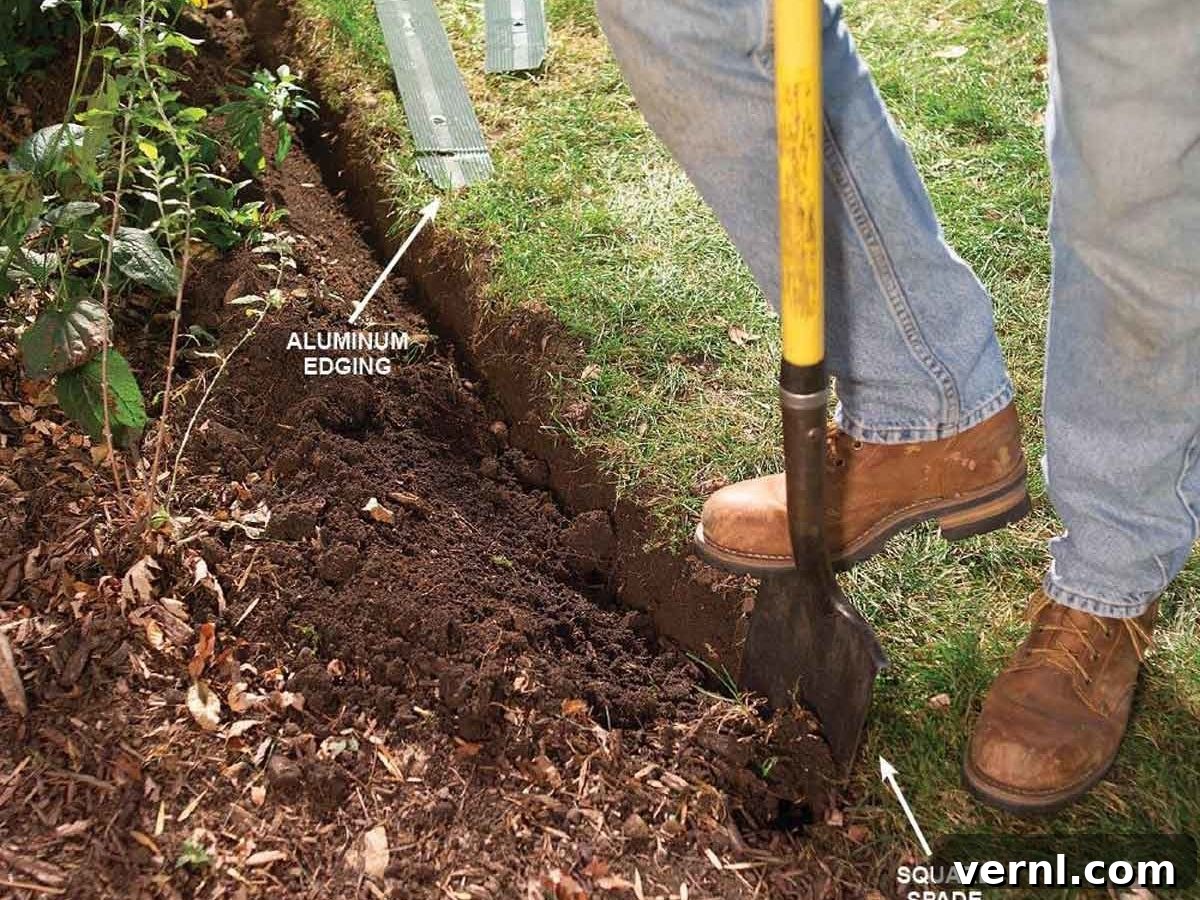
Metal garden edging is renowned for its ability to create a subtle yet distinct line between your lawn and garden. It offers a modern, minimalist aesthetic that allows the natural beauty of your plants to take center stage, while still performing its essential function as a barrier. When choosing metal, we highly recommend aluminum over steel. Aluminum boasts several superior qualities: it is significantly lighter, making it much easier to handle, cut, and shape for intricate designs. Despite its lighter weight, aluminum is surprisingly stiff and holds its form exceptionally well once installed. Most importantly, aluminum is inherently rust-proof and highly resistant to corrosion, ensuring that your edging will maintain its clean appearance and structural integrity for decades without requiring ongoing maintenance like painting or rust treatment. It’s an ideal choice for a sophisticated, long-lasting garden border.
2. Concrete and Brick Pavers: Classic Durability and Versatile Style
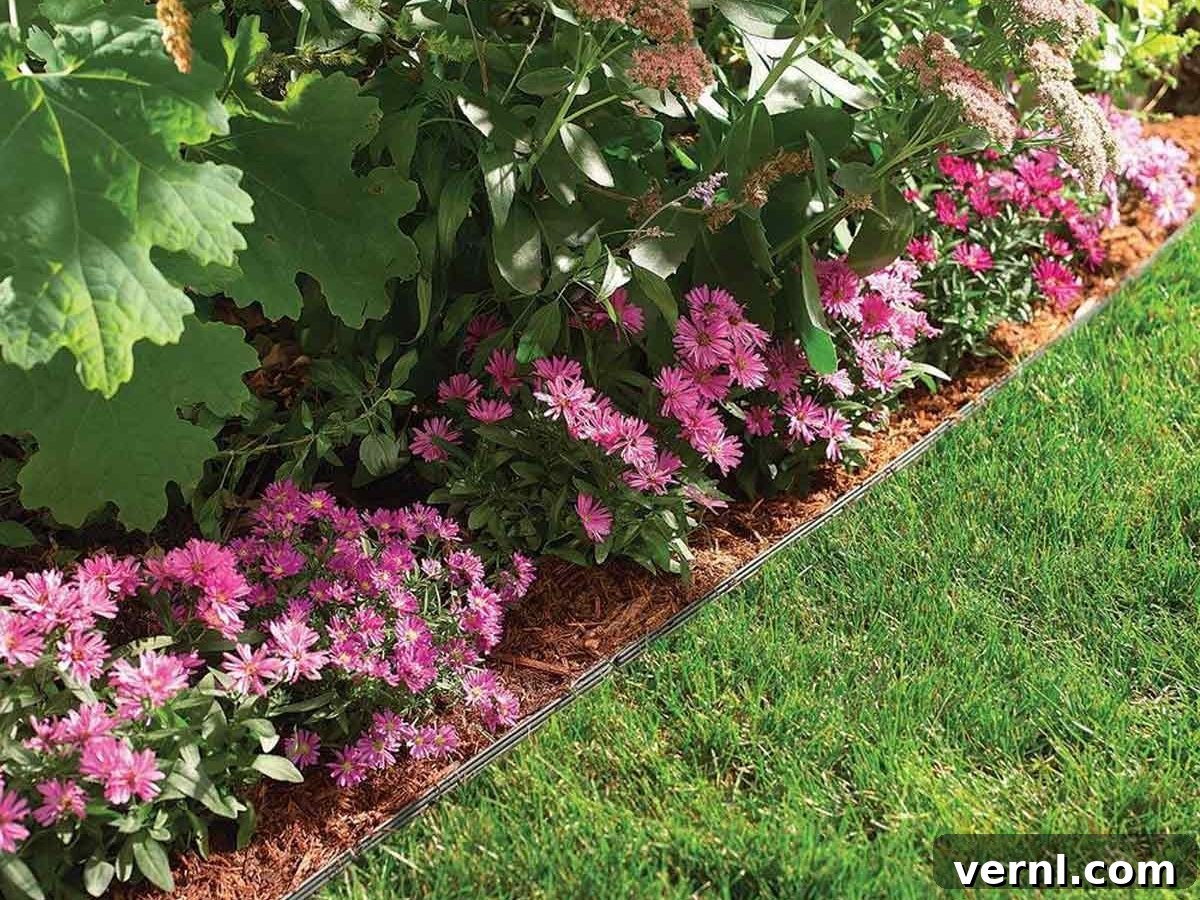
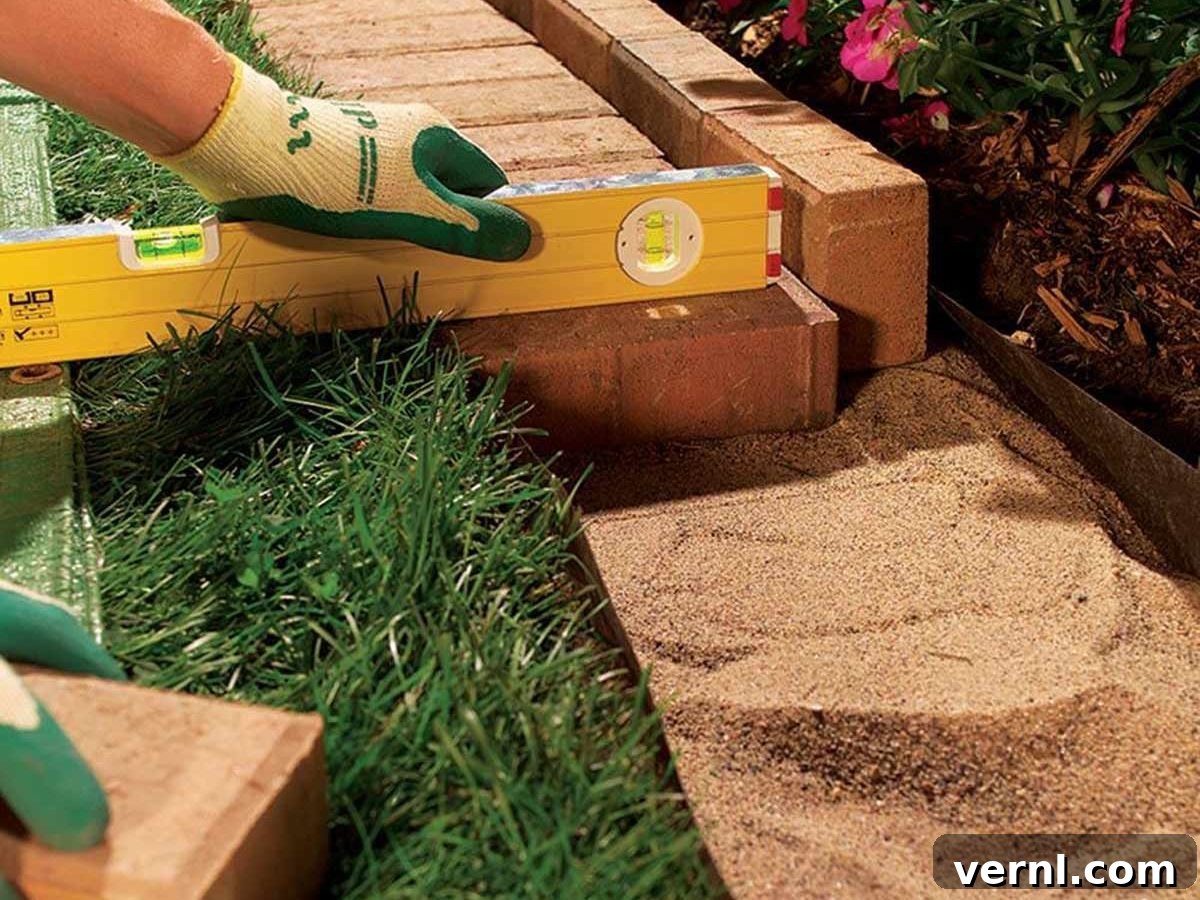
For a solution that combines unparalleled durability with timeless appeal, concrete and brick pavers are an excellent choice. These materials are exceptionally effective against grass creep and the deep roots of many weeds, forming a solid, impenetrable barrier. Their weight and density mean they stay firmly in place, providing a reliable long-term solution. Pavers come in an expansive variety of colors, textures, and shapes, offering immense design flexibility to match or complement any architectural style or garden aesthetic, from rustic cottages to contemporary estates. When installed correctly, typically on a well-prepared, compacted gravel and sand base, and often secured with a concrete haunch, paver edging will last for an incredibly long time, resisting weather, foot traffic, and the relentless advance of unwanted plants, making it a truly permanent and elegant landscape feature.
3. Raised Bed Borders: Adding Architectural Interest and Superior Protection
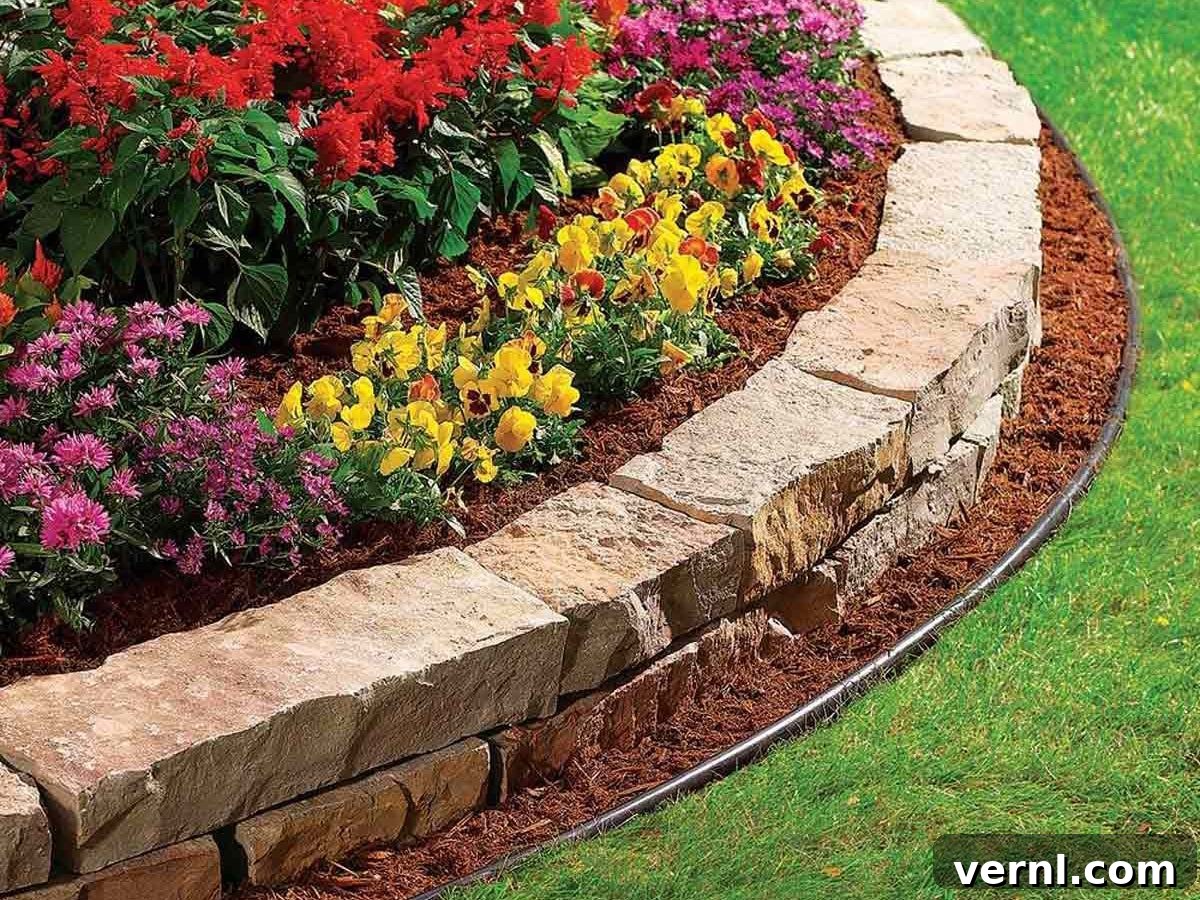
Creating a raised bed border essentially involves building a low wall around your garden bed, elevating it above the surrounding ground level. This technique adds significant architectural depth, visual texture, and a sense of permanence to your landscape. By lifting the garden bed, you inherently create a formidable physical barrier that unwanted plants and grass runners find incredibly difficult to surmount. Beyond superior weed prevention, raised beds offer several practical benefits: they improve soil drainage, which is crucial for many plants; they make gardening tasks more ergonomic by reducing the need to bend excessively; and they allow for the creation of unique soil mixes tailored to specific plant needs. Materials for raised borders can range from natural stone, reclaimed timber, concrete blocks, or even pre-fabricated kits, providing endless design possibilities to perfectly integrate with your garden’s overall theme.
4. Plastic Edging: Cost-Effective and Flexible Functionality
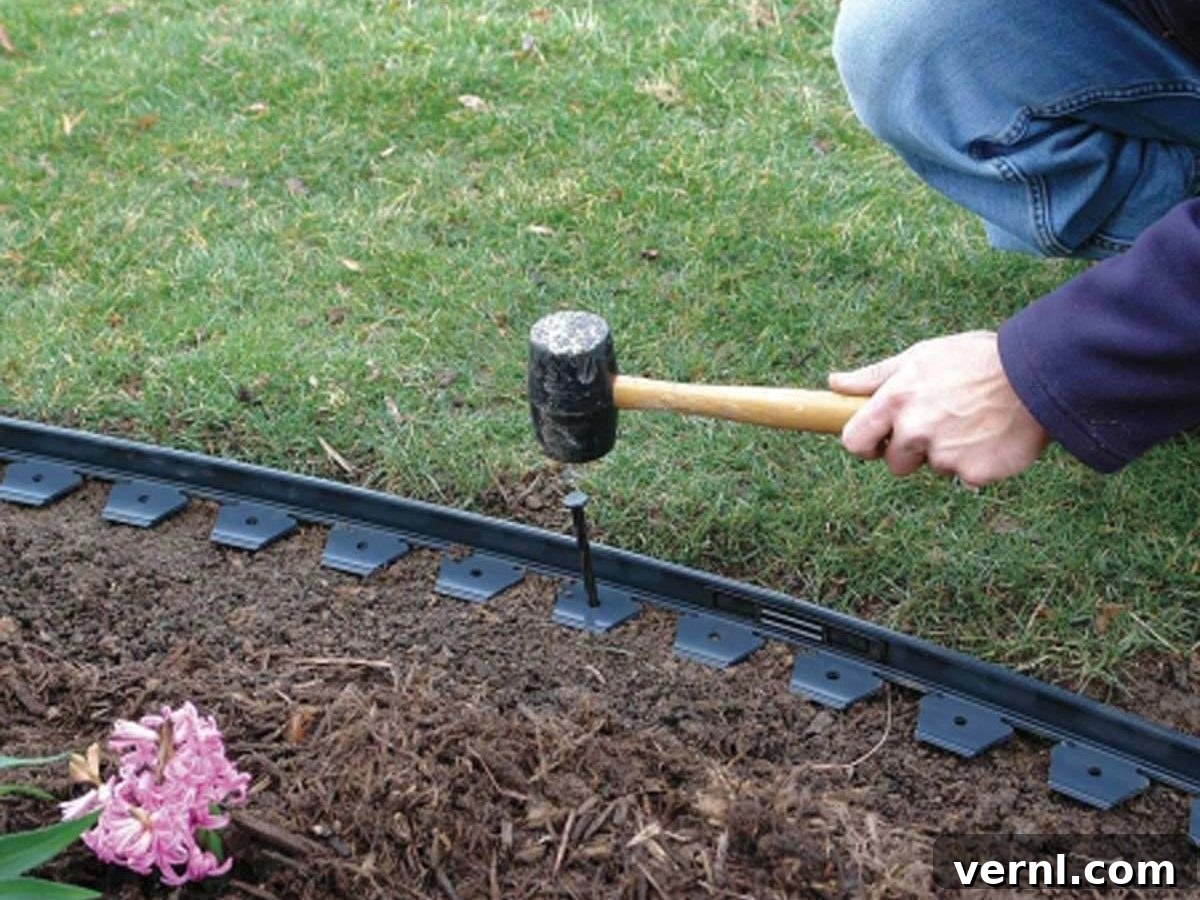
Photo: Courtesy of Sustainable Supply
Plastic edging often gets a mixed reputation, largely due to poor installation techniques that can result in an unattractive and ineffective border. However, when installed correctly and properly maintained, modern plastic edging offers a highly functional, remarkably flexible, and budget-friendly solution for delineating garden beds. Its inherent flexibility makes it an excellent choice for creating smooth curves and intricate designs that might be challenging with more rigid materials. Installation is typically straightforward, often involving simply digging a shallow trench and securing the plastic strip with stakes, making it a popular DIY option. While not offering the same visual impact or long-term durability as metal or stone, many contemporary plastic edgings are made from recycled materials, presenting an eco-conscious choice. The key to its success lies in burying it deeply enough to prevent grass roots from creeping underneath and ensuring the visible top edge is consistently level and well-maintained to avoid a flimsy appearance. Regular checks for damage and timely repairs will ensure it performs well for many seasons.
5. Trench Edging: The Natural, Invisible Barrier
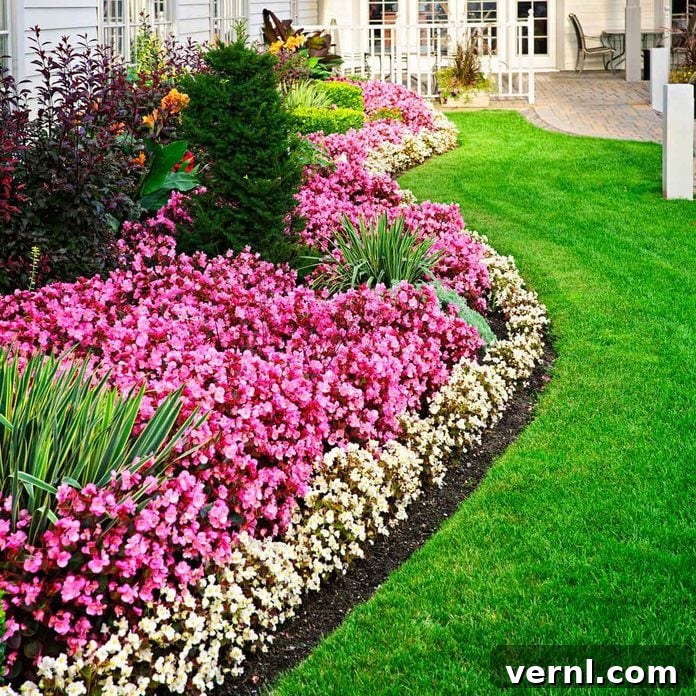
For gardeners who prefer a discreet, almost invisible boundary, trench edging with mulch borders presents an elegant and natural solution. This method involves digging a V-shaped trench, typically 4 to 6 inches deep and wide, directly along the perimeter of your garden bed. This physical depression creates a barrier that grass roots and surface runners find exceptionally difficult to traverse, effectively separating the lawn from your garden. The trench itself can be left empty and regularly maintained, or it can be filled with a contrasting material such as decorative gravel, bark mulch, or pine needles. This “invisible” edge allows your lawn and garden to transition seamlessly, giving the appearance of a natural border without any artificial elements. While it requires more frequent maintenance to keep the trench clean and defined, trench edging is arguably the least noticeable yet highly functional way to deter pesky weeds and grass from invading your cherished cultivated spaces, perfect for a naturalistic garden design.
6. Living Plant Borders: Green Edges with Enduring Charm
An increasingly popular and aesthetically rich option is to create a natural border using carefully selected living plants. As Linda Vater notes, evergreen plants like boxwood are a fantastic choice: “This low-maintenance landscape classic earns its widespread appeal as a garden border plant for good reason: it’s evergreen, attractive, and available in a range of sizes and growth habits.” Boxwood, when regularly trimmed, provides a formal, manicured edge, while less frequent pruning can create a softer, more organic boundary. Other excellent choices for robust living borders include fragrant rosemary, which offers both culinary benefits and a dense growth habit, and Japanese holly, known for its compact size, dense foliage, and adaptability to various conditions. These living borders, when strategically planted and maintained, not only create an effective physical barrier against encroachment but also add another layer of texture, color, and sometimes delightful fragrance to your garden, evolving beautifully with your landscape season after season.
General Tips for Successful Garden Edging Installation
Regardless of the type of garden edging you select, adhering to a few fundamental principles will ensure a successful, durable, and aesthetically pleasing installation:
- Thorough Planning and Layout: Before breaking ground, use a garden hose, rope, or spray paint to outline the exact shape of your garden beds. Step back and observe the layout from various angles to ensure curves are graceful and lines are harmonious with your landscape. This crucial step prevents rework.
- Meticulous Site Preparation: Begin by thoroughly clearing the perimeter of your garden beds from all existing weeds, grass, and debris. Dig a trench that matches the recommended depth and width for your chosen edging material. For heavier options like concrete or brick pavers, ensure a well-compacted base of gravel and sand for stability and drainage.
- Accurate Measurement and Material Acquisition: Carefully measure the total linear feet of all your garden beds to calculate the exact amount of edging material needed. It’s always a wise practice to purchase a small percentage extra (typically 5-10%) to account for cuts, potential mistakes, or future repairs.
- Achieve Precise Levelness: A perfectly level border is essential for a professional appearance and optimal functionality. Utilize a string line and a spirit level to ensure your edging is installed at a consistent height and perfectly horizontal. This is particularly vital for rigid materials like metal, brick, and concrete.
- Secure Installation: Always follow the manufacturer’s specific instructions for securing your chosen edging material. This may involve hammering in anchoring stakes, using connection pins, or applying mortar for more permanent installations. Proper securing is critical to prevent shifting, gapping, and maintaining the barrier’s effectiveness over time.
Maintaining Your Garden Edging for Lasting Beauty and Effectiveness
Once your garden edging is installed, a small amount of routine maintenance will ensure it remains pristine, functional, and continues to enhance your landscape for years to come. Regularly sweep or brush away any leaves, soil, or debris that accumulates on top of the edging to keep it looking clean and sharp. Periodically inspect the entire length of your border for any signs of shifting, damage, or instances where persistent weeds or grass might be attempting to break through the barrier, especially with more flexible options like plastic. For trench edging, schedule a re-digging and re-definition session typically once or twice a year to maintain its crisp V-shape and effectiveness. Living plant borders, of course, will require regular pruning and shaping to maintain their desired form and density, ensuring they continue to serve as both an attractive and robust barrier. With this minimal ongoing care, your chosen garden edge will diligently protect and beautify your outdoor spaces.
Frequently Asked Questions About Garden Edging
What’s the easiest type of edging for a DIY enthusiast to install?
For do-it-yourself gardeners, “no-dig” or “stake-in” types of edging are generally the simplest and quickest to install. These are commonly made from flexible materials such as recycled plastic, rubber, or lightweight aluminum. They typically come in rolls or interlocking sections and are secured by hammering spikes or stakes into the ground, requiring minimal trenching or specialized tools. Their ease of installation makes them perfect for beginners or those seeking a fast, effective solution.
How do I choose the best type of edging for my specific garden?
Selecting the ideal edging for your garden involves considering several factors. First, your budget: plastic and rubber are typically the most affordable, while metal, concrete, and natural stone represent a higher initial investment but offer superior longevity. Second, the desired aesthetic: do you prefer a modern, sleek look (metal), a classic charm (brick/concrete), a rustic feel (timber), or a natural, almost invisible boundary (trench or living plants)? Third, your maintenance commitment: some options like trenching require more frequent re-definition, whereas solid materials are largely set-it-and-forget-it. Finally, consider your climate and soil conditions, and the aggression level of the weeds you’re battling; a more robust barrier might be necessary for pervasive grass species.
Can garden edging completely prevent all types of weeds?
While garden edging is exceptionally effective at preventing invasive grasses and creeping weeds (those that spread via roots or runners) from encroaching into your beds from the lawn, it typically cannot prevent airborne weed seeds from landing and germinating within the garden bed itself. For comprehensive weed control, edging should be part of a broader strategy that includes applying a thick layer of mulch, ensuring proper plant spacing to shade out weeds, and occasional hand-weeding within the beds. Edging significantly reduces the overall weed burden, making internal weed management much more manageable.
How deep should garden edging be installed for optimal effectiveness?
The optimal installation depth for garden edging depends on the material chosen and the aggressiveness of the plants you aim to contain. For most common lawn grasses and surface-spreading weeds, an edging that extends approximately 2-4 inches below the soil surface and 1-2 inches above ground level is usually sufficient. However, for highly aggressive rhizomatous grasses or to create a more substantial, long-term barrier, burying the edging 4-6 inches deep might be necessary. Always consult the manufacturer’s specific recommendations for the product you are using.
Is installing garden edging truly worth the investment of time and money?
Absolutely, garden edging is a highly worthwhile investment for nearly any homeowner or gardener. Its primary benefit is the significant reduction in maintenance time by effectively preventing grass and weeds from invading your garden beds, saving countless hours of manual weeding. Beyond practicality, it dramatically improves the aesthetic appeal and curb appeal of your property, bestowing your garden with a professional, tidy, and intentional look. Moreover, it aids in containing valuable soil and mulch, contributing to a healthier and more efficient garden ecosystem. Over time, the accumulated savings in labor and the enhanced beauty make it a smart and beneficial addition to any landscape design.
About the Experts
Linda Vater is a distinguished garden design expert, proudly representing the Southern Living® Plant Collection. Her invaluable insights are instrumental in guiding gardeners to create structured, beautiful, and thriving outdoor spaces.