
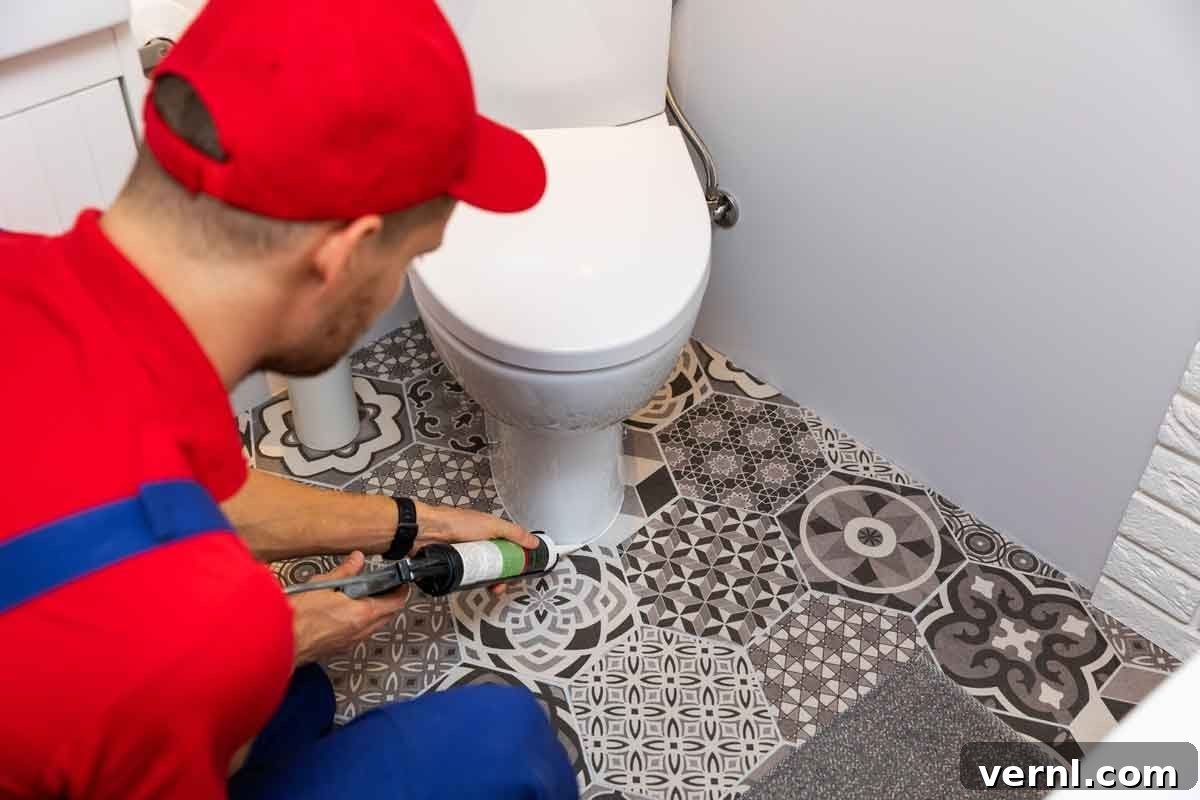
Should You Caulk Your Toilet to the Floor? The Definitive Answer
Discover the benefits of caulking your toilet to the floor, from preventing unpleasant odors to ensuring stability. Get the facts and make an informed decision for your bathroom.
The seemingly simple question of whether to caulk a toilet to the floor has sparked considerable debate among homeowners, plumbing professionals, and DIY enthusiasts. Is it a necessary step, or is it best left undone? The truth is, caulking your toilet to the floor is a smart and recommended practice. This article will explore the reasons behind this recommendation, providing clarity and addressing common misconceptions.
Does Caulking Prevent Leaks?
A central point of contention in this discussion revolves around the potential for leaks. Some individuals believe that *not* caulking a toilet allows for easier detection of leaks. The argument goes that without caulk, any water leaking from the toilet will immediately be visible, alerting the homeowner to a problem.
However, this is a misconception. Toilets typically don’t leak *onto* the floor in a way that’s easily noticed. Leaks often occur beneath the toilet, potentially causing damage to the subfloor, ceiling below, or other areas. Therefore, the absence of caulk won’t necessarily make a leak immediately obvious.
It’s important to understand the primary function of caulk in this context. Rather than serving as a leak detector, it provides several other important advantages. Addressing leaks involves proper repair, not simply observing where water might appear.
The Real Reasons to Caulk Your Toilet
Caulking a toilet to the floor serves two primary, crucial purposes that significantly benefit your bathroom and home:
1. Prevents Unpleasant Odors
Bathrooms, while intended for cleanliness, can sometimes become repositories for unwanted odors. Without a proper seal, the space between the toilet base and the floor can become a breeding ground for unsavory smells. This can result from:
- Spilled water from cleaning.
- Moisture from showers or tubs.
- Potential seepage from plumbing issues.
Caulk acts as a barrier, sealing off this vulnerable area and preventing odors from permeating your bathroom. This contributes significantly to a more pleasant and hygienic environment.
2. Provides Stability and Safety
Perhaps the most important benefit of caulking a toilet is the added stability it provides. Your toilet is a fixture that experiences regular use, and over time, it may shift or rock slightly. Caulk plays a critical role in keeping your toilet firmly anchored to the floor, preventing any unwanted movement.
Here’s why stability matters:
- Injury Prevention: A wobbly toilet poses a significant safety risk. It could lead to someone losing their balance or the toilet tipping over.
- Structural Integrity: Movement can strain the connections of the toilet to the plumbing, potentially leading to leaks or damage over time.
- Code Compliance: The International Plumbing Code, the standards most plumbing systems adhere to, *requires* caulking to ensure stability.
By caulking your toilet, you’re investing in the longevity of your bathroom fixtures and the safety of everyone in your home.
How to Caulk Your Toilet Effectively
Caulking a toilet is a relatively straightforward DIY task, but it’s important to do it correctly for optimal results. Here’s a brief overview:
- Preparation: Clean the area thoroughly. Remove any old caulk and clean the floor and the base of the toilet. Allow it to dry completely.
- Caulk Selection: Choose a high-quality, mold-resistant caulk specifically designed for bathrooms. Silicone caulk is often a good choice.
- Application: Apply a smooth, even bead of caulk around the base of the toilet, ensuring a complete seal.
- Finishing: Use a caulk finishing tool or your finger (dipped in soapy water) to smooth the caulk and remove any excess.
- Drying: Allow the caulk to dry completely according to the manufacturer’s instructions before using the toilet.
Debunking Common Concerns
Let’s address some frequent questions and concerns surrounding caulking a toilet:
- “Will caulk trap water and cause damage?” As explained earlier, toilets leak below, not directly onto the floor. Proper caulking prevents water from entering the space and causing problems.
- “Won’t caulk make it harder to detect a leak?” The purpose of caulking isn’t to detect leaks but to prevent problems stemming from them. Regular inspection of your toilet and plumbing is the best way to catch leaks early.
- “Is it really necessary?” Yes! The International Plumbing Code requires it for a reason: safety and hygiene.
Conclusion: Caulk It Up!
In conclusion, caulking your toilet to the floor is a practical and beneficial practice that offers numerous advantages. It prevents unpleasant odors, ensures stability, and contributes to the overall safety and hygiene of your bathroom. While the debate might continue, the evidence is clear: caulking your toilet is a smart choice for any homeowner.
Following the simple steps outlined above, you can easily caulk your toilet and enjoy the peace of mind that comes with a secure, clean, and odor-free bathroom.