
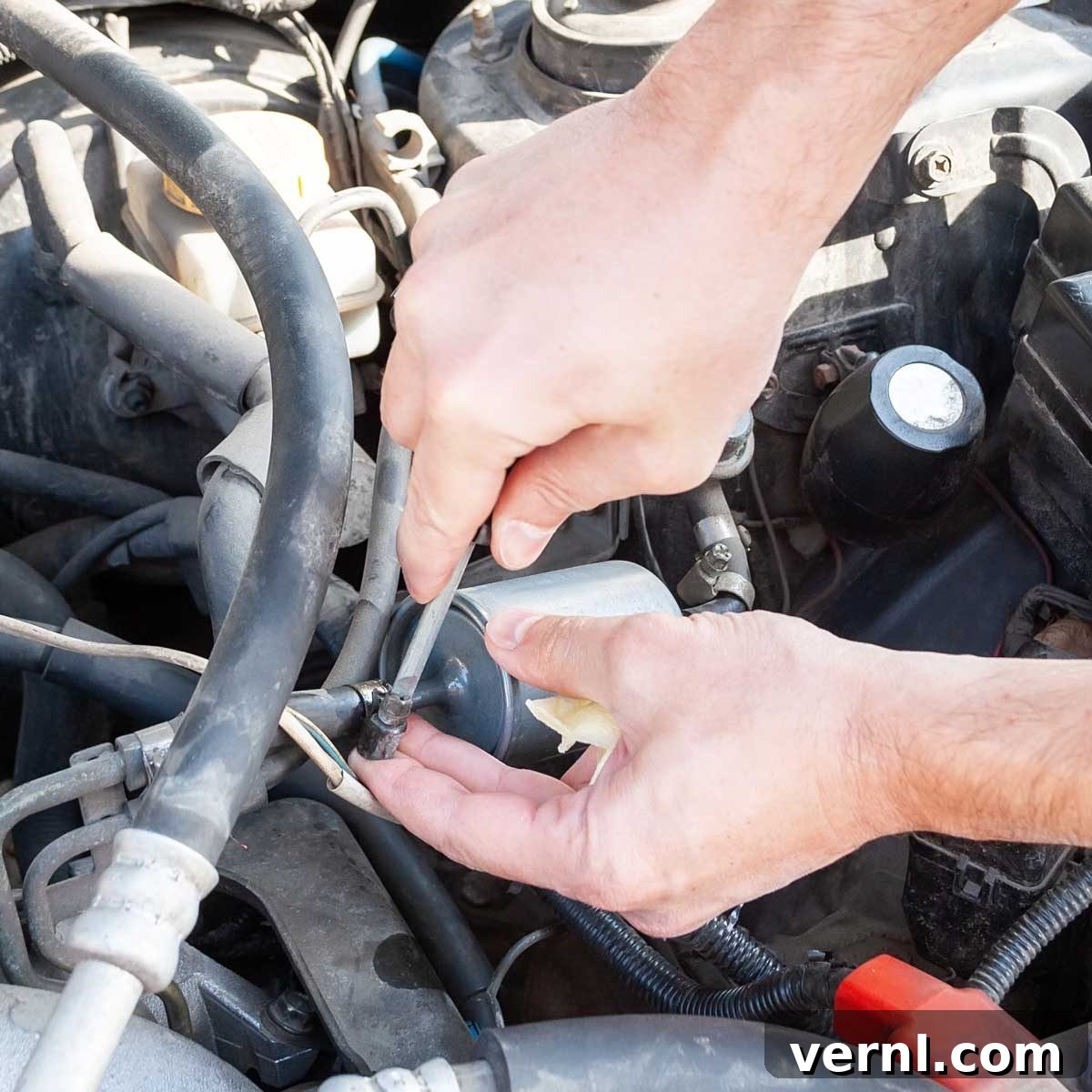
Fuel Filter Problems: Unveiling the Silent Culprit Behind Engine Woes
Often overlooked, the fuel filter plays a crucial, yet unsung role in your vehicle’s health. This small component is a frontline defender, safeguarding your engine from the detrimental effects of contamination. Neglecting your fuel filter can lead to a cascade of issues, impacting your car’s performance and potentially leading to costly repairs. This guide explores the signs of a failing fuel filter and provides insights on how to maintain a healthy fuel system.
The Fuel Filter: A Tiny Guardian
Most vehicles are equipped with two primary fuel filters. One is typically located within the fuel tank, often referred to as a fuel strainer. The other sits in the fuel line. Both are designed to capture contaminants before they reach critical engine components.
Fuel filters are constructed from specialized materials, usually plastic or pleated paper. Their primary function is to trap dirt, rust, scale, and other impurities that might be present in the fuel. By preventing these contaminants from entering the fuel pump, fuel injectors, and the engine itself, the fuel filter ensures the smooth and efficient operation of your vehicle. This filtration process is crucial because it directly influences your car’s fuel efficiency, engine lifespan, and overall performance.
Fuel filters are rated in microns, with a micron being a mere .001mm. To put this in perspective, a human hair is roughly 70 microns wide. Modern vehicles with fuel injection systems often use filters rated between 10 and 30 microns. The tight tolerances of modern engines mean that even minute particles can cause significant problems. When a fuel filter fails, contaminants can bypass the filter and cause blockages in the injectors, interrupting the fuel supply and potentially leading to engine damage.
5 Warning Signs of a Bad Fuel Filter
Your engine will often try to alert you when your fuel filter is struggling. Recognizing these symptoms can save you from more extensive and expensive repairs down the road. Here are the most common indicators that your fuel filter needs attention:
1. Poor Engine Performance
One of the most immediate signs of a clogged fuel filter is a noticeable decline in engine performance. Under heavy loads, such as when accelerating or climbing a steep hill, a clogged filter may cause the engine to hesitate, surge, or sputter. You might experience a loss of power during acceleration, as the engine struggles to get the necessary fuel supply. While the symptoms may be less noticeable under normal driving conditions, a clogged filter will starve the engine of the extra fuel needed during hard acceleration. Depending on the severity of the restriction, the engine may also shake or stutter at different speeds.
2. Hard Starting
Although a totally blocked fuel filter can prevent your engine from starting, a bad filter will rarely completely stop the engine from starting. However, a dirty filter can cause erratic fuel flow, resulting in longer-than-usual cranking times before the engine starts. This is a clear indicator that the engine is struggling to receive fuel efficiently. If you notice your car takes longer to start than usual, it’s worth considering the state of your fuel filter. Refer to your owner’s manual for recommended filter replacement intervals.
3. Stalling
Engine stalling is a serious symptom that often points directly to fuel delivery issues. An engine that repeatedly stalls while driving could be a warning sign of a dirty fuel filter. Initially, the car might restart without any apparent loss of power. However, as the clog worsens and fuel delivery becomes increasingly erratic, stalling becomes more frequent, particularly during acceleration. This indicates the filter is approaching complete blockage, making immediate replacement essential.
4. Random Misfire or Rough Idle
A clogged fuel filter can lead to low fuel pressure, resulting in a lean fuel condition and engine misfires. This means the engine isn’t getting the right fuel-to-air mixture. This can manifest as poor fuel mileage, rough idling, and the illumination of the check engine light. The rough idling is due to the engine trying to compensate for the inconsistent fuel delivery. If the check engine light comes on, it’s time to visit a mechanic or auto parts store to have the error codes read. This diagnostic step can help confirm if the fuel filter is indeed the root cause of the problem.
5. Fuel System Part Failures
A restricted fuel filter can put excessive strain on your fuel pump, leading to premature failure or noisy operation. When the fuel filter is blocked, the fuel pump has to work harder to push the fuel through, increasing the risk of it overheating and failing. Contaminants that bypass a dirty filter can also damage or clog fuel injectors. Replacing a dirty fuel filter and servicing or flushing the injectors should restore proper fuel flow, resolve performance issues, and prevent further damage.
Fuel Filter Replacement: A DIY Guide
Replacing your fuel filter is a manageable task for many car owners. However, safety precautions are paramount. The in-line fuel filter is usually the easiest to access. Before you begin, ensure the engine is completely cool. Gather the necessary tools, including the correct size wrenches, new fuel filter, and any required O-rings or seals. Most importantly, relieve the fuel system pressure to prevent fuel from spraying. Locate the fuel pump fuse in your owner’s manual, remove it, and run the engine until it shuts off. This step is critical for safety.
When replacing the filter, take care to replace all O-rings, gaskets, and seals. Check the mounting brackets and ensure the retaining clips are correctly reinstalled. After installation, carefully inspect the connections for any leaks. Replacing your fuel filter regularly is a small price to pay for maintaining optimal engine performance and preventing costly repairs.
Beyond the Filter: Fuel System Considerations
While a faulty fuel filter is often the primary suspect, other factors can also contribute to engine power loss and drivability problems. However, it’s always a good practice to check the condition of your fuel filter first, as it’s an inexpensive and relatively easy fix. Regular maintenance, including timely fuel filter replacement, will ensure your fuel system remains clean and efficient, contributing to the longevity and performance of your vehicle.
Preventative Measures
To maximize the lifespan of your fuel filter and maintain a healthy fuel system, consider these preventative measures:
- Follow the Manufacturer’s Recommendations: Adhere to the fuel filter replacement intervals specified in your vehicle’s owner’s manual.
- Use Quality Fuel: Fill up at reputable gas stations that maintain their storage tanks and provide clean fuel.
- Address Symptoms Promptly: Don’t ignore the warning signs of a clogged fuel filter. Address any engine performance issues immediately.
- Regular System Checks: Have your fuel system inspected during routine maintenance appointments.
By understanding the importance of your fuel filter and implementing these simple strategies, you can prevent many fuel-related issues and ensure your vehicle runs smoothly for years to come.