
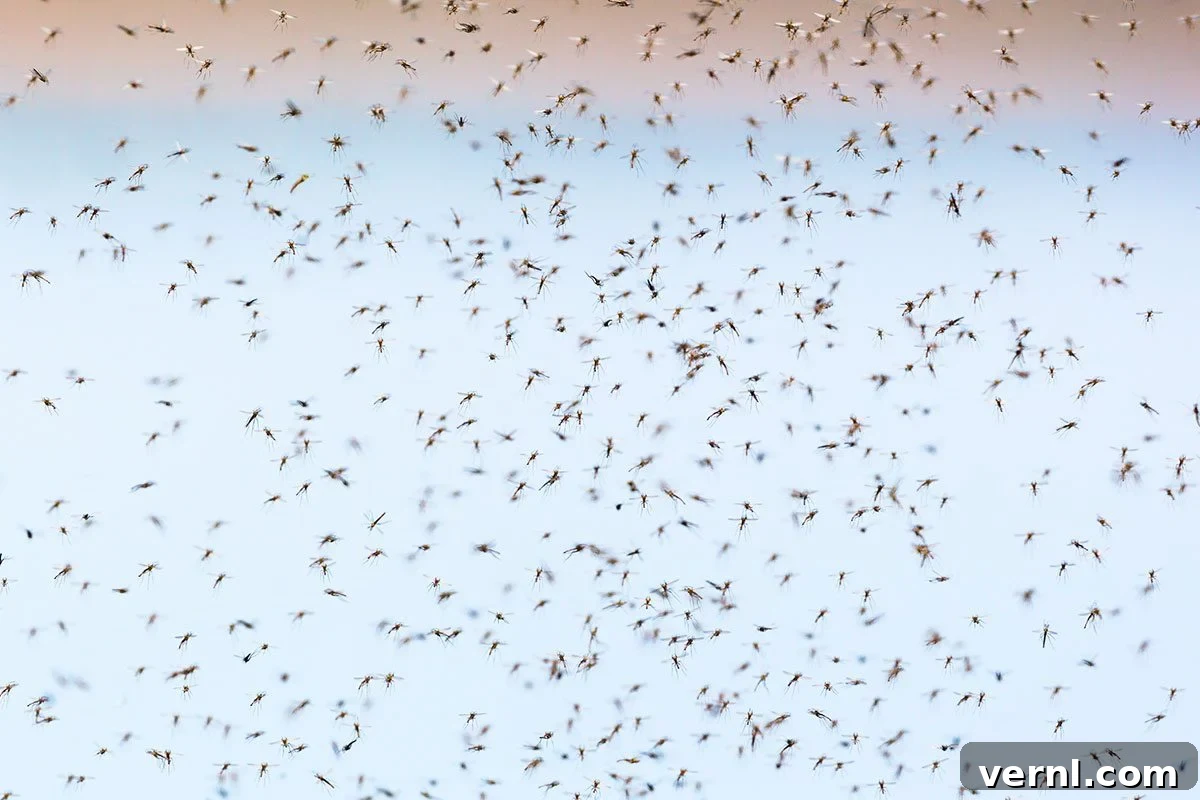
There’s a universally annoying experience many homeowners and gardeners share: the sudden descent of dozens, sometimes hundreds, of minuscule flying creatures. These tiny black specks, commonly referred to as gnats, may not always bite, but their sheer numbers can be overwhelmingly irritating. Whether you’re enjoying a peaceful afternoon in your garden or simply trying to relax indoors, a swarm of gnats can quickly turn tranquility into frustration, often forcing you to retreat inside or don protective clothing.
For some, the problem is particularly acute inside the home. “We deal with them a lot in our eviction and hoarding cleanups,” says pest control expert Nikki Torgerson. “They are pretty much always an issue because of how many things have been left out in an apartment or rental unit.” This highlights that while outdoor encounters are common, gnats frequently find their way into our living spaces, drawn by various conditions. But fear not, whether these persistent pests are plaguing your yard or infiltrating your kitchen, there are effective strategies to eliminate them and ensure they stay away. This comprehensive guide will equip you with the knowledge and tools needed to understand, tackle, and prevent gnat infestations.
Understanding Gnats: What Are These Tiny Invaders?
The term “gnats” is often used broadly, encompassing a variety of small, flying insects rather than a single specific species. These tiny bugs typically swarm in clouds, particularly gravitating towards environments characterized by damp soil, moisture, or decaying organic matter. Pinpointing the exact type of gnat you’re dealing with is the critical first step toward effective eradication.
“Identifying the type of gnat is the first step in eliminating the problem,” explains pest control expert Tony King. He elaborates, “For example, fungus gnats infest and reproduce in moist soil, particularly around houseplants. Fruit flies are attracted to ripe or rotting fruits and vegetables, while drain flies live in the muck inside of sink and shower drains.” Each of these common gnat types has distinct habits and preferred breeding grounds, necessitating tailored control methods. Understanding these differences allows for a more targeted and successful approach to pest management.
Do Gnats Pose a Biting Threat?
The question of whether gnats bite largely depends on the specific insect species mistaken for or categorized under the general “gnat” umbrella. Generally, when people refer to “gnats,” they are describing non-biting flying insects whose primary offense is their sheer numbers and nuisance factor. However, there’s a common confusion with midges, also known as “no-see-ums,” which are indeed capable of delivering a painful bite.
“Gnats swarm together to mate, but do not target people or bite them,” confirms entomologist Emma Grace Crumbley. She clarifies, “Instead, the primary concern with gnats is their large numbers and the annoyance they cause.” While true gnats are harmless in terms of biting, the persistent presence of a swarm can be incredibly frustrating, disrupting outdoor activities and making indoor spaces feel less comfortable. Midges, on the other hand, are smaller than mosquitoes but can leave itchy, red welts, similar to a mosquito bite. Distinguishing between these two can help manage expectations regarding physical discomfort.
Are Gnats Dangerous to Health or Property?
For the most part, gnats are not considered dangerous to human health, though they can be a significant nuisance. However, their presence can lead to other issues. As King points out, “They can contaminate food surfaces by leaving bacteria on them, especially when they have been traversing over spoiled fruit or garbage disposals.” This makes proper hygiene and food storage crucial in preventing potential cross-contamination.
Beyond food safety, certain gnat species pose a threat to plants. Fungus gnat larvae, for instance, reside in the soil and feed on decaying organic matter and plant roots. A severe infestation can lead to significant damage to houseplants, stunting growth, causing wilting, and in extreme cases, even killing the plant by compromising its root system. Therefore, while not directly dangerous to humans in most cases, gnats can impact our environment and property.
What Do Gnats Look Like? Identifying the Pest
Gnats are generally tiny, ranging from 1/16 to 1/8 of an inch in length, making them easily overlooked until they gather in noticeable swarms. They typically possess slender bodies and delicate, often feathery wings, though these fine details are usually only discernible under magnification. Their coloration can vary, presenting as black, brown, gray, or yellow.
According to pest control expert Nicole Carpenter, a simple rule of thumb for identification is: “If it’s flying, smaller than a mosquito and around something damp or rotting, it’s probably a gnat.” She further emphasizes their social nature, noting, “They rarely show up alone and usually look like a cloud of tiny flying bugs.” This swarming behavior is a hallmark of gnat presence. Distinguishing between a fungus gnat (often found near potted plants, with longer legs) and a fruit fly (more reddish, with larger eyes, usually near fermenting produce) can be helpful in identifying the specific source of your infestation.
The Surprising Role of Gnats in Nature
While gnats can be a significant annoyance when they invade our personal spaces, it’s important to recognize their ecological contributions. Despite their unwelcome presence in our kitchens or gardens, these tiny insects play vital roles in the broader ecosystem.
“Despite being annoying if they’re in your kitchen, they’re doing a big job in nature,” says Carpenter. Gnats serve as a fundamental food source for numerous other creatures, including birds, bats, spiders, and various larger insects. This position at the base of the food chain makes them crucial for sustaining diverse wildlife populations.
Furthermore, gnat larvae are essential decomposers. They diligently break down dead and decaying organic material, such as fallen leaves, rotting wood, and animal waste. This decomposition process is vital for recycling nutrients back into the soil, enriching it and making it available for plant growth. Without decomposers like gnat larvae, ecosystems would quickly become choked with undecomposed matter. Some gnat species also contribute, albeit in a minor capacity, to pollination. “While their impact is not as significant as that of bees or butterflies, when they feed on plant nectar, they do transfer pollen in the process,” notes Crumbley. This subtle contribution to plant reproduction underscores their multifaceted role in maintaining natural balance.
What Attracts Gnats to Your Home and Yard?
Gnats are highly opportunistic creatures, drawn to environments that provide ample sources for feeding, breeding, and general congregation. Their primary attractants boil down to three key elements: moisture, decaying organic matter, and, for some species, sugary or fermenting substances. Understanding these magnets is crucial for both eliminating current infestations and preventing future ones.
They thrive in cool, sludgy, and moist conditions. Common indoor attractants include overwatered soil in houseplants, ripening or rotting fruits and vegetables left on counters, and the accumulated muck within clogged drains and garbage disposals. Outdoors, gnats are drawn to areas with standing water, such as puddles or poorly drained garden beds, as well as compost bins, animal waste, and leaf litter. Any environment that offers a combination of dampness and decaying plant or animal material becomes an ideal habitat for gnats to flourish and reproduce. Eliminating these attractive conditions is the cornerstone of effective gnat control.
Effective Strategies: How To Get Rid of Gnats
Successfully eliminating gnats typically isn’t a monumental task, provided you identify and address the root cause of their presence. As pest control technician Matt Smith wisely states, “Gnats are a source problem. If you get rid of the source they are drawn to, they will go away as well.” This fundamental principle guides all effective gnat control methods, focusing on disrupting their breeding cycles and removing their food sources.
Address Overwatering of Houseplants (Fungus Gnats)
Fungus gnats are notorious for thriving in the consistently moist soil of overwatered houseplants. To break their life cycle, which typically includes eggs and larvae in the soil, you must allow the top layers of potting mix to dry out completely between waterings. This dehydration effectively kills off existing larvae and discourages adults from laying new eggs.
“In severe situations, it’s best to repot the plant in fresh, sterile potting soil,” advises King. This removes all existing larvae and eggs, giving your plant a clean start. As an added measure, “You can also water the plant with a solution of one part 3% hydrogen peroxide to four parts water, which will kill larvae, but is harmless to most plants.” The hydrogen peroxide fizzes as it contacts organic matter, effectively suffocating and killing gnat larvae without harming plant roots. Additionally, consider using yellow sticky traps placed near the soil to catch adult fungus gnats, preventing them from reproducing. Diatomaceous earth sprinkled on the soil surface can also act as a natural, abrasive killer for larvae and adults.
Inspect and Mitigate Outdoor Flooding and Dampness
Outdoor gnat problems often stem from areas that retain excess moisture. Thoroughly assess your yard for any spots that collect water, such as low-lying areas, clogged gutters, or leaky outdoor faucets. Addressing these drainage issues is paramount.
“If you can’t control dampness, like wet garden soil from heavy rain, try covering it with sand or gravel, using cedar mulch or planting natural repellents like basil or lavender,” suggests Carpenter. Sand or gravel creates a drier top layer that is less appealing to gnats. Cedar mulch has natural repellent properties. Incorporating plants known to deter insects, such as basil, lavender, rosemary, or citronella, can also contribute to a less gnat-friendly outdoor environment. Ensure your gutters and downspouts are clean and free-flowing to prevent standing water.
Manage Leaf Litter and Yard Debris
During the hottest parts of the day, gnats often seek refuge in cool, shady, and damp spots in your yard. Overgrown grass, accumulated leaf piles, and woodpiles provide ideal hiding and breeding grounds. Tidying these areas can significantly reduce gnat populations.
However, it’s also important to balance pest control with ecological considerations. “If you like the look of leaf piles or want to keep a woodpile to promote biodiversity in your yard, keep it far away from the home to prevent gnats from flying inside,” advises Crumbley. Creating a buffer zone ensures you can still support local wildlife and pollinators without inviting gnats into your living space. Regular lawn mowing and prompt removal of grass clippings will also help.
Promptly Clean Up Pet and Plant Waste
Animal droppings, whether from pets or local wildlife, are a strong attractant for various types of gnats due to their moisture and decaying organic content. Regularly picking up pet waste is essential for maintaining a gnat-free yard. Similarly, fallen fruits from trees and bushes will quickly ferment and rot, drawing in fruit flies and other gnats, along with other pests like wasps and ants. Make it a routine to collect and dispose of any dropped produce promptly. If you compost, ensure your compost bin is sealed and located far from your home.
Locate and Eliminate Indoor Breeding Grounds
Many indoor gnat infestations originate in the kitchen and bathroom, particularly around drains and food preparation areas. A meticulous cleaning routine is your best defense. Pay special attention to sink and shower drains, which can harbor a buildup of organic matter that drain flies adore. Rinse recyclables thoroughly before placing them in the bin, and regularly clean and dry your garbage bins.
Crucially, take out the garbage before it has a chance to develop an odor, which acts as a powerful gnat attractant. Check under sinks and behind appliances for any plumbing leaks, as even minor dampness can create a breeding site. Remove any overripe or rotting fruit and vegetables from your countertops; store ripe produce in the refrigerator. “Once you throw it away, clean the area with a household cleaner,” says Smith. He adds specific advice for drain issues: “If they are in your sink, chances are that you have something in your pipes, so use a cleaner, then try not to use that sink for a couple of days and let it really dry out.” For drain flies, pouring boiling water down the drain, followed by a mixture of baking soda and vinegar, can help break down the organic sludge. Alternatively, enzyme-based drain cleaners can consume organic matter without harsh chemicals.
Strategically Place and Clean Trash Cans
The location and cleanliness of your waste and recycling bins significantly impact gnat activity. Keep all outdoor trash and recycling bins stored as far away from your home as possible, especially away from windows and doors. This minimizes the chance of gnats being attracted to the bins and then finding their way inside.
Regularly clean the bins themselves, both inside and out, with a strong detergent and water, then allow them to dry completely. This prevents the buildup of residue that can attract flies. Using tight-fitting lids is also essential to contain odors and prevent access for gnats and other pests.
DIY Gnat Traps for Adult Control
While eliminating breeding sources is the long-term solution, DIY traps are excellent for quickly reducing the adult gnat population. A popular and effective solution involves creating a simple trap with apple cider vinegar and dish soap. The vinegar’s fruity, fermenting scent is irresistible to gnats, particularly fruit flies. The dish soap breaks the surface tension of the liquid, causing the gnats to sink and drown after they land.
To make one, pour about an inch of apple cider vinegar into a small jar or bowl, add a few drops of liquid dish soap, and mix gently. “I would place these traps near the areas where the gnats are most active, like on kitchen countertops, trash cans or near houseplants,” advises King. This method is highly effective for catching adult gnats once their primary food source and breeding grounds have been addressed. Without source control, however, it will only offer temporary relief as new gnats will continue to emerge. Other variations include using a piece of overripe fruit or a splash of red wine in a bowl covered with plastic wrap, with small holes poked in it. The gnats fly in but can’t find their way out. Additionally, here’s a specific solution for drain gnats, emphasizing cleaning the organic matter in the drain.
Proactive Measures: How To Prevent Gnats From Returning
Once you’ve successfully eliminated an active gnat infestation, the next crucial step is implementing preventative measures to ensure they don’t return. Prevention focuses on removing all potential food sources and breeding sites that might attract gnats to your home and yard. By maintaining a clean, dry, and less appealing environment, you can effectively keep these tiny pests at bay.
- Manage Plant Watering: Avoid overwatering both indoor and outdoor plants. Allow the top few inches of potting soil to dry out completely between waterings for houseplants, and ensure outdoor garden beds have proper drainage.
- Promptly Clean Spills and Decaying Produce: Wipe up food and beverage spills immediately. Dispose of any rotting or overripe fruits and vegetables right away, especially sugary ones that attract fruit flies.
- Frequent Trash Removal: Take out the trash daily, particularly during warmer months (spring and summer) when gnat activity is higher. Use garbage bags with tight seals.
- Proper Fruit Storage: Store ripe fruits and vegetables in the refrigerator to slow down their ripening process and prevent them from attracting fruit flies.
- Clean Pet Areas: Regularly clean pet food bowls and promptly remove pet waste from your yard.
- Maintain Kitchen Cleanliness: Wash dishes immediately after use and regularly wipe down kitchen counters, stovetops, and dining tables to remove food residues.
- Address Plumbing Issues: Promptly fix any leaky faucets, pipes, or drains, as even small amounts of moisture can create breeding sites.
- Thorough Drain Cleaning: Regularly clean your drains and garbage disposal with appropriate cleaners (e.g., baking soda and vinegar, enzyme cleaners) to prevent organic matter buildup.
- Recycling Bin Hygiene: Rinse all recyclable items before placing them in the bin. Keep both indoor and outdoor trash and recycling bins clean and dry, ideally with tight-fitting lids.
- Control Indoor Humidity: Aim to keep indoor humidity levels below 60% using dehumidifiers, especially in basements, bathrooms, and laundry rooms. Gnats thrive in humid environments.
- Inspect and Repair Screens: Ensure all window and door screens are intact and free of tears or holes. This prevents adult gnats from easily entering your home.
- Seal Entry Points: Seal any cracks or gaps around windows, doors, and foundations that gnats might use as entry points.
- Proper Ventilation: Improve ventilation in bathrooms and kitchens, especially after showering or cooking, to reduce moisture buildup.
About the Experts
- Emma Grace Crumbley is an entomologist at Mosquito Squad Plus and a self-described bug nerd who uses her expertise to educate people about the fascinating world of bugs.
- Nicole Carpenter is president of Black Pest Prevention in North Carolina, where she’s worked for 13 years.
- Tony King is a pest control expert and founder of The Pied Piper Pest Control Company, which has been serving in London, England, for more than 25 years.
- Matt Smith is co-owner of Green Pest Management in New Castle, Delaware, and a licensed pest control technician. He has been working in the pest control industry for since 2009.
- Nikki Torgerson is owner at Advanced Bed Bug Preparation, a pest control and eviction cleaning company in northeast Wisconsin.
[cf]skyword_tracking_tag[/cf]