Unlocking Savings: The Definitive Guide to Thermostat Efficiency
In the quest for a comfortable home and a lighter utility bill, few tools are as powerful yet often misunderstood as your thermostat. Many homeowners wonder: does simply adjusting your thermostat truly lead to significant savings on heating and cooling bills? The answer is a resounding yes. By strategically managing your home’s temperature, you can make a tangible impact on your energy consumption and, consequently, your monthly expenses.
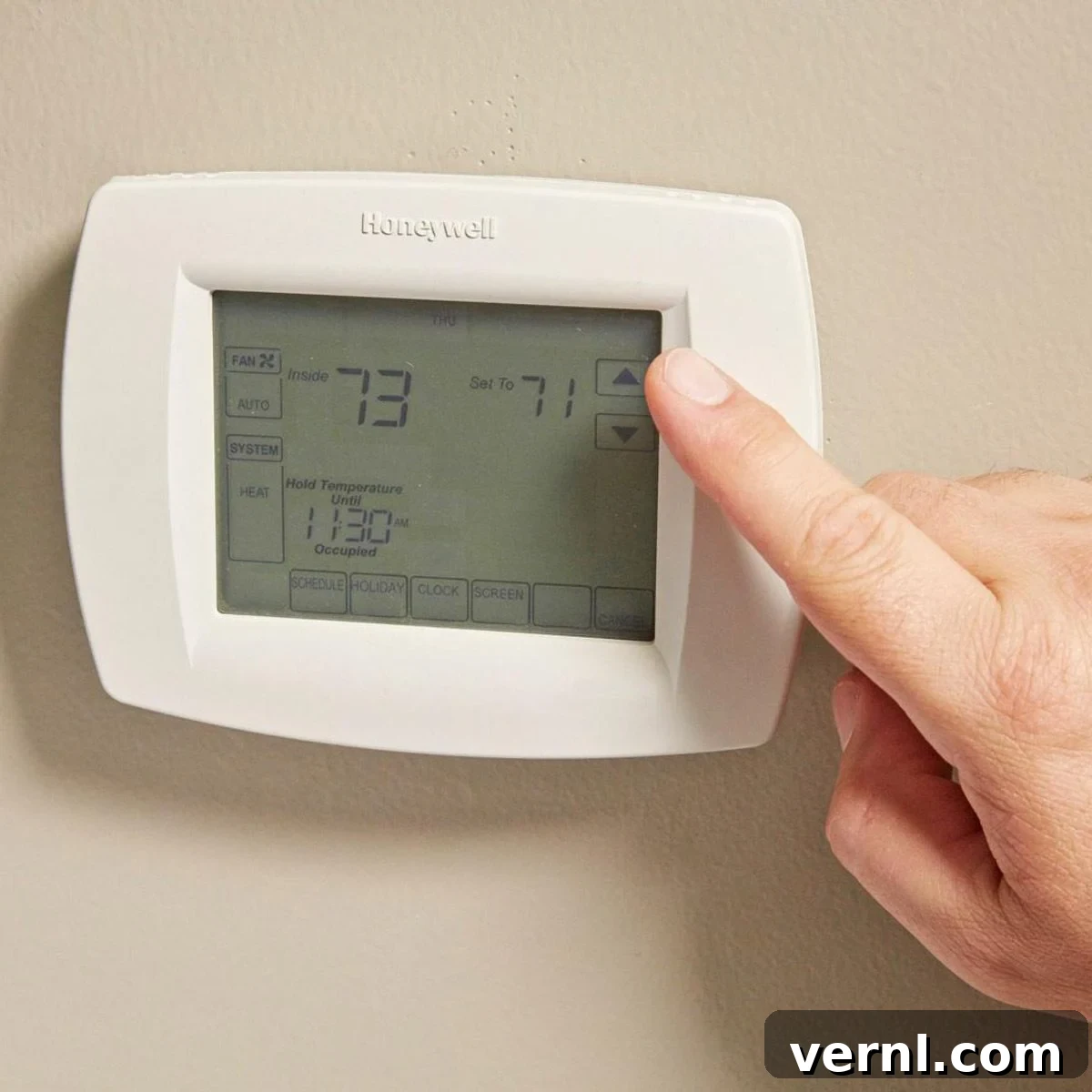
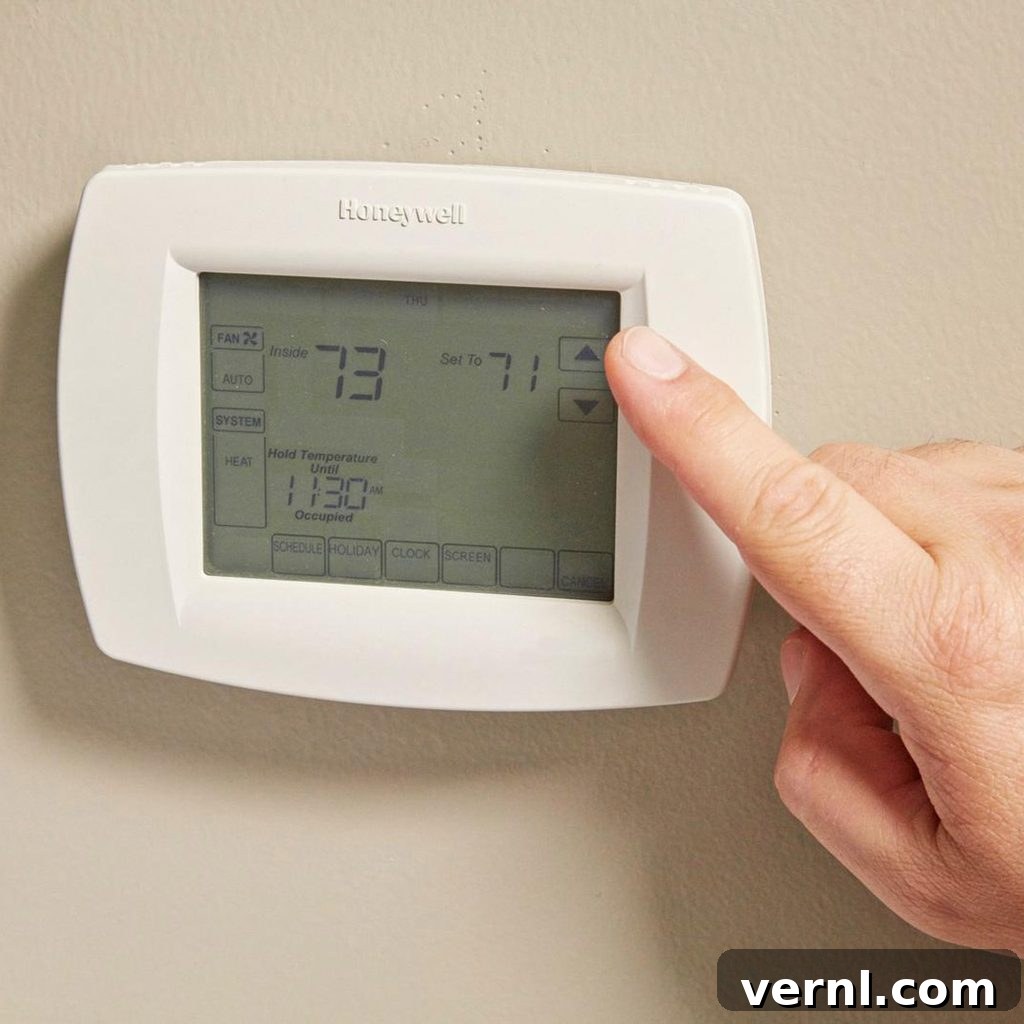
The U.S. Department of Energy (DOE) strongly advocates for this approach, stating, “you can save as much as 10 percent per year on heating and cooling by simply turning your thermostat back seven to 10° for eight hours a day from its normal setting.” This simple habit, implemented overnight or when you’re away from home, leverages the principle of reducing the difference between indoor and outdoor temperatures, thereby lessening the workload on your HVAC system. While the exact savings can vary based on climate – milder regions often see greater benefits than areas with extreme weather – the core strategy remains universally effective for anyone looking to optimize their optimal thermostat temperature for the winter and summer.
The Core Principle of Thermostat-Based Energy Savings
At its heart, saving money with your thermostat boils down to minimizing the energy required to maintain your desired indoor temperature. Your heating, ventilation, and air conditioning (HVAC) system works harder and consumes more energy when there’s a larger temperature differential between the inside and outside of your home. By allowing your home to drift closer to the ambient outdoor temperature when comfort isn’t a priority – like when you’re asleep or out of the house – you reduce this differential, thereby reducing the energy your system needs to expend.
This principle applies equally to both heating and cooling. In winter, lowering the thermostat prevents heat from escaping your home too rapidly and reduces the amount of new heat your furnace needs to generate. In summer, raising the thermostat means your air conditioner doesn’t have to work as hard to remove heat from your home, leading to lower air conditioning bills. It’s a straightforward concept with profound implications for your energy budget.
Optimizing for Winter Heating
During the colder months, the goal is to keep your home warm without overspending. The DOE’s recommendation of a 7-10° setback for eight hours is a great starting point. For instance, if you typically set your thermostat to 70°F (21°C) during the day, lowering it to 60-63°F (16-17°C) overnight or when you’re at work can yield substantial savings. The key is to schedule these setbacks during periods when you don’t require peak warmth. This not only conserves energy but also gives your heating system a break, potentially extending its lifespan.
For optimal comfort and energy efficiency, consider setting your thermostat to around 68°F (20°C) during the day when you’re home and awake. When you’re sleeping or away, dropping it to the lower 60s is ideal. Modern thermostats can even learn your patterns or allow you to program different settings for weekdays versus weekends, further automating these energy-saving adjustments.
Smart Strategies for Summer Cooling
The same logic applies to cooling your home in the summer. Instead of constantly blasting your air conditioner, train yourself to allow your home to be warmer than normal when you’re away. For example, if you typically keep your home at 75°F (24°C) when you’re present, try setting it to 78-80°F (26-27°C) while you’re out. Then, schedule it to cool down to your preferred comfort level shortly before you arrive home.
Remember, the smaller the difference between the indoor and outdoor temperatures, the lower your overall air conditioning bill will be. Even a slight adjustment can make a big difference over time. Maintaining your home at a comfortable yet reasonable temperature, such as 78°F (26°C), when you are home, and allowing for warmer temperatures when you are absent, is a highly effective strategy for managing cooling costs.
The Indispensable Role of Programmable and Smart Thermostats
To effectively implement these temperature setback strategies, a modern thermostat is essential. While manual adjustments are possible, they are prone to human forgetfulness and inconsistency. This is where programmable thermostats come into play. These devices allow you to set specific temperatures for different times of the day and week, automating your energy savings. You can create multiple daily settings – for example, a morning warm-up, a daytime setback, an evening comfortable setting, and an overnight setback – and the thermostat will execute them seamlessly.
Beyond programmable models, smart thermostats offer even greater flexibility and potential for savings. These advanced devices often come with features like:
- Learning Capabilities: Some smart thermostats can learn your daily routines and preferences, automatically adjusting the schedule over time.
- Remote Control: You can control your thermostat from anywhere using your smartphone, allowing for on-the-fly adjustments if your plans change.
- Geofencing: This feature uses your phone’s location to detect when you leave or approach home, automatically adjusting the temperature accordingly.
- Energy Reports: Many smart thermostats provide detailed energy usage reports, helping you understand your consumption patterns and identify further saving opportunities.
- Zoning Compatibility: For homes with multiple zones, smart thermostats can manage each area independently, ensuring comfort only where and when it’s needed.
By investing in a programmable or smart thermostat, you’re not just buying a gadget; you’re investing in an intelligent energy management system that works tirelessly to keep your home comfortable while keeping your utility bills in check. These devices empower you to take precise control over your home’s climate, allowing you to maximize energy efficiency without sacrificing comfort.
Important Factors That Influence Home Heating and Cooling Efficiency
While thermostat adjustments are a powerful tool, their effectiveness can be significantly influenced by other aspects of your home’s construction and systems. Understanding these factors allows for a more holistic approach to energy savings.
1. How Old is Your House? The Impact of Insulation and Air Sealing
The age of your house often correlates directly with the quality and quantity of its insulation. Older homes, especially those built before modern energy efficiency standards were established, typically have less insulation in walls, attics, and crawl spaces. They may also suffer from more air leaks around windows, doors, and utility penetrations. A well-insulated home acts like a thermal envelope, holding heat longer in winter and keeping heat out in summer, and loses it slower.
This means that in a properly insulated and air-sealed home, your heating or cooling system won’t have to work as hard to maintain a desired temperature. The reheating or recooling period after a thermostat setback will be much quicker and require less energy. If you live in an older home, investing in insulation upgrades and air sealing can dramatically amplify the savings you achieve through thermostat management.
2. Do You Have Hardwood or Tile Floors? Understanding Thermal Mass
The type of flooring in your home can indeed affect how quickly your home feels warm or cool. Hardwood, tile, stone, or concrete floors have a higher thermal mass compared to carpet. This means they absorb and retain heat (or coolness) for longer periods. While this can be beneficial in some climates (e.g., keeping a home cooler in summer), it also means it will take longer for these surfaces to warm up once your heating system kicks in. The air may warm quickly, but the floors might still feel cold, affecting your perceived comfort.
This doesn’t mean thermostat setbacks are ineffective with these floor types; rather, it suggests that you might need to adjust your expectations or compensate. A warm pair of slippers can easily remedy cold feet, and strategically placed rugs can also help create warmer zones. In summer, these cooler floor surfaces can actually be an advantage, helping to retain the coolness in your home.
3. What Type of Heating and Cooling System Do You Have? System Specifics
The type of HVAC system installed in your home is a crucial factor, as not all systems respond to thermostat setbacks in the same way. Understanding your system is key to maximizing efficiency:
- Heat Pumps: Programmable thermostats are generally not recommended for heat pumps, especially for significant setbacks in very cold weather. Heat pumps operate most efficiently by maintaining a relatively constant temperature. When a heat pump’s thermostat is set back too far, it might trigger the auxiliary or emergency heat strips, which use significantly more electricity. This can cause the unit to operate inefficiently and negate any potential savings. In this case, maintaining a moderate temperature is often the better savings strategy, perhaps a setback of only a few degrees or none at all.
- Steam Heating Systems: These systems, often found in older homes, use steam to heat radiators. They respond very slowly to temperature changes due to the time it takes to generate steam and distribute it throughout the system. Consequently, significant setbacks might not be effective because the system takes too long to recover and reach the desired temperature, potentially leading to discomfort or excessive energy use during the recovery period.
- Radiant Floor Heating Systems: Similar to steam systems, radiant floor heating systems rely on heating a large thermal mass (the floor itself). This means they have a high thermal lag – they take a long time to heat up and a long time to cool down. Therefore, frequent or drastic temperature setbacks are often not ideal. Some experts suggest that for these systems, maintaining a more consistent temperature, perhaps with very minimal setbacks, is more energy-efficient and comfortable than allowing large temperature swings.
- Standard Furnaces (Gas, Oil) and Central Air Conditioners: These are the systems that benefit most directly and efficiently from thermostat setbacks. Their ability to quickly heat or cool air allows them to recover from setbacks efficiently, making them ideal candidates for programmable thermostat strategies.
4. Where Is Your Thermostat Located? Avoiding “Ghost Readings”
The placement of your thermostat significantly impacts its accuracy and, consequently, your HVAC system’s efficiency. A poorly located thermostat can lead to what are known as “ghost readings” – where the thermostat senses an incorrect temperature, causing your system to run unnecessarily or fail to heat/cool adequately.
To operate properly and provide accurate readings, a thermostat must be on an interior wall, away from direct sunlight, drafts from windows or doors, heat-generating appliances, and obstructions like furniture or curtains. Even proximity to a hot light fixture or an exterior wall can skew its readings. Always consult the manufacturer’s installation instructions for precise guidance. Incorrect placement can lead to your system cycling on and off at inappropriate times, wasting energy and impacting comfort.
Debunking the “Blast It” Myth: Setting Extreme Temperatures
A common misconception is that setting your thermostat to an extreme temperature – for example, blasting the AC to 60°F (15°C) in summer or the heat to 90°F (32°C) in winter – will cool or heat your home faster. This strategy will not actually help you save on home energy. Your HVAC system works at a fixed rate; it can only produce hot or cold air at a certain speed. Setting an extreme temperature merely instructs the system to run continuously until that (often unreachable) temperature is met, or until you manually turn it off.
Instead, this practice results in excessive cooling or heating and, therefore, an unnecessary expense on your bill. It’s akin to pressing the gas pedal harder in your car to get somewhere faster – you’ll use more fuel, but you won’t necessarily arrive sooner in heavy traffic. Always set your thermostat to your desired comfortable temperature, and allow the system to reach it at its own efficient pace.
Beyond the Thermostat: Holistic Energy-Saving Tips
While thermostat management is a cornerstone of home energy efficiency, it’s part of a larger ecosystem. To maximize your savings, consider integrating these additional practices:
- Regular HVAC Maintenance: Schedule annual tune-ups for your furnace and air conditioner. A well-maintained system runs more efficiently and is less prone to breakdowns.
- Seal Air Leaks: Use caulk and weatherstripping to seal gaps around windows, doors, and pipes. This prevents conditioned air from escaping and unconditioned air from entering.
- Upgrade Windows and Doors: If your budget allows, consider replacing old, inefficient windows and doors with energy-efficient models.
- Use Ceiling Fans: In summer, ceiling fans can make a room feel several degrees cooler, allowing you to raise your thermostat setting slightly. In winter, reverse the blade direction to push warm air down.
- Optimize Window Treatments: Open curtains and blinds on south-facing windows in winter to harness passive solar heat. Close them in summer to block intense sun and reduce heat gain.
- Insulate Water Heater and Pipes: Insulating your hot water heater and pipes can reduce standby heat loss, saving energy on water heating.
Conclusion: Empowering Your Home with Smart Thermostat Use
The simple act of adjusting your thermostat holds significant power in controlling your home’s energy consumption and, by extension, your utility bills. By understanding the principles of temperature setbacks, investing in programmable or smart thermostats, and considering the unique characteristics of your home and HVAC system, you can unlock substantial savings.
From the U.S. Department of Energy’s clear recommendations to the nuanced considerations of home construction and system types, managing your thermostat effectively is a smart, sustainable, and financially rewarding habit. It’s not just about setting a temperature; it’s about proactively managing your environment for comfort and efficiency, proving that a little adjustment can lead to a lot of savings.