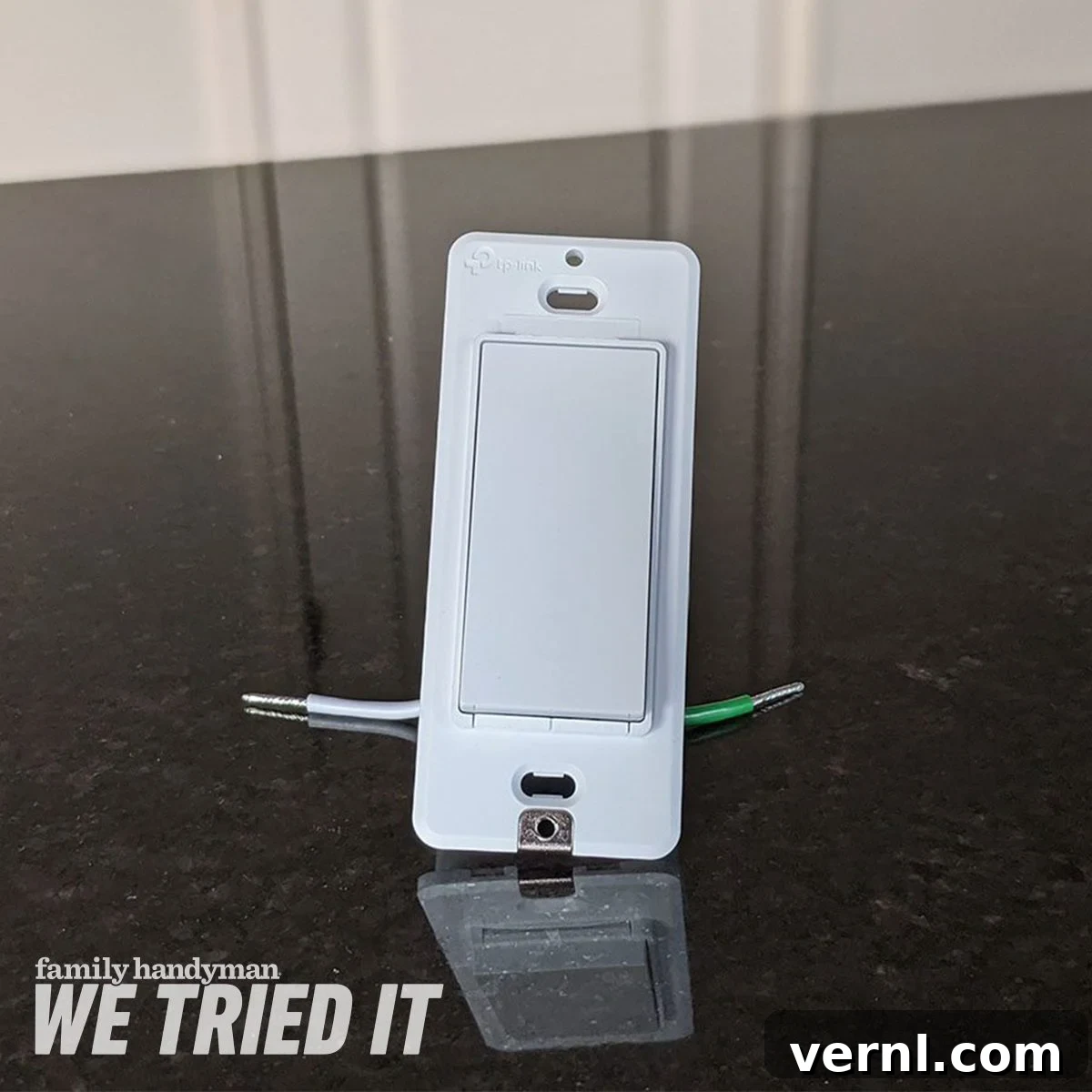
Transform Your Home Lighting: A Deep Dive into Kasa Smart Switches
As a devoted tech enthusiast, my journey into the world of smart home technology has been both exhilarating and incredibly rewarding. From fine-tuning router settings to breathing new life into classic gaming consoles, my passion naturally extends to embracing all things smart home. The moment voice and phone-controlled lighting became a mainstream reality, I was among the first to explore its potential. My initial foray involved experimenting with various smart plugs, a path that eventually led me to the reliable Kasa line by TP-Link. While other brands often struggled with seamless Google Assistant integration – apologies to Alexa loyalists – Kasa consistently delivered on its promise of intuitive functionality and effortless connectivity. Having successfully navigated the smart plug landscape, I decided to elevate my smart home setup further by incorporating smart light switches. This article chronicles my extensive experience testing the Kasa smart switch, a product that truly shines in a connected living space.
The Kasa Smart Switch represents a significant leap in home automation, offering not just remote control but also advanced features like motion sensing and dimming capabilities. It’s designed to bring convenience and energy efficiency to your fingertips, accessible directly from your smartphone or through voice commands. This comprehensive review will delve into its features, installation process, smart home integration, and long-term performance, providing valuable insights for anyone considering an upgrade to their home lighting system.
Understanding the Kasa Smart Switch: The Core of Smart Lighting
Kasa smart switches are essentially sophisticated light switches that seamlessly integrate with your existing home Wi-Fi network. This connectivity empowers you to manage your lighting from virtually anywhere – whether you’re across the room issuing a voice command or across the globe adjusting settings via an app on your smartphone. Manufactured by TP-Link, a global leader renowned for its robust routers, modems, and other essential home networking devices, Kasa smart switches are built on a foundation of reliability and expertise.
The choice to opt for smart switches over smart bulbs often boils down to functionality and convenience. While smart bulbs offer individualized control for specific lights, a smart switch transforms an entire fixture, allowing all connected bulbs to become “smart” without needing to replace each one. This approach is particularly advantageous for multi-bulb fixtures, ceiling lights, or outdoor lighting systems. Furthermore, a smart switch ensures that the “smart” functionality remains active even if someone accidentally flips the physical switch off, unlike smart bulbs which can lose connectivity when power is cut. The Kasa ecosystem extends beyond switches, encompassing a diverse range of smart light bulbs, high-definition security cameras, and versatile smart plugs, all controllable from a unified platform. This comprehensive approach allows users to build a truly integrated smart home environment tailored to their specific needs.
Key Features of the Kasa Smart Switch Lineup
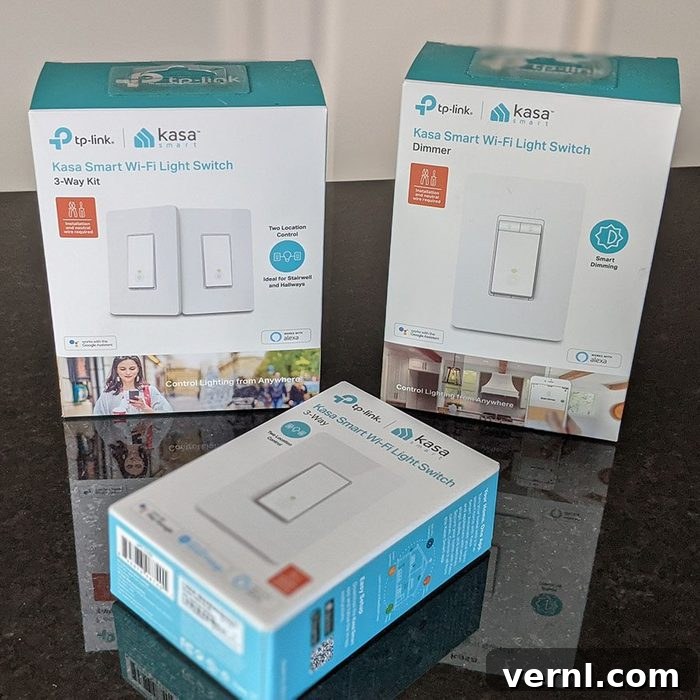
The Kasa smart switch series offers versatile solutions for various lighting configurations, ensuring there’s a model to fit almost any requirement. The lineup includes three primary models, each designed for a specific purpose:
- The HS200: This is the foundational model, serving as a direct replacement for a standard, single-pole light switch. It offers basic on/off control and smart functionality.
- The HS210: Specifically engineered for three-way switch setups, which control a single light fixture from two different locations (e.g., at the top and bottom of a staircase).
- The HS220: This advanced model provides comprehensive dimmer controls, allowing users to adjust light intensity from 1% to 100%. It’s ideal for creating ambiance or reducing energy consumption.
For this review, I personally tested the HS210 (three-way switch) and the HS220 (dimmer switch) to experience their capabilities firsthand.
Seamless Control Through the Kasa App and Voice Assistants
Central to the Kasa experience is the intuitive Kasa app, readily available for both Android and Apple devices. As an Android user, I found the app download and setup process straightforward. The app acts as your command center, displaying all your Kasa devices – smart plugs, smart switches, bulbs, and even TP-Link security cameras – on a clean, organized main page. This unified interface significantly enhances user convenience, eliminating the need to juggle multiple apps for different smart devices.
Beyond app control, Kasa devices boast extensive compatibility with leading voice assistants, including Google Home, Amazon Alexa, and Microsoft Cortana. Integration with IFTTT (If This Then That) and Nest also broadens the possibilities for advanced home automation. The app facilitates the creation of custom routines and schedules, allowing you to automate your lighting with precision. Imagine having your outdoor lights automatically turn on at dusk and off at dawn, or setting your bedroom lights to gently brighten as your alarm goes off. The scheduling features also include an “Away Mode” that can randomly turn lights on and off, creating the illusion of occupancy for enhanced security.
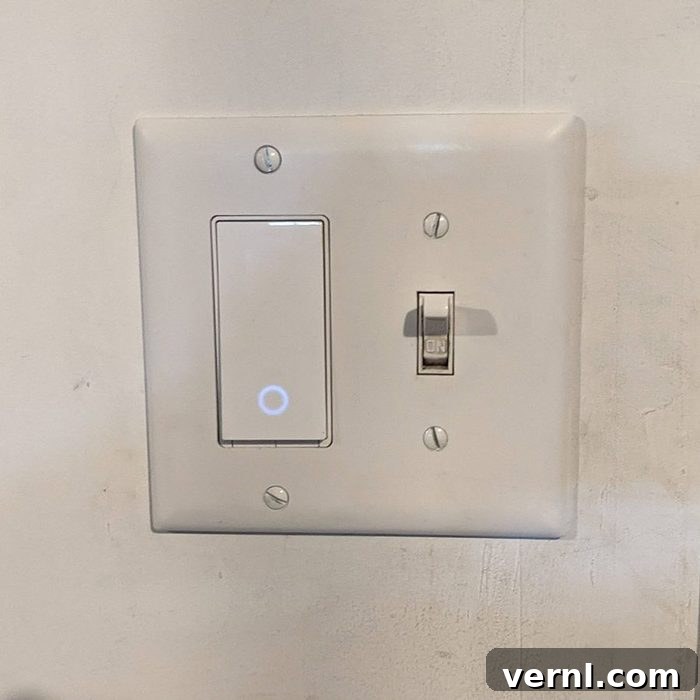
Aesthetically, the Kasa smart switch comes in a modern decora (rocker) style. While this contemporary design blends well with many interiors, my personal preference leans towards the traditional toggle style that predominates in my home. I hope Kasa considers offering toggle-style options in the future to cater to a wider range of aesthetic preferences.
Our Testing Experience: From Installation to Daily Use
Installation: A DIY-Friendly Process with Expert Guidance
The prospect of installing a smart light switch might seem daunting to some, but Kasa has gone to great lengths to make the process as accessible as possible. Fundamentally, installing a Kasa smart switch is similar to replacing any standard light switch. However, for someone who isn’t a certified electrician, a bit of careful attention and guidance is key. The Kasa app excels in this regard, offering an incredibly detailed, step-by-step walkthrough that makes the installation surprisingly manageable for the average homeowner.
My journey began by launching the Kasa app, already present on my smartphone. From the main screen, a simple tap on the “+” sign in the upper-right corner initiates the device addition process. The app intelligently prompts you to choose between adding a new device or creating a group for simultaneous control. Opting for “device,” I then selected “Smart Switches” and subsequently specified the type for each installation: “Smart Three-Way Switch” for one location and “Smart Dimmer” for another.
The app’s installation instructions truly begin here, prefaced by a crucial safety warning: “If you are unfamiliar with basic electrical wiring, please consult an electrician.” This emphasizes the importance of safety when working with household electricity. Before proceeding, the app thoughtfully guides you to test your Wi-Fi signal strength in the installation area, a critical step for ensuring reliable connectivity. It also lists the necessary tools: usually a couple of screwdrivers, pliers, and a continuity tester (though I found myself not needing the tester in my particular scenario). The instructions then delve into the specifics of three-way switches, prompting you to identify and input the number and colors of the wires you’re working with. What truly sets the Kasa app apart are its high-quality, illustrative renderings that meticulously guide you through removing the old switch and installing the new one. It even encourages taking photos and labeling wires at each stage, an invaluable tip for any DIY project.
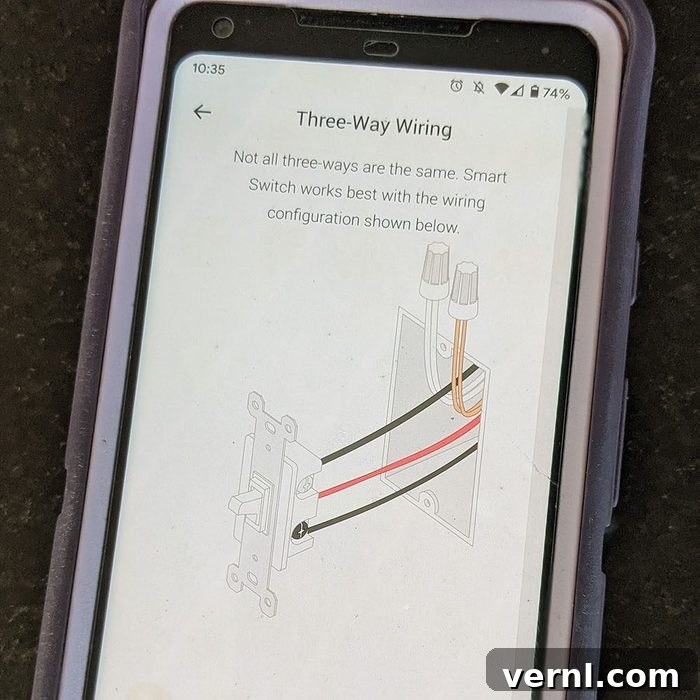
While the process was largely straightforward, like any home DIY project, I encountered a few minor challenges. My primary hurdle arose during the dimmer switch installation. The issue wasn’t with the Kasa product itself but with the existing wiring configuration in my electrical box. My setup included a single dimmer alongside a three-way switch, resulting in an extra wire that didn’t perfectly align with the diagrams provided in the Kasa app. After some careful consideration and troubleshooting, I successfully grouped this additional wire with a bundle of existing wires of the same color, and to my relief, everything functioned flawlessly. This experience underscores the importance of a neutral wire, which is a common requirement for most smart switches and should be verified before purchase.
Seamless Wi-Fi Setup: Connecting Your Smart Switches
Once the physical installation was complete, the next crucial step was connecting the Kasa smart switches to my home Wi-Fi network. Again, the Kasa app provided clear, concise instructions that made this process remarkably simple. A key technical detail for many smart home devices, including Kasa switches, is their reliance on the 2.4 gigahertz (GHz) band of your router. This band, while offering slower speeds than its 5 GHz counterpart, provides superior range and penetration through walls, making it ideal for devices distributed throughout a home.
During setup, the switch cleverly uses your smartphone as a temporary conduit to piggyback onto your home’s Wi-Fi network. Once connected, the switch establishes a direct and independent communication link with your router. The result is impressive responsiveness: pressing an on/off button in the Kasa app instantly activates the corresponding light, with virtually no perceptible lag. This immediate feedback significantly enhances the user experience.
The Kasa app also offers practical customization options during setup. You can assign descriptive names to each switch, such as “outside lights,” “hallway lights,” or “toy room,” making them easy to identify and control. These names can be modified at any time. Furthermore, a selection of intuitive icons can be assigned to each device, visually representing its function and further streamlining the app’s appearance and usability.
Smart Home Integration: A Breeze with Leading Ecosystems
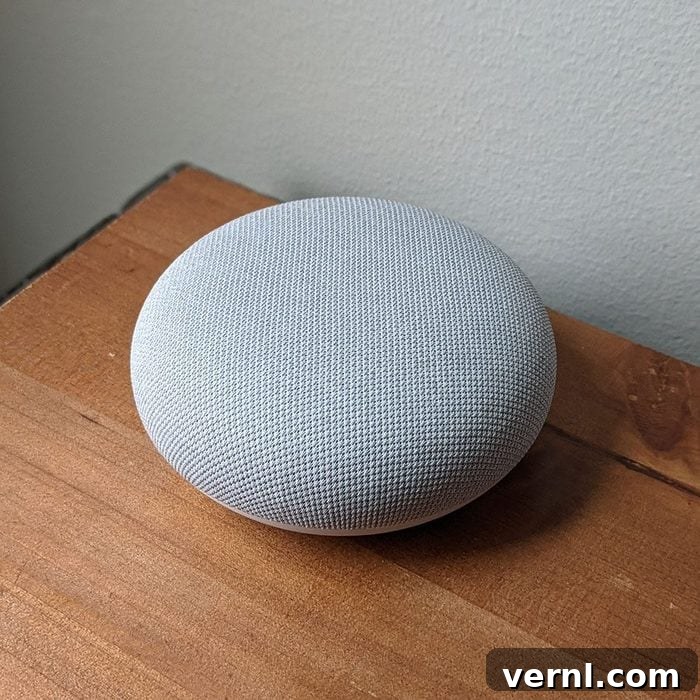
Integrating Kasa hardware into your existing smart home ecosystem is incredibly easy, particularly with popular platforms. As a dedicated Google Home and Assistant user, I found the integration process effortless. The Google Home app automatically detected the newly connected Kasa switches and displayed them on its main screen. From there, it was a simple matter of assigning them to the correct rooms and configuring any desired lighting groups. Users of Amazon’s Alexa will find a similarly streamlined experience, making the setup of the Kasa smart switch with other smart accent lighting a truly effortless task.
To fully leverage the voice control capabilities, you’ll need compatible speakers or devices equipped with Google Home, Amazon Alexa, or Microsoft Cortana. My home is already outfitted with several Google Home speakers, which provided the perfect testing ground. Once connected, the power of voice commands becomes apparent. Simple phrases like, “OK, Google, turn on the outside lights,” or “OK, Google, dim the basement lights to 50%” instantly control your lighting, offering unparalleled convenience, especially when your hands are full or you’re simply relaxing.
Two Years Later: A Minor Connectivity Hurdle
After two years of reliable performance, I did encounter a minor issue: the Kasa smart switch in my garage, which controls our outdoor lights, periodically stopped connecting to our Wi-Fi network. Given its relatively close proximity to the router, I initially ruled out signal strength as the primary cause. My suspicion then turned to my dual-band Wi-Fi mesh router. This type of router broadcasts both the 2.4 GHz and 5 GHz bands simultaneously under a single SSID (the network name you see). Since Kasa switches, like most smart home devices, operate exclusively on the 2.4 GHz band, a potential conflict arises during the initial setup where the switch temporarily uses your phone to connect to the network. My phone frequently defaults to the faster 5 GHz band, which could explain the intermittent connectivity problem.
This common smart home challenge can often be resolved by temporarily separating the 2.4 GHz and 5 GHz bands in your router’s settings, allowing your phone to connect explicitly to the 2.4 GHz network during the Kasa switch setup. Alternatively, some mesh Wi-Fi systems offer a feature to “steer” devices to a specific band, or a temporary power cycle of both the router and the smart switch can often re-establish a stable connection. While a minor inconvenience, this experience highlighted a common technical consideration for dual-band router users and smart home devices.
Pros of the Kasa Smart Switch
- **Effortless Installation:** The Kasa app provides incredibly clear, step-by-step instructions, making the DIY installation process straightforward even for those with limited electrical experience.
- **Versatile Control Options:** Users benefit from multiple control methods, including the intuitive Kasa app, voice commands via Google Home, Amazon Alexa, and Microsoft Cortana, as well as integration with IFTTT and Nest for advanced automation.
- **Cost-Effective Solution:** Kasa smart switches are affordably priced, offering a feature-rich smart lighting upgrade without a significant financial investment.
- **Enhanced Features:** Many models include a motion sensor, adding another layer of convenience and energy savings by automatically turning lights on or off based on presence.
- **Daylight Sensing:** Certain models integrate daylight sensors, optimizing power usage by preventing lights from activating unnecessarily during bright conditions.
- **Precise Dimming Control:** The dimmer switches offer a wide dimming range from 1% to 100%, allowing for perfect ambiance and energy efficiency.
- **Seamless Ecosystem Integration:** Kasa switches work harmoniously with other Kasa smart devices, creating a unified and easily managed smart home environment through a single app.
- **No Hub Required:** Unlike some smart home systems, Kasa switches connect directly to your home Wi-Fi, eliminating the need for an additional smart home hub and simplifying setup.
- **Reliable Warranty:** Backed by a two-year warranty, providing peace of mind and assurance in your purchase.
Cons of the Kasa Smart Switch
- **Potentially Tricky Wiring:** While the app guides well, unfamiliarity with home electrical wiring can still pose challenges, particularly with older or complex box configurations. Professional installation is recommended if unsure.
- **Limited Style Options:** Currently, Kasa smart switches are primarily available in the decora (rocker) style, which may not aesthetically match homes with traditional toggle-style switches.
Frequently Asked Questions About Kasa Smart Switches
Do Kasa switches work without internet?
Yes, Kasa Smart switches can perform basic manual on/off functionality without an active internet connection, much like a traditional switch. However, for advanced features such as remote control via the app, creating schedules, setting up routines, or integrating with voice assistants, a stable internet connection is required.
How do I reconnect my Kasa Smart light switch if it loses connection?
To reconnect your Kasa Smart light switch, first ensure your home Wi-Fi network is active and functioning correctly. Then, open the Kasa app on your smartphone and navigate to the device settings. Follow the in-app instructions to reconfigure the Wi-Fi settings for that specific switch. It’s crucial that your phone is connected to the same 2.4 GHz Wi-Fi network that the switch will be using during this process.
Which Kasa Smart switch is best for my needs?
The “best” Kasa Smart switch depends entirely on your specific requirements:
- For standard on/off control of a single light fixture, the Kasa HS200 is an excellent choice.
- If you need precise control over light intensity, the HS220 offers superb dimmer features for enhanced flexibility and ambiance.
- For situations where a single light fixture is controlled from two or more locations (e.g., hallway lights), the KS230 (or older HS210) is the ideal choice for multi-way setups. Always verify your wiring configuration before purchasing.
What Other Reviewers Are Saying About Kasa Smart Switches
The widespread appeal of the Kasa smart switch is evident in its impressive customer feedback. With over 2,500 ratings on Amazon, it maintains a stellar average rating of 4.5 out of five stars, reflecting high user satisfaction. Customers frequently praise its ease of installation, reliable performance, and value-added features:
“We swapped out a regular light switch for this one in our main bedroom, which is on the larger side and being lazy during TV time at night, we didn’t want to get up to turn on/off the light,” shares Mike, a five-star reviewer. “This inexpensive upgrade did the trick. I didn’t realize at the time that this also has motion detection if you want, so we set the motion to turn on lights between 9 p.m. to 11 p.m. when we enter the room. Just a cool feature that you can program or not.” Mike’s review highlights the switch’s ability to solve simple everyday inconveniences and the pleasant surprise of its optional motion detection feature, underscoring its versatility.
Marcy Thompson, a verified purchaser, echoes similar sentiments: “We have used Kasa for several light switches in order to control and schedule some exterior lights, and now we have chosen to use these timer and automated light switches inside. They work great, are easy to install and illuminate lights being left on.” Marcy’s experience showcases the utility of Kasa switches for both exterior security lighting and interior convenience, emphasizing their effectiveness in preventing energy waste.
Another enthusiastic five-star reviewer, Robert V, writes: “I got this motion sensor light for my laundry room (because I am usually carrying something in there and it’s hard to get to the light switch), and it was quick to install and does the job. I rarely have any issues with any of their products and have been using them for years. I just keep adding more and more switches and plugs by them, and it all just works. 10/10 for TP-Link! One of my favorite brands!” Robert’s feedback perfectly illustrates how Kasa switches simplify daily tasks, particularly in high-traffic or utility areas where hands-free operation is a significant advantage. His long-term loyalty to the brand further validates Kasa’s consistent quality and reliable performance across its product range.
Final Verdict: Embrace the Smart Lighting Revolution with Kasa
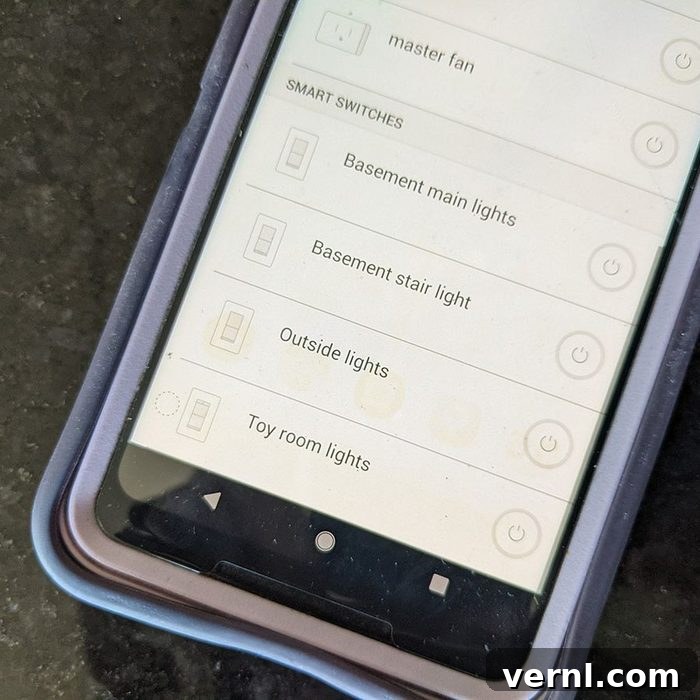
Without hesitation, I wholeheartedly recommend the Kasa line of smart switches. The brand’s commitment to user-friendliness is evident in its intuitively designed app, which makes managing all your connected devices a breeze. If you already own other Kasa smart products – be they plugs, bulbs, or cameras – the convenience of controlling everything from a single, unified Kasa smart switch app is a significant advantage.
The seamless integration with popular smart assistant platforms like Google Home and Amazon Alexa elevates the entire experience, transforming how you interact with your home’s lighting. Imagine adjusting brightness levels or turning lights on and off with a simple voice command, adding a layer of effortless control to your daily life. Considering the multitude of advanced features – from motion sensing and dimming to robust scheduling and away modes – Kasa smart switches offer exceptional value for their affordable price point. Furthermore, their sleek, minimalist decora design ensures they blend seamlessly into virtually any home decor, offering both style and substance. Upgrading to Kasa smart switches is an investment in convenience, energy efficiency, and a truly modern smart home.
Where to Purchase Your Kasa Smart Switch
Ready to make your home smarter? You can easily purchase the Kasa smart switch from major online retailers like Amazon or Walmart. Typically priced around $40 for a single unit, a smart recommendation is to consider purchasing them in discounted multi-packs (sets of two or three). Given how quickly you’ll appreciate the convenience, it’s highly likely you’ll want to install these helpful gadgets in more than just one room of your home.