
When buying a sofa, the decision can feel significant. This single piece of furniture often becomes the focal point of a living room—the place to curl up with a book, binge a new show, or host friends. For design-minded buyers, a sofa also represents an investment in a piece that should balance form and function.
Whether you’re furnishing a new home or upgrading your existing setup, this sofa buying guide outlines the key considerations—from frame and construction to fabrics, fillings, size, and customization—so you can choose a quality sofa that suits your style and lifestyle.
Quality and construction
Construction and workmanship determine a sofa’s durability and comfort. A sofa’s external appearance is only part of the story—its internal frame, joinery, and materials decide how well it will stand up to daily use.
The frame
A solid, well-made frame is the foundation of a long-lasting sofa. When shopping, consider these points:
- Solid hardwood frames: Frames made from hardwoods such as oak, ash, or beech are resistant to warping and provide reliable long-term support compared with softer woods or particleboard.
- Responsibly sourced wood: Look for furniture built from responsibly sourced timber to support better forestry practices and reduce environmental impact.
- Joinery and construction: Durable joinery—dovetail, mortise and tenon, double dowels, or reinforced corner blocks—signals quality. Avoid frames that rely solely on staples or glue.
Sustainable options
Sustainability goes beyond the frame and includes fabrics, fillings, and manufacturing processes.
- Eco-friendly fabrics and fillings: Organic, recycled, or sustainably sourced fabrics and fillings reduce environmental impact and often offer better safety and comfort standards.
- Low VOC materials: Choosing sofas built with low VOC (volatile organic compound) materials improves indoor air quality and creates a healthier home environment.
Understanding construction helps you make an informed choice: a sturdy frame delivers longevity, while sustainable materials benefit both the environment and your household.
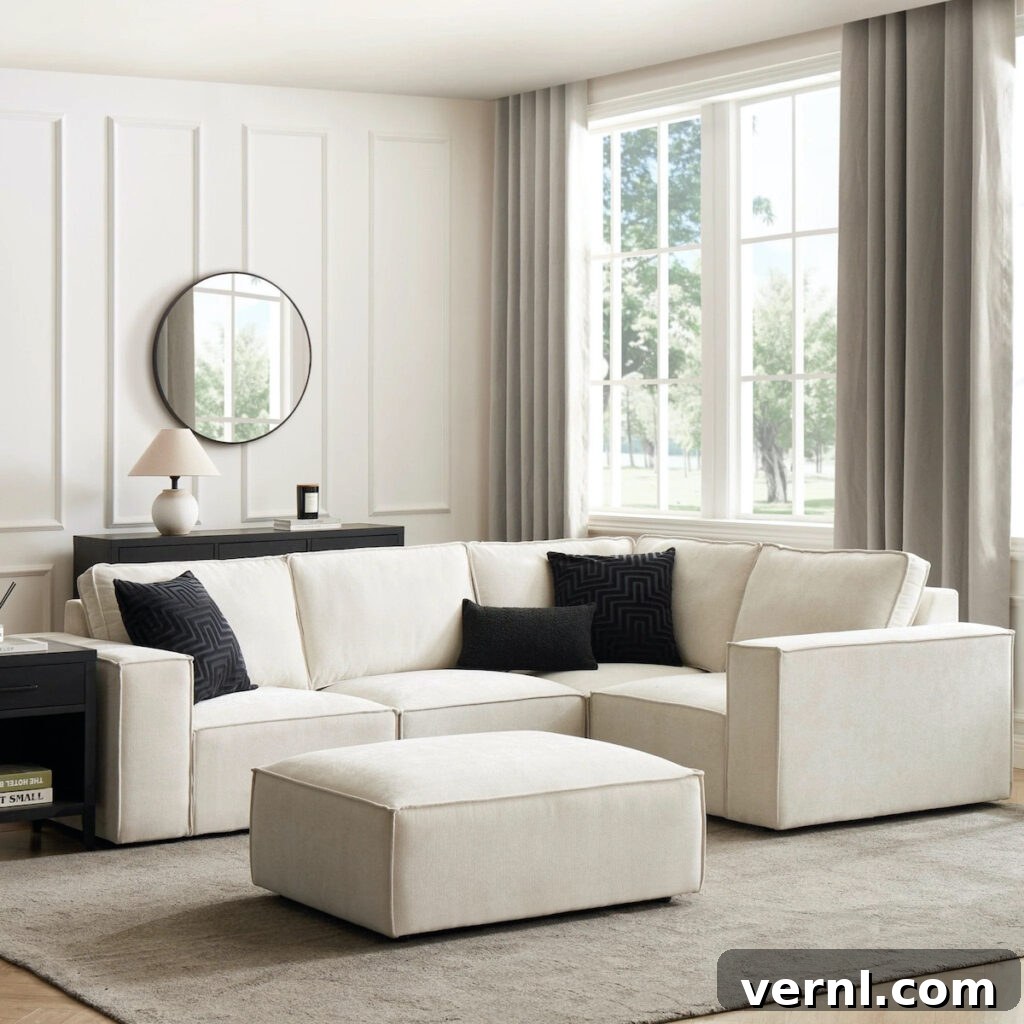
Choosing the right fabric
The fabric you choose affects appearance, comfort, and maintenance. Consider how the material behaves under daily use and whether it suits household needs like pets, children, or frequent entertaining.
Fabric options
- Natural fabrics: Cotton, linen, wool, and leather offer a classic feel and breathe well, but they can require more care and may fade or stain if not treated.
- Synthetic fabrics: Polyester, nylon, and microfiber are engineered for stain resistance and durability, making them practical for high-traffic homes.
- Blends: Mixed fibers combine the softness of natural materials with the durability and easy care of synthetics.
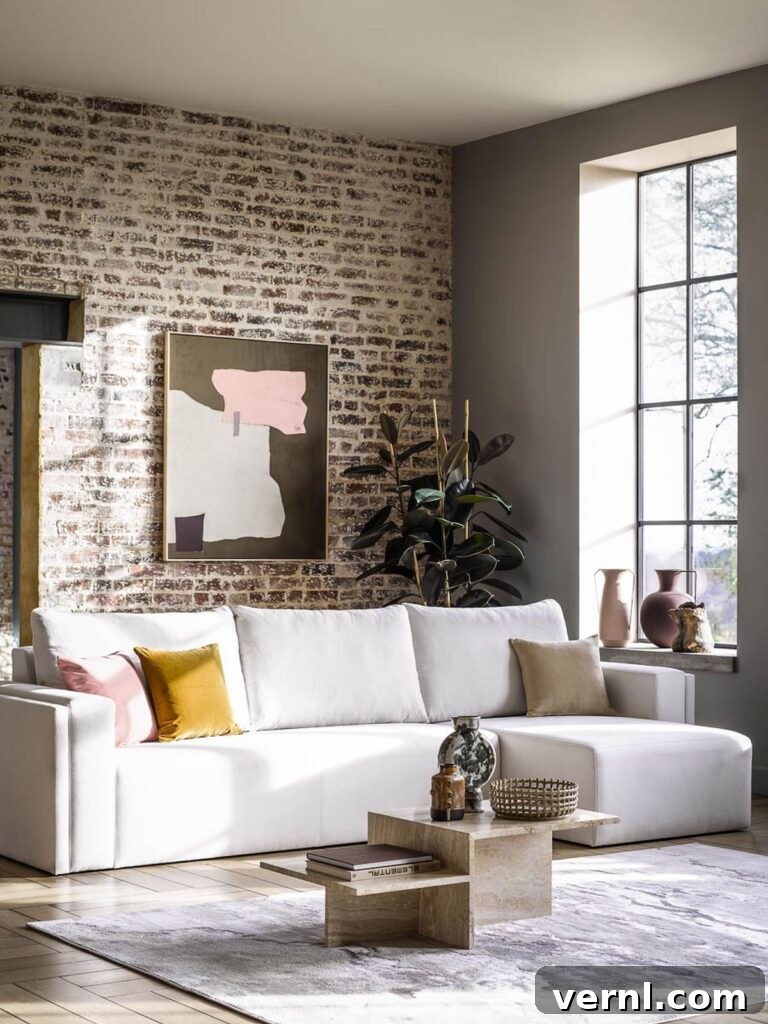
Pros and cons
- Stain resistance: Homes with kids or pets benefit from fabrics that repel stains or have protective finishes.
- Wear and tear: Tightly woven fabrics and durable finishes last better in high-use areas.
- Comfort: Texture and temperature sensitivity vary between fabrics; choose what feels good for you.
- Aesthetics: Consider texture, colour, and pattern so the sofa complements your interior design.
Sustainable and pet-friendly fabrics
- Eco-friendly fabrics: Seek organic or recycled textiles and certifications such as OEKO-TEX or GOTS.
- Pet-friendly fabrics: Tightly woven textiles or leather resist scratching and are easier to clean; some fabrics are designed to repel pet hair and odors.
Selecting fabric is a balance between practicality, appearance, and ethics—choose what aligns with your daily needs and values.
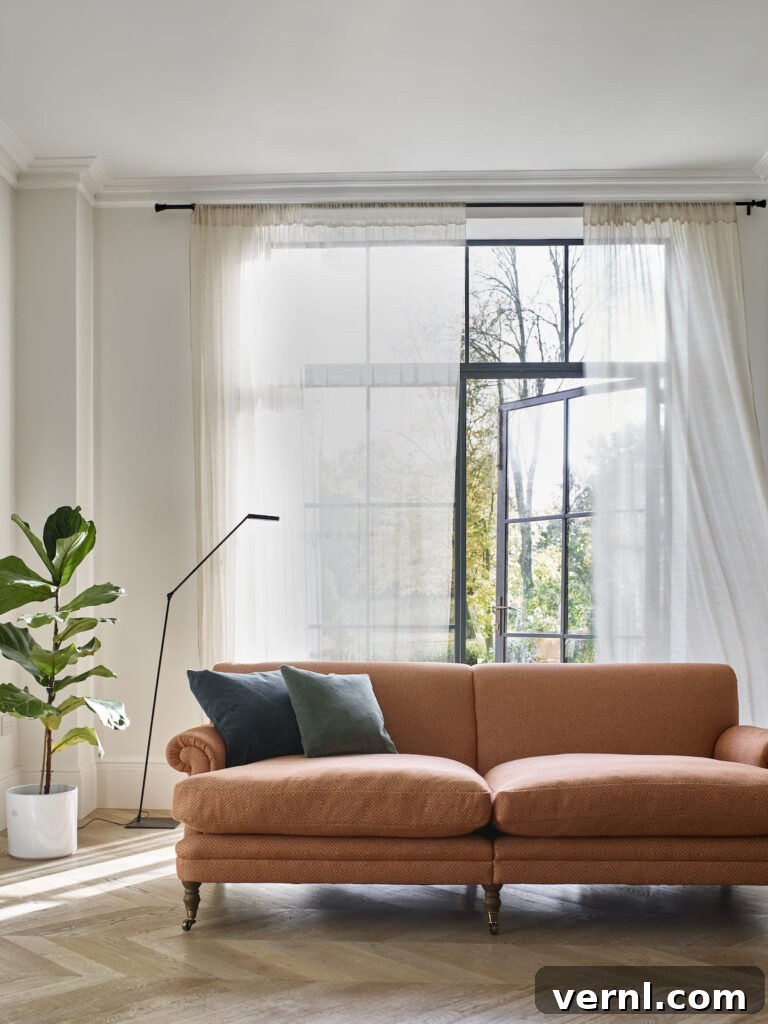
Sofa fillings
Cushion fillings determine both comfort and how well the sofa holds its shape. Different materials suit different priorities, from firm support to soft lounging.
Material choices
- Foam: High-resilience foam gives firm, supportive seating and keeps its shape well over time. Densities vary and affect firmness and longevity.
- Feather and down: Luxuriously soft and sink-in comfortable, these need regular fluffing and may trigger allergies for some.
- Polyester fibre: Lightweight and budget-friendly, polyester fillings are soft but can flatten or clump over years of use.
- Hybrid fillings: Combinations—like a foam core wrapped in feathers—offer support with a softer surface feel, balancing durability and comfort.
Comfort vs durability
- Personal preference: Foam tends to be more durable and supportive; feather and down offer a softer, more indulgent feel.
- Usage: For frequent lounging, plush fillings may be preferable; for regular seating and support, firmer fillings are often better.
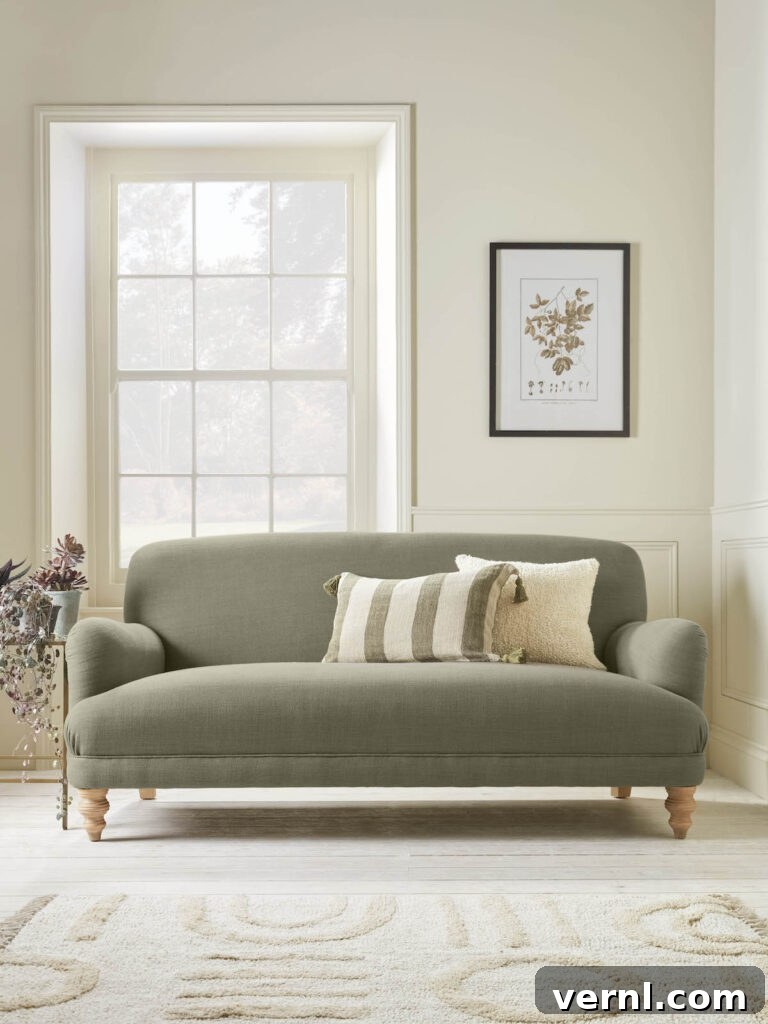
Maintenance and care
- Regular upkeep: Rotate and fluff cushions regularly to maintain shape and even wear.
- Removable covers: Cushions with removable covers simplify cleaning, especially in homes with spills or pets.
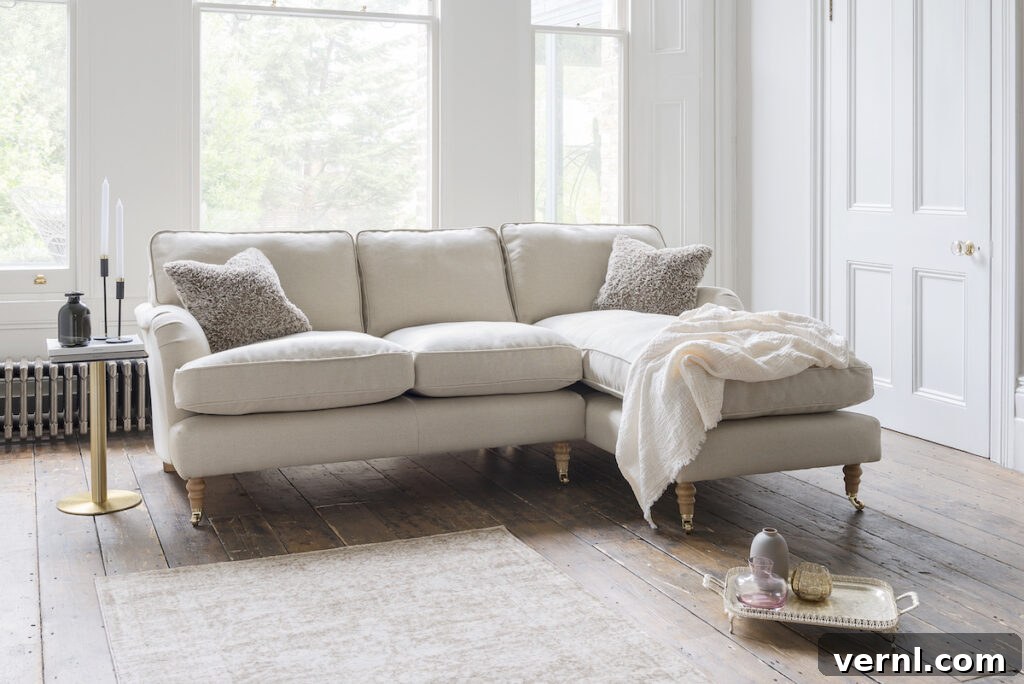
Size considerations when buying a sofa
Ensuring a sofa fits both the room and the path to the room is essential. Measure the intended space and all access routes—doorways, hallways, staircases—before you buy.
Here are practical steps to avoid delivery headaches:
Dimensions and access
- Room dimensions: Measure length, depth, and height where the sofa will sit to preserve proportion and circulation space.
- Access points: Measure doorframes, corridors, and any turns the sofa must negotiate.
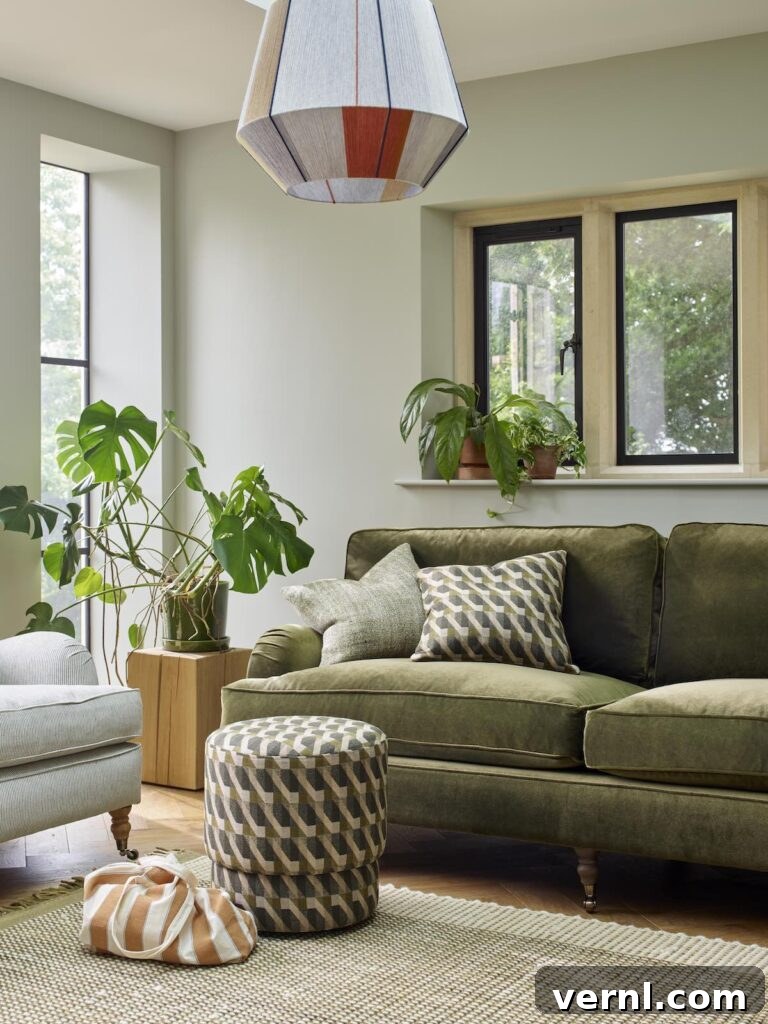
Practical tips
- Use painter’s tape: Outline the sofa footprint on your floor to visualise scale and traffic flow.
- Check detailed measurements: Product specs should include overall dimensions and component sizes for modular or sectional pieces.
- Consider modular options: Modular sofas arrive in sections that make access and assembly easier.
- Watch delivery obstacles: Note low lights, bannisters, and tight corners that could complicate moving the sofa into place.
Will it fit through the door?
Compare the sofa’s height, width, and diagonal depth (from top back corner to bottom front corner) to doorway dimensions. Angling a sofa can sometimes allow it to pass through narrower openings.
Awkward turns and narrow hallways
- Plan the path: Map the route movers will take and measure problem spots in advance.
- Removable parts: Detaching legs or other removable pieces can make maneuvering easier.
Living in a flat
- Lift size: If you have a lift, confirm the sofa will fit upright if necessary.
- Stairwell measurements: For buildings without a lift, measure stair width and ceiling height to ensure safe passage.
Careful measurement and planning prevent the common pitfalls of purchasing a sofa that won’t fit your home or delivery route.
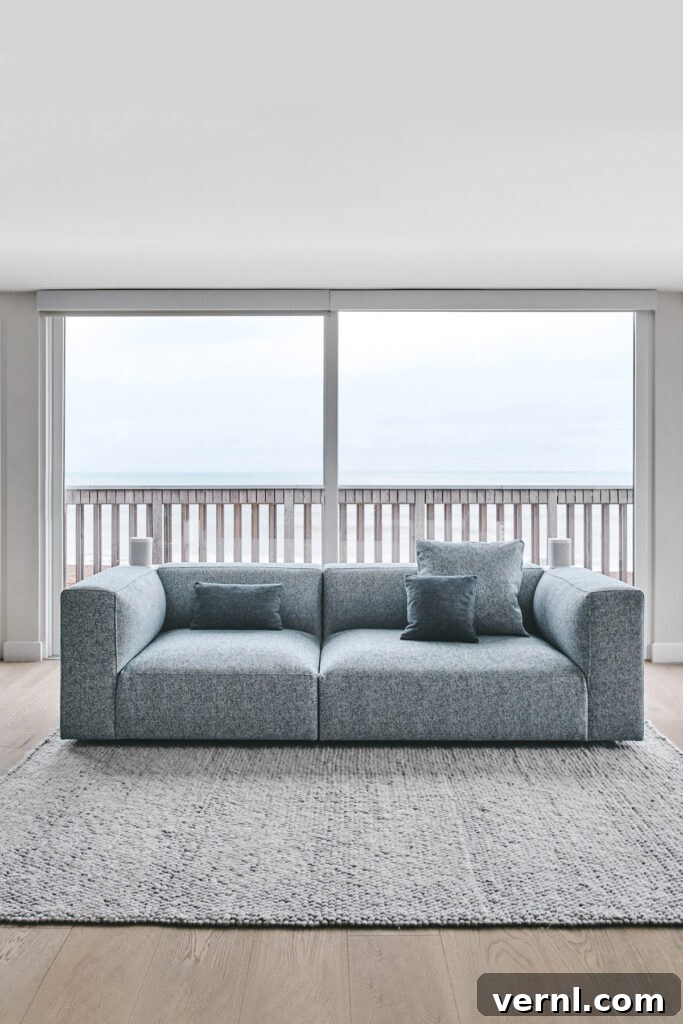
Customisation options
Customisation—from swatches to modular layouts—lets you tailor a sofa to your exact needs and ensures it fits your space and aesthetic.
Swatches and samples
- Fabric swatches: Order samples to see how materials look and feel in your lighting and against your décor.
- Colour accuracy: Screens can misrepresent colours; swatches reduce the risk of mismatch.
Modular options
- Versatility: Modular sofas can be rearranged into different configurations to suit changing needs.
- Future flexibility: Add sections later to expand seating as your household grows.
- Functional pieces: Consider options like corner units or sofa beds to increase utility.
Tailoring to your space
- Leg styles and finishes: Small details such as leg design and finish help match the sofa to your interior style.
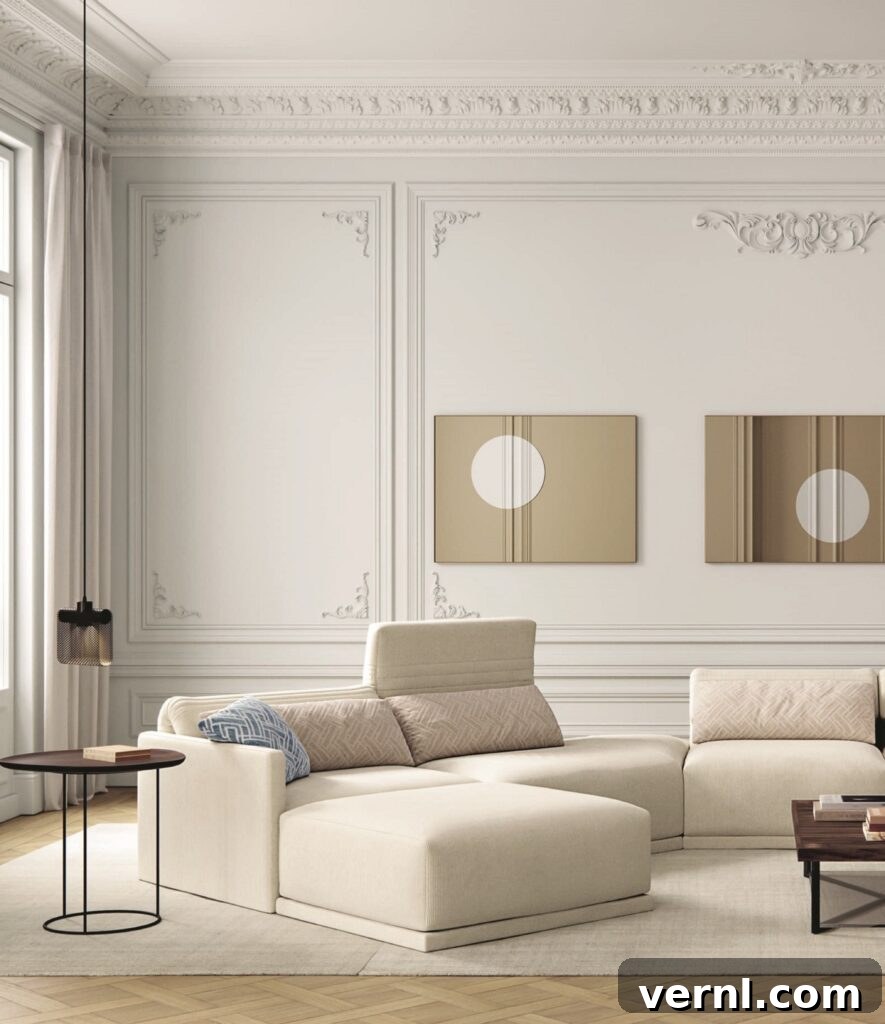
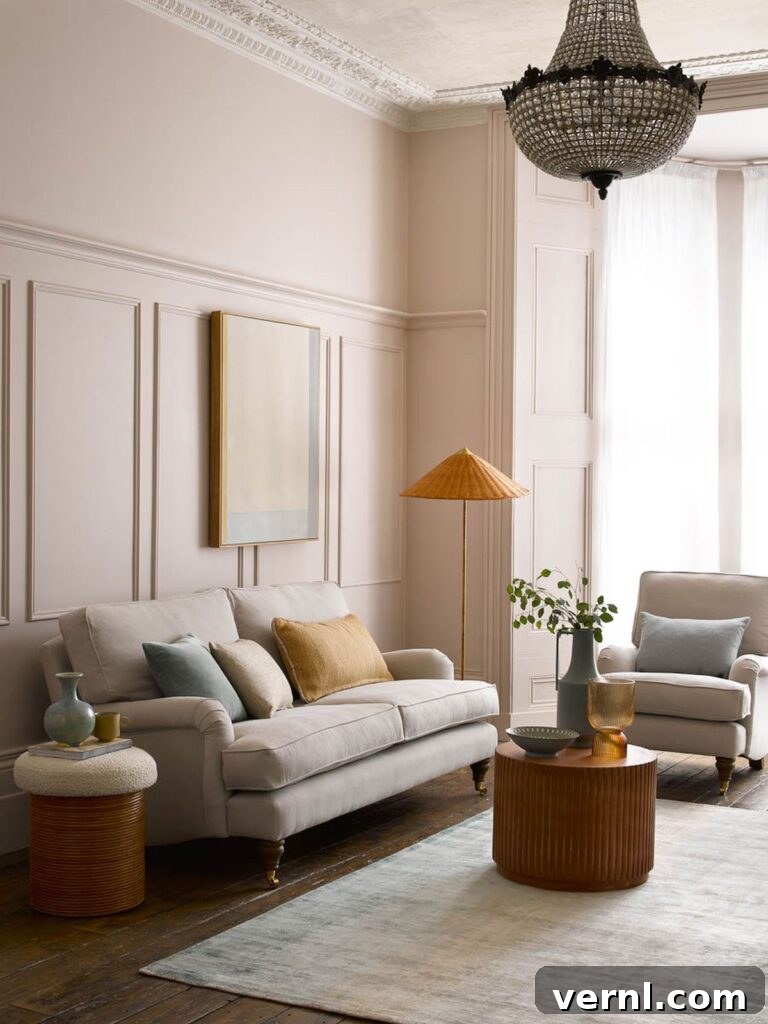
How can you tell a good quality sofa?
A quality sofa displays sturdy construction, thoughtful details, and materials that match your expectations for longevity and comfort. Look for a solid hardwood frame, robust joinery, dense resilient cushion fillings, and durable upholstery. Consistent pattern matching, neat seams, and a comfortable, solid feel from all angles are good signs. A clear warranty also indicates a manufacturer’s confidence in their product.
Should you try a sofa before you buy it?
It’s wise to test a sofa in person when possible. Sitting on a sofa reveals cushion firmness, support, and how the fabric feels. If showroom visits aren’t feasible, choose retailers with generous return policies, trial periods, or virtual previews to reduce the risk of disappointment.
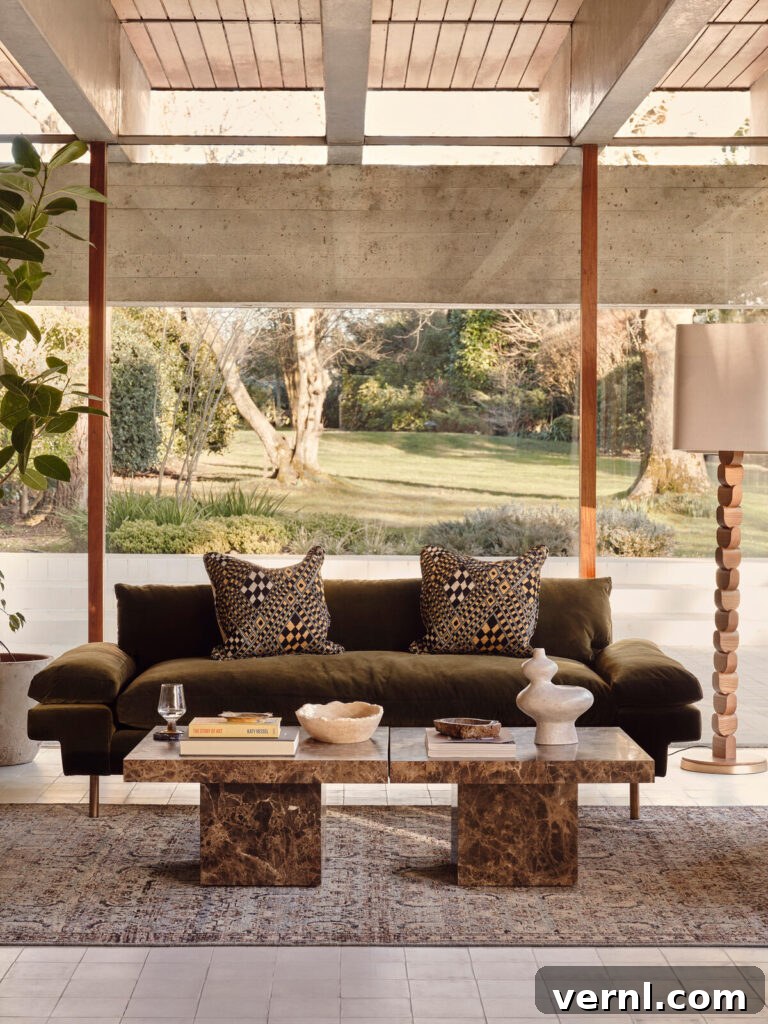
How much should I spend on a sofa?
Budget varies by need and priorities. Here are typical price brackets and what to expect from each.
Budget sofas (£500 – £1,000)
Budget sofas suit short-term needs, rentals, or first homes. They can be stylish and functional but may compromise on construction and materials, limiting longevity.
Mid-range sofas (£1,000 – £3,000)
Mid-range sofas balance quality, comfort, and design. Expect better craftsmanship, more durable materials, and greater styling choices—often the best value for families seeking longevity without the highest prices.
Luxury sofas (£3,000 and up)
Luxury and designer sofas offer premium materials, bespoke options, and superior craftsmanship. They suit buyers who view a sofa as a long-term investment or centerpiece and who prioritize customisation, unique design, and top-quality finishes.
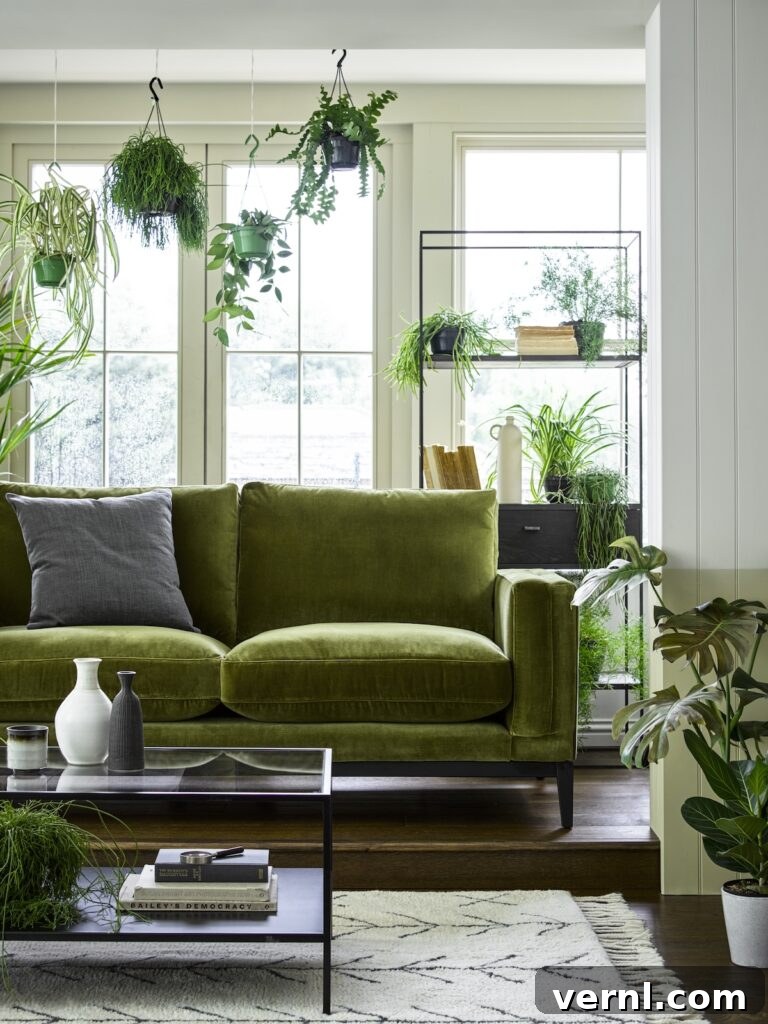
Choosing the right sofa means balancing style, comfort, durability, and budget. By prioritising solid construction, appropriate materials, and a design that fits your life, you’ll choose a sofa that remains a comfortable, attractive centerpiece for years to come.