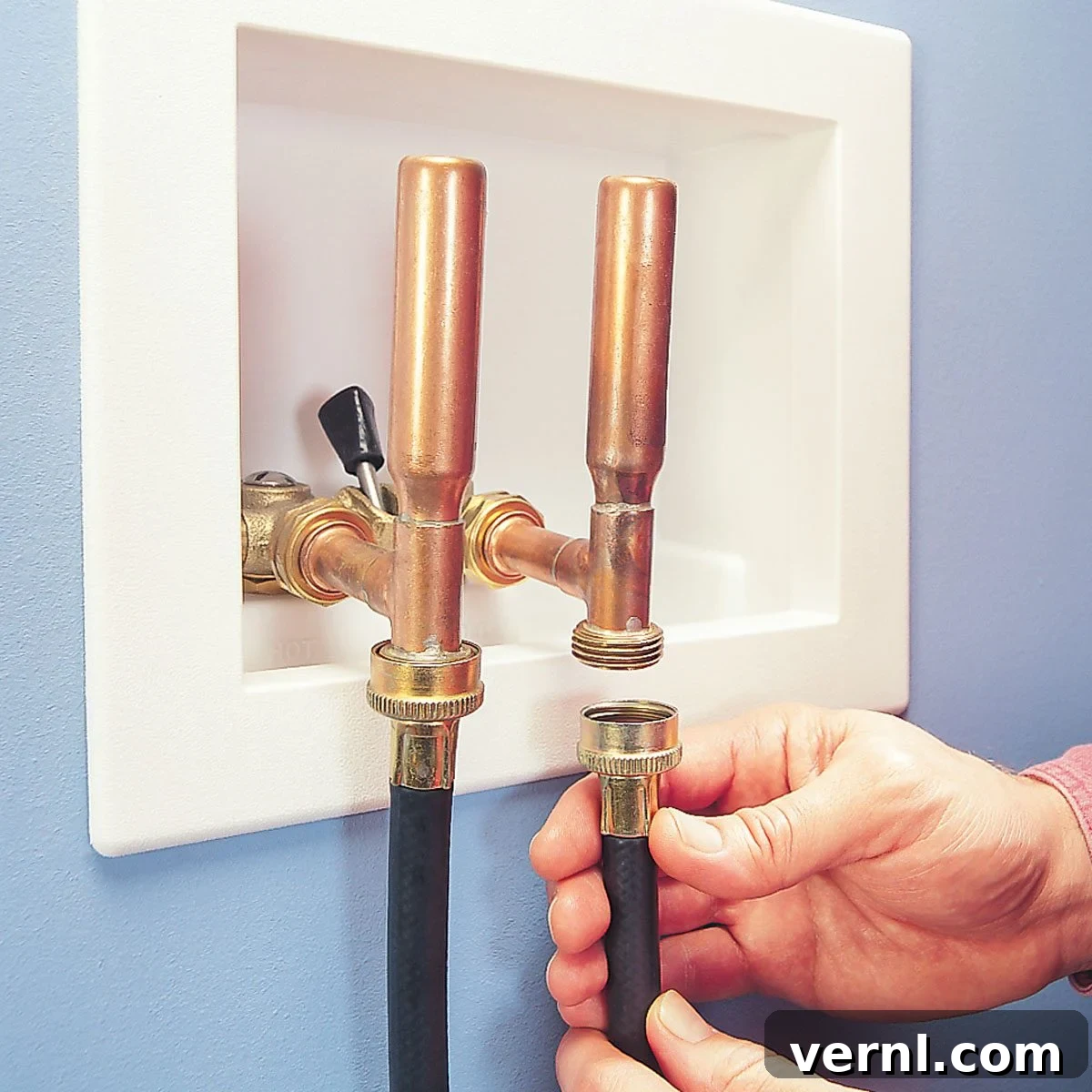
Silence Your Plumbing: A Comprehensive Guide to Stopping Banging Water Pipes
Are you frequently startled by an unsettling “thump,” “bang,” or “clank” echoing from within your home’s walls whenever a faucet is turned off or an appliance cycles? This jarring phenomenon, commonly known as water hammering, is more than just an irritating noise; it’s a clear indicator of underlying issues within your plumbing system that demand attention. Understanding the root causes of water hammer and implementing the right solutions can restore tranquility to your home and safeguard the integrity of your entire plumbing infrastructure.
Understanding Water Hammering: The Force Behind Noisy Pipes
At its core, water hammering is a hydraulic shockwave. It occurs when the flow of water in a pipe is suddenly and abruptly stopped or forced to change direction. Water, while seemingly fluid and gentle, possesses considerable mass and momentum when moving through pipes, especially under pressure. When a valve closes quickly, this moving column of water has nowhere to go. Its kinetic energy is then rapidly converted into a pressure surge, creating a shockwave that travels through the pipe.
This intense pressure spike forces the pipes to flex and vibrate violently, often causing them to strike against nearby structural elements like wall studs, floor joists, or even other pipes. The resulting impact generates the distinctive banging, clanging, or thumping sounds that homeowners find so disruptive. The severity of the hammer depends on several factors, including the water’s velocity, the length of the pipe run, the pipe material, and the speed at which the valve closes.
The Role of Quick-Closing Valves
While any sudden shutoff can induce water hammer, certain modern appliances are notorious culprits. Solenoid-triggered valves, which are designed for rapid response and efficiency, are key contributors. These include the water fill valves found in essential household devices such as washing machines, dishwashers, and water softeners. Because these valves shut off almost instantly, they create the most ferocious and impactful hammering. In contrast, traditional hand-controlled faucets or garden hose spigots usually cause less severe hammering because the user typically closes them more gradually, allowing the water flow to decelerate over a short period.
Beyond the annoying noise, the intense pressure waves generated by water hammer place significant strain on your plumbing system. This includes rubber hoses, soldered copper pipe fittings, and the internal mechanisms of appliances themselves. Over time, this constant stress can lead to premature wear, leaks, and costly repairs, making it crucial to address water hammer promptly.
Are Banging Water Pipes Dangerous? More Than Just an Annoyance
For many homeowners, banging water pipes are primarily a source of irritation. The loud noises can be disruptive, particularly at night, and unsettling. However, it’s critical to understand that while the noise itself isn’t directly dangerous in the immediate sense, it serves as a warning sign of an underlying problem that could lead to significant damage and potential hazards to your plumbing system over time if left unaddressed.
The Potential Long-Term Damage from Water Hammer
Water hammering, if allowed to persist, can subject your plumbing system to relentless abuse. Each bang is essentially a mini-earthquake within your pipes, and the cumulative effect can be severely detrimental:
- Weakened Pipe Joints and Fittings: The repeated jolting can loosen connections, stress soldered joints, crack threaded fittings, and eventually lead to drips, leaks, or even catastrophic pipe bursts. This is particularly true for older plumbing or improperly installed systems.
- Damage to Appliances: The rapid pressure changes can wear out the internal components, valves, and hoses of appliances like washing machines, dishwashers, ice makers, and water heaters, shortening their lifespan and leading to expensive repairs.
- Compromised Pipe Supports: Pipes are typically secured to studs and joists with clamps or straps. Constant movement and impact can loosen these supports, causing pipes to sag, vibrate more, and exacerbate the hammering issue.
- Structural Wear: In extreme cases, the incessant banging against walls and floors can cause minor damage to drywall or other structural finishes, though this is less common than plumbing component failure.
- Increased Risk of Leaks: Ultimately, the most significant danger is the increased risk of leaks or burst pipes, which can cause extensive water damage to your home, foster mold growth, and lead to costly repairs and remediation.
Other Reasons Your Pipes Might Be Banging
While water hammering is the most common culprit, it’s important to distinguish it from other plumbing noises that can also manifest as banging. Properly diagnosing the cause is key to implementing the correct solution:
- Excessive Water Pressure: If your home’s water pressure is too high (typically above 80 PSI), it can cause pipes to vibrate and knock. High pressure also puts undue strain on all plumbing fixtures and appliances, leading to leaks or burst pipes regardless of water hammer.
- Loose or Inadequately Supported Pipes: Sometimes, pipes simply aren’t properly secured within walls, floors, or ceilings. When water flows through them, they can shift and knock against framing members or other pipes. This is often more of a rhythmic rattling than a sharp bang.
- Air in the Pipes: Air pockets trapped within your water lines can also create knocking or gurgling sounds as water tries to push through them. This often occurs after plumbing work or if your water supply has been temporarily shut off.
- Thermal Expansion and Contraction: Hot water pipes are particularly susceptible to noise caused by changes in temperature. As hot water flows, pipes expand. If they are tightly constrained or rub against framing, the expansion can cause creaking, groaning, or banging noises. Similarly, as they cool and contract, they can shift back into place with a sound.
- Loose or Faulty Plumbing Joints: Over time, plumbing joints can become loose due to old age, improper installation, or the constant stress of expansion and contraction. A loose joint can allow pipes to move excessively and bang.
If you’re experiencing banging water pipes in your home, it’s crucial to investigate the issue. While some problems can be addressed with DIY solutions, complex or persistent issues often warrant consulting a professional plumber. Timely intervention will safeguard your plumbing system’s integrity, prevent costly damage, and restore peace and quiet to your home.
Effective Solutions for Quieting Your Plumbing System
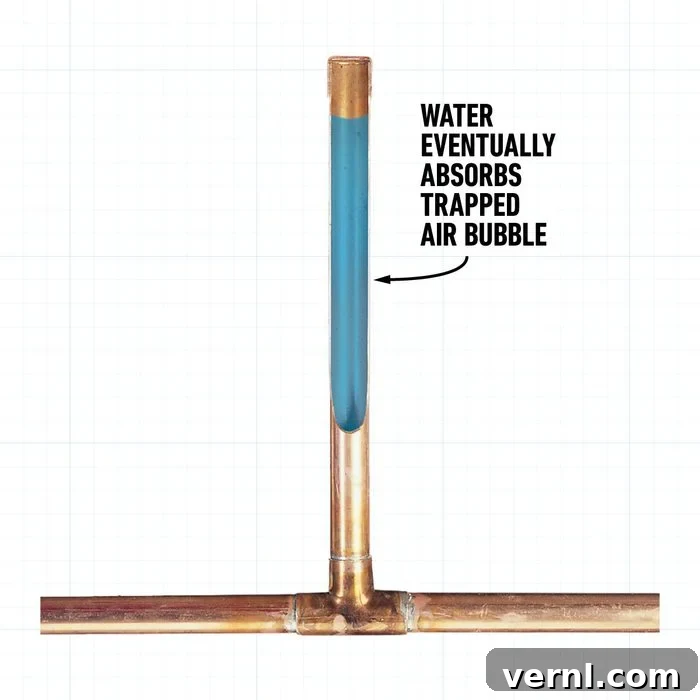
Addressing banging water pipes effectively requires a systematic approach, starting with the most common cause: water hammer. Fortunately, several proven methods can mitigate or entirely eliminate this disruptive issue.
The Role of Water Hammer Arresters
For decades, the traditional, albeit temporary, solution involved installing a capped length of copper pipe, essentially creating an air chamber (as depicted above). This vertical stub of pipe was meant to trap a bubble of air, which would compress and act as a shock absorber for the back pressure created by sudden valve closures. However, this method has a significant drawback: the air bubble eventually diminishes. Over time, the air gradually gets absorbed by the water until it completely disappears, rendering the air chamber useless and allowing the hammering to return.
The modern and far more reliable solution is to install a manufactured water hammer arrester. These devices, readily available at home centers and plumbing supply stores, are specifically engineered to absorb the shockwaves of water hammer. Unlike traditional air chambers, manufactured arresters contain a sealed air cushion separated from the water by a flexible diaphragm or a piston. This design prevents the air from dissolving into the water, ensuring a long-lasting and effective solution.
Types and Installation of Water Hammer Arresters
Water hammer arresters come in various types and sizes, each suited for different applications:
- In-Line Arresters: These are designed to be plumbed directly into a horizontal or vertical water supply line. They typically feature threaded connections and can be installed by cutting into an existing pipe and inserting the arrester. These are ideal for general whole-house protection or for longer pipe runs.
- Point-of-Use (Angle Stop) Arresters: These compact arresters are designed for specific appliances. They often connect directly to the existing angle stop valve or between the spigot and the appliance’s water supply hose (e.g., washing machine hoses, dishwasher hoses). They are particularly effective for quieting the hammering caused by individual rapid-cycling appliances.
- Piston vs. Diaphragm Arresters: Both types feature a sealed air chamber. Piston-type arresters use a moving piston to separate the air from the water, while diaphragm-type arresters use a flexible membrane. Both are highly effective, with selection often coming down to brand preference or specific installation requirements.
Installation Best Practices:
The effectiveness of a water hammer arrester is greatly influenced by its location. The closer you locate the arrester to the solenoid valve or fixture causing the hammering, the better. For instance, an arrester installed directly behind a washing machine will be far more effective than one installed several feet away in a basement.
In some cases, especially in larger homes or complex plumbing systems, you may need to install multiple in-line arresters. You can add them to other water pipes near frequently used faucets or valves that cause hammering, thereby creating a network of shock absorption throughout your home’s plumbing. Consulting the arrester manufacturer’s guidelines for sizing and placement is always recommended to ensure optimal performance.
Beyond Arresters: Addressing Other Causes of Pipe Noise
While water hammer arresters are the primary solution for hydraulic shock, remember that other factors can cause pipes to bang. Addressing these can further enhance your plumbing system’s quietness and longevity:
- Reduce Excessive Water Pressure: If a pressure gauge indicates your home’s water pressure exceeds 80 PSI, consider installing a pressure-reducing valve (PRV) on your main water line. A PRV will lower the overall pressure, reducing strain on your entire plumbing system and often alleviating some banging issues.
- Secure Loose Pipes: Inspect accessible pipe runs (in basements, crawl spaces, utility closets) and identify any loose sections. Use pipe clamps, insulation, or foam pipe supports to firmly secure pipes to wall studs or joists. This prevents them from knocking against structural elements or other pipes when water flows.
- Bleed Air from the System: If air pockets are causing the noise, you can often flush them out. Turn off the main water supply, then open all faucets (hot and cold) throughout your house, starting from the lowest level and working your way up. Once all faucets are open, slowly turn the main water supply back on, allowing water to flow until air is completely purged from all fixtures. Close the faucets starting from the highest level down.
- Insulate Hot Water Pipes: For banging due to thermal expansion, insulating hot water pipes with foam pipe insulation can help. This reduces temperature fluctuations and prevents pipes from rubbing against framing as they expand and contract. Ensuring proper clearance for hot water lines during installation is also crucial.
When to Call a Professional Plumber
While installing water hammer arresters and securing loose pipes can often be DIY tasks, there are situations where professional help is invaluable. If you’re unsure about the cause of the banging, if the problem persists after your attempts to fix it, or if you suspect more serious underlying issues like high water pressure that requires a PRV installation, consulting a licensed plumber is highly recommended. A professional can accurately diagnose complex plumbing issues, ensure proper installation of solutions, and guarantee the long-term integrity and safety of your home’s plumbing system. Investing in professional expertise can save you significant time, money, and stress in the long run.