Maintaining optimal indoor air quality and comfort, especially during the dry fall and winter months, is crucial for overall well-being. This is where humidifiers play a vital role. These ingenious devices introduce much-needed moisture back into the air when natural humidity levels drop. The Mayo Clinic, a trusted authority in health, recommends maintaining indoor humidity levels between 30 to 50 percent. Adhering to this range is essential for preventing common discomforts such as dry skin, irritated nasal passages and throats, and itchy eyes. Beyond mere comfort, proper humidity can also contribute to a healthier environment, potentially helping to ward off common colds and flu, and even alleviating symptoms when you’re already feeling under the weather.
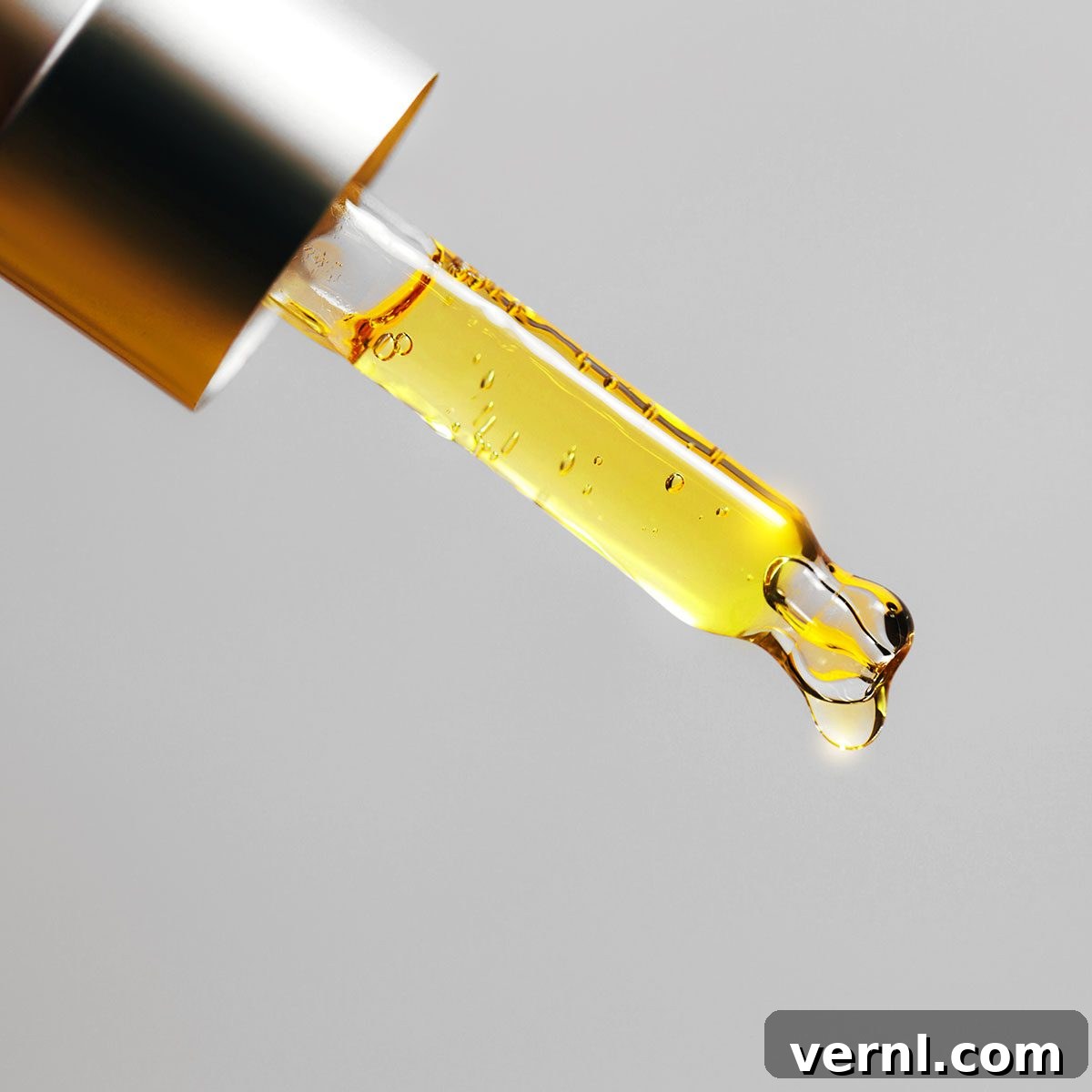
The mist that humidifiers release is typically pure, unscented water vapor. It carries no inherent fragrance, leading many to ponder the possibility of enhancing this experience. The idea of adding essential oils directly to a humidifier’s water basin is a common curiosity. The appeal is understandable: imagine not only enjoying the health benefits of increased humidity but also infusing your living space with pleasant aromas, which many believe offer additional therapeutic advantages. However, as appealing as this combination might sound, the reality is more nuanced and often leads to disappointment or even damage.
Can I Put Essential Oils in My Humidifier? Understanding the Risks
The straightforward answer for most conventional humidifiers is a resounding no. It is generally not safe or advisable to add essential oils directly into the water tank or any part of a standard humidifier. While the thought of combining humidity with aromatherapy is enticing, the design and materials of most humidifiers are simply not compatible with the concentrated chemical compounds found in essential oils. Failing to adhere to this guideline can lead to several problems, ranging from equipment damage and voided warranties to potential health risks.
The “why” behind this recommendation lies in the fundamental differences between water and essential oils. Water is a polar solvent, while essential oils are complex mixtures of non-polar organic compounds. This difference in molecular structure means they don’t mix uniformly but rather separate, with the oils often floating or accumulating. When these potent oils come into contact with the plastic components, rubber seals, or delicate mechanisms of a humidifier, they can initiate a process of degradation. Over time, this degradation can weaken plastics, erode rubber gaskets, and cause internal components to break down, leading to leaks, malfunctions, or even complete failure of the unit. Furthermore, the buildup of essential oil residue can create an environment conducive to mold and bacterial growth, counteracting the very purpose of improving air quality.
How Humidifiers Work: Diverse Mechanisms and Their Limitations
To fully grasp why essential oils and most humidifiers don’t mix, it’s helpful to understand the different ways humidifiers operate.
Evaporative (Cool Mist) Humidifiers
Most common humidifiers, particularly those that produce a cool mist, function by drawing water from a reservoir through a wet wicking filter or pad. A fan then blows air over or through this saturated filter, causing the water to evaporate into the air as a fine, invisible mist. This process is highly effective at increasing humidity without introducing heat.
However, this type of humidifier is unequivocally incompatible with essential oils. The oils, being denser and prone to residue, can severely clog the porous wicking filter. Once clogged, the filter’s ability to absorb and release water is compromised, significantly reducing the humidifier’s efficiency. Beyond clogging, essential oils can erode the plastic tank materials and delicate fan mechanisms. These oils can cause plastics to become brittle, crack, or even leach harmful chemicals, which are then dispersed into your air along with the mist. This is precisely why nearly all major manufacturers of cool mist humidifiers explicitly advise against using essential oils, recommending instead the use of a diffuser specifically designed for aromatherapy.
Ultrasonic Humidifiers (Standard, Non-Essential Oil Friendly)
Another popular cool mist technology is ultrasonic humidification. These units use a small, rapidly vibrating diaphragm (a ceramic or metal disc) that operates at ultrasonic frequencies. This vibration breaks water into an extremely fine mist, which is then dispersed into the air. While these humidifiers do not use a wicking filter, they still present similar problems with essential oils. The oils can accumulate on the vibrating disc, hindering its ability to create mist efficiently. More critically, the concentrated oils can degrade the plastic water tank and internal seals, leading to leaks and component failure. The very nature of essential oils, being potent and solvent-like, makes them aggressive toward many common plastics.
Warm Mist Humidifiers and Steam Vaporizers
Steam vaporizers operate by boiling water to create steam, which is then released into the room. This process kills bacteria and mold in the water, offering a hygienic form of humidification. However, despite the boiling process, most manufacturers of both steam humidifiers and essential oils strongly advise against combining the two. The high heat involved in boiling water can dramatically alter the chemical makeup of essential oils. This transformation can lead to a significant change in the oil’s aromatic profile, often resulting in an unpleasant or diminished scent. More importantly, the therapeutic properties and potential health benefits associated with the original chemical compounds of the essential oil can be lost or drastically altered. Furthermore, the residue from the oils can build up in the heating element or steam outlet, making cleaning difficult and potentially damaging the unit over time.
Humidifiers vs. Diffusers: Designed for Different Purposes
Understanding the distinction between humidifiers and diffusers is key to safely enjoying both increased humidity and aromatherapy.
Diffusers: Specifically Engineered for Essential Oils
Diffusers are purpose-built devices designed to disperse essential oils into the air without damaging the oil’s integrity or the device itself. They come in several forms:
- Nebulizing Diffusers: These diffusers work by atomizing essential oils into a fine mist using pressurized air, similar to a perfume atomizer. They use no water or heat, delivering a highly concentrated burst of pure essential oil into the air. While highly effective for therapeutic use, they tend to use oils more quickly and can be louder.
- Fan or Evaporative Diffusers: These simple devices use a small fan to blow air over a pad or wick soaked with essential oils. The air carries the scent into the room as the oil evaporates. They are often quiet and economical but may not disperse the scent as widely or potently as other types.
- Ultrasonic Diffusers: These are perhaps the most popular type and are often confused with ultrasonic humidifiers. Ultrasonic diffusers also use a small, rapidly vibrating disc to break liquid into a fine mist. However, they are specifically designed to handle a mixture of water and essential oils. The vibrating disc is usually made of ceramic or other resistant materials, and the internal components are built to withstand the properties of essential oils. A small amount of essential oil is added to a water reservoir, and the ultrasonic vibrations create a cool, scented mist.
While an ultrasonic diffuser can technically humidify the air due to the water mist it produces, its primary function is aromatherapy. The water tanks in most diffusers are significantly smaller than those in dedicated humidifiers, making them impractical for use as a primary means of increasing overall room humidity. They are excellent for localized aromatherapy but won’t provide the comprehensive humidity control a full-sized humidifier offers.
The Best of Both Worlds: Humidifiers Made for Essential Oils
For those who are truly committed to simultaneously humidifying their air and enjoying the benefits of essential oils, manufacturers have responded by creating specialized devices. These units are typically ultrasonic humidifiers that feature a designated essential oil tray or chamber, separate from the main water tank and the core humidifying mechanism. This design allows for the safe diffusion of essential oils without exposing the humidifier’s sensitive components to the oils directly.
In these specialized humidifiers, essential oils are usually added to a small, removable pad or tray. Air is then drawn over this pad and mixed with the water mist before being dispersed into the room. This ingenious design ensures that the potent chemical compounds of the essential oils do not come into direct contact with the plastics or electronics of the main humidifier tank and misting mechanism. As a result, the humidifier’s integrity is preserved, its lifespan is extended, and the warranty remains intact. Furthermore, because the oils are diffused indirectly, their therapeutic properties are less likely to be compromised by direct exposure to water or intense vibrations, ensuring you receive the intended aromatic and potential health benefits.
When selecting such a device, look for models explicitly marketed as “essential oil compatible” or those with a dedicated essential oil compartment. For instance, the TaoTronics humidifier is a popular choice, boasting a designated essential oil tray and over 1,300 five-star reviews on Amazon. It is frequently lauded for its built-in humidity monitor, ease of cleaning, and impressive longevity. Another highly-rated and more budget-friendly option is the Mikikin humidifier, which also scores highly for its functionality and value. These purpose-built humidifiers offer a safe and effective way to enjoy the dual benefits of improved air humidity and delightful essential oil aromas in your home.
Best Essential Oils to Diffuse in Your Home: A Guide to Popular Choices
If you’re new to the world of essential oils, navigating the vast array of choices can be overwhelming. Here’s a guide to some of the most popular and versatile essential oils, known for their distinct aromas and perceived benefits, ideal for diffusing in your home:
- Lavender: Revered for its profoundly calming and relaxing properties, lavender essential oil has long been a bedtime favorite for those seeking to unwind and promote restful sleep. Its sweet, floral aroma is a staple in aromatherapy for stress reduction and anxiety relief. Diffusing lavender in the evening can help create a tranquil atmosphere conducive to winding down after a long day.
- Lemon: With its bright, clean, and uplifting citrus scent, lemon essential oil is often said to purify the air and significantly perk up one’s mood. It’s an excellent choice for revitalizing your living space, dispelling stale odors, and fostering a sense of energy and focus. Many use it in the mornings or during work hours to enhance alertness and create a positive environment.
- Peppermint: Known for its invigorating and crisp aroma, peppermint essential oil is a powerful ally for respiratory issues. Its menthol content can help clear airways, making it beneficial during cold and flu season or when experiencing congestion. Beyond its therapeutic uses, diffusing peppermint can also make your house smell refreshingly clean, often evoking memories of candy canes or fresh mint gardens. It’s also believed to help with focus and reduce headaches.
- Eucalyptus: This potent oil, with its characteristic camphorous and woody aroma, is widely recognized for its clearing and stimulating properties, particularly for the respiratory system. Often found in chest rubs and inhalants, diffusing eucalyptus can help ease breathing, soothe coughs, and provide a sense of openness. It is also believed to have a calming effect, making it useful for creating a serene and meditative atmosphere when you’re having trouble relaxing or need to clear your mind.
- Wild Orange: A delightful and cheerful citrus oil, wild orange serves as a fantastic pick-me-up when you’re feeling sluggish or in need of a mood boost. Its sweet, vibrant aroma is uplifting and energizing, promoting a sense of well-being and positive outlook. Beyond its mood-enhancing qualities, wild orange oil is also suggested to help purify the air and potentially boost the immune system, making it a versatile addition to your essential oil collection.
When using essential oils, always ensure you purchase high-quality, pure oils from reputable sources. While generally safe for diffusion, individuals with sensitivities, allergies, or certain medical conditions should consult with a healthcare professional before incorporating essential oils into their routine. Proper dilution and understanding of each oil’s specific properties are key to safe and effective aromatherapy.
All prices and links were current as of publication.