For any family, selecting a vehicle is a decision often guided by a paramount concern: safety. Features like robust airbags, advanced driver-assistance systems, and ample seating for loved ones are non-negotiable considerations. However, a recent and tragic incident has cast a shadow over one popular family SUV, the Hyundai Palisade, prompting an urgent stop-sale and raising serious questions about the reliability of seemingly practical features.
Hyundai, a brand synonymous with value and increasingly, with sophisticated design, has been forced to take drastic action following a devastating accident. This incident underscores a critical reminder that even with modern advancements, mechanical and electronic systems can harbor unforeseen dangers, demanding constant vigilance from manufacturers and consumers alike. The automotive giant’s recent announcement concerns a perilous defect within the power-folding and sliding seats of specific Palisade models, a flaw that has already led to a heartbreaking loss of life. This article delves into the details of the recall, the models affected, the potential risks, and the comprehensive measures Hyundai is undertaking to address this grave safety concern.
Urgent Stop-Sale: Unpacking the Hyundai Palisade Power Seat Defect
The core of Hyundai’s urgent action lies in a critical flaw identified within the second and third-row power seats of certain Palisade vehicles. As detailed in a recent press release, the company has initiated a stop-sale due to concerns that these power seats “may not adequately detect contact with an occupant or object as intended.” This failure in detection poses a significant risk, particularly during crucial operations that families frequently utilize.
The specific scenarios where this defect may manifest include “second and third-row power‑folding operations,” such as when stowing seats to create more cargo space, and critically, “during use of the second-row one‑touch tilt‑and‑slide function.” This one-touch feature, designed for convenience when accessing the third row, could inadvertently trap or injure someone if the seat’s sensors fail to register an obstruction. For families with young children, who might frequently interact with these moving parts, the implications of such a defect are profoundly disturbing.
The urgency of Hyundai’s response is directly linked to a deeply tragic event. The company’s official statement conveys the gravity of the situation: “Hyundai is aware of a tragic incident involving a Palisade. While Hyundai does not yet have the full details and the incident is still under investigation, a young child lost her life. Hyundai extends its deepest sympathies to her family.” This heartbreaking incident serves as a stark reminder of the paramount importance of vehicle safety and the devastating consequences when sophisticated systems fail.
The stop-sale means that Hyundai dealerships are prohibited from selling affected vehicles until a permanent remedy is implemented. This measure, while disruptive to sales, is a standard protocol in the automotive industry when a safety defect poses an immediate and severe risk. It prioritizes consumer safety above all else, ensuring that no new vehicles with this potential defect are introduced onto the roads.
Identifying the Affected Hyundai Palisade Models and Recalled Vehicles
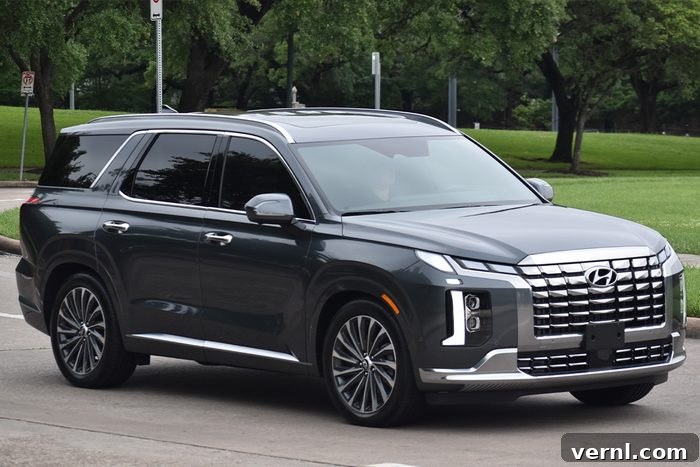
The recall targets a specific subset of Hyundai’s popular family SUV. According to the press release, the recall encompasses approximately 68,500 vehicles. These include the 2026 Hyundai Palisade Limited and Calligraphy trim vehicles. The Palisade, known for its spacious interior, premium features, and strong value proposition, is a highly popular choice among families seeking a versatile and comfortable three-row SUV. The fact that the defect affects these higher-trim models underscores that even premium features designed for convenience can introduce unexpected safety challenges if not flawlessly engineered.
Hyundai is making concerted efforts to reach out to all affected owners. The company is employing a multi-faceted communication strategy, which includes “email, vehicle telematics, outbound phone calls, and media notifications.” This comprehensive approach aims to ensure that every owner is promptly informed of the recall and the necessary steps to take. Given the severe nature of the defect, it is crucial for owners to pay close attention to any communication from Hyundai or their dealership.
For current owners of a 2026 Hyundai Palisade Limited or Calligraphy, immediate action and heightened awareness are essential. Hyundai strongly advises owners to “use caution when operating second and third-row power seats.” More specifically, they urge owners to “ensure that no person or object, including children, is in the seat or seat-folding area before operating the power seat.” This requires a careful, visual inspection every single time these seats are adjusted, whether for passengers or cargo.
Furthermore, a specific warning has been issued regarding the “second-row one‑touch tilt‑and‑slide feature to access the third row.” Owners are advised to “avoid pressing the seatback button during entry or exit.” This indicates that the button itself, during the motion, might contribute to the sensor’s failure to detect an obstruction, making manual caution even more vital. Owners who have further questions or require immediate assistance can contact the Hyundai Consumer Assistance Center. It is also advisable for owners to check their vehicle’s VIN (Vehicle Identification Number) on Hyundai’s official recall website or the NHTSA website to confirm if their specific vehicle is part of this recall.
Understanding the Impact on Palisade Owners
For owners of the affected 2026 Hyundai Palisade models, this recall presents not only a serious safety concern but also potential inconvenience. A recall often means scheduling dealership visits, potentially dealing with temporary vehicle arrangements, and most importantly, living with the knowledge of a critical defect. Hyundai’s commitment to offering rental vehicles until a full remedy is available aims to mitigate some of this disruption, ensuring that families can maintain their mobility without undue stress. However, the emotional toll of such a safety scare, especially one involving a child fatality, is profound.
It’s important for owners to remember that recall repairs are performed at no cost to them. This is a standard practice in the automotive industry, as manufacturers are legally obligated to rectify safety defects free of charge. Keeping abreast of communications from Hyundai and promptly responding to recall notices is the best course of action for all affected vehicle owners.
Hyundai’s Multi-Tiered Solution: Repair, Rental, and OTA Updates
In response to this critical safety issue, Hyundai is moving swiftly to develop and implement comprehensive solutions for affected Palisade owners. The strategy involves both immediate interim measures and a long-term, permanent fix, all aimed at restoring confidence and ensuring the safety of its customers.
The Permanent Recall Repair
The primary long-term solution is a permanent recall repair. Hyundai is currently in the process of finalizing the details of this repair. When ready, this repair “will be performed at no cost to owners.” While the exact nature of the permanent fix has not yet been fully disclosed, it is expected to involve either a hardware modification to the seat mechanisms, an extensive software overhaul to the sensing system, or a combination of both. Such a repair would aim to fundamentally address the root cause of the inadequate contact detection, ensuring that the power seats operate safely under all intended conditions.
Interim Relief: Rental Vehicles
Recognizing the immediate safety concerns and potential inconvenience, Hyundai is also taking steps to support owners while the permanent repair is being developed. The company “will offer interested customers with a rental vehicle until a full remedy is available.” This provision is crucial for owners who may feel unsafe driving their Palisade with the known defect or who require transportation while awaiting the fix. It demonstrates Hyundai’s commitment to minimizing disruption and prioritizing customer well-being during this challenging period.
Temporary Enhancement: Over-the-Air (OTA) Software Update
Perhaps one of the most technologically advanced aspects of Hyundai’s response is the development of a temporary fix in the form of an Over-the-Air (OTA) software update. This innovative approach leverages modern vehicle connectivity to deliver critical updates remotely, without the need for a dealership visit. The company states that “while this update is not the permanent recall repair, it is intended to enhance the system’s response to contact with occupants or objects, introduce additional operating safeguards, and enhance overall system safety.”
An OTA update for this issue likely involves recalibrating the seat sensors, adjusting the force thresholds for obstruction detection, or implementing new logical safeguards within the seat control module. For example, it might introduce a more sensitive detection algorithm, increase the duration of the sensor’s monitoring, or add a secondary check before seat movement is fully executed. Hyundai hopes to release this crucial temporary update by the end of March 2026, providing a much-needed safety enhancement while the definitive hardware and software solutions are prepared.
The use of OTA technology highlights the increasing reliance on software in modern vehicles and its potential to address safety issues quickly. However, it also underscores that such updates, while effective for temporary enhancements, might not always substitute for more fundamental hardware changes required for a permanent resolution of complex mechanical defects.
Broader Implications for Automotive Safety and Consumer Trust
This Hyundai Palisade recall serves as a significant case study in the ongoing evolution of automotive safety. It highlights the complexities involved in integrating sophisticated convenience features, like power-folding seats, with absolute safety requirements, especially in vehicles designed for families. The incident will undoubtedly lead to heightened scrutiny of similar power seat mechanisms across the industry and prompt manufacturers to re-evaluate their sensor technologies and fail-safe protocols.
Regulatory bodies, such as the National Highway Traffic Safety Administration (NHTSA) in the United States, play a vital role in overseeing vehicle safety and ensuring that manufacturers promptly address defects. Incidents like this often trigger further investigations, potentially leading to broader industry-wide recommendations or regulations concerning power-operated vehicle components.
For consumers, this recall is a stark reminder of the importance of staying informed about vehicle safety notices and promptly acting on recalls. While manufacturers strive for perfection, defects can occur, and it is the shared responsibility of both the industry and vehicle owners to ensure the safest possible driving environment. Trust in automotive brands is built on transparency and swift action in the face of safety challenges, and Hyundai’s response to this tragic event will be closely watched by consumers and competitors alike.
Conclusion: Prioritizing Safety in Every Journey
The urgent stop-sale and recall of certain Hyundai Palisade models due to a critical power seat defect is a somber reminder that vehicle safety must always remain the highest priority. The tragic loss of a young child underscores the severe consequences when safety systems fail to perform as intended. Hyundai’s rapid response, encompassing a stop-sale, comprehensive owner notifications, offers of rental vehicles, and the development of both temporary OTA software updates and a permanent repair, demonstrates a commitment to rectifying this grave issue.
For current owners of the affected 2026 Hyundai Palisade Limited and Calligraphy trims, extreme caution is advised when operating the second and third-row power seats. It is imperative to heed Hyundai’s warnings, carefully inspect the seat area before any movement, and promptly respond to all recall communications. While the inconvenience of a recall is undeniable, the safety of loved ones far outweighs any temporary disruption.
As the automotive industry continues to innovate with advanced features, this incident serves as a powerful testament to the critical need for rigorous testing, robust engineering, and unwavering vigilance in ensuring that convenience never compromises safety. The ultimate goal is to provide peace of mind for families, knowing that every journey in their vehicle is as secure as possible.
Source
Hyundai Issues Palisade Stop Sale After Folding Seat Death, Kelley Blue Book, 2026.