
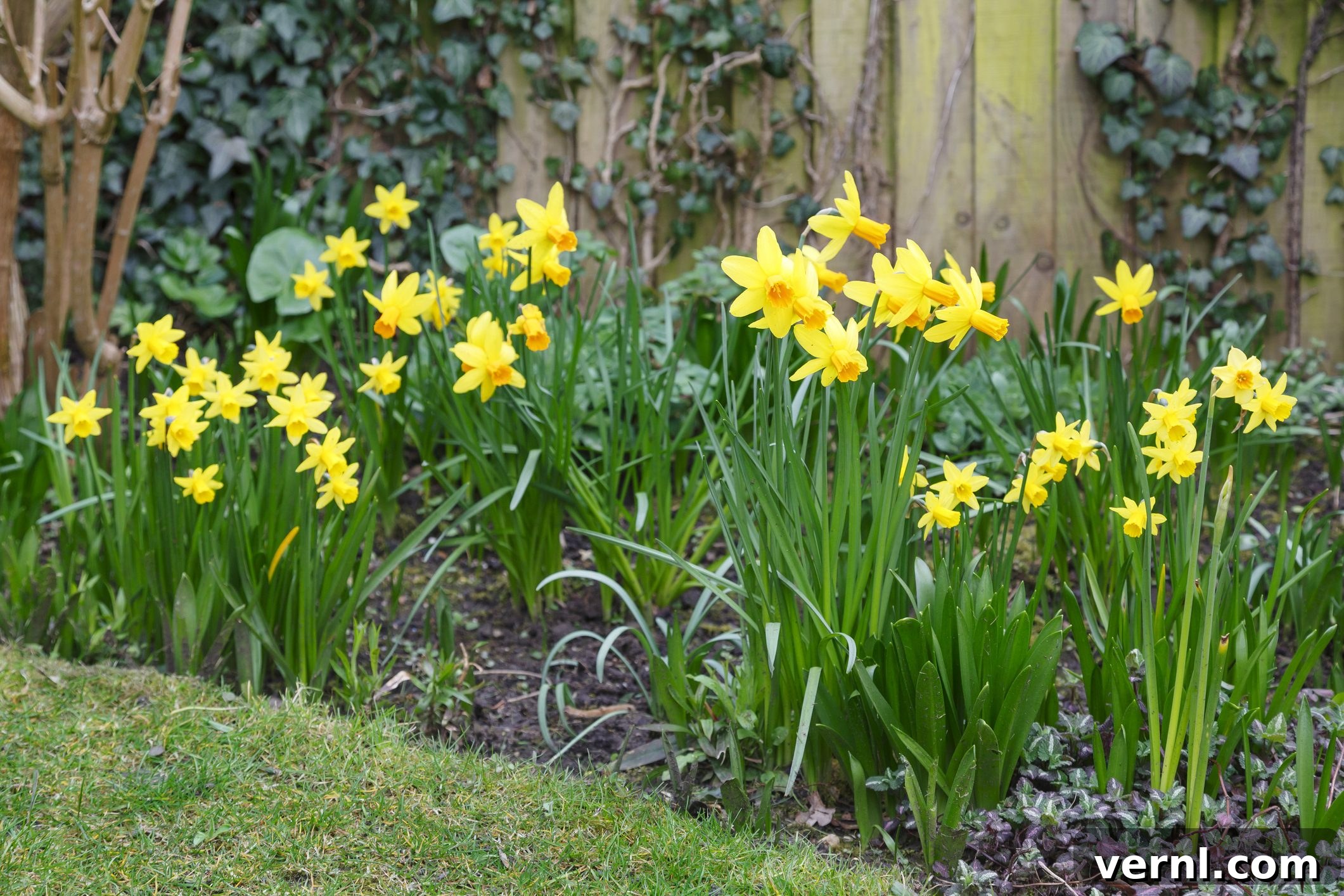
Unlock the Secrets of Daffodils: A Comprehensive Guide to Growing Spring’s Golden Messengers
Daffodils, with their vibrant hues and cheerful trumpets, are more than just beautiful spring flowers; they are a testament to enduring beauty and a rich history. As a third-generation bulb seller and esteemed daffodil hybridizer, Brent Heath, from Brent & Becky’s Bulbs, possesses a wealth of knowledge and captivating anecdotes about these beloved blooms. His family’s legacy is intertwined with the very journey of daffodils to the American landscape, offering a unique perspective on their enduring appeal.
One of the most enchanting stories Heath shares recounts the initial voyage of daffodils to the United States. It’s a tale of resilience and ingenuity, illustrating how the first imported daffodil bulbs made their way across the Atlantic. Women traveling from Spain, Portugal, France, and Italy, embarking on long ocean journeys to the U.S., found a clever way to bring a piece of home with them.
“Daffodils, being dormant in the summertime, could ride on a ship for months without any harm,” Heath explains. “With limited space to bring personal belongings, these resourceful ladies sewed daffodil bulbs into the hems of their skirts. This ingenious practice served a dual purpose: it allowed them to carry a cherished memory from their homeland and also provided ballast, weighing down their skirts against the brisk sea breezes on the ship’s deck.” This heartwarming history highlights the deep personal connection people have always had with these resilient flowers.
Today, the world of daffodils is incredibly diverse, boasting an astonishing array of about 28,000 registered varieties in the U.S. alone. Heath himself has hybridized 50 of these unique cultivars. While many people associate daffodils solely with shades of sunny yellow or pristine white, their color palette is surprisingly varied, including charming oranges, delicate pinks, and even vibrant bi-colors, particularly in their cups or coronas. Beyond color, daffodils are classified into various divisions based on their flower shape and petal arrangement, such as Trumpet, Large-cup, Small-cup, Double, Cyclamineus, Triandrus, Jonquilla, Tazetta, and Poeticus types, each offering distinct beauty. Their bloom times are equally diverse, spanning from late fall in warmer climates to early summer in cooler regions, though the peak season for most varieties remains early to late spring. Iconic varieties like ‘Dutch Master’ (a classic yellow trumpet), ‘Mount Hood’ (a majestic white trumpet), ‘Tahiti’ (a flamboyant double), ‘Jetfire’ (a striking yellow with an orange cup), ‘Thalia’ (a delicate white triandrus), and ‘Minnow’ (a charming miniature tazetta) are just a few examples that illustrate the vast spectrum available to gardeners.
When to Purchase Your Daffodil Bulbs for Optimal Selection
The journey to a spectacular spring display begins with purchasing your daffodil bulbs at the right time. For the most common, mass-produced varieties, you’ll find them readily available at local garden centers and home improvement stores starting in early fall. These are often reliable choices for general landscaping and beginners. However, for gardeners seeking something truly distinctive – rare cultivars, heirloom varieties, or unique color combinations – mail-order sources are your best bet. Reputable suppliers like Brent & Becky’s Bulbs, John Scheepers, and Old House Gardens Heirloom Bulbs offer an unparalleled selection. The golden rule for these specialized sources is: the earlier you order, the better the selection. Many popular or limited-edition varieties sell out quickly, so securing your order in late summer or early fall ensures you get exactly what you desire.
Before making your purchase, it is vitally important to check the USDA Plant Hardiness Zone for the specific daffodil variety you intend to buy. Daffodil hardiness can vary significantly, typically thriving across USDA Zones 3 through 9. Planting a variety outside its recommended zone can lead to disappointing results, as the bulbs may not experience the necessary chill hours or may be susceptible to extreme temperatures. Understanding your local zone will guide you towards varieties best suited for your climate, promising years of successful blooms. When your bulbs arrive or before you buy them in-store, gently inspect them. They should be firm, plump, and free from any signs of mold, rot, or soft spots. The papery outer skin is normal and helps protect the bulb, but any significant damage or discoloration could indicate a problem.
Timing is Everything: When to Plant Daffodil Bulbs
While daffodil bulbs might appear in stores as early as late summer or early fall, exercising patience before planting is crucial for their success. The ideal time to plant daffodils is when the soil temperature consistently hovers between 50°F and 60°F. This typically translates to about six weeks before the ground in your region is expected to freeze solid. This specific temperature range is critical because it stimulates spring-flowering bulbs to initiate root growth. Robust root development before winter dormancy is the single most important factor for the bulb’s survival and subsequent vigorous blooming in spring.
As Heath vividly describes, once roots begin to form, the cell walls of the bulbs undergo a physiological change, becoming more elastic and infused with a natural “antifreeze.” This biological process is essential, as it protects the bulbs from freezing solid and subsequently rotting in the harsh winter soil. Without sufficient root establishment and this natural protection, bulbs are highly vulnerable to frost damage and decay. To help maintain warmer soil temperatures for longer, especially in colder climates or during unpredictable fall weather, consider applying a thick layer of organic mulch over your newly planted bulbs. Mulch acts as an insulator, extending the period during which bulbs can establish a strong root system, thereby significantly improving their chances of thriving.
Choosing the Perfect Location: Where to Plant Daffodils
Selecting an appropriate planting site is paramount to the long-term health and prolific blooming of your daffodils. These sun-loving plants require a spot that receives at least eight hours of direct sunlight per day. It’s important to note that this isn’t just for blooming; daffodils need ample sun exposure for several weeks *after* they finish flowering. This post-bloom sunshine is critical for photosynthesis, allowing the leaves to produce and store enough energy in the bulb to fuel the following year’s blooms. Therefore, be wary of how sunny your garden appears in early spring before deciduous trees leaf out. Plant daffodil bulbs away from the eventual dense shade cast by tall tree canopies or large shrubs. While they might get sun initially, they will be starved of light when they need it most for energy storage.
Beyond sunlight, excellent soil drainage is non-negotiable for daffodils. They prefer relatively dry conditions when dormant. “Like people, most bulbs prefer to sleep in a dry bed when they are dormant,” advises Heath, underscoring the importance of preventing waterlogged soil. Planting in shady, consistently moist conditions is a recipe for disaster. Such environments are inhospitable for daffodils, often leading to a lack of blooms and making the bulbs highly susceptible to destructive fungal diseases, most notably Fusarium oxysporum, which can quickly rot the bulbs. If your soil is heavy clay and drains poorly, amending it generously with organic matter like compost, well-rotted leaf mold, or aged manure can dramatically improve its structure and drainage capabilities.
A common mistake gardeners make is tying or braiding daffodil foliage after blooming. This practice not only looks unnatural but severely hampers the plant’s ability to photosynthesize and store energy for the next season. The leaves need to be fully exposed to the sun to do their critical work. Additionally, bundling foliage can trap moisture around the crown of the bulb, creating an ideal environment for fungal diseases. Instead, allow the foliage to naturally yellow and wither. If the dying leaves are an eyesore, creatively disguise them by planting taller perennials or annuals around the bulbs that will emerge and expand as the daffodils fade. Companion plants like hostas, daylilies, ferns, or spring-blooming annuals can effectively hide the yellowing foliage. Alternatively, direct the eye to other vibrant elements in the garden, such as brightly colored flowers blooming in a different corner. Once a daffodil’s leaves have completely turned yellow and are easily pulled away, it is safe to remove them without harming the now-dormant bulbs.
How to Plant Daffodils for Lasting Beauty
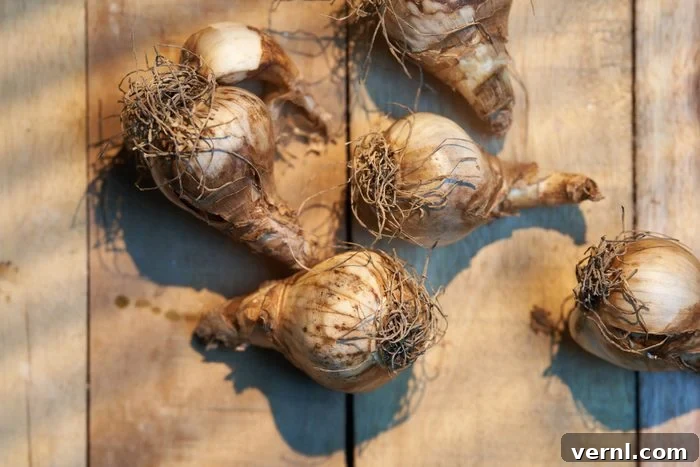
Proper planting technique is essential for establishing strong, healthy daffodil bulbs. Daffodils prefer to be planted deep, which provides them with stable soil temperatures and protection. If you have an auger, it can be an invaluable tool for planting daffodils efficiently, especially when planting large quantities or creating drifts. Good quality daffodil bulbs are typically substantial, about two inches tall and weighing roughly as much as a golf ball. The general rule of thumb for planting depth is to make the hole three times the height of the bulb. For an average two-inch bulb, this means drilling or digging a hole approximately six inches deep. An auger makes quick work of this, creating uniform holes with minimal effort.
When placing the bulb in the prepared hole, ensure the pointy side is facing upwards. This is where the stem and leaves will emerge. The flatter, basal plate end of the bulb is where the roots will develop. Incorrect orientation can lead to the bulb expending extra energy to reorient itself, potentially delaying or weakening its bloom. Once the bulb is in place, backfill the hole with a mixture of your native soil and a generous amount of compost. Like most plants, daffodil bulbs thrive when essential nutrients are readily available. Compost is a fantastic organic amendment that not only supplies a slow release of nutrients but also improves soil structure, drainage, and water retention, fostering a rich microbial environment beneficial to bulb health. After backfilling, gently firm the soil around the bulb. In spring, as new shoots begin to emerge, consider top-dressing the area with another 1-inch layer of compost to provide an additional boost of nutrients. After planting, give the area a thorough watering to help settle the soil and eliminate air pockets around the bulbs, encouraging immediate root contact with the soil.
Daffodils: Nature’s Virtually Pest-Proof Beauties
One of the most compelling reasons gardeners choose daffodils over other spring bulbs like tulips is their remarkable resistance to pests. Daffodils are virtually pest-proof, primarily because they are poisonous. The botanical name for daffodil, Narcissus, is derived from the Greek root word narcos, meaning “narcotic.” This etymology hints at the plant’s potent nature. The alkaloids present in daffodils, particularly lycorine, are toxic and act as a deadly narcotic if ingested in sufficient quantities.
The good news, as Heath reassuringly explains, is that “They taste so bad that you really don’t have to worry about pets or children eating them.” This intense bitterness acts as a powerful deterrent, preventing most animals from consuming enough to cause serious harm. This natural defense mechanism makes daffodils an excellent choice for gardens plagued by deer, rabbits, voles, and squirrels, which typically bypass daffodil plantings in favor of less toxic fare. Even many insects find daffodil pollen distasteful, which can sometimes result in the plants rarely setting seeds, although most garden varieties are hybrids with naturally low seed production anyway. This inherent toxicity is a significant advantage, allowing gardeners to enjoy their beautiful blooms without the constant battle against hungry wildlife.
Enjoying Your Daffodils: Perennial Care and Propagation
Once you’ve planted your daffodil bulbs in the fall, the most delightful part begins: the anticipation of their grand appearance the following spring. With the correct initial planting and location, there is little left to do but sit back and enjoy the show. All the energy required for the bulbs to produce their spectacular flowers is already stored within the bulb itself from the previous growing season. This means that chemical fertilizers are generally unnecessary and can even be detrimental, potentially leading to lush foliage at the expense of fewer blooms. The compost you diligently incorporated during the fall planting will be more than sufficient to provide the essential nutrients for a robust display.
Daffodils are true perennial bulbs, returning faithfully year after year without the need for replanting. They are incredibly long-lived; if cultivated in an ideal environment with proper sunlight and drainage, a single clump of daffodils can persist and flourish for 100 years or even more, becoming a living legacy in your garden. Each individual bulb naturally multiplies over time, causing the clump to expand and spread each season, creating an ever-larger display of cheerful blooms.
If you find your daffodil clumps are becoming overcrowded, producing fewer flowers, or if you simply wish to propagate them to spread their beauty to other areas of your garden, division is a simple and rewarding task. The ideal time for dividing daffodil bulbs is in early summer, just as the foliage begins to yellow and wither. This timing allows the bulbs to be in their dormant phase, minimizing stress. To divide, carefully lift the entire clump from the ground using a digging fork, taking care not to damage the bulbs. Gently pull apart the individual bulbs or smaller clumps, separating them. Replant these newly divided bulbs in their new locations using the same method described above for initial planting: ensuring proper depth, pointy side up, and amending the soil with compost. Here are a few tips for replanting potted plants, which can also be adapted for divided bulbs.
For those who enjoy bringing their garden’s beauty indoors, Heath offers a unique tip for picking daffodils that ensures longer-lasting cut flowers. “To pick a daffodil, run your finger down the stem, put your thumb on the opposite side, and pull up to snap the stem,” he advises. “Don’t cut the stem to pick it. Pulling the stem off the bulb will result in a stem that holds water better and flowers that last longer in a vase.” This method creates a clean break at the base of the stem, which is believed to enhance water uptake and prolong the vase life of these splendid spring messengers. With proper care and understanding of their needs, daffodils will continue to brighten your spring landscape and home for generations to come, a timeless testament to their enduring charm.