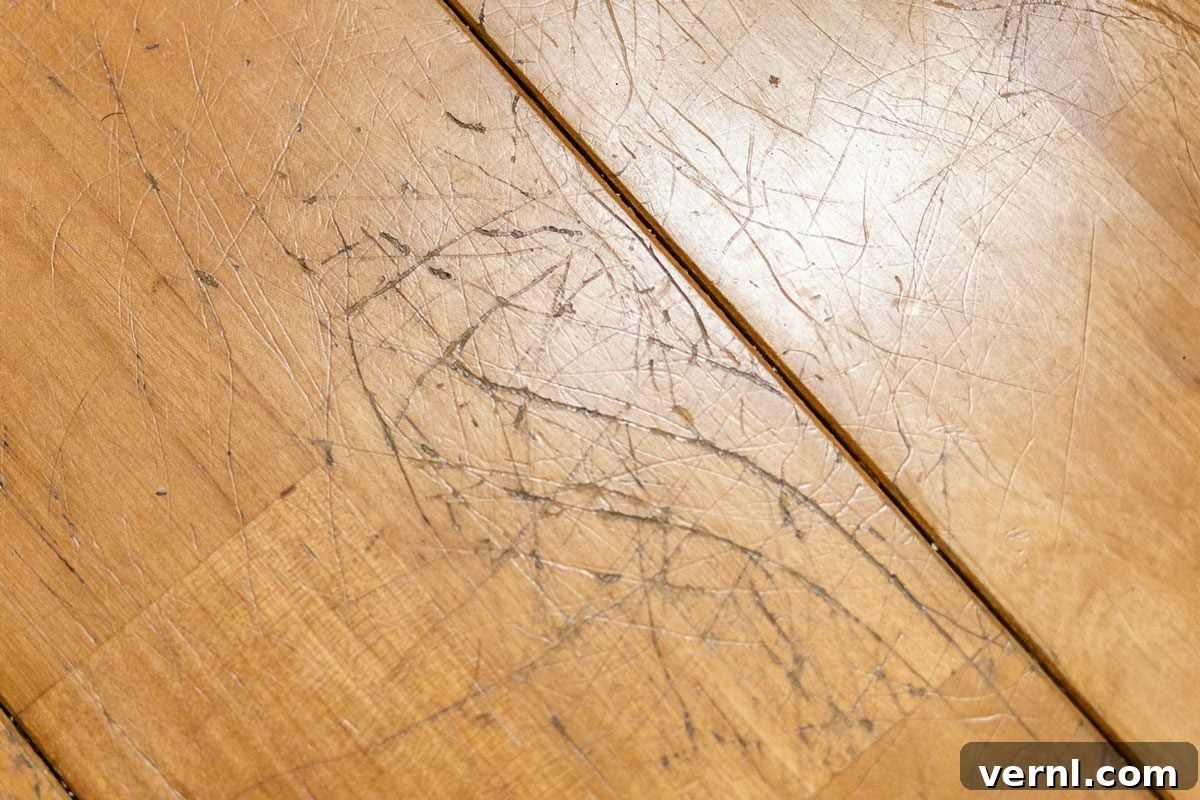
Welcome to this comprehensive guide from Family Handyman, dedicated to helping you achieve and maintain stunning hardwood floors. Valued for their timeless elegance, natural warmth, and significant contribution to home value, hardwood floors are a popular choice for homeowners seeking both beauty and durability. However, their inherent charm comes with the responsibility of diligent care. Over time, daily wear and tear from foot traffic, furniture movement, pet activity, and accumulating debris can lead to unsightly scratches and scuffs, gradually diminishing their lustrous finish and overall appeal. While hardwood floors offer the advantage of being refinishable multiple times throughout their lifespan, this restorative process can be both disruptive to your household and financially demanding. The most effective strategy, therefore, is proactive prevention rather than reactive repair.
In this in-depth guide, we delve into the essential strategies and expert insights required to safeguard your beautiful hardwood floors from damage. We’ll explore why hardwood, despite its robust name, is uniquely susceptible to scratching and provide actionable tips to prevent those inevitable marks before they even appear. Our advice comes directly from two seasoned industry veterans: Gary Bernard of Holyoke Millwork and Alex Ciosek of Summerlin Flooring, who bring decades of invaluable experience in flooring installation, maintenance, and expert consultation. Discover how simple, consistent measures and informed choices can preserve the pristine condition of your floors for decades to come, ensuring they remain a cherished and striking feature of your home.
Understanding Why Hardwood Floors Are Susceptible to Scratches and Damage
The very term “hardwood” often conjures images of unwavering strength and resilience, leading many homeowners to believe these floors are virtually impervious to damage. However, as Gary Bernard, a third-generation flooring expert, wisely points out, “hardwood is softer than you think.” While undeniably more durable than softwood varieties, even the densest hardwoods cannot rival the unyielding toughness of materials like ceramic tile, natural stone, or concrete. Understanding the fundamental composition and characteristics of wood helps clarify its inherent vulnerability to scratching and denting.
Wood is a natural, organic material composed of countless long, fibrous cellulose cells that are bound together to form its characteristic grain pattern, structure, and rigidity. While these fibers provide significant strength and aesthetic appeal, they can also compress, dent, and tear relatively easily under concentrated pressure or sharp impacts. For instance, the focused weight of a high-heeled shoe, the sudden impact of a dropped kitchen utensil, or the heavy, persistent drag of furniture legs can compress these wood fibers, resulting in noticeable dents, gouges, or even splintering. Similarly, abrasive particles like gritty dirt, tiny stones carried indoors on shoes, or the sharp edges of pet toenails can cut through the surface fibers and the protective finish, leaving behind visible scratches, scuffs, and sometimes deeper grooves that penetrate the wood itself.
Adding to this inherent susceptibility is a contemporary factor: the age and growth patterns of the wood itself. Bernard explains a crucial difference between historical and modern hardwood sourcing. “When your parents or grandparents bought a home with hardwood floors, it was old-growth maple and oak that had been growing since the Civil War,” he notes. These ancient trees had ample time to mature slowly, developing tightly spaced growth rings that contributed to significantly harder, denser, and more stable wood. In stark contrast, much of today’s hardwood is often harvested from much younger, faster-growing trees. “The trees barely get going before they’re chopped down, so the rings are spaced more loosely,” Bernard states. This younger, less dense wood is inherently softer and, consequently, more prone to scratching and denting compared to its historical counterparts. This makes proactive protection and diligent care even more vital for maintaining the beauty and longevity of modern hardwood installations in today’s homes.
Comprehensive Strategies to Prevent Scratches and Preserve Your Hardwood Floors
Protecting your significant investment in hardwood flooring doesn’t have to be a daunting task. By implementing a few simple, yet highly effective, preventive measures and integrating them into your daily and weekly routines, you can significantly reduce the risk of scratches and maintain the pristine beauty of your floors for many years to come. Here are our top expert-backed tips, designed to provide maximum protection with minimal effort:
Install High-Quality Furniture Pads on All Furniture Legs
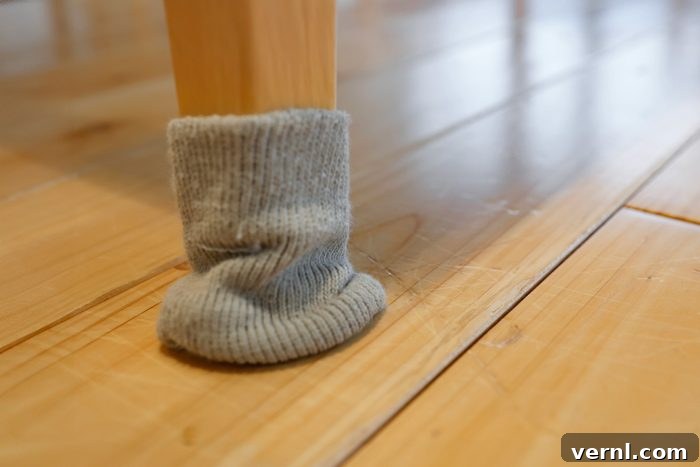
This is arguably the most crucial and easiest step you can take to prevent scratches from the constant movement and weight of furniture. Gary Bernard emphatically emphasizes its immediate importance: “Place felt pads under all furniture legs ‘on day one.’ Don’t wait until after you’re done moving in. You’ve got to start on the first day for the best protection.” It’s essential to invest in high-quality, durable felt pads, not the cheap, thin varieties that can wear out quickly or detach. Ensure the pads are appropriately sized for the furniture legs they protect. Regularly inspect these pads for wear, matting, or embedded grit, replacing them as needed, typically every few months or annually depending on usage and traffic. Even small bits of abrasive grit trapped under a worn pad can cause significant damage. For very heavy items or frequently moved pieces, consider specialized self-adhesive glides, rubber pads, or heavy-duty screw-in felt protectors designed for superior load bearing and long-term durability.
Strategically Place Area Rugs and Runners in High-Traffic Areas
Both experts wholeheartedly recommend the strategic placement of area rugs and runners, particularly in high-traffic zones such as entryways, hallways, living room pathways, and dining areas. These textile additions serve a vital dual purpose: firstly, they act as an effective barrier, capturing dirt, dust, and abrasive particles before they can be tracked across the unprotected hardwood. Secondly, they provide a soft, protective layer that shields the floor from scuffs, scratches, and the constant friction of foot traffic or moving chairs. Choose rugs with a non-slip backing to prevent them from sliding, which could ironically cause scratches. Regularly vacuum and professionally clean these rugs to ensure they remain effective at trapping debris and maintaining their protective qualities. Consider machine-washable runners for entryways for easy, frequent cleaning.
Utilize Moving Pads and Proper Lifting Techniques When Relocating Furniture
Even when moving furniture a short distance within a room, never drag it directly across your hardwood floor. This is a common and often preventable cause of deep, unsightly scratches and gouges. Always use a protective pad or employ proper lifting techniques. Gary Bernard advises, “Cardboard or a cloth pad is okay, but the best thing to use is a piece of quarter-inch Masonite,” referring to the dense, compressed wood sheets contractors often use to protect floors during construction or renovation projects. For heavier items, furniture sliders—available in various sizes and materials—are an excellent investment, allowing items to glide smoothly and effortlessly across the floor without direct contact. Whenever possible, it is always best to lift furniture rather than dragging it. Enlist the help of another person for large or heavy pieces to avoid both floor damage and potential personal injury.
Regularly Trim Pet Nails and Consider Paw Protection
Our beloved pets, while cherished family members, can be significant culprits in hardwood floor damage. Their nails, especially those of larger breeds or very active animals, can quickly scratch and scuff the surface of even the hardest woods. Alex Ciosek states unequivocally, “keeping their nails trimmed is the best measure.” Regular nail trims, typically every two to four weeks depending on the pet’s activity level and nail growth, are essential. If you’re unsure how to trim them yourself, a professional groomer or veterinarian can provide guidance or perform the service. Bernard further suggests “the addition of rug runners in high traffic pet zones” to provide extra protection where pets frequently run, play, or jump. For highly active or very large pets, consider dog booties or paw wax, which can add an extra layer of protection and improve traction on slippery surfaces, reducing uncontrolled sliding.
Implement a Consistent and Effective Cleaning Routine
Dirt, dust, and tiny abrasive particles are relentless enemies of hardwood floors. When tracked across the surface or caught under a chair leg, these seemingly innocuous specks can act like sandpaper, causing cumulative damage over time. Ciosek recommends sweeping daily to keep your floor clean of debris to prevent scratches. Beyond daily sweeping with a soft-bristle broom or dust mop, consider these additional tips for a comprehensive cleaning routine:
- Vacuum Regularly: Use a vacuum cleaner equipped with a hardwood floor attachment or a setting specifically designed for hard floors. Crucially, ensure the beater bar (rotating brush) is turned off or retracted to prevent bristles from scratching or dulling the surface.
- Use Microfiber Mops: For deeper cleaning, use a damp (not wet!) microfiber mop with a pH-neutral hardwood floor cleaner. Avoid excessive water, as moisture can penetrate the finish and damage wood over time, leading to swelling, warping, or discoloration.
- Wipe Spills Immediately: Promptly clean up any spills, especially liquids, to prevent water damage, staining, or weakening of the finish, which can make the floor more susceptible to scratches and other damage.
- Avoid Harsh Chemicals: Never use abrasive cleaners, ammonia-based products, oil soaps, or multi-surface cleaners on hardwood floors. These products can strip the protective finish, leave a dull residue, or even discolor the wood, making the floor more vulnerable to scratching and requiring premature refinishing.
Consider Implementing a “No Shoes” Policy
While a “no shoes” policy might not be an absolute necessity for preventing every single scratch, it certainly contributes significantly to overall floor protection and longevity. A common misconception is that bare feet or socks provide no protection; however, removing shoes immediately reduces the amount of dirt, grit, tiny stones, and other abrasive particles that get tracked into your home from outside. High heels, in particular, exert immense pressure on a very small surface area, making them highly capable of leaving significant dents and deep scratches in hardwood. Work boots or shoes with textured or hard soles can also carry abrasive debris that grinds against the finish with every step. By gently encouraging family members and guests to remove their shoes upon entering, you minimize the introduction of harmful elements and significantly extend the life and beauty of your hardwood floors. Providing a comfortable, designated area for shoes near the entrance can make this policy easy and pleasant to follow.
Maintain Optimal Indoor Humidity Levels
Hardwood is a natural, hygroscopic material that actively reacts to its environment. Extreme or fluctuating humidity levels can cause wood to expand, contract, warp, or crack, which can also compromise its finish and make it more susceptible to damage. To prevent these issues, maintain a consistent indoor humidity level, ideally between 35% and 55%. In dry climates or during winter months when heating systems dry out the air, a humidifier can help prevent the wood from shrinking, leading to unsightly gaps or cracks between planks. Conversely, in humid climates or during summer, a dehumidifier can prevent excessive swelling, cupping, or buckling. Stable humidity helps keep the wood fibers stable and its protective finish intact, offering better overall resistance to everyday wear and potential structural damage.
Choose a Durable Finish and Reapply as Needed
The finish applied to your hardwood floor is its primary and most important line of defense against scratches, scuffs, and everyday wear. High-quality, durable finishes—such as polyurethane (water-based or oil-based), aluminum oxide (common in prefinished floors), or certain penetrating oil finishes—provide a resilient, protective layer that shields the softer wood fibers underneath. When installing new hardwood, discuss finish options thoroughly with your flooring professional, prioritizing those known for their superior scratch and abrasion resistance, as well as their ease of maintenance. Even with the best finish, regular maintenance coats (often called “recoats” or “screen and recoats”) are necessary over time. This process typically involves lightly abrading the existing finish and applying a new protective layer without fully sanding down to bare wood. This rejuvenates and revitalizes the protective layer, significantly extending the time before a full, disruptive sanding and refinishing is required.
Frequently Asked Questions About Hardwood Floor Scratch Prevention and Care
Do I need to implement a “no shoes” policy to protect my floors from scratches?
While a “no shoes” policy can certainly help by reducing the amount of dirt, grit, and abrasive debris tracked into your home, thereby marginally protecting your floors from scratches, it is not a standalone solution. The combination of all the methods outlined above—especially using furniture pads, strategically placed rugs, and a consistent cleaning routine—will far more effectively prevent scratches and extend the overall life and beauty of your hardwood floors. It’s a beneficial measure, but best used in conjunction with other protective strategies.
Are there certain types of hardwood that are more scratch-resistant than others?
Yes, hardwood species vary significantly in their natural hardness and, consequently, their inherent scratch resistance. Species like hard maple, Brazilian cherry (Jatoba), hickory, and oak consistently rank high on the Janka hardness scale, making them considerably more scratch-resistant than softer woods such as pine, American cherry, or Douglas fir. Beyond the wood species itself, a high-quality, factory-applied, or professionally installed durable finish is paramount to overall scratch resistance, providing the first line of defense against damage.
What should I do if my hardwood floor already has a scratch?
If your hardwood floor already has scratches, the immediate first step is to diligently implement all the preventive measures discussed in this guide to avoid any further damage. For minor surface scratches that only affect the finish, you can often reduce their visibility using specialized touch-up products like blending pencils, stain markers, or commercial scratch repair kits designed specifically for hardwood floors. For deeper scratches that penetrate the wood, or widespread damage, professional assessment and potentially full refinishing might be necessary. Always test any repair products in an inconspicuous area first to ensure color matching and desired results.
How often should I refinish my hardwood floors to maintain their durability?
The frequency of full refinishing depends heavily on the level of foot traffic, pet activity, and the effectiveness of your maintenance routine. Generally, hardwood floors benefit from a full sanding and refinishing every seven to 10 years for typical residential use. However, homes with very high foot traffic, active children, or multiple pets may require refinishing sooner, perhaps every five to seven years. Intermediate “screen and recoat” services, which refresh the top protective layer without sanding down to bare wood, can significantly extend the life of your finish between full refinishes.
Can sunlight damage my hardwood floors and make them more prone to scratches?
While direct sunlight doesn’t directly cause physical scratches, prolonged exposure to intense UV rays can certainly fade or alter the color of your hardwood floors, leading to uneven pigmentation and sun-bleached areas. This discoloration can make existing scratches more noticeable or create areas where the finish might degrade faster due to heat and UV breakdown. A compromised or degraded finish can indeed make those areas slightly more vulnerable to minor surface wear and scratching over time. Using UV-protective window treatments, blinds, or curtains can effectively help mitigate this effect and preserve your floor’s uniform appearance and finish integrity.
About the Experts
- Alex Ciosek is a dedicated project estimator at Summerlin Floors in Amherst, Massachusetts, bringing extensive knowledge in a wide range of flooring solutions and comprehensive project management.
- Gary Bernard is the accomplished 3rd generation owner of Holyoke Millwork, a respected flooring retailer and installer based in Holyoke, Massachusetts, with deep historical roots and a wealth of experience in the industry.