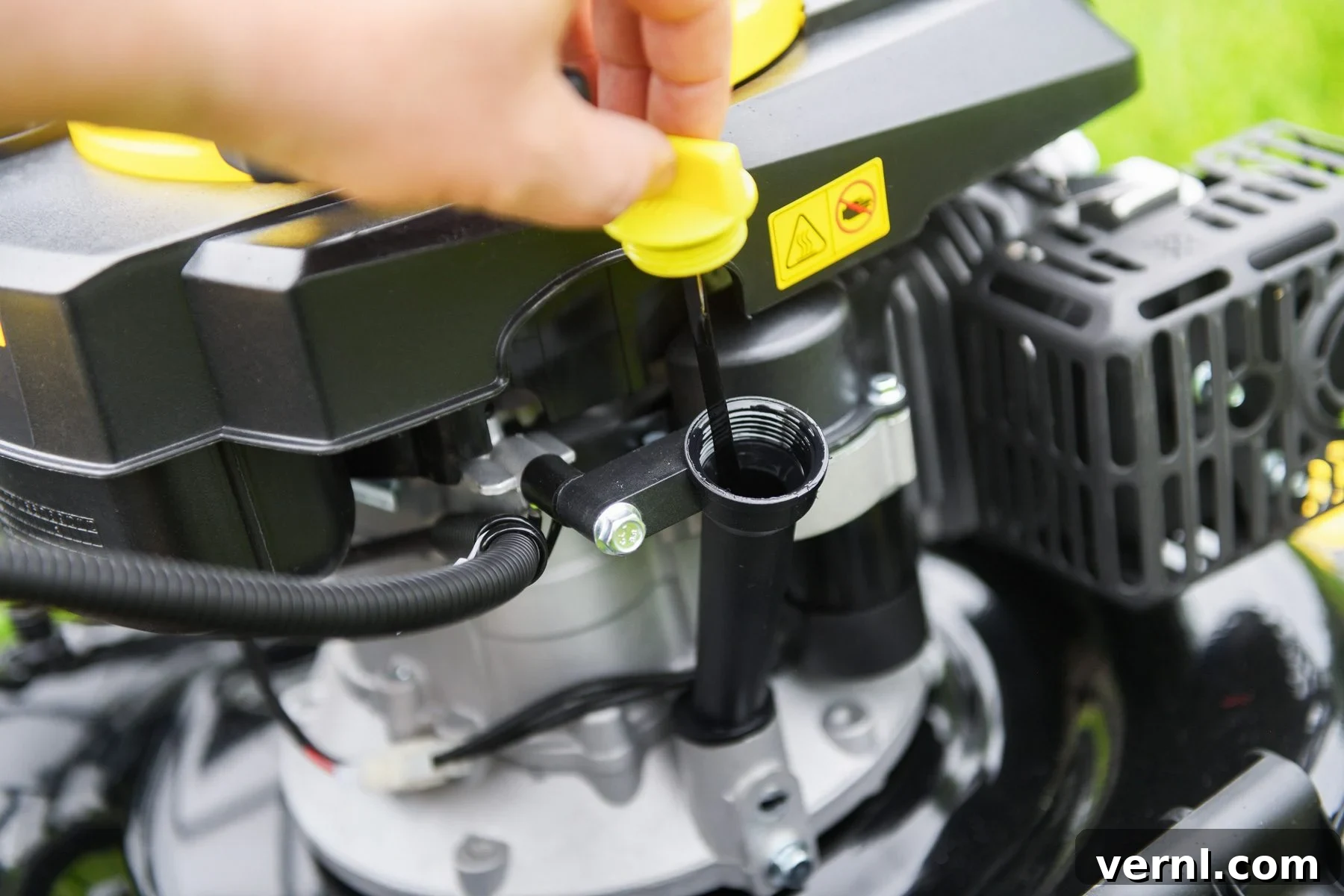
Essential Guide to Lawn Mower Oil Changes & Maintenance for Optimal Performance
Do you often find yourself looking for any excuse to postpone routine lawn mower maintenance? It’s a common sentiment – tasks like oil changes can seem tedious and time-consuming. However, neglecting these crucial steps can lead to a cascade of costly problems down the road, including severe engine damage, expensive repairs, and a significant drop in performance. Ultimately, a neglected lawn mower is a short-lived one, potentially forcing you to invest in a new machine much sooner than anticipated.
To ensure your lawn mower consistently delivers its best performance, maintains its efficiency, and enjoys a significantly extended lifespan, regular maintenance, especially timely oil changes, is absolutely essential. This comprehensive guide will walk you through easy-to-follow steps to change the oil in both push and riding lawn mowers, offering expert tips from seasoned small engine repair professionals. We’ll cover everything from choosing the right oil to understanding the importance of each maintenance task, empowering you to keep your lawn mower in pristine condition.
Why Changing Your Lawn Mower’s Oil is Crucial for Engine Health
Just like the engine in your car, your lawn mower’s engine relies heavily on clean, fresh oil in the correct quantity to operate effectively. Motor oil serves several critical functions: it lubricates moving parts, reduces friction and wear, helps cool the engine, and cleans by carrying away contaminants. Over time, and with exposure to the intense heat, combustion byproducts, dirt, and moisture inherent in engine operation, motor oil begins to break down. Its lubricating properties diminish, viscosity changes, and it accumulates sludge and metallic particles. Eventually, the oil loses its effectiveness, leaving vital engine components vulnerable to excessive wear and potential failure. Regular oil changes remove this degraded oil and replenish the system with fresh, high-quality lubricant, thereby protecting the engine, maintaining optimal performance, and extending its operational life.
When and How Often to Change Your Lawn Mower Oil
The frequency of oil changes for your lawn mower largely depends on its type, how often it’s used, and its age. Adhering to these guidelines will help ensure your engine remains well-lubricated and protected:
- For New Mower Engines: The Initial Break-In Change: It is highly recommended to perform the first oil change soon after the mower’s initial use, typically after approximately five hours of run time. As Rick Lemelin from Get Your Fix Small Engine Repair explains, “The moving parts are just breaking in, so changing the oil cleans out anything that might come loose during that time.” This initial change removes any metal shavings or manufacturing debris that might be present as the engine components seat themselves.
- For Existing Push Mowers: For standard push mowers, plan to change and replace the oil at least once per mowing season or every 50 hours of run time, whichever comes first. If you mow frequently, especially in dusty conditions or for extended periods, consider shortening this interval.
- For Existing Riding Mowers: Riding lawn mowers generally have larger oil capacities and sometimes come equipped with oil filters. For these machines, change and replace the oil at least once per season or every 100 hours of run time. Again, heavy use, challenging terrain, or hot weather may warrant more frequent changes.
- Regular Oil Level Checks: Beyond scheduled changes, make it a habit to check your oil level before each use, or at least every few uses, to ensure it’s always within the recommended range. Low oil levels can be just as detrimental as old, dirty oil.
Choosing the Right Oil for Your Lawn Mower’s Engine
Selecting the correct type of oil is paramount for achieving optimal engine performance and longevity. Small engines, such as those found in lawn mowers, have specific lubrication requirements that differ from automotive engines. You’ll typically want to use a motor oil formulated specifically for small engines, commonly found in weights like SAE 30, 5W-30, or 10W-30. The manufacturer’s manual will always be your best resource for the exact recommendation.
- SAE 30: This single-weight oil is often recommended for smaller engines that primarily operate in temperatures above freezing (around 40°F and higher). It maintains a consistent viscosity in warmer conditions.
- 5W-30 or 10W-30: These multi-viscosity oils offer greater versatility, performing well across a wider temperature range. The “W” indicates “winter,” meaning the oil flows more easily at colder temperatures, aiding in easier starting and better lubrication during cold starts, while still providing adequate protection in hotter operating conditions.
It’s crucial to avoid using standard multi-weight automotive oil in most small engines unless explicitly stated in your owner’s manual. Automotive oils are formulated with different additive packages and viscosity stabilizers designed for cars, which have vastly different operating characteristics, including higher RPMs, sophisticated filtration systems, and different heat profiles. Using automotive oil in a small engine can lead to premature wear and reduced engine life. Always look for oil specifically labeled for “small engines” or “lawn mowers.”
Understanding Lawn Mower Oil Costs
Lawn mower oil is typically sold by the quart and usually costs between $4 to $12, depending on the brand, type (conventional, synthetic blend, full synthetic), and specific formulation. This small investment is a minuscule cost compared to the price of engine repairs or a full mower replacement, making it one of the most cost-effective maintenance tasks you can perform.
Before You Begin: Preparation and Safety
Before you start the oil change process, gather your tools and prioritize safety. This task typically takes about 30 minutes to an hour to complete.
- Safety First:
- Always ensure the engine is cool before starting. Hot oil can cause severe burns.
- Disconnect the spark plug wire to prevent accidental starting of the engine. Secure the wire away from the plug.
- Wear appropriate safety gear, including gloves and eye protection.
- Gather Your Tools and Supplies:
- New lawn mower oil (check your manual for the correct type and quantity).
- An appropriately sized wrench for the drain plug (if applicable).
- A drain pan or old plastic container (like a milk jug) for used oil.
- A funnel for refilling.
- Rags or old towels for spills.
- A plastic bag (for sealing the gas tank on push mowers).
- An oil filter wrench and new oil filter (for riding mowers with filters).
- Warm Up the Engine (Briefly): Running the engine for a few minutes before draining will warm the oil, making it thinner and allowing it to drain more completely. Just be sure to let it cool down enough to be safely handled before proceeding.
Step-by-Step Guide: How to Change the Oil in Your Lawn Mower
Changing Oil in a Push Mower
Push mowers typically have a simpler oil change process, often involving tilting the mower or removing a drain plug.
- Prepare and Seal the Gas Tank: To prevent fuel leaks when tilting the mower, remove the gas cap. Place a plastic bag or a piece of plastic wrap over the opening and then screw the gas cap back on tightly over the plastic. This creates a seal.
- Position for Draining: Place your drain pan or container on the ground next to the mower. Locate the oil filler tube (where you check the dipstick). For mowers that drain by tilting, tilt the mower slowly so the dipstick hole is facing downwards, allowing the old oil to pour out directly into your container. For mowers with a bottom drain plug, proceed to step 3.
- Empty Out the Old Oil (Drain Plug Method): If your mower has a drain plug, typically located at the bottom or side of the engine block, position your drain pan underneath it. Use the appropriate wrench to carefully unscrew the plug. Allow all the oil to drain completely into the pan. You might need to gently rock the mower or lower it onto its wheels briefly to ensure every last drop drains out. Once empty, clean the drain plug and its threads, then screw it back in securely. Do not overtighten, as this can damage the threads.
- Recycle Used Oil: Pour the used oil from your drain pan into a sealed, appropriate container (like the old milk jug you prepared). Never dispose of used oil in household trash or down drains. Take it to an automotive parts store, a recycling center, or a local service station that accepts used motor oil for proper disposal.
- Refill with Clean Oil: With the mower level on a flat surface, place a funnel into the oil filler tube. Carefully pour in the new, clean small engine oil, referring to your manufacturer’s instructions for the exact quantity. Most push mower engines require approximately 20 ounces (about 5/8 of a quart) of oil. Pour slowly to avoid overfilling.
- Check the Oil Level: Once the initial fill is complete, insert the dipstick fully, then remove it and check the oil level. Wipe the dipstick clean, reinsert it fully, then remove it again to get an accurate reading. The oil level should be between the “Add” and “Full” marks. Add small amounts of oil as needed until the correct level is reached. Be careful not to overfill, as too much oil can cause engine damage, smoking, or excessive pressure.
- Final Steps: Replace the dipstick and the gas cap (after removing the plastic seal). Reconnect the spark plug wire. Your push mower is now ready for action!
Changing Oil in a Riding Mower
Changing the oil in a riding mower follows many of the same general principles as a push mower, but often involves a larger oil capacity and sometimes an oil filter. As Mike Czepiel from M&M Small Engine Repair notes, “It’s really the same principle; it just takes a lot more oil.”
- Preparation and Positioning: Follow the safety precautions outlined above (cool engine, disconnect spark plug). Park your riding mower on a level surface. Accessing the drain plug and oil filter (if present) might require lifting the front end of the mower with ramps or a jack, ensuring it is securely supported.
- Locate Drain Plug and Oil Filter: Refer to your owner’s manual for the exact location of the oil drain plug and oil filter. They are usually found on the side or bottom of the engine block.
- Drain the Old Oil: Place a large drain pan underneath the drain plug. Unscrew the drain plug and allow all the old oil to drain completely. For mowers with an oil filter, proceed to change it while the oil is draining.
- Change the Oil Filter (If Applicable): If your riding mower has an oil filter, use an oil filter wrench to unscrew the old filter. Be prepared for a small amount of oil to spill out. Apply a thin film of new oil to the rubber gasket of the new filter before screwing it on by hand until snug. Do not overtighten.
- Replace Drain Plug and Refill: Once all the oil has drained, clean and replace the drain plug, tightening it securely. Using a funnel, pour the recommended type and amount of new oil into the engine’s oil filler tube. Riding mowers can take anywhere from 1.5 to 2 quarts or more, so always consult your manual.
- Check Oil Level: Insert the dipstick, wipe it clean, reinsert it, and then check the level. Add more oil gradually until it reaches the “Full” mark.
- Final Checks: Replace the dipstick and oil cap. Reconnect the spark plug wire. Start the engine and let it run for a minute to circulate the new oil, then shut it off and recheck the oil level, topping off if necessary. Look for any leaks around the drain plug or filter.
Comprehensive Lawn Mower Maintenance Tips for Longevity
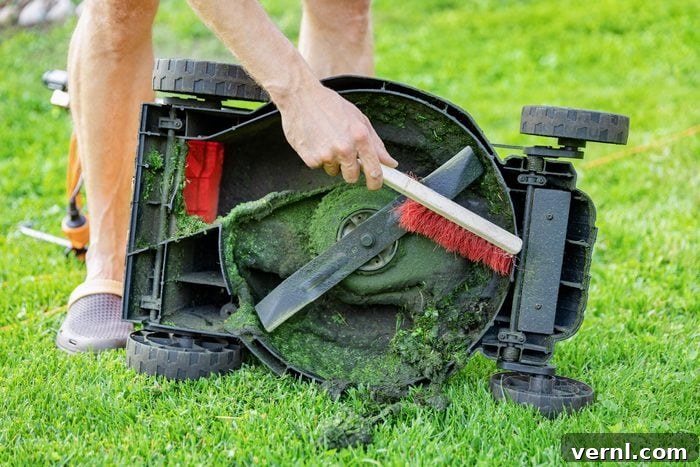
Beyond oil changes, performing these additional tasks each season will keep your mower running efficiently, reduce strain on the engine, and ensure a cleaner, healthier cut for your lawn:
- Sharpen and Balance Blades: Dull blades tear grass rather than cutting it cleanly, leading to a ragged-looking lawn that’s more susceptible to disease. “Blades should be sharpened two to three times a year,” advises Rick Lemelin, “and balanced.” Unbalanced blades can cause excessive vibration, putting stress on the engine and mower deck, and leading to uneven cuts. You can sharpen blades yourself with a file or grinder, or take them to a professional.
- Change the Fuel Filter: The fuel filter plays a vital role in preventing dirt, rust, and other debris from entering your engine’s fuel system and carburetor, which can cause clogging and poor performance. Replace the fuel filter at least once per season to ensure a clean, consistent fuel supply to the engine.
- Maintain Your Air Cleaner: A clean air filter is crucial for optimal engine performance and fuel efficiency. Most lawn mower air cleaners consist of a paper filter and a reusable foam pre-filter. “Take it off and wash it with soapy water,” Lemelin suggests for the pre-filter, while the paper filter should be replaced each season, or more frequently if operating in very dusty conditions. A clogged air filter starves the engine of air, leading to reduced power and increased fuel consumption.
- Replace the Spark Plug: The spark plug is essential for igniting the fuel-air mixture in the engine. Over time, spark plugs can foul with carbon deposits or develop excessive wear, leading to misfires, hard starting, rough idling, and reduced fuel efficiency. Replace your spark plug annually or according to your owner’s manual’s recommendations. Ensure you use the correct type of spark plug specified for your engine.
- Clean the Mower Deck: Grass clippings, especially from mowing wet grass, can accumulate heavily on the underside of the mower deck. This buildup reduces airflow, hinders blade efficiency, and can promote rust. Check and clean the underside and top of the mower deck regularly throughout the season, scraping off accumulated debris. This also helps prevent the spread of lawn diseases.
- Inspect and Clean Portable Fuel Containers: “This keeps any of that dirt from getting into the gas,” Lemelin states. Always close portable fuel containers, or gas cans, when not in use. Regularly wipe them down to prevent dirt and debris from contaminating the fuel you put into your mower.
- Check the Belts: For riding mowers and some push mowers with self-propel functions, belts transmit power from the engine to the transmission and/or the blades. Visually inspect all belts at least once a season for signs of wear, cracking, fraying, or looseness. Replace any compromised belts to ensure proper function and prevent breakdowns during operation. Most riding mowers have two primary belts.
- Maintain Tires (Riding Mowers): For riding mowers, proper tire pressure is vital for an even cut and stable operation. Check the tire pressure periodically and inflate to the manufacturer’s recommended PSI. Uneven tire pressure can lead to a lopsided cut and increased wear on components.
- Battery Care (Riding Mowers with Electric Start): If your riding mower has an electric start, maintain the battery. Check terminals for corrosion and clean them if necessary. Ensure the battery is fully charged, especially before storage for the winter. A battery tender can be useful for maintaining charge during off-seasons.
Frequently Asked Questions About Lawn Mower Oil and Maintenance
Is expensive lawn mower oil genuinely better than cheaper alternatives?
Both our experts, Mike Czepiel and Rick Lemelin, agree that there’s often no noticeable functional difference between less expensive conventional oil and higher-priced products for most standard lawn mower engines. However, Czepiel recommends considering a semi-blend oil (a mix of synthetic and conventional oil). “It’s a little more expensive, but it’s cheaper than a new engine,” he emphasizes, highlighting the superior protection and longevity benefits offered by synthetic blends. While full synthetic oil might be overkill for many older or basic engines, a synthetic blend provides enhanced thermal stability and wear protection without a significant price jump.
Does the specific type of oil I use in my lawn mower truly matter?
Absolutely, the type of oil you use in your lawn mower engine matters immensely. As previously discussed, you should exclusively use oil specifically formulated for small engines, typically SAE 30, 5W-30, or 10W-30, depending on your climate and mower manufacturer’s recommendations. Automotive oil, despite sometimes having similar weight ratings, is not recommended for small engines. Automotive oils contain different additive packages designed for the specific operating conditions and advanced filtration systems of car engines. Using them in a small engine can lead to inadequate lubrication, excessive wear, and potential engine failure. Always consult your owner’s manual for the precise oil type and viscosity recommended for your specific lawn mower model.
About Our Expert Contributors
We extend our gratitude to the seasoned professionals who shared their invaluable insights for this guide:
- Mike Czepiel: Owner of M & M Small Engine Repair in West Springfield, Massachusetts. With over 30 years of experience, Mike is an authority in fixing and servicing a wide range of small engines, including lawn mowers, snowblowers, and generators.
- Rick Lemelin: Owner of Get Your Fix Small Engine Repair in Chicopee, Massachusetts. Rick brings over two decades of expertise in the repair and maintenance of small engines and automobiles, offering a wealth of practical knowledge to our readers.