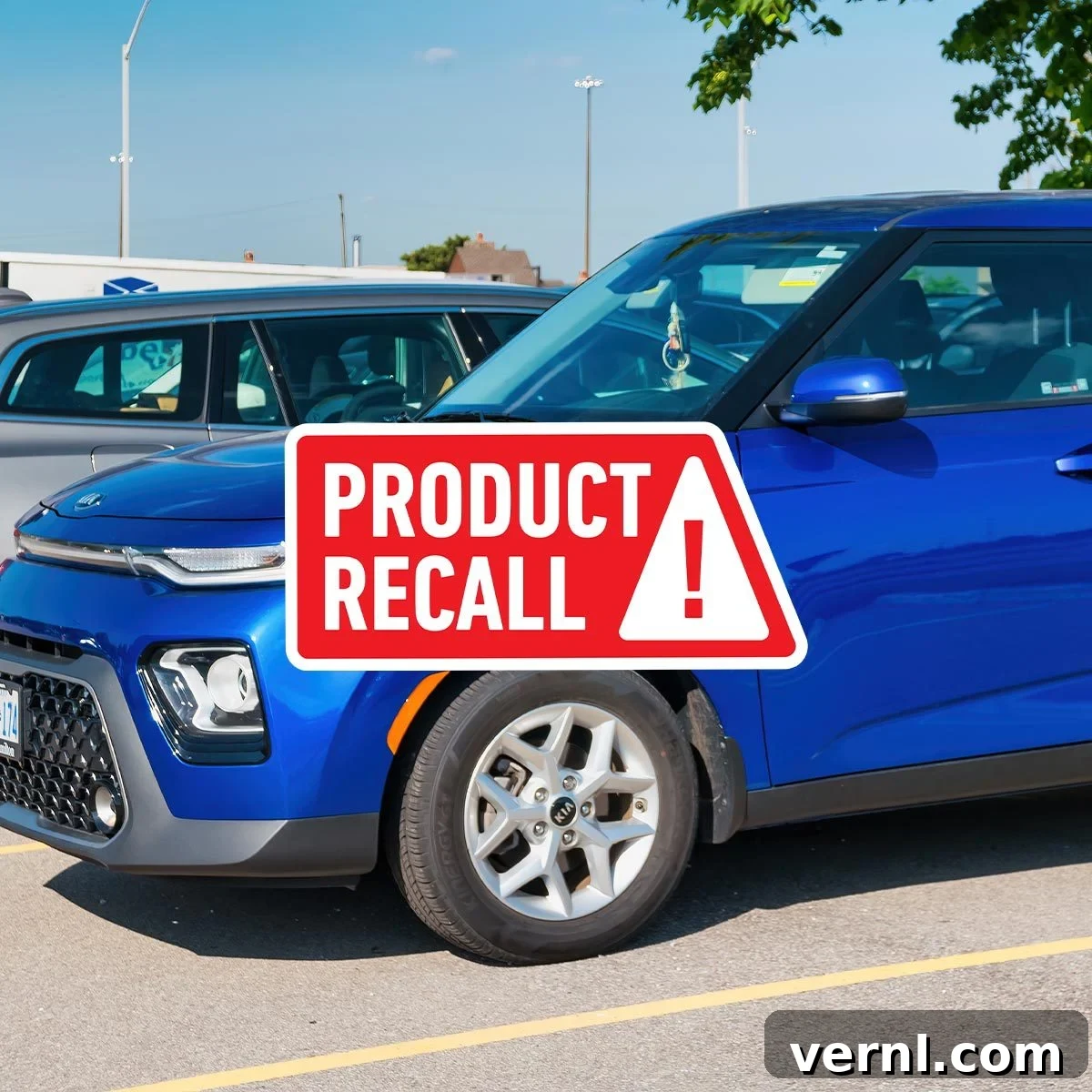
Urgent Kia Engine Recall Alert: What Owners Need to Know About the Latest Safety Hazard
Keeping abreast of vehicle safety recalls can often feel like a daunting task amidst the hustle and bustle of daily life. However, overlooking these critical announcements can have serious, even life-threatening, consequences. Owners sometimes mistakenly dismiss official recall letters as generic marketing materials or junk mail, unwittingly placing themselves in a dangerous predicament should their vehicle develop a critical malfunction. This time, the spotlight is on thousands of Kia owners who need to pay immediate attention to a newly announced safety recall. The National Highway Traffic Safety Administration (NHTSA) has recently issued an urgent recall for nearly 140,000 Kia vehicles, citing a significant engine defect that poses a substantial risk to driver and passenger safety.
If you are a Kia vehicle owner, it is imperative that you carefully review all official communications from Kia or your local dealership regarding this matter. To help you understand the gravity of the situation, we have meticulously broken down the essential details of this recall. Our aim is to provide clarity on the specific nature of the defect, identify the impacted vehicles, and explain why addressing this issue without delay is paramount for your safety and the safety of others on the road.
Understanding the Critical Kia Engine Recall: A Deep Dive into the Issue
According to the detailed brief released by the NHTSA, the core problem lies within the engine assembly of the recalled Kia vehicles. Specifically, the defect concerns the piston oil rings, which are vital components in the engine’s internal mechanics. The NHTSA report indicates that these piston oil rings “may have been manufactured incorrectly, which can result in engine damage.” This phrase, “engine damage,” understandably evokes concern, immediately bringing to mind the prospect of costly and extensive repairs. However, the implications extend far beyond mere financial burden; a compromised engine poses a severe safety hazard.
The consequences of this manufacturing flaw are particularly alarming. The NHTSA explicitly warns that “engine damage can cause a vehicle stall or fire, increasing the risk of a crash or injury.” Imagine driving at highway speeds or navigating busy city traffic when your vehicle’s engine suddenly stalls without warning. This unexpected loss of power can lead to a catastrophic loss of control, significantly elevating the risk of a collision. Furthermore, the potential for an engine fire introduces an even more terrifying scenario, threatening not only the occupants of the vehicle but also bystanders and other vehicles. This defect is not merely a performance issue; it is a critical safety flaw that demands immediate attention to prevent potentially tragic outcomes.
Is Your Kia Vehicle Affected? Identifying the Recalled Models
Kia’s recall encompasses a significant number of vehicles, with nearly 140,000 units identified as potentially harboring this dangerous engine defect. The affected models and their respective model years are critical for owners to identify:
- 2021 Kia Seltos
- 2022 Kia Seltos
- 2023 Kia Seltos
- 2021 Kia Soul
- 2022 Kia Soul
- 2023 Kia Soul
If your vehicle is among those listed above, it is crucial to exercise extreme caution. While official owner notification letters are anticipated to be mailed out by Kia in early April 2025, waiting for this letter should not deter you from taking proactive steps. In the interim, it is strongly advised to refrain from driving your vehicle as much as possible until you have had the opportunity to verify its status and, if impacted, get the necessary repairs performed. Your official letter will confirm whether your specific vehicle’s Vehicle Identification Number (VIN) is included in the recall. However, knowing your model and year allows you to be prepared and take preliminary precautions.
The Dangers of Driving a Recalled Vehicle: Prioritizing Your Safety
The advice to “refrain from driving it as much as possible” is not merely a suggestion; it’s a critical safety recommendation. Operating a vehicle with a known engine defect, especially one that carries the risk of sudden stall or fire, puts you and everyone around you at profound risk. An engine stall means an immediate loss of power steering and power braking, making the vehicle incredibly difficult to control. This can be disastrous in high-speed situations, on curved roads, or in dense traffic, where split-second reactions are vital for accident avoidance. The potential for a vehicle fire adds another layer of life-threatening danger, demanding an urgent response from affected owners.
Until your vehicle has been inspected and, if necessary, repaired, any journey could be your last uneventful one. The unpredictability of when and where an engine malfunction might occur makes every drive a gamble. Therefore, prioritizing alternative transportation methods and minimizing the use of your recalled Kia is the most responsible course of action to protect yourself, your passengers, and other motorists on the road. Do not underestimate the severity of this recall; it pertains to the very heart of your vehicle’s operation and safety.
Kia’s Comprehensive Solution: What to Expect from Your Dealership
Understanding Kia’s proposed solution is vital for all affected owners. Kia has outlined a clear and proactive strategy to address this engine defect, aiming to ensure the safety and peace of mind of its customers. Upon presentation of your recalled vehicle, Kia dealers will conduct a thorough inspection of the engine. Should the inspection reveal a faulty engine, it will be replaced entirely, at absolutely no cost to the owner. This commitment to a free replacement underscores the seriousness with which Kia is approaching this safety issue.
In addition to potential engine replacement, Kia will also implement a crucial software upgrade. Dealers will install the Piston-Ring Noise Sensing System (PNSS) software. This advanced software is designed to actively monitor the engine for specific noises that could indicate developing issues with the piston rings, providing an early warning system. The installation of this PNSS software will also be provided free of charge to all affected vehicle owners. This two-pronged approach—addressing the immediate physical defect and implementing a preventative monitoring system—demonstrates Kia’s dedication to resolving the issue comprehensively and enhancing the long-term reliability and safety of the impacted vehicles.
Navigating the Recall Process: Your Step-by-Step Guide
Receiving Your Official Notification
While preliminary information is available, the official notification process is crucial. Kia has confirmed that they will be mailing out owner letters in early April 2025. This letter will be your definitive confirmation, providing specific details about your vehicle’s inclusion in the recall based on its VIN. It will also outline the precise steps you need to take to schedule your vehicle’s inspection and subsequent repair. Keep an eye out for this official correspondence and do not disregard it as junk mail. It is your gateway to a safe and secure resolution.
Scheduling Your Inspection
Once you receive your official recall notification, the next immediate step is to contact your authorized Kia dealership. It is advisable to schedule an appointment for the engine inspection and any necessary repairs as soon as possible. Dealerships may experience a high volume of requests during this period, so proactive scheduling will help ensure a timely resolution for your vehicle. Be prepared to provide your VIN when you call, as this will expedite the process for the dealership.
What to Do While You Wait
If you own one of the affected models and are awaiting your official letter or your scheduled repair appointment, continue to exercise extreme caution. Minimize driving whenever possible. If you must drive, be vigilant for any unusual engine noises, warning lights on your dashboard, a decrease in engine performance, or, most critically, any signs of an engine stall. Should you notice any of these symptoms, pull over safely immediately and contact roadside assistance or your dealership. Do not continue driving a vehicle exhibiting these warning signs.
Post-Repair Assurance
After your vehicle has undergone the inspection, potential engine replacement, and PNSS software installation, you should receive documentation from the dealership confirming that the recall service has been performed. Retain these records for your personal files. This documentation serves as proof that your vehicle has been brought up to the latest safety standards as mandated by the recall.
The Broader Impact of Vehicle Recalls: Why Every Owner Must Pay Attention
Vehicle recalls are not isolated incidents but rather integral components of a robust system designed to protect consumers and uphold safety standards across the automotive industry. The NHTSA plays a pivotal role in this system, acting as a watchdog to ensure that manufacturers address defects promptly and effectively. Ignoring a recall notice is akin to ignoring a direct warning about a potential hazard. The consequences can range from inconvenient breakdowns and expensive out-ofpocket repairs to severe accidents, injuries, or even fatalities.
Every vehicle owner has a responsibility to stay informed about potential recalls affecting their car. This vigilance contributes not only to personal safety but also to the overall safety of roads and highways. By actively participating in the recall process—responding to notifications, scheduling repairs, and reporting issues—owners become active partners in maintaining automotive safety standards. Empower yourself with knowledge, act decisively, and encourage others to do the same to create safer driving environments for everyone.
Need More Information? Essential Contact Details for Kia Owners
For any further questions or to seek clarification regarding this urgent engine recall, several resources are available. You can directly contact Kia customer service at 800-333-4542. When you call, it will be helpful to reference Kia’s internal recall number, which is SC336. Providing this number will assist the customer service representative in quickly accessing specific details related to this recall.
Alternatively, you may also reach out to the National Highway Traffic Safety Administration (NHTSA) directly. Their toll-free number is 888-327-4236. If you opt to contact the NHTSA, please specify that you are inquiring about recall number 25V099000. Having your vehicle’s VIN readily available when making these calls can further streamline the information-gathering process.
Conclusion
The latest Kia engine recall for select 2021-2023 Seltos and Soul models is a critical safety matter that demands immediate attention from affected owners. The potential for sudden engine stalls or fires due to a piston oil ring defect underscores the severe risks involved. Kia’s commitment to providing free engine inspections, potential replacements, and the installation of PNSS software offers a clear path to resolution.
Do not wait until a problem arises. Heed the warnings, stay informed, and act proactively by monitoring for your official recall letter and contacting your dealership without delay. Your prompt action is essential not only for the mechanical integrity of your vehicle but, more importantly, for the safety of yourself, your loved ones, and everyone else on the road. Prioritize safety, stay vigilant, and ensure your Kia is properly serviced to avert potential hazards.
Source: Engine Damage May Cause Stall or Fire, National Highway Traffic Safety Administration, 2025.