
Summer is just around the corner, bringing with it the promise of warm weather, longer days, and the inevitable need for cool, comfortable indoor environments. For millions, this means relying on the trusty air conditioner to beat the heat. However, this year, an alarming warning has been issued, impacting a significant number of window AC units and potentially posing a serious health risk to unsuspecting homeowners. The United States Consumer Product Safety Commission (USCPSC) recently announced a crucial recall, highlighting the danger of mold exposure associated with specific Midea window air conditioners. This widespread recall affects nearly 1.7 million units across the United States and Canada, urging consumers to take immediate action to ensure their safety and well-being during the warmer months.
Understanding the Hidden Danger: Why These AC Units Pose a Mold Risk
Air conditioning units are designed not only to cool the air but also to dehumidify it, a process that inherently produces condensation. This condensation, essentially water drawn from the humid air, is typically collected in a drain pan and then safely expelled from the unit. This efficient drainage system is critical for the healthy operation of any AC unit. However, the USCPSC’s investigation into the affected Midea U and U+ Window Air Conditioners revealed a significant design flaw: their internal drainage systems are not functioning as intended. Instead of properly draining, pooled water accumulates within the units, creating a stagnant, damp environment.
This accumulation of water, combined with the warmth often present within an operating AC unit, creates an ideal breeding ground for mold. Mold spores are ubiquitous in the environment, but they require moisture to germinate and grow. When provided with a constant source of moisture and a conducive temperature, mold can proliferate rapidly and often invisibly within the confines of the air conditioner. This isn’t just a minor inconvenience; mold growth inside an air conditioner can lead to the release of mold spores directly into your indoor air, turning your cooling solution into a potential source of hazardous air pollutants. The implications of this faulty design extend far beyond simple discomfort, posing genuine health risks to occupants.
The Health Implications of Mold Exposure from Your AC
Exposure to mold, particularly through airborne spores circulated by an affected air conditioner, can have a range of adverse health effects. While the severity of symptoms can vary depending on an individual’s sensitivity, pre-existing conditions, and the duration and intensity of exposure, the risks are significant. The USCPSC’s brief explicitly states that at least 152 reports of mold growth have been received, with 17 consumers reporting direct symptoms linked to mold exposure from these units. These symptoms are not to be taken lightly and include a variety of respiratory and allergic reactions.
Common symptoms reported by affected individuals include persistent coughing, frequent sneezing, and uncomfortable sore throats. Beyond these initial indicators, mold exposure can also trigger more severe allergic reactions, leading to nasal congestion, runny nose, itchy eyes, skin rashes, and even difficulty breathing for those with heightened sensitivities. For individuals with pre-existing respiratory conditions such as asthma, mold can act as a potent trigger, exacerbating symptoms and potentially leading to severe asthma attacks. In more sensitive populations, such as young children, the elderly, or individuals with compromised immune systems, the health risks are amplified, potentially leading to more serious respiratory infections or chronic health issues. Prolonged exposure can also contribute to fatigue, headaches, and a general feeling of malaise, impacting overall quality of life. The insidious nature of mold means it can often grow undetected, silently compromising your indoor air quality and putting your family’s health at risk.
Identifying the Recalled Midea U and U+ Window Air Conditioners
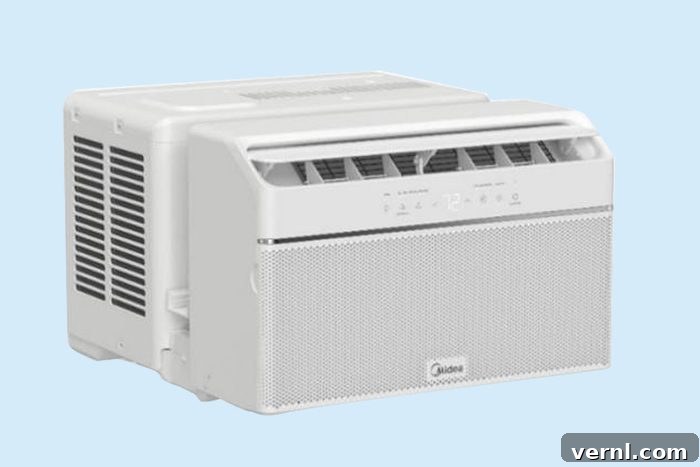
The recall issued by the USCPSC is extensive, encompassing approximately 1.7 million Midea U and U+ Window Air Conditioners sold in the United States, alongside an additional 45,900 units distributed in Canada. This broad reach underscores the importance of every consumer checking their window AC units. These affected units were sold under various brand names, making identification crucial. The associated brand names implicated in this recall include:
- Midea
- Comfort Aire
- Danby
- Frigidaire
- Insignia
- Keystone
- LBG Product
- Mr. Cool
- Perfect Aire
- Sea Breeze
While the brand names are diverse, the units share common characteristics that can help consumers identify them. All recalled models are specifically window units and were manufactured in three distinct cooling capacities: 8,000 BTU, 10,000 BTU, and 12,000 BTU. Regardless of the specific brand or BTU size, these units typically feature a distinctive “U” shape, are predominantly white in color, and measure approximately 22 inches in width by 14 inches in height. A key identifying feature is that they all come equipped with both a remote control for convenient operation and an associated mobile application for smart control, enhancing their user experience. To definitively confirm if your unit is part of the recall, it is essential to locate the model number and serial number, typically found on a label on the side or back of the air conditioner. These numbers will be crucial when contacting Midea or checking the official recall website.
These problematic window AC units were widely available through a variety of retail channels, making it plausible that many households unknowingly purchased one. They were sold at numerous physical stores and online platforms across the country. Major retailers where these units were distributed include:
- Costco
- Menards
- Home Depot
- Best Buy
- Midea.com
- Amazon.com
- Costco.com
- Menards.com
- HomeDepot.com
- Lowes.com
- Walmart.com
- BJs.com
- BestBuy.com
If you purchased a window AC unit from any of these retailers, especially within the last few years, it is highly recommended that you take the time to inspect your unit and verify if it falls under this critical recall. Timely identification is the first step towards resolving the issue and safeguarding your indoor environment from potential mold exposure.
Taking Action: Your Options for Resolution
If you have identified that you own one of the affected Midea U or U+ Window Air Conditioners, it is imperative to cease its use immediately to prevent further mold growth and potential health risks. The United States Consumer Product Safety Commission has outlined clear steps for consumers to take, offering pathways for both repair and refund. Your first and most critical step is to contact Midea directly to initiate the recall process. Midea is responsible for providing consumers with an appropriate remedy, which will typically involve either a free repair service or a full or prorated refund, depending on the specifics of your purchase.
Choosing Between a Repair or a Refund
Consumers have two primary options once their unit is confirmed to be part of the recall: a repair or a refund. The choice between these options often depends on individual preference, the unit’s age, and the purchase date, which will influence whether a full or prorated refund is offered. A prorated refund means you would receive a portion of the original purchase price, accounting for the period of use or depreciation since the date of manufacture or purchase.
For a Refund: If you opt for a refund, Midea will require you to either send the unit back to them or, for safety and convenience, provide photographic proof that you have destroyed the unit’s power cord. This “proof of destruction” method is a common practice in recalls to ensure that the hazardous product cannot be reused or resold, effectively removing it from circulation. You would typically be asked to cut the power cord in a specific way and submit a photo to Midea as evidence. Once confirmed, Midea will then process your full or prorated refund based on their established guidelines, which consider the unit’s age and original purchase date.
For a Repair: Should you prefer to keep your unit and have it repaired, Midea will facilitate this process. The USCPSC advises that consumers contact Midea to arrange for a technician to visit and install a new, improved drain plug designed to prevent water accumulation. Alternatively, depending on your specific model and Midea’s assessment, they may choose to send you a repair kit. This kit typically includes the new drain plug, along with a bubble level to ensure proper installation and a clear instruction manual. Installing the new drain plug is crucial as it directly addresses the design flaw that leads to pooled water and subsequent mold growth. It’s vital to follow all instructions carefully, whether performing the repair yourself with a kit or ensuring a technician completes the work correctly, to effectively mitigate the mold risk.
Regardless of the option you choose, initiating contact with Midea is paramount. Do not attempt to fix the drainage issue yourself without official guidance from the manufacturer, as improper repairs could void warranties or fail to adequately resolve the underlying problem. Act promptly to secure your repair or refund and ensure a safe and healthy environment in your home this summer.
Beyond the Recall: General AC Maintenance and Mold Prevention
While the immediate focus is on addressing the Midea recall, this incident serves as an important reminder of the critical role proper maintenance plays in the health and efficiency of all air conditioning units. Even if your AC unit is not part of this specific recall, adopting proactive measures can significantly reduce the risk of mold growth and improve your indoor air quality. Regular maintenance not only prolongs the life of your appliance but also ensures it operates safely and effectively.
One of the simplest yet most effective preventative steps is the routine cleaning or replacement of your AC unit’s air filters. Filters trap dust, pollen, and other airborne particles, preventing them from accumulating on the evaporator coils and inside the unit. A clogged filter restricts airflow and can lead to moisture buildup, creating an environment ripe for mold. Manufacturers typically recommend changing filters every 1 to 3 months, or more frequently if you have pets, allergies, or live in a dusty environment.
Regularly inspecting and cleaning the drain pan and drainage lines is another crucial aspect of mold prevention. Ensure that the drain pan is free of standing water and debris. Any blockages in the drain line can cause water to back up, leading to the same pooling problem identified in the recalled Midea units. You can often clear minor clogs using a mixture of vinegar and water or a small brush. For central AC systems, ensure the condensate drain line remains clear and unobstructed.
Proper installation and leveling of window units are also vital. An improperly leveled window AC might not drain condensation effectively, causing water to collect internally. Always follow the manufacturer’s installation guidelines, ensuring a slight tilt towards the outside to facilitate natural drainage. For central air conditioning systems, professional servicing at least once a year can ensure that all components, including coils, drain lines, and pans, are clean and functioning correctly. Technicians can identify potential issues before they escalate, providing peace of mind and preventing costly repairs.
Furthermore, monitoring your home for musty odors is a key indicator of potential mold growth. If you detect a damp or earthy smell, particularly when your AC unit is running, it could be a sign that mold is present either within the unit or in your ductwork. Addressing these odors promptly can prevent mold from spreading and becoming a larger issue. Implementing a dehumidifier in particularly humid areas of your home can also help control overall moisture levels, further deterring mold growth in and around your AC system.
By integrating these general maintenance tips into your routine, you can significantly enhance the longevity and performance of your air conditioning system while safeguarding your home and family against the health risks associated with mold. Stay vigilant, stay informed, and enjoy a truly refreshing and healthy summer.
Source
- Midea Recalls About 1.7 Million U and U+ Window Air Conditioners Due to Risk of Mold Exposure, United States Consumer Product Safety Commission, 2025.