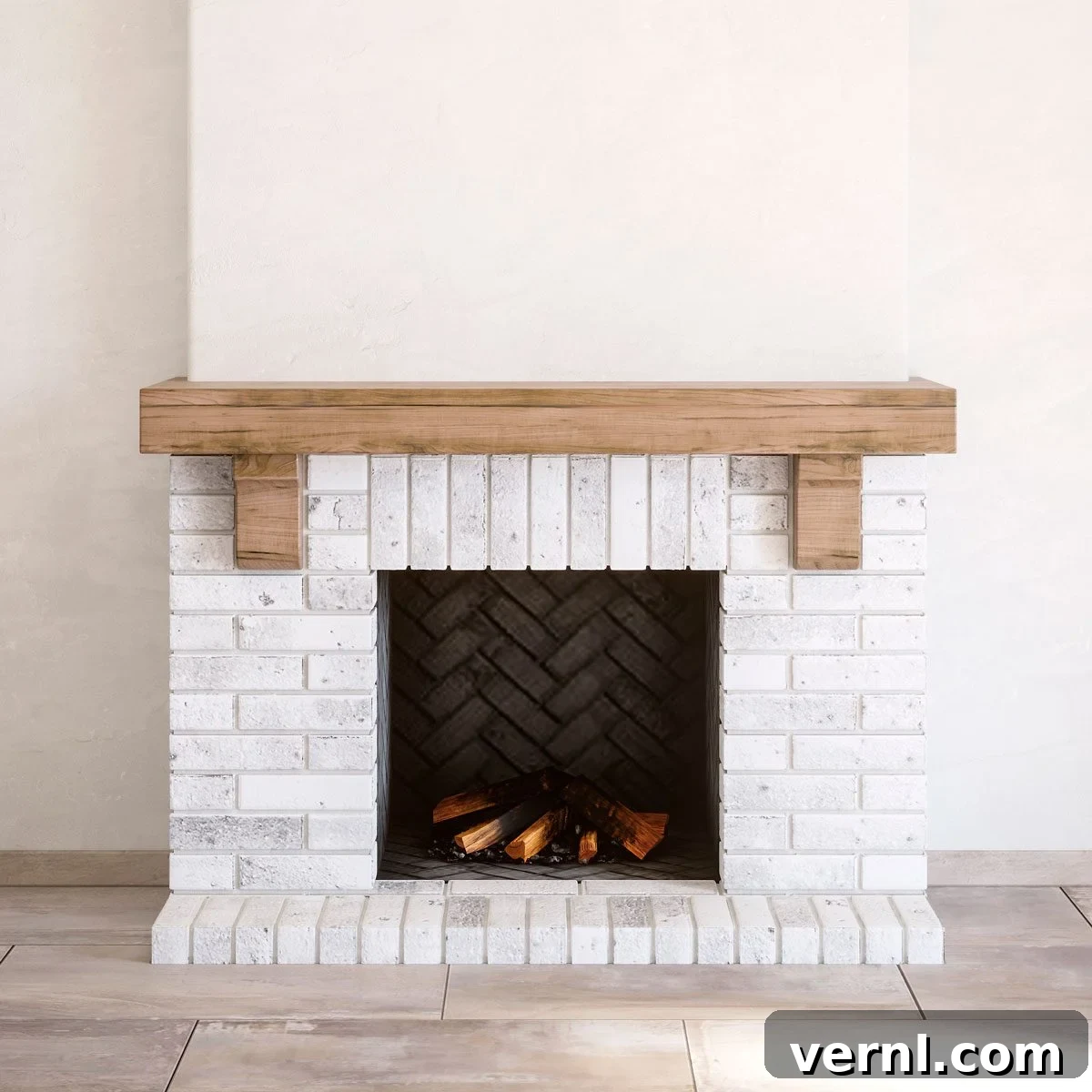
Your fireplace and chimney system are marvels of engineering, designed to bring warmth and comfort to your home. Within this intricate structure, numerous components work in harmony to ensure a safe and enjoyable fire. Among the most crucial, yet often overlooked, elements is the fireplace damper.
When you hear someone refer to “opening the flue” of a fireplace, they are, in essence, talking about opening the damper. This small but mighty mechanism serves a dual purpose: when a fire is lit, an open damper allows the dangerous smoke, soot, and combustion gases to safely exit through the chimney. Conversely, when closed, the damper acts as a vital barrier, preventing cold outside air from infiltrating your home and heated air from escaping. Understanding its function is key to enjoying roaring fires all winter long—without the pervasive smell of smoke or the sting of high energy bills.
This comprehensive guide will delve into everything you need to know about this essential fireplace component, ensuring your home remains warm, safe, and smoke-free.
What Exactly is a Fireplace Damper and Why is it Important?
At its core, a fireplace damper is a movable door or flap situated within your fireplace system, typically located near the base of the chimney or at its very top. Constructed from durable, heat-resistant materials such as cast iron, stainless steel, or sometimes ceramic, its primary function is to seal off or open the chimney flue. Think of it as the chimney’s gatekeeper, meticulously controlling the airflow.
According to heating expert Andrew Hancock, “A fireplace damper is the chimney’s door, sitting at the base of the flue to control airflow. But a fireplace damper isn’t just about airflow—it’s a barrier that prevents heat from escaping and pets from entering.” This highlights its multifaceted role beyond merely facilitating smoke removal. When a fire is burning, the damper funnels the smoke and harmful carbon monoxide upwards and out. Without an open damper, these toxic fumes would quickly back up into your living space, posing significant health risks and causing extensive smoke damage.
Beyond safety, the damper plays a critical role in your home’s energy efficiency. A properly functioning chimney creates an updraft—a natural negative pressure that draws smoke and hot air upwards. While this is beneficial during a fire, an open flue when no fire is present acts like a gaping hole in your roof. It becomes a direct conduit for your home’s expensive heated or air-conditioned air to escape, leading to significant energy loss and inflated utility bills. Conversely, it allows cold drafts, moisture, and even pests to infiltrate your sanctuary. A well-sealed damper is indispensable for maintaining a comfortable indoor temperature and protecting your home from the elements. However, it’s paramount to remember that a closed damper with a lit fire is a recipe for disaster, as smoke and toxic fumes will rapidly fill your home.
Does My Chimney Require a Fireplace Damper?
The vast majority of modern fireplaces, whether gas or wood-burning, are equipped with a damper, and for good reason. Most local building codes mandate their inclusion due to critical safety requirements. If you reside in an older home, or one where a fireplace might have been a DIY project without proper permits or inspections, there’s a slight possibility it lacks this essential component. However, any fireplace constructed with a pre-fabricated insert, common in both gas and wood-burning installations, will almost certainly include a damper as part of its design.
While older, traditional wood-burning fireplaces might technically function (though inefficiently and unsafely) without a damper, gas fireplaces absolutely cannot operate safely without one. More broadly, a chimney without a damper is fundamentally an unsealed opening to the outside world. This isn’t just a minor inconvenience; it presents several significant problems for your home:
- Energy Loss: In winter, your precious heated air will continuously escape through the open flue, leading to higher heating costs. In summer, the chimney’s updraft can pull cool, air-conditioned air out, or a low-pressure system can force hot, humid air in, compromising your home’s comfort and efficiency.
- Drafts and Cold Spots: An undampered chimney allows cold outside air to constantly stream into your home, creating uncomfortable drafts and cold spots, particularly near the fireplace itself.
- Pest Intrusion: Without a damper or a protective screen at the chimney top, your chimney becomes an open invitation for insects, birds, bats, and rodents. These unwelcome guests can bring diseases, nests, debris, and unpleasant odors into your home, potentially causing extensive damage to the chimney liner or attic spaces.
- Moisture and Debris: Rain, snow, leaves, and other outdoor debris can easily fall directly into your firebox, potentially leading to water damage, rust, and accumulation of flammable materials within the chimney.
- Outside Noise: An open flue also provides a direct path for outside noises to travel into your living space, diminishing your home’s tranquility.
Therefore, having a functional damper is not just a recommendation; it’s a necessity for safety, energy efficiency, and overall home protection.
Exploring the Types of Fireplace Dampers
Traditional wood or gas fireplaces typically feature one of two main types of dampers, each with its own design, advantages, and considerations:
-
Throat Dampers
These are the most common and traditional type of fireplace damper. Throat dampers are installed at the base of the chimney, positioned just above the firebox—the main chamber where the fire burns. They usually consist of a cast-iron or steel flap that pivots or slides to open and close the flue. Operation is typically managed by a lever, handle, crank, or chain conveniently located inside the fireplace firebox. When open, the flap retracts, allowing smoke to ascend. When closed, it forms a seal at the bottom of the flue.
Pros of Throat Dampers:
- Traditional and Familiar: They are standard in many older and newly built fireplaces.
- Easy Access: The operating mechanism is usually within easy reach.
- Relatively Inexpensive: Often more affordable to replace the damper plate itself.
Cons of Throat Dampers:
- Less Airtight: Due to their position and material, throat dampers often don’t provide a perfectly airtight seal. Gaps can form as the metal warps from repeated heating and cooling cycles, leading to significant heat loss.
- Prone to Rust and Wear: Being exposed to direct heat, soot, and moisture can cause them to rust, seize, or warp over time.
- Heat Loss through Chimney: Even when closed, the entire column of air in the chimney below the damper can still be cold, drawing heat from the house.
-
Chimney Cap or Top-Sealing Dampers
As their name suggests, top-sealing dampers are installed at the very top of the chimney flue, effectively sealing the chimney from the outside. These dampers are typically operated by a stainless steel cable that runs down the inside of the flue to a control lever mounted within the firebox. When the lever is engaged, it lifts a spring-loaded lid, opening the damper. When disengaged, the lid seals tightly against a gasket, creating a superior airtight seal.
“If your damper is old or doesn’t work well, I always recommend upgrading to a top-sealing damper,” says Andrew Hancock. “It does a much better job of locking in heat and keeping out cold drafts.”
Pros of Top-Sealing Dampers:
- Superior Energy Efficiency: They create an exceptionally tight, gasketed seal at the very top of the chimney, preventing virtually all heat loss and cold air infiltration.
- Keeps Out Rain and Pests: By sealing the top of the flue, they effectively prevent rain, snow, leaves, and animals from entering the chimney directly.
- Less Prone to Warping: They are exposed to less intense heat than throat dampers, making them more durable and less likely to warp.
- Reduces Odors: A tight seal can also help contain chimney odors from creosote buildup.
Cons of Top-Sealing Dampers:
- Higher Initial Cost: Generally more expensive to purchase and install compared to throat dampers.
- Requires Roof Access: Installation and any future maintenance typically require working on the roof, making it a job often best left to professionals.
- Cable Maintenance: The operating cable can sometimes fray or get stuck, requiring periodic inspection.
Choosing the right type of damper or upgrading an existing one can significantly impact your fireplace’s efficiency, safety, and your home’s overall comfort.
Ensuring Your Fireplace Damper Is Open Before Lighting a Fire
This is arguably the most critical safety check before enjoying your fireplace. Always, without exception, confirm the damper is fully open before lighting any fire. Failure to do so will result in smoke rapidly filling your home, posing carbon monoxide risks and causing extensive mess. If you’re unsure about the open or closed position of your damper’s hardware, employ one or more of the following reliable methods:
-
Visual Inspection with a Flashlight
For fireplaces equipped with a throat damper, this is often the most straightforward method. Crouch down and shine a bright flashlight up into the chimney from the firebox. If the damper is open, you should clearly see a gap or opening directly above the firebox, allowing you to look up into the flue. You might even see daylight if it’s a clear day. If it’s closed, you’ll see a solid plate blocking the opening.
-
Check for a Draft
Before any fire is present, place your hand or a thin piece of paper (like a tissue) inside the (unlit) firebox, near the flue opening. If the damper is open, you should feel a distinct draft of air moving upwards into the chimney. This upward pull indicates that the flue is clear and the natural updraft is functioning. If you feel no air movement or, worse, feel cold air pushing down, the damper is likely closed or partially obstructed.
-
The Paper Test (Smoke Test)
For a more definitive test, carefully light a small piece of newspaper or a match and hold it directly under the chimney opening within the firebox. Observe the flame and smoke. If the damper is open, the flame will be drawn upwards into the chimney, and the smoke will swiftly ascend the flue. If the smoke billows back into the room or struggles to go up, the damper is closed or has a significant obstruction. Always perform this test with extreme caution, using only a small flame, and be prepared to extinguish it immediately.
-
External Visual Check for Top-Sealing Dampers
If you have a top-sealing damper (often integrated with a chimney cap), and you’re still uncertain after checking the internal cable mechanism, you may need to go outside to verify its position. From the ground, look up at your chimney. You should be able to see if the lid of the damper is open. For taller chimneys or clearer visibility, binoculars can be very helpful. Remember, accessing the roof should only be done if you have proper safety equipment and training.
By making these checks a routine part of your fireplace preparation, you can prevent dangerous smoke inhalation and enjoy your fires with complete peace of mind.
Installing or Replacing a Fireplace Damper: When and How
Despite their robust construction, fireplace dampers are subjected to extreme conditions. Over time, intense heat, corrosive creosote buildup, and moisture exposure can cause them to warp, crack, rust, or become stiff and inoperable. When a damper no longer provides a tight seal or operates smoothly, it needs to be replaced to ensure safety and efficiency.
Replacing a Throat Damper
Replacing a throat damper can be a DIY project for someone with moderate handyman skills, though it requires patience and proper tools. Most throat dampers are relatively simple mechanisms, often held in place by a metal rod or bolts attached to the chimney structure. The process typically involves:
- Preparation: Ensure the fireplace is completely cold and clean. Wear gloves and eye protection.
- Access: Locate the attachment points, usually nuts or bolts securing the damper to the chimney’s throat. These may be rusted and require penetrating oil to loosen.
- Removal: Carefully loosen and remove the nuts or bolts. Gently wiggle and maneuver the old damper plate off the rod or out of its housing. It might be heavy and awkward.
- Measurement and Purchase: Take the old damper plate to your local home improvement store or a specialized fireplace supply store. It’s crucial to purchase an identical replacement in terms of size and attachment mechanism to ensure a proper fit.
- Installation: Slide the new damper onto the existing rod or into the housing. Reattach and tighten the nuts or bolts securely. Test the damper’s operation to ensure it opens and closes smoothly and seals effectively.
While this sounds straightforward, rusted hardware, tight spaces, and the weight of cast iron can make it challenging. If you encounter significant difficulty, it’s wise to call a professional.
Installing or Replacing a Top-Sealing Damper
Installation or replacement of a top-sealing damper is generally best left to professionals for several reasons:
- Roof Safety: Working on a roof, especially on a chimney, carries inherent risks. Professionals have the necessary safety equipment, such as safety harnesses, ladders, and experience to navigate these environments safely.
- Proper Sizing and Sealing: Correct sizing for your flue and precise installation are critical to ensure an airtight seal and efficient operation. A professional will correctly measure the flue, choose the appropriate damper, and seal it properly to prevent leaks.
- Cable Routing: The cable needs to be routed correctly down the flue to the firebox without interfering with the chimney’s function or becoming damaged.
- Warranty and Expertise: Professional installers provide warranties on their work and ensure the installation complies with local building codes, offering peace of mind.
A properly installed and maintained damper can provide decades of worry-free use, particularly when paired with a screened chimney cap. This cap works in conjunction with the damper to prevent water, leaves, and animals from entering and damaging your chimney system.
Essential Damper Maintenance Tips
To prolong the life and effectiveness of your damper, consider these maintenance practices:
- Regular Cleaning: Soot and creosote can build up around the damper plate and mechanism, hindering its movement and preventing a tight seal. During your annual chimney cleaning, ensure the damper area is thoroughly cleaned.
- Lubrication: For throat dampers, the pivot points or sliding mechanisms may benefit from occasional lubrication with a high-temperature lubricant to ensure smooth operation.
- Inspect the Seal: Periodically check the damper plate for warping or cracks and inspect the surrounding area for gaps. For top-sealing dampers, check the gasket for wear and tear.
- Annual Professional Inspection: A certified chimney sweep will inspect your entire chimney system, including the damper, for any signs of damage, wear, or operational issues, recommending repairs or replacement as needed.
Fireplace Damper Cost and Professional Installation
The cost of a fireplace damper and its installation can vary depending on several factors, including the type of damper, its size, the material, and regional labor rates. However, investing in a high-quality, properly installed damper is an investment in your home’s safety and energy efficiency.
- Throat Dampers: A new cast-iron throat damper, including its opening mechanism, typically costs between $150 to $250. If only the damper plate needs replacement, you might find these for around $50 to $100.
- Top-Sealing Dampers: These generally range from $200 to $300 for the unit itself. It’s important to note that this cost is separate from a screened chimney cap, which provides additional protection against rain and pests and usually runs between $90 and $120. Often, top-sealing dampers are sold as integrated units with screens.
Professional installation for a new damper will typically add another $200 to $400 for labor. This labor cost can fluctuate based on the complexity of the installation, ease of access to the chimney, and whether any additional repairs (like masonry work or flue liner repair) are required.
While these costs represent an initial outlay, consider the long-term savings. Andrew Hancock succinctly puts it: “If your damper doesn’t close tightly, you’re paying up to 30% more on heating bills.” Over a single heating season, especially in colder climates, these savings can quickly offset the installation cost. For example, if your annual heating bill is $1,500, a 30% saving could mean an extra $450 in your pocket each year, making the damper replacement a financially savvy decision in the long run.
Ultimately, a functional, well-maintained fireplace damper is indispensable. It protects your family from harmful smoke and carbon monoxide, conserves energy by preventing drafts and heat loss, and keeps out unwanted pests and moisture. Regular checks and timely maintenance or replacement will ensure your fireplace continues to be a source of warmth and comfort for years to come.
About the Expert
Since 2013, Andrew Hancock has been the president of Gilman Heating, Cooling & Plumbing, a respected company in Virginia known for its century-long history in home comfort services. Before his time at Gilman Heating, Justin spent years working as a plumber and then as an HVAC expert, where he built a solid foundation of skills and knowledge, making him a trusted voice in home heating and safety.