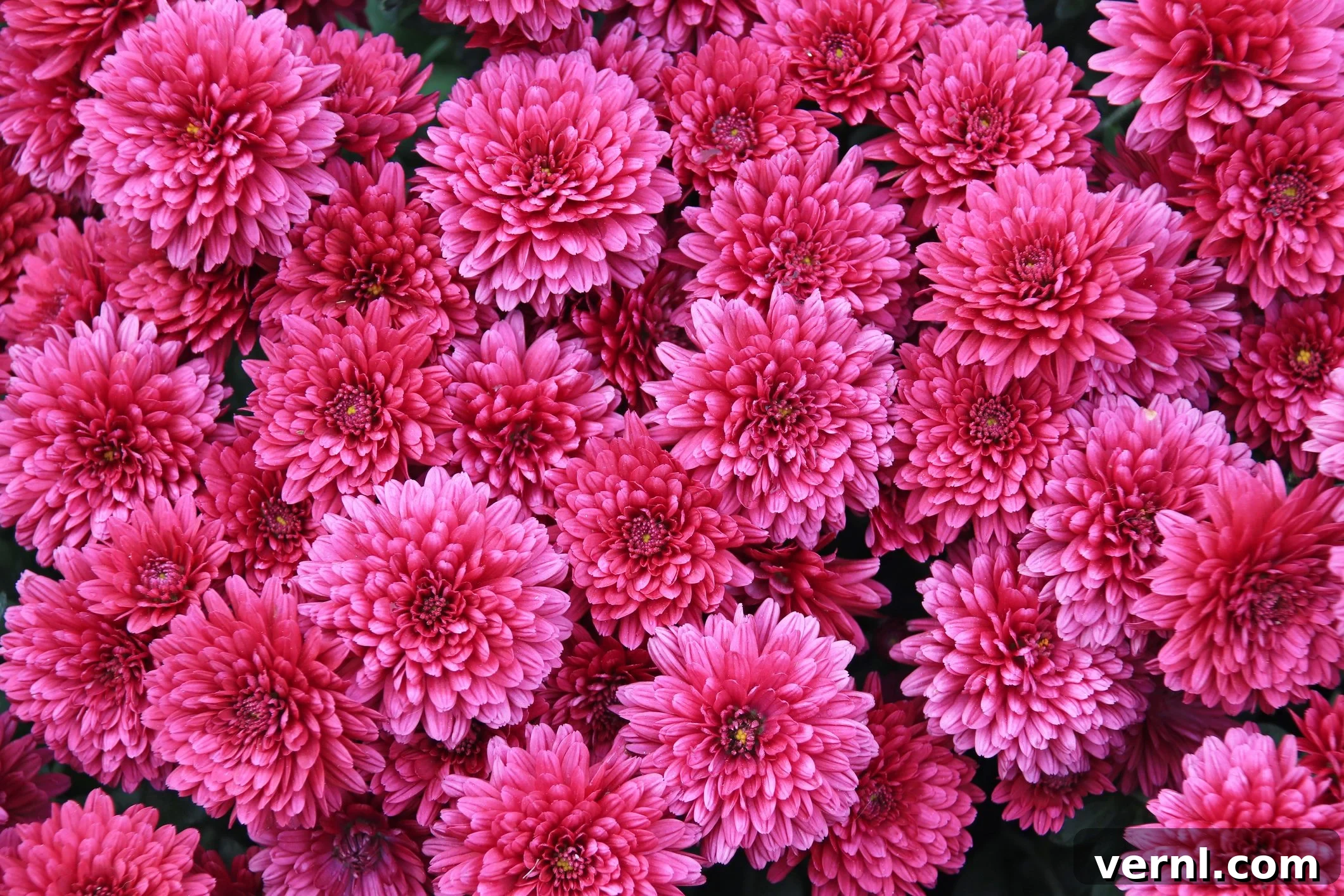
Chrysanthemums, affectionately known as mums, stand out as the quintessential fall flower, instantly recognizable and cherished by gardeners worldwide. Their vibrant display in garden centers heralds the cooler days of autumn and the gradual winding down of the growing season, transforming landscapes with their rich hues. More than just a seasonal spectacle, mums offer a diverse world of gardening possibilities, from striking container arrangements to robust garden perennials. This comprehensive guide will explore everything you need to know about growing and caring for these magnificent autumn blooms.
Are Mums Perennials? Unveiling the Hardy Truth
The question of whether mums are perennials often arises, and the answer is nuanced. Yes, many chrysanthemums are indeed perennial flowers, capable of returning year after year under the right conditions. These are commonly referred to as hardy mums or garden mums. They typically exhibit a sturdy, mounded growth habit with abundant blooms and are best suited for USDA Plant Hardiness Zones 5 to 9, depending on the specific cultivar.
However, not all mums are created equal. The beautifully potted chrysanthemums found year-round in grocery stores and florist shops are generally known as florist mums. While visually stunning, these varieties are often less cold-hardy, typically thriving as perennials only in warmer climates, usually Zones 8 to 11. In colder zones, florist mums are frequently treated as annuals, enjoyed for a single season and then discarded after their blooms fade. Understanding this distinction is crucial for successful long-term mum cultivation.
Cultivating Chrysanthemums: Key Considerations for Planting
Embarking on the journey of planting mums requires a thoughtful approach, ensuring these beautiful flowers have the best start for a season of spectacular blooms.
Diverse Types of Mums to Plant
The world of chrysanthemums is incredibly diverse, with the National Chrysanthemum Society recognizing a detailed classification system based on their intricate flower types. This system includes 13 distinct categories, ranging from delicate singles to elaborate pompons and striking spider forms. While many of these unique types are often specialized florist varieties, a wide array of garden-worthy mums is available to home gardeners.
- Potted Garden Mums: Many gardeners opt for the readily available potted mums purchased from garden centers in late summer and early fall. These compact, bloom-heavy plants are perfect for adding instant color to the fall garden, adorning porches, patios, and seasonal displays. While often treated as annuals, some can overwinter successfully if planted early and given proper care.
- Classic Hardy Varieties: For those seeking long-term garden residents, specific varieties are bred for their resilience and vigor in the landscape. These tend to grow larger and develop a more natural, looser form than their potted counterparts. Some popular choices include:
- ‘Sheffield Pink’ Mums: Known for their charming light apricot-pink flowers with contrasting gold centers. These robust plants can reach up to two feet in height and spread, forming impressive clumps. They are exceptionally easy to divide and share, and their abundant blooms are a magnet for late-season butterflies.
- The Igloo Series of Mums: Celebrated for their exceptional hardiness, making them a superb option for gardeners in USDA Zones 3 to 9. This series offers a wide spectrum of traditional mum colors. For instance, ‘Pumpkin Igloo’ showcases vibrant orange petals encircling a cheerful yellow center.
- ‘Matchsticks’ Hybrid Mums: These provide a truly unique aesthetic with their distinctive spoon-shaped yellow petals tipped with a fiery red. Their unusual appearance makes them a conversation starter and a captivating addition to any garden.
Optimal Timing for Planting Mums
For establishing mums as true perennials in your garden, spring is unequivocally the best time to plant them. Planting in spring allows these resilient flowers ample time to develop a strong, deep root system before the onset of winter’s freezing temperatures. This crucial establishment period significantly increases their chances of overwintering successfully and returning vibrantly in subsequent years.
However, finding mums in garden centers during spring can be challenging. They are often sold as small, unassuming green plants, lacking the showy blooms that attract buyers in the fall. You may need to order plants online or visit specialty nurseries to acquire mums in the spring.
If your only opportunity to purchase mums is in the fall, plant them as soon as possible after acquisition. While fall-planted mums might not have sufficient time to establish strong roots for guaranteed overwintering, a mild winter or diligent protective measures can sometimes lead to their survival. It’s always worth the effort to plant them. Alternatively, fall-planted mums can be enjoyed for their seasonal beauty and then treated as annuals, removing them once their blooms fade.
Step-by-Step Guide: How to Plant Mums
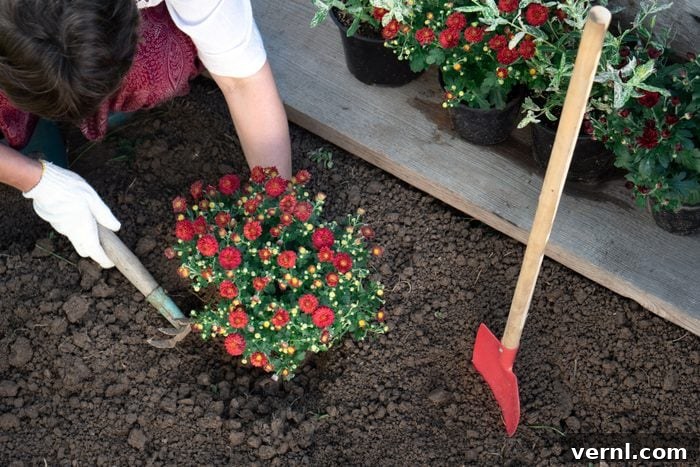
Whether you choose to plant mums in the ground, in decorative containers, or even from seeds, proper technique ensures a healthy start:
- Location is Key: Mums thrive in environments where they receive at least six hours of direct sunlight daily. This sun exposure is vital for robust growth and abundant flowering. Additionally, selecting a site with well-drained soil is paramount. Mums detest soggy feet, and excellent drainage is especially critical for their survival through the winter months. Heavy clay soils should be amended with organic matter like compost to improve drainage and aeration.
- Planting in Containers: For container gardening, select pots with adequate drainage holes. Fill them with a high-quality potting soil mix that promotes good aeration and moisture retention without becoming waterlogged. Ensure the container size is appropriate for the mum’s mature size, allowing room for root growth.
- Growing from Seeds: While less common for garden mums, it is certainly possible to grow mums from seeds. This method offers the chance to cultivate unique varieties. For optimal germination and growth, always follow the specific instructions provided on the seed packet. Mums grown from seed typically bloom in their first year, providing a rewarding experience.
- Spacing: When planting multiple mums in the ground, ensure adequate spacing (typically 18-24 inches apart) to allow for air circulation and to prevent overcrowding as they mature. This helps deter fungal diseases.
Caring for Mums: Nurturing Vibrant Blooms
Once planted, chrysanthemums require consistent care to flourish and deliver their breathtaking fall display. Proper watering, fertilizing, and pruning are essential for healthy, vigorous plants.
Watering Your Mums
During their initial establishment phase, new mums require consistent moisture. Provide the equivalent of an inch of water weekly, either through rainfall or by deep watering several times a week. This helps their root systems spread and anchor firmly in the soil. Once mums are well-established and actively growing, they generally become more drought-tolerant and may not require additional watering unless conditions are unusually dry or they are planted in containers, which dry out more quickly.
Fertilizing for Peak Performance
To support vigorous growth and abundant flowering, fertilizing is an important aspect of mum care. If your soil’s fertility is unknown or poor, incorporate a balanced, slow-release granular fertilizer (e.g., 10-10-10 or similar) early in the spring when planting or when you observe new green growth emerging. This initial boost provides essential nutrients for vegetative development. Follow up with another application of fertilizer in mid-summer to fuel flower bud formation. Mums planted in the fall, whether in the ground or in containers, generally do not require additional fertilizer as their focus is on root establishment rather than extensive new growth or blooming.
Pruning for a Bushier Bloom
Left to their own devices, many mums grown as perennials in the garden can grow quite tall, reaching up to two feet in height and width, often developing a looser, more open form. To encourage a bushier plant with more prolific blooms, pruning (also known as “pinching”) is highly recommended.
Begin pruning when the new foliage in spring is about four to six inches tall. Pinch off the tip of each branch back to the first set of leaves. This action encourages the plant to produce more side branches, leading to a denser plant structure and a greater number of flower buds. For an even fuller plant and a more spectacular display, you can repeat this pinching process. Allow the stems to grow another four to six inches, then pinch their tips back once more. Stop pinching by early to mid-July to allow sufficient time for flower buds to form before fall.
Deadheading for Continuous Color
To extend the blooming season and maintain the plant’s tidy appearance, practice regular deadheading. This involves removing spent or faded flowers. Deadheading diverts the plant’s energy from seed production back into creating more blooms, encouraging a longer and more abundant floral display throughout the fall.
Pest and Disease Management
While generally robust, mums can sometimes be susceptible to pests like aphids, spider mites, and diseases such as powdery mildew or leaf spot. Regular inspection of your plants helps catch problems early. For aphids and mites, a strong spray of water or an insecticidal soap can be effective. Ensure good air circulation to prevent fungal issues, and remove any affected leaves promptly.
Overwintering Mums: Protecting Your Perennials
Successfully overwintering mums ensures they return year after year, providing continuous fall beauty. The key is to protect them from the harsh cycles of freezing and thawing.
- Fall Preparation: Unlike many perennials, it’s best not to cut back all the foliage of hardy mums in the fall. The existing stems and leaves provide a natural layer of insulation.
- Mulching for Protection: Once the ground begins to freeze consistently, typically in late November or December depending on your location, apply a thick layer (4-6 inches) of mulch around the base of the mums. Materials like straw, shredded leaves, or pine needles work well. The purpose of this mulch isn’t to prevent the ground from freezing, but rather to keep it frozen once it does, preventing the damaging freeze-thaw cycles that can heave plants out of the soil and expose their roots.
- Spring Awakening: In early spring, when you observe the first signs of new green growth emerging from the base of the plant, carefully remove the heavy layer of winter mulch. At this time, cut back all the old, dead foliage from the previous season. If you notice any roots that have been pushed out of the ground due to frost heave, gently push them back into the soil and firm them in.
- Container Mums: For mums in containers, overwintering can be more challenging. In colder zones, bring potted mums indoors to a cool, dark, frost-free location like a garage or unheated shed. Keep the soil barely moist. In spring, gradually reintroduce them to light and warmth.
Frequently Asked Questions About Chrysanthemums
How long do mums last?
Hardy mums planted in an appropriate location in the garden, with proper care and overwintering techniques, can easily last for several years, often returning for three to five seasons or even longer. In the spring, they can be dug up and divided. Division every two to three years helps to rejuvenate the plants, maintain their vigor, and further extend their lifespan, preventing them from becoming woody and sparse.
Will mums come back every year?
Yes, mums have the potential to return every year, but this largely depends on whether you have purchased a perennial variety and if your climate is suitable for its hardiness. To significantly increase the likelihood of your chrysanthemums returning annually, look specifically for varieties labeled as “hardy mums” or “garden mums” when purchasing. Plant them in the spring or early summer, allowing ample time for them to develop strong, extensive root systems before the cold of winter sets in. In late fall, after the first hard frost, apply a thick layer of protective mulch around the plant’s base to insulate the roots from freezing temperatures. In the spring, after the last frost has passed, prune back any dead stems to encourage healthy new growth from the crown.
How do I know if my mum is perennial or annual?
The most straightforward method to determine if your mum is a perennial or an annual is to check the plant label that came with your purchase. Nursery staff or garden center associates can also provide this information. If a label isn’t available, you can often make an educated guess based on the plant’s appearance and how it was sold. Perennial (hardy) mums typically have a more robust, bushier habit and sturdier stems, designed for long-term garden resilience. Annual (florist) mums, on the other hand, are often more compact, uniformly mounded, and bred for short-term, intense floral display.
Are potted mums perennials?
Potted mums can indeed be perennials, but it’s not a given. The perennial nature of a potted mum depends entirely on the specific variety. Always consult the plant label or inquire at the point of purchase to ascertain whether the mum is a hardy perennial suitable for your garden zone or a less cold-tolerant variety typically treated as an annual.
How do you keep mums over winter?
To successfully keep mums planted in the ground over the winter, preparation is key. Ensure they are in a sunny, well-drained location. Before the ground freezes solid, provide them with a thorough watering. After the first hard frost has occurred and the ground is consistently cold, apply a substantial layer (4-6 inches) of organic mulch—such as straw, shredded leaves, or pine needles—around the base of each plant. This mulch insulates the root zone and prevents damaging freeze-thaw cycles. Once the foliage has died back, cut the stems down to about three to four inches above the soil. If you reside in an exceptionally cold climate (e.g., Zone 4 or below), consider adding an extra layer of protection by covering the mum with burlap or a frost blanket during the harshest winter months. In spring, as temperatures warm, remove the mulch, and cut back any remaining dead stems to make way for robust new growth. Consistent watering and fertilization during the active growing season will also contribute to their overall health and winter resilience.
Where to Buy Mums for Your Autumn Garden
Mums are widely available, especially as fall approaches, making it easy to find them for your garden or seasonal decor. During peak season, the cost of a healthy mum plant typically ranges from $10 to $20+, depending on the plant’s size and variety. Seeds are considerably less expensive, though as mentioned, most gardeners opt for established plants rather than growing mums from seed for immediate impact.
Home Depot, along with other major garden centers and local nurseries, usually carries a large and varied selection of chrysanthemums during the autumn months. Online retailers like Amazon also offer options, particularly for seeds or less common varieties. Finding mums out of season can be more challenging, as they are primarily marketed for their fall blooms. Your best luck for finding a wide selection will always be in the spring (for perennial planting) or, more commonly, during late summer and early fall.
Whether you’re looking to add a splash of color to your patio, establish a perennial bed, or experiment with unique varieties, the versatility and beauty of chrysanthemums make them a rewarding choice for any gardener. With the right knowledge and care, these autumn beauties can bring vibrant joy to your landscape year after year.