
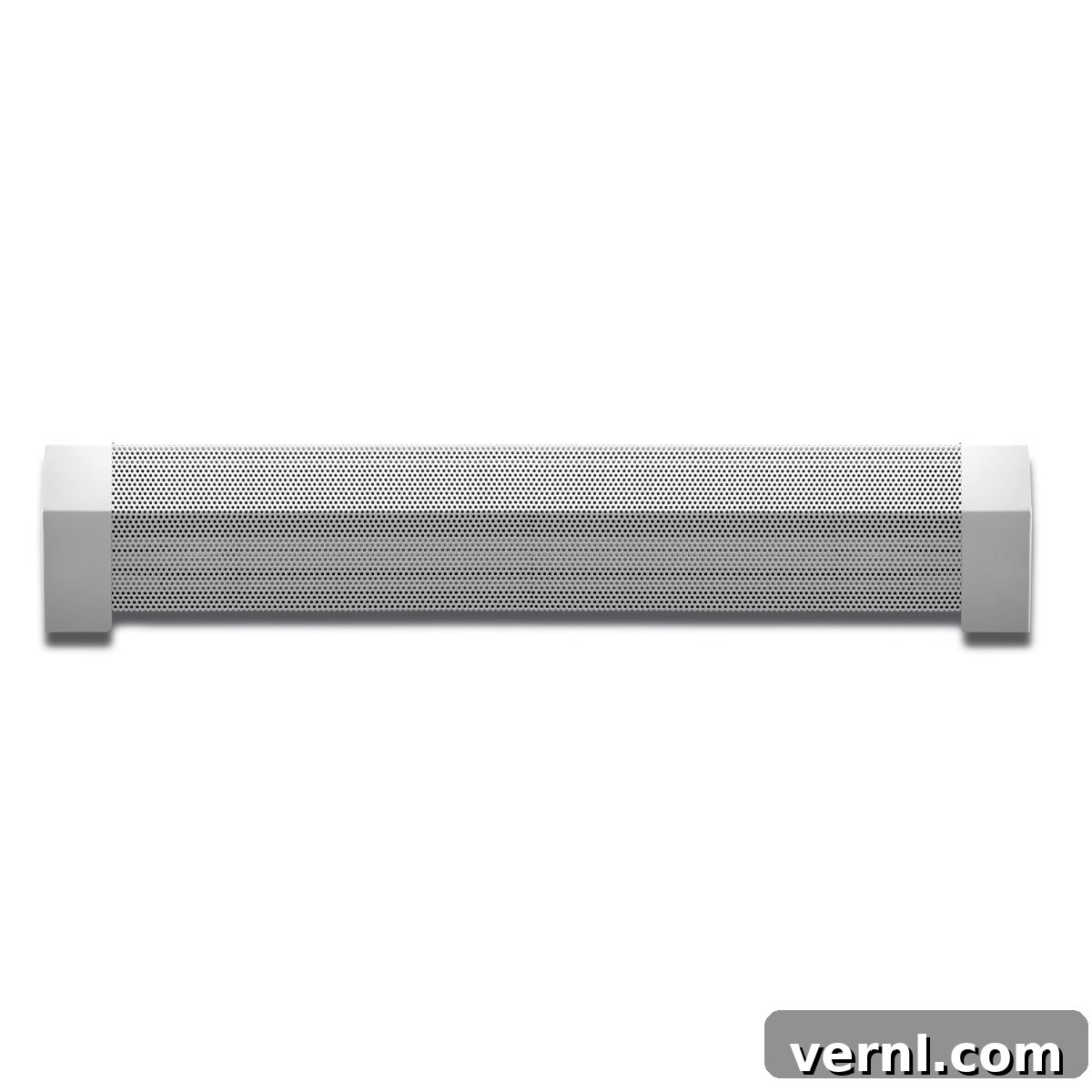
When it comes to efficiently and effectively heating your home, the options are numerous, ranging from complex central systems to localized solutions. Among these, baseboard heaters stand out as a highly versatile choice. They offer a unique blend of discreet design, targeted warmth, and operational flexibility, making them suitable for a wide array of heating needs. Whether you’re seeking a primary heat source for a compact living space, a supplemental boost for a larger residence, or a meticulously zoned heating solution for individual rooms, baseboard heaters can provide an effective answer.
Historically, baseboard heaters gained significant traction in older homes where the installation of expensive central heating systems was often impractical or cost-prohibitive. Their ability to generate substantial heat without extensive ductwork or complex infrastructure made them an appealing and economical choice for many homeowners. Beyond their initial affordability, these heating units are celebrated for their quiet operation, a desirable trait for any living environment. Furthermore, their robust construction often translates into impressive longevity, with many units lasting up to two decades with minimal maintenance. However, despite these compelling advantages, baseboard heaters are not as ubiquitous as they once were. Modern advancements in heating technology have introduced new alternatives, and it’s essential to acknowledge that baseboard heaters, depending on their specific type, do come with their own set of considerations and potential drawbacks. Understanding these nuances is crucial for making an informed decision about your home heating system.
Understanding Baseboard Heaters: A Foundation for Home Heating
Baseboard heaters operate on a fundamental principle of heating: warming the air or fluid at the lowest point in a room, allowing heat to naturally rise and distribute. This creates a comfortable warmth that emanates from the perimeter of the space, often without the noticeable drafts associated with forced-air systems. Their discreet, low-profile design allows them to blend seamlessly into any room decor, typically installed along exterior walls beneath windows, where heat loss is often highest. This strategic placement helps combat cold spots and creates a barrier of warmth against incoming chills.
In contemporary homes, baseboard heaters serve various practical purposes. They are an ideal solution for home additions or renovated areas where extending existing ductwork would be too disruptive or costly. They excel in providing targeted warmth to rooms that might otherwise remain cold, such as basements, garages, or sunrooms. Moreover, for homeowners interested in enhancing their energy efficiency through zoned heating, baseboard heaters offer an excellent mechanism. Each room can have its own thermostat, allowing occupants to heat only the spaces they are actively using, thereby reducing overall energy consumption and utility bills. This level of control is a significant advantage in today’s environmentally conscious and cost-aware landscape.
Types of Baseboard Heaters: Convection vs. Hydronic
To truly appreciate the capabilities and limitations of baseboard heating, it’s vital to differentiate between the two primary types: convection and hydronic. While both designs aim to provide warmth, they achieve this through distinct mechanisms, each presenting unique advantages and disadvantages in terms of energy efficiency, comfort, and operational cost. The choice between these two types will largely dictate your heating experience and long-term financial outlay.
Convection Baseboard Heaters: Quick Heat, Simple Operation
Convection baseboard heaters are the most common and often the most recognizable form of this heating technology. Their operation is rooted in the natural process of convection, where heat is transferred through the movement of fluids – in this case, air. The heater draws in cooler air, which naturally collects near the floor. Inside the unit, this cool air passes over electrically heated metal fins. As the air makes contact with these hot fins, it warms up, becomes less dense, and rises back into the room. This rising warm air displaces cooler air, which is then drawn into the heater, creating a continuous cycle of air circulation and heating. This direct electrical heating of metal fins allows for a rapid transfer of heat.
Most convection heaters are permanently hardwired into a home’s electrical system, ensuring a dedicated power supply. However, for smaller spaces or occasional use, some more inexpensive units are designed to be simply plugged into a standard electrical outlet, offering greater portability and ease of setup. These heaters come in a variety of sizes and heat capacities, making them adaptable to different room dimensions and heating requirements. Their primary advantages include a relatively low initial purchase price, straightforward installation (especially for plug-in models), and their ability to quickly raise the temperature in a room. This rapid heat-up time makes them ideal for spaces that need intermittent heating or a quick burst of warmth.
However, convection baseboard heaters do come with notable disadvantages, primarily concerning their energy efficiency. Since the metal fins cool down almost immediately after the power is turned off, the heater must remain active for as long as heat is desired, leading to a continuous draw of electricity. This constant demand for power can result in considerably higher operating costs compared to their hydronic counterparts, particularly in areas with high electricity rates. Furthermore, their reliance on air circulation can lead to temperature stratification within a room, where warm air gathers near the ceiling while the floor remains cooler. This can create an uneven heating experience. Convection heaters can also contribute to drier indoor air and may circulate dust particles as they move air around the room. Crucially, they are powered exclusively by electricity, lacking the option to integrate with more efficient central heating boilers that some hydronic systems can utilize.
Hydronic Baseboard Heaters: Efficient Warmth, Lasting Comfort
Hydronic baseboard heaters represent a more advanced and often more energy-efficient approach to perimeter heating. Unlike convection heaters that directly warm the air, hydronic units utilize an internal reservoir of heated fluid – typically water or a special oil – to distribute radiant heat. This fluid acts as a heat sink, slowly absorbing and releasing thermal energy into the room. The fluid can be heated in one of two ways: either by an internal electric heating element within a self-contained unit, or by hot water supplied from a home’s central heating boiler system.
Regardless of the heating method, hydronic baseboard heaters offer superior energy efficiency compared to convection models. The key to their efficiency lies in the fluid reservoir’s ability to retain heat for an extended period, even after the electrical power or boiler supply has been turned off. This residual heat continues to radiate warmth into the room, meaning the heater doesn’t need to constantly cycle on and off to maintain the desired temperature. This thermal inertia significantly reduces overall energy consumption and leads to lower operating costs over time.
Due to their enhanced energy efficiency and ability to provide a more consistent and gentle warmth, hydronic baseboard heaters are frequently chosen for whole-home heating systems, especially when integrated with an existing central boiler. The radiant heat they produce feels more even and comfortable, and it tends to be less drying to the indoor air. Their operation is also notably quieter, as there are no fans or significant air movement involved, and they circulate less dust. While the long-term savings in energy bills are a significant draw, hydronic units do present some downsides. They typically have a higher upfront purchase price due to their more complex internal components. They also come in a smaller range of sizes and heat capacities, potentially offering less flexibility for certain installations. Furthermore, hydronic heaters take longer to heat up a room initially, as the fluid inside needs time to reach its optimal temperature before effectively radiating heat. For boiler-fed systems, installation can also be more complex, requiring professional plumbing expertise.
Key Factors in Choosing the Right Baseboard Heater
Selecting the optimal baseboard heater for your home involves carefully weighing several factors. The best choice is ultimately a balance between your immediate financial constraints, your long-term energy efficiency goals, and the specific heating requirements of your space.
Budget and Operating Costs: Your initial budget will certainly influence your decision. Convection heaters generally have a lower purchase price, making them attractive for those with immediate financial limitations. However, it’s crucial to consider the long-term operating costs. If you anticipate frequent or prolonged use, the higher upfront investment in a more energy-efficient hydronic baseboard heater will likely pay for itself in significant savings on your utility bills over several years. For occasional use in a small area, a convection unit might be the more financially practical choice.
Primary vs. Supplemental Heating Needs: Define the role the baseboard heater will play in your home. If it’s intended to be a primary heat source for a substantial area or a significant supplemental heat source, the sustained, efficient warmth of a hydronic unit is generally preferable. Its ability to retain heat and provide consistent comfort makes it well-suited for these roles. Conversely, if you only need occasional warmth for a smaller, less-frequented space, such as a guest bathroom or a small office, a more affordable convection unit that provides quick heat on demand might be perfectly adequate.
Existing Heating System Integration: If your home already has a central heating boiler, integrating boiler-fed hydronic baseboard heaters can be an exceptionally efficient option. This allows you to leverage your existing heating infrastructure for zoned warmth. When considering this route, it’s imperative to calculate whether your boiler has sufficient BTU output to handle the additional demand. To do this, you would subtract your boiler’s existing BTU output from the combined BTU output required by all the radiators in your home. The resulting figure will indicate your boiler’s reserve capacity, allowing you to determine if it can comfortably accommodate the BTU output of additional baseboard heaters. While most boilers can handle a couple of extra radiators or baseboard units, adding too many without proper calculation can overtax the system and diminish the heat output of all connected heating elements.
Room Size and Purpose: The specific room and its function should also guide your selection. For a frequently used living area, the even and comfortable heat of a hydronic system might be preferred. For a workshop or utility room where quick, on-demand heat is more important, a convection heater could be suitable. Consider the typical duration for which the room needs to be heated.
Climate Considerations: In colder climates, where sustained heating is essential for long periods, the consistent and efficient warmth provided by hydronic baseboard heaters can be a significant advantage, potentially offering greater comfort and lower long-term costs compared to the continuous electrical demand of convection units.
Installation and Maintenance: Consider whether you prefer a DIY-friendly plug-in unit (typically convection) or are comfortable with professional installation for hardwired or boiler-fed hydronic systems. While baseboard heaters are generally low-maintenance, the complexity can vary between types.
Aesthetics and Space: All baseboard heaters are designed to be low-profile and typically blend into a room’s decor. However, ensure you have adequate clear wall space for proper installation and heat distribution, free from obstructions like furniture or drapes.
Installation and Maintenance Tips for Baseboard Heaters
Proper installation and regular maintenance are key to maximizing the efficiency, safety, and lifespan of your baseboard heaters. Whether you opt for convection or hydronic, a few best practices apply to all units.
Optimal Placement: For the most effective heat distribution, baseboard heaters should ideally be installed along exterior walls, especially beneath windows. This helps to counteract cold air infiltration directly at its source. Crucially, ensure that there is always clear space around the heater – at least six to twelve inches – free from furniture, drapes, carpets, or any other obstructions. Blocking the heater not only reduces its efficiency but can also pose a significant fire hazard.
Thermostat Integration: Investing in accurate and responsive thermostats is vital for both comfort and energy efficiency. For zoned heating, individual thermostats in each room allow you to precisely control the temperature, heating only the spaces you need, when you need them. Consider smart thermostats for enhanced control, scheduling capabilities, and remote access, which can further optimize energy usage.
Regular Cleaning: Dust and debris can accumulate on the heating fins or inside the unit, reducing efficiency and potentially causing a burning smell or even a fire risk. Regular cleaning, typically once or twice a heating season, is highly recommended. Use a vacuum cleaner with a brush attachment to gently remove dust from the fins and interior components. For persistent grime, the covers can often be removed (after ensuring the power is off) for more thorough cleaning.
Professional Checks: For hardwired electric baseboard heaters and especially for boiler-fed hydronic systems, periodic professional inspections are beneficial. An electrician can check the wiring and connections of electric units, while a plumber or HVAC technician can ensure the boiler and plumbing components of hydronic systems are functioning correctly, preventing leaks or inefficiencies.
Safety First: Always prioritize safety. Never cover baseboard heaters with anything, and keep flammable materials well away. If you notice any unusual smells, sounds, or malfunctions, immediately turn off the power to the unit and consult a qualified professional.
The Future of Baseboard Heating: Smart Homes and Efficiency
As technology continues to advance, so does the potential for baseboard heating systems. The integration of smart home technology, particularly through advanced thermostats, allows for unprecedented levels of control and efficiency. Homeowners can now manage individual room temperatures from their smartphones, create customized heating schedules, and even integrate their heating system with other smart home devices. Ongoing innovations in materials and design are also leading to even more energy-efficient models, pushing the boundaries of how much warmth can be generated with less energy consumption. The future of baseboard heating points towards even greater user convenience, enhanced energy savings, and a seamlessly integrated heating experience within the smart home ecosystem.
Conclusion
Baseboard heaters, with their quiet operation, unobtrusive design, and remarkable versatility, continue to hold a significant place in the realm of home heating solutions. Whether you’re upgrading an older home, adding a new room, or simply looking for an efficient way to zone your heating, understanding the distinct characteristics of convection and hydronic systems is paramount. While convection heaters offer quick warmth at a lower initial cost, hydronic units provide superior energy efficiency and a more consistent, comfortable heat over the long term, especially when integrated with a central boiler. By carefully evaluating your budget, energy efficiency goals, specific heating needs, and the layout of your home, you can confidently choose the baseboard heater that not only meets your requirements but also contributes to a warmer, more comfortable, and energy-conscious living environment. An informed decision ensures that your home remains cozy and inviting, regardless of the chill outside.