
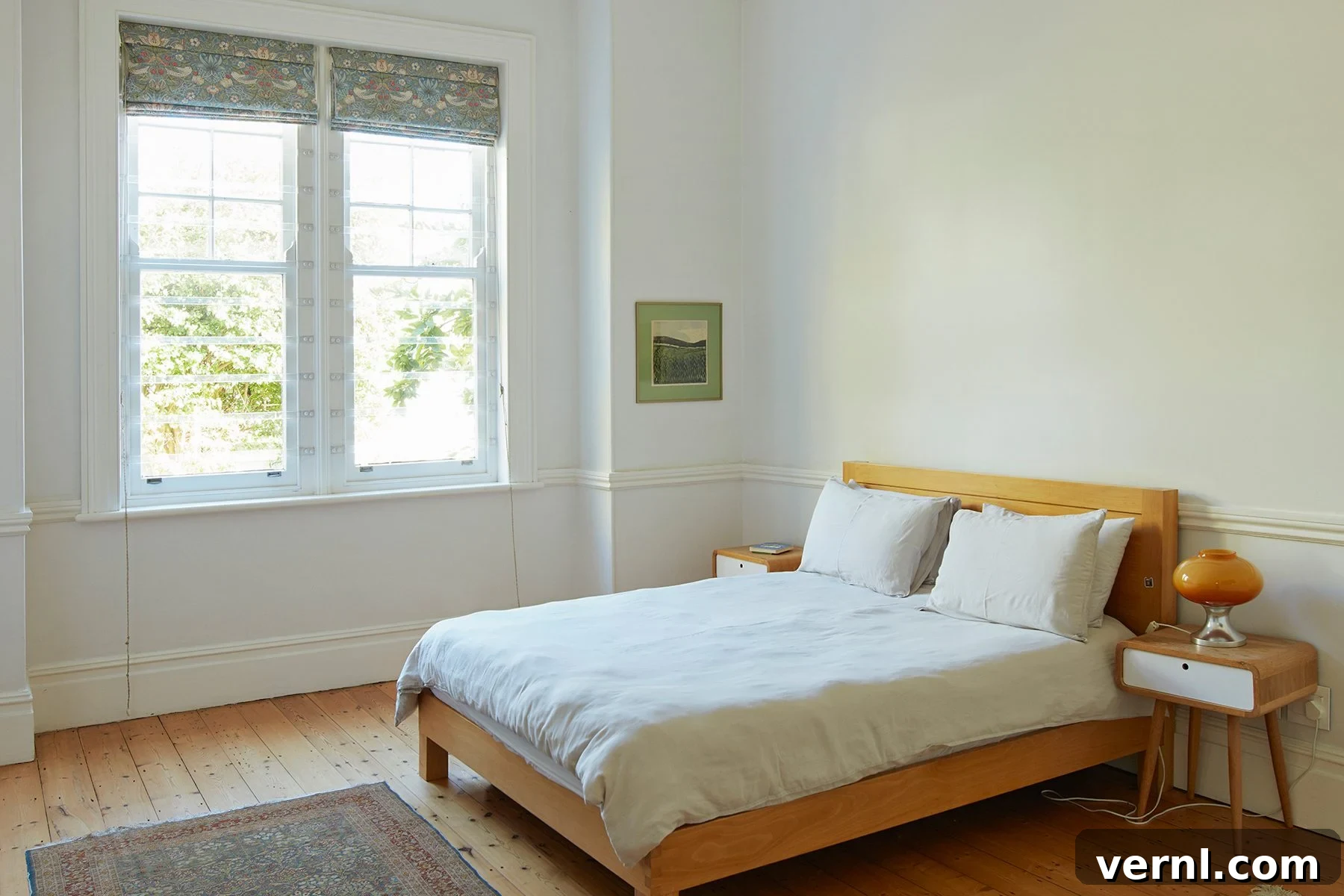
When embarking on the exciting journey of planning your bedroom layout, one of the most pivotal decisions you’ll face is determining the optimal position for your bed. While placing a bed directly in front of a window might not initially strike you as the ideal solution, it’s a remarkably common scenario, particularly in bedrooms constrained by limited space, unconventional architectural features, or specific functional requirements. Far from being a design compromise, this arrangement, when approached with thoughtful strategy, can unlock incredible potential for creating a truly unique and aesthetically pleasing sanctuary.
The key lies in transforming this often-necessary placement from a perceived “last resort” into a deliberate and captivating design statement. With a few intelligent design principles and clever styling techniques, you can ensure your bed-in-front-of-window setup not only looks intentional but also elevates the entire room’s ambiance and functionality. To guide us through this creative challenge, we sought the expert insights of renowned architect and designer Matthew Coates. Below, Coates shares his invaluable tips and considerations for flawlessly integrating your bed with your window, proving that beautiful bedroom design is always within reach, no matter the constraints.
Seamless Bedroom Design: Placing Your Bed in Front of a Window
Discover how to turn a challenging bedroom layout into a design triumph by strategically positioning your bed in front of a window. This comprehensive guide, featuring expert advice from architect Matthew Coates, offers practical tips and creative solutions to ensure your bedroom is both beautiful and functional, maximizing light, comfort, and visual appeal.
Pros and Cons of Putting a Bed in Front of a Window
While often seen as a design dilemma, placing a bed in front of a window can be a brilliant solution, primarily enhancing the room’s overall functionality and flow. In many instances, especially within compact or unusually shaped rooms, the window wall might genuinely be the only viable space for your bed, allowing the rest of the room to be used effectively. But this functional necessity doesn’t mean sacrificing style or comfort. Matthew Coates highlights several compelling advantages to this layout:
- Creates a Dramatic Focal Point: A window, particularly one with elegant architectural details, large panes, or a picturesque view, naturally draws the eye. When the bed is positioned to harness this, it transforms into an incredibly dramatic and impactful focal point, grounding the room with an undeniable sense of purpose and grandeur.
- Enhances Room Balance and Flow: Counterintuitively, in certain challenging layouts, placing the bed against a window can actually bring a much-needed sense of balance. It can free up other walls for essential furniture like wardrobes, desks, or shelving, preventing the room from feeling cramped or awkwardly arranged. When executed correctly, this unconventional placement makes the entire space feel thoughtfully planned and cohesive.
- Infuses Natural Light and Airiness: One of the most enchanting benefits is the soft, diffused natural light that filters in from behind the bed. This backlighting effect can imbue the bedroom with a wonderfully airy, serene, and inviting atmosphere throughout the day, making the space feel more open and connected to the outdoors.
Despite these potential benefits, blocking a window is rarely the instinctive first choice for designers or homeowners. It comes with its own set of challenges that need to be addressed thoughtfully. Coates outlines the main drawbacks to consider for this layout:
- Privacy Concerns: Depending on the window’s size, orientation, and proximity to neighbors or public spaces, privacy can become a significant issue. A bed directly in front of a window offers less seclusion unless adequate window treatments are installed, which then need to balance privacy with desired natural light.
- Potential for Discomfort and Lack of Coziness: Windows can be sources of drafts, temperature fluctuations, and excessive light intrusion, particularly in the early morning. Without proper insulation or appropriate window coverings, the area around the bed might feel less cozy, disrupting sleep and overall comfort.
- Risk of Awkward Styling: If not approached with a clear design vision, this arrangement can indeed look awkward, unintentional, or like the bed is merely “blocking” a key architectural feature. It requires careful planning to ensure the bed and window complement each other rather than clash.
Expert Tips on How to Seamlessly Place a Bed in Front of a Window
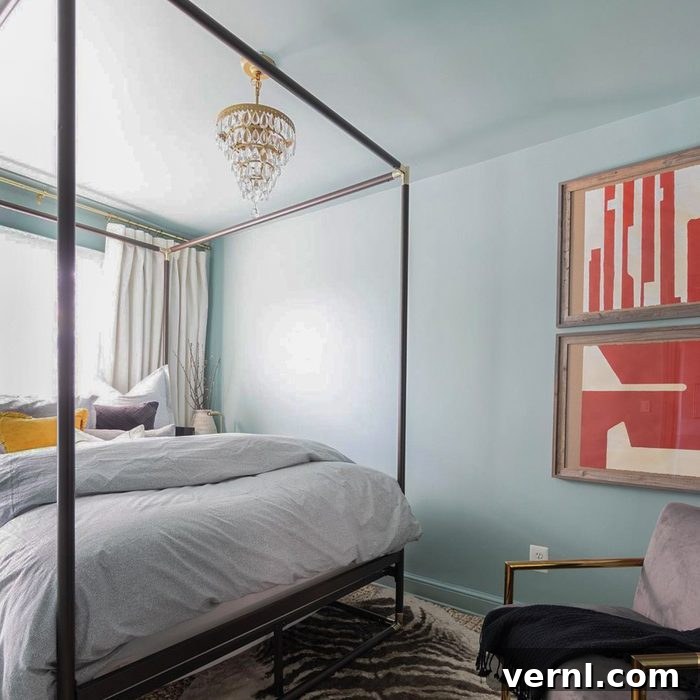
Embrace the Possibility: Consider Your Options with an Open Mind
The very first step in successfully placing a bed in front of a window is to challenge preconceived notions and genuinely consider it as a legitimate layout solution. Many homeowners immediately dismiss this option, assuming it will inevitably lead to a visually unappealing or impractical space. However, by maintaining an open mind, you might discover that this seemingly unconventional arrangement is, in fact, the most logical and effective choice for your particular bedroom.
“In my extensive experience, placing a bed directly in front of a window can be an exceptionally effective solution, especially when alternative wall spaces are limited or present even greater design challenges,” notes Coates. “This layout truly shines when the window itself offers a captivating view, or when its generous size allows it to gracefully frame the bed without overwhelming it, thereby creating a naturally integrated and balanced aesthetic.” It’s about recognizing the window not as an obstacle, but as a backdrop and an opportunity for a unique design statement.
Optimal Window Treatments: Avoid Bulky Options for Light and Privacy
Selecting the right window treatments is paramount when your bed is situated against a window. These elements serve a dual purpose: they provide essential privacy, which is crucial given the bed’s proximity to the window, and they play a vital role in visually balancing the space, making the bed feel like it belongs there intentionally. The goal is to choose treatments that are functional yet don’t add visual weight or block precious natural light.
“For window treatments in this specific scenario, my steadfast recommendation is to opt for materials and styles that exude lightness and an airy quality, while unequivocally delivering on privacy and precise light control,” advises Coates. “Elegant Roman shades, with their clean lines, or sumptuous floor-length curtains made from light fabrics can both perform exceptionally well. I strongly advise against anything overly bulky, heavy, or visually intrusive, as such treatments would compete with the bed’s presence and detract from the overall harmony. Instead, select treatments that seamlessly complement the room’s overarching style and color palette, adding softness and texture without visual clutter. Layering sheer curtains with blackout blinds or drapes can offer maximum flexibility for light and privacy throughout the day and night.”
The Art of the Headboard: Choosing for Form and Function
The headboard plays a critical role in anchoring the bed and defining its presence when positioned in front of a window. A common pitfall is choosing a headboard that is excessively tall, as this will obstruct the window view, significantly limit the inflow of natural light, and make the window feel diminished. Conversely, opting for no headboard at all can leave the bed looking unfinished, untidy, and lacking a sense of purpose against the expansive window backdrop.
Coates strongly advocates for a low-profile headboard that maintains a visual connection with the window while still providing a distinct boundary for the bed. An upholstered headboard, in particular, can introduce a welcome layer of softness, texture, and an added sense of coziness to the sleeping area. “A well-chosen headboard serves to anchor the bed both literally and figuratively, instilling it with a clear sense of intention and belonging directly in front of the window,” Coates explains. “It masterfully creates that crucial visual separation between the architectural element of the window and the comfort of the bed, ensuring the entire arrangement feels deliberate and thoughtfully composed, rather than merely accidental.” Consider headboards with open frames, such as metal or slender wood designs, which allow even more light to filter through, or even a wall-mounted panel that acts as a headboard without adding bulk.
Strategic Decor for Visual Harmony and Balance
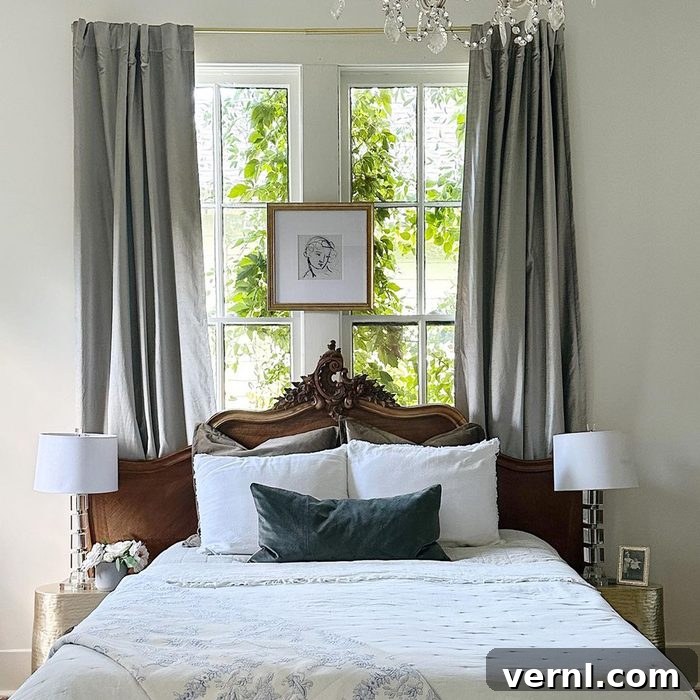
Ideally, when placing a bed in front of a window, the window should be perfectly centered behind the bed. This symmetrical alignment inherently creates a sense of order and balance. “I typically recommend this layout when the window is situated higher on the wall or is naturally centered, thereby ensuring that you’re not completely obstructing vital natural light or essential airflow,” Coates advises. A centered window provides a clean canvas for your design.
However, what if your window is unfortunately off-center, or the room’s dimensions necessitate an asymmetrical bed placement? Fear not, as ingenious decor strategies can effectively correct any visual unevenness, tricking the eye into perceiving perfect balance. One effective technique is to hang curtains in such a way that they extend significantly beyond the actual window frame on the wider side, drawing them equally on both sides of the bed to create the illusion of a centered window. Another powerful approach involves utilizing matching artwork, photographs, or decorative mirrors on either side of the window. These elements can visually expand the window’s presence and create a symmetrical arrangement around the bed. You can even consider hanging lightweight, transparent artwork directly on the window pane itself, as beautifully demonstrated by @designsbymollyhannah, to add intriguing interest without blocking light. Furthermore, the inclusion of matching nightstands and carefully selected lamps flanking the bed will significantly contribute to making the bed’s position appear intentional, balanced, and deliberately designed.
Transforming the Bed into an Irresistible Focal Point
Embrace the unique opportunity presented by a window behind the bed; it can naturally act as a magnificent, expansive “headboard,” providing an unparalleled backdrop that inherently frames and elevates the bed into the room’s undeniable focal point. Instead of trying to hide the window, accentuate its presence and integrate it into a cohesive design narrative. The goal is to command attention with thoughtful design choices, making the eye naturally focus on the overall dramatic presentation rather than perceiving the bed as merely blocking a window.
One powerful strategy is to play up this inherent architectural feature by choosing bold, visually striking bedding. This could involve vibrant colors, captivating patterns, luxurious textures, or artfully layered throws and pillows that invite touch and contemplation. Complement this with matching or harmonizing window treatments that frame the bed and window as a unified unit. Another highly effective method is to create an entire accent wall behind the bed and around the window. This can be achieved with dramatic wallpaper featuring intricate designs or rich textures, a contrasting paint color that adds depth, or even decorative paneling such as shiplap or board and batten. By intentionally combining the bed, the window, and the surrounding wall into one integrated, cohesive focal point, the eye is immediately drawn to the masterful design elements. The perception of the bed being “in front of” a window fades, replaced by an appreciation for a beautifully composed and dramatic bedroom centerpiece.
Beyond the Basics: Lighting, Comfort, and Practicality
To truly perfect a bed-in-front-of-window layout, it’s essential to consider factors beyond just placement and decor. Thoughtful lighting, ensuring comfort, and addressing practical aspects will elevate the space from merely functional to truly exceptional.
Strategic Artificial Lighting
While natural light is a significant advantage, it’s crucial to integrate appropriate artificial lighting for evenings and darker days. Bedside lamps are indispensable for reading and creating a cozy ambiance. Consider wall-mounted sconces if nightstand space is limited, as they free up surface area and add a touch of sophistication. Ambient lighting, such as a dimmer-controlled ceiling fixture or recessed lights, can provide overall illumination without competing with the window’s presence. Even decorative string lights around the window frame can add a magical, soft glow, enhancing the focal point.
Maximizing Comfort and Coziness
Addressing potential discomforts is key. If drafts are an issue, ensure your windows are well-sealed. Insulated drapes or cellular shades can provide an excellent barrier against cold in winter and heat in summer, helping maintain a stable room temperature. Layering bedding with duvets, blankets, and throws will also contribute to a luxurious and cozy feel, counteracting any coolness from the window. Consider a plush rug on the floor around the bed to add warmth and softness underfoot.
Practical Considerations and Accessibility
Before finalizing the bed’s position, consider accessibility. Can you easily open and close the window for ventilation? Is there enough space to clean the window panes without having to move the entire bed? A slight distance between the headboard and the window can often resolve these issues. If the window opens inward, ensure there’s enough clearance. For safety, especially in children’s rooms, secure any window blind cords to prevent hazards.
Color Palettes and Material Choices
The chosen color palette can greatly influence the success of this layout. Lighter, airier colors for walls and bedding can enhance the natural light and make the room feel more expansive and open. Conversely, deeper, richer hues can create a dramatic, enveloping effect, turning the window into a captivating backdrop. Materials also play a role; natural woods, soft linens, and subtle textures can complement the outdoor view, while metallics or bolder patterns can introduce a modern edge.
About the Experts
- Matthew Coates is a distinguished Seattle-based architect and the esteemed president of Coates Design. With a career spanning over two decades, Coates is renowned for his exceptional ability to craft aesthetically pleasing interior spaces and furniture layout designs that not only complement but also seamlessly merge with the surrounding built environment. His innovative and forward-thinking approach to high-performance architecture and sustainable design has garnered him widespread recognition and numerous accolades within the industry.