

Understanding and Preparing for Flash Floods: A Comprehensive Guide to Safety
Flash floods are among the most dangerous and unpredictable natural disasters, striking with alarming speed and often without sufficient warning. Unlike typical floods that might develop over days, flash floods unleash their destructive power within a matter of hours, turning calm streets into raging rivers and peaceful landscapes into treacherous zones. This comprehensive guide aims to equip you with critical knowledge about what flash floods are, how to effectively prepare for them, and essential safety measures to take when they hit, ensuring you and your loved ones are as safe as possible.
What Exactly Are Flash Floods?
The defining characteristic of a flash flood isn’t its magnitude or potential for devastation, but rather the sheer speed with which it materializes. The term “flash” refers to its rapid onset, differentiating it from slower-developing riverine or coastal floods. Officially, a flash flood is any flood that commences within six hours of the causative event, most commonly intense rainfall.
These sudden deluges are not typically the result of mechanical failures, such as a burst pipe or a blocked drain, nor are they caused by a malfunctioning sump pump. Instead, flash floods occur when the volume of rainfall is simply too immense for the existing drainage systems, soil, and ground to absorb. The ground becomes saturated quickly, and runoff accumulates at an accelerated rate, forming dangerously high water levels in a remarkably short period. This rapid pooling and surge of water can transform ordinary environments into life-threatening hazards, carrying debris, eroding landscapes, and compromising structures.
Regions particularly vulnerable to flash floods include urban areas with extensive impervious surfaces (like concrete and asphalt), which prevent water absorption and accelerate runoff; mountainous terrain and canyons where water funnels rapidly down slopes; and coastal areas experiencing tropical storms or hurricanes. Understanding these dynamics is the first step in effective flood preparedness.
Proactive Preparedness: Essential Steps for Flash Flood Safety
Given the minimal warning period associated with flash floods, advance preparation is not just recommended, it’s absolutely critical. Waiting until a flood warning is issued might leave you with insufficient time to gather necessary supplies or secure your property. Developing a robust emergency plan and having an emergency kit ready can be the difference between safety and significant distress. Here’s how to ensure you’re prepared long before a flash flood threatens:
Assemble Your Comprehensive Emergency Kit
Having a well-stocked flood emergency kit, often referred to as a “go-bag” or “bug-out bag,” readily accessible is paramount. This kit should contain all the essentials required to sustain you and your family for at least 72 hours, as access to food, water, and power may be compromised. Your kit should include:
- Non-perishable Food: Enough for several days, such as energy bars, canned goods, dried fruit, and nuts. Remember a manual can opener if needed.
- Potable Water: One gallon per person per day for drinking and sanitation.
- Lighting Solutions: Reliable flashlights with extra batteries, and possibly a headlamp for hands-free illumination.
- Power Sources: A portable power bank or charger for phones and other essential devices, ensuring communication remains possible.
- Comfort and Warmth: Durable blankets or sleeping bags, and an extra set of dry clothes for each family member.
- Communication: A battery-powered or hand-crank radio to receive crucial weather alerts and news updates from authorities, especially during power outages.
- First Aid Supplies: A comprehensive first aid kit with any necessary prescription medications, along with pain relievers, bandages, antiseptic wipes, and medical tape.
- Personal Hygiene: Dry socks, towels, sanitation items (toilet paper, wet wipes, hand sanitizer).
- Important Documents: Waterproof copies of identification, insurance policies, medical records, and bank account information. Store them in a waterproof bag within your kit.
- Cash: ATMs and credit card machines may not work during power outages.
- Multi-tool: A versatile tool for various small tasks.
- Whistle: To signal for help if trapped.
- Pet Supplies: If you have pets, include their food, water, medications, and identification tags.
Protect Your Valuables and Property
Floods are notorious for causing extensive property damage and significant financial loss. Taking preventative measures to secure your most valuable possessions and critical documents can mitigate potential devastation:
- Secure Important Documents: Keep valuable documents such as insurance papers, birth certificates, medical records, and legal agreements in a waterproof safe or container. Ideally, store this container on the highest possible floor or level of your home, well above potential floodwaters. Consider digital backups of these documents stored securely in the cloud.
- Elevate Appliances and Furniture: If your home is in a flood-prone area, consider elevating major appliances like washers, dryers, and water heaters on concrete blocks. Move furniture and other valuable items to upper floors or higher ground if a flood warning is issued.
- Outdoor Preparations: Secure or bring inside any outdoor furniture, trash cans, grills, and other items that could be swept away by rising waters or become dangerous debris.
- Review Flood Insurance: Standard homeowner’s insurance policies typically do not cover flood damage. It is crucial to check your policy and consider purchasing flood insurance if you live in an area at risk. The National Flood Insurance Program (NFIP) is a common option.
- Landscaping Considerations: Improve drainage around your home by ensuring your yard slopes away from the foundation. Consider permeable paving materials or rain gardens to help absorb excess water. Regularly clear gutters and downspouts to prevent blockages.
- Sump Pump Maintenance: While not a direct cause of flash floods, a properly functioning sump pump can help manage groundwater infiltration in basements. Ensure it is regularly tested and has a battery backup.
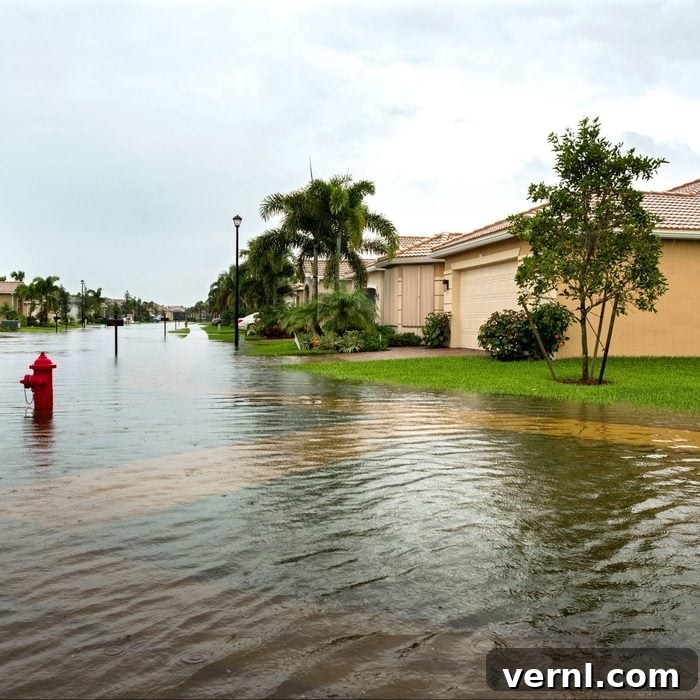
Navigating a Flash Flood: Safety Measures During the Event
Should a flash flood strike, your immediate actions are paramount to ensuring your safety and the safety of those around you. The golden rule in any emergency is to heed the advice of local authorities. If an evacuation order is issued for your area, leave immediately and safely. However, if you find yourself stuck at home or in your car, here are critical steps to take:
If You’re At Home During a Flash Flood
Staying informed and moving to a secure location within your home can significantly reduce risk:
- Seek Higher Ground: Immediately move to the highest possible point in your home, such as an upper floor or the roof, especially if water is rising rapidly. Avoid attics unless there is an accessible exit to the roof, as you could become trapped.
- Stay Out of Floodwater: Under no circumstances should you or anyone in your household, especially children and pets, enter floodwater. Floodwater is extremely dangerous; it can be contaminated with sewage, chemicals, and hazardous waste. It may also hide sharp debris, downed power lines, and strong currents capable of sweeping you away.
- Exercise Electrical Safety: Be extremely cautious around any electrical equipment, exposed wires, or appliances. If it is safe to do so and you can reach your main breaker without standing in water, shut off the electricity to your home to prevent electrocution hazards. Avoid touching electrical devices if you are wet or standing in water.
- Monitor News Updates: Keep your battery-powered or hand-crank radio nearby and periodically check for news updates and emergency instructions from local authorities. This information can be vital for evacuation routes, rescue efforts, and post-flood guidelines.
- Keep Emergency Supplies Accessible: Ensure your emergency kit is easily reachable, so you don’t have to venture into potentially dangerous areas of your home to retrieve supplies.
- Communicate with Family: If possible, let family and friends know your situation and location. Have an out-of-state contact person for family members to check in with, as local phone lines might be overwhelmed.
If You’re In Your Car During a Flash Flood
Being caught in your vehicle when a flash flood develops can be terrifyingly dangerous. Remember the critical mantra: “Turn Around, Don’t Drown.”
- Never Drive Through Floodwaters: If you are driving and begin to notice water rising on the road, turn around immediately and seek an alternate route to higher ground. Do not attempt to drive through flooded areas. The depth of water can be deceptive, and the road surface beneath may have collapsed.
- Avoid Bridges and Underpasses: Stay away from bridges, especially those over fast-moving water, as their structural integrity can be compromised. Underpasses can quickly fill with water, creating death traps.
- Abandon Your Vehicle if Necessary: If your vehicle becomes trapped in rising floodwaters and you cannot safely turn around, get out of the car as quickly as possible and move to higher ground. According to the American Red Cross, as little as six inches of fast-moving water can knock an adult off their feet, and just one to two feet of moving water can sweep most vehicles away, including SUVs and trucks. Prioritize your life over your vehicle.
- Seek Higher Ground from Your Car: If your vehicle is stuck in floodwaters and the water level inside begins to rise, climb onto the roof of your car and wait for rescue. Call for help if you have a working phone, providing your exact location.
- Be Aware of Currents: Even shallow floodwater can have strong currents that make walking extremely difficult and dangerous. If you must leave your vehicle, move slowly and test the ground ahead with a stick.
After the Flash Flood: Recovery and Rebuilding Safely
Once the immediate danger has passed, the recovery phase begins. This period requires continued caution and adherence to safety guidelines to prevent further harm and facilitate effective rebuilding.
- Wait for the All-Clear: Do not return to your home or affected areas until authorities have declared it safe. Roads may still be compromised, and hidden dangers like downed power lines or gas leaks could exist.
- Assess Damage Safely: When returning, approach your home with extreme caution. Check for structural damage before entering. Look for signs of weakened foundations, cracked walls, or sagging ceilings. If you smell gas or hear hissing noises, leave immediately and contact your gas company.
- Electrical and Gas Checks: Do not turn on electricity or gas until they have been inspected by qualified professionals. Floodwaters can damage electrical systems and gas lines, posing severe risks of fire, electrocution, or explosion.
- Beware of Contamination: Floodwaters are highly contaminated. Wear protective gear, including heavy gloves, boots, and masks, when cleaning. Discard any food, medications, and personal hygiene items that have come into contact with floodwater.
- Prevent Mold Growth: Begin drying out your home as quickly as possible to prevent mold and mildew growth, which can cause significant health problems and structural damage. Open windows and use fans and dehumidifiers. Remove wet carpets, drywall, and insulation.
- Document Damage: Take extensive photos and videos of all damage to your property and belongings for insurance claims. Contact your insurance company immediately to start the claims process.
- Seek Support: Recovering from a flash flood can be emotionally taxing. Don’t hesitate to reach out to local relief organizations, community centers, or mental health professionals for support.
Conclusion: Your Role in Flash Flood Preparedness
Flash floods are a potent reminder of nature’s formidable power, capable of transforming our environment and disrupting lives in an instant. While we cannot prevent these events, we can significantly reduce their impact through proactive planning, diligent preparation, and informed decision-making. By understanding the unique characteristics of flash floods, assembling a comprehensive emergency kit, protecting your property, and knowing exactly how to act during and after the event, you empower yourself and your community to navigate these challenging times with greater safety and resilience. Stay vigilant, stay informed, and always prioritize your safety and the well-being of your loved ones.