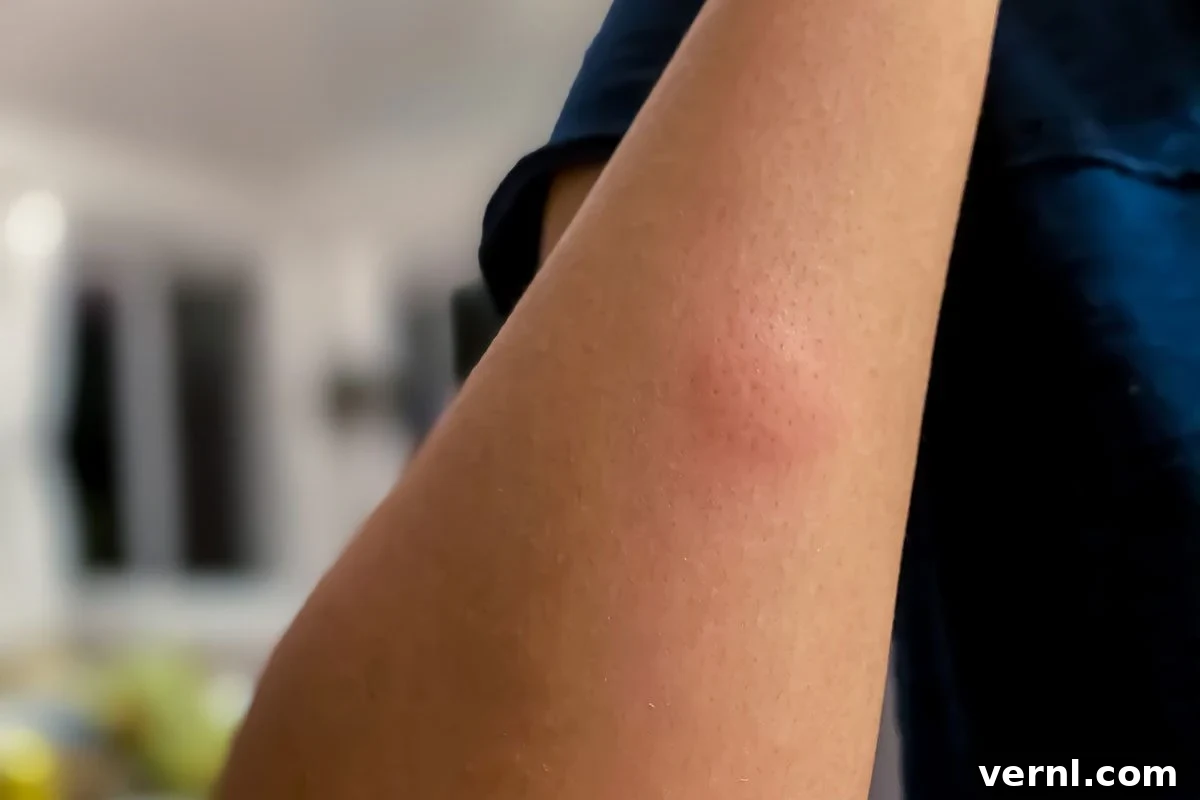
Mosquitoes are more than just a nuisance; they are tiny, winged agents of misery, capable of turning an otherwise pleasant evening outdoors into an endless battle against an invisible enemy. They swarm, they buzz, and with a swift, silent prick, they leave behind an incredibly itchy, red bump that can drive even the most patient person to distraction. The market is flooded with various mosquito repellents, innovative zappers, and countless folk remedies promising to keep mosquitoes away. Yet, despite our best efforts and an arsenal of anti-mosquito weaponry, these persistent pests often find a way, leaving us with those familiar, maddeningly itchy bug bites. Before you surrender to the irresistible urge to scratch, which only makes matters worse, take a moment to understand why you should resist and discover effective strategies for both relieving the itch and preventing future encounters.
The Dangers of Giving In: Why You Shouldn’t Itch Mosquito Bites
It’s a universal truth: easier said than done. The moment a mosquito bite appears, an almost primal urge to scratch takes over. However, resisting this urge is crucial for several reasons, primarily to prevent exacerbating the itch and avoiding potential complications. When a mosquito bites, it injects a small amount of saliva into your skin. This saliva contains proteins that your immune system identifies as foreign invaders. In response, your body releases histamine, a chemical compound that plays a vital role in your immune response. Histamine increases blood flow to the affected area and causes the blood vessels to dilate, leading to the characteristic swelling, redness, and, most notably, the intense itching sensation associated with a mosquito bite.
While histamine is your body’s way of fighting off perceived threats, scratching a mosquito bite actually works against you. The mechanical action of scratching further irritates the skin and the underlying tissue. This re-aggravation signals to your body that the “intruder” is still present or that new damage has occurred, prompting it to release even more histamine. This creates a vicious cycle: you scratch, more histamine is released, the itch intensifies, and you scratch even more. This cycle not only prolongs your discomfort but can also lead to more severe consequences.
Relentless scratching will inevitably break the skin, creating tiny open sores. These breaches in your skin’s protective barrier make you vulnerable to secondary bacterial infections, as bacteria from your fingernails or the environment can easily enter the wound. An infected bite can become redder, more swollen, painful, and may even develop pus, requiring medical attention. Furthermore, once an infected bite heals, it can leave behind unsightly scabs and, in some cases, permanent scarring or discoloration on your skin. So, while the immediate relief of scratching might seem tempting, the long-term consequences of worsened itching, potential infection, and lasting marks make a strong case for keeping your hands off those irritating mosquito bites.
But since the willpower to resist is often finite, especially when dealing with multiple, persistent bites, let’s explore practical and effective ways to find relief without resorting to scratching.
Effective Strategies for Getting Rid of Itchy Bug Bites
When an itchy bite strikes, the immediate instinct is to seek relief. Instead of scratching, which as we now know, only makes things worse, try these proven remedies to soothe the irritation and speed up healing.
Whip Up a Calming Baking Soda Paste
Baking soda, a common pantry staple, is more than just an ingredient for baking; it’s a remarkably effective home remedy for itchy mosquito bites. Its alkaline properties help to neutralize the acidity of the mosquito’s saliva, which can contribute to the irritating itch. When a bite flares up, resist the urge to scratch. Instead, create a simple, soothing paste. Combine a small amount of water with regular baking soda, mixing until you achieve a thick, spreadable consistency. Dab this paste directly onto the affected area. Allow it to dry and remain on the skin for about 10-15 minutes, then rinse it off gently. You should feel a noticeable reduction in the itch and discomfort. Reapply as needed throughout the day for continued relief. This simple, inexpensive trick can be a lifesaver when you’re caught off guard by an unexpected bite.
Harness the Power of Cold: The Ice Remedy
Ice is another incredibly effective and readily available option for alleviating the discomfort of mosquito bites. It’s something you likely have in your freezer, making it a quick and convenient fix that doesn’t require a special trip to the store. The cold temperature works wonders in multiple ways: it numbs the area, reducing the sensation of itching and pain, and it’s “vasoconstricting.” This means the cold causes the blood vessels in the affected area to narrow, which reduces blood flow, thereby significantly decreasing swelling and inflammation. Less swelling often translates to less pressure on nerve endings, further diminishing the itch.
To apply, simply wrap an ice pack or a few ice cubes in a thin cloth or a plastic bag to prevent direct contact with the skin, which can cause frostbite. Apply the cold compress directly to the bite for approximately 10 to 15 minutes. You’ll likely experience immediate relief. You can repeat this process as often as necessary throughout the day, especially when the itch flares up. This method is particularly beneficial for fresh bites where swelling is most prominent. Discover whether mosquitoes can bite through clothes, and how to protect yourself.
Soothing Relief with an Oatmeal Bath
Don’t just eat your oatmeal; let it work its magic on your skin! Colloidal oatmeal, which is finely ground oats suspended in liquid, has long been recognized for its anti-inflammatory and skin-soothing properties. It’s a fantastic remedy for a variety of skin irritations, including those pesky itchy bug bites. The natural compounds in oatmeal, particularly avenanthramides, help to reduce redness, itching, and irritation by lowering the skin’s pH level and forming a protective barrier that locks in moisture and keeps irritants out. If you have some old rolled oats that you’re not planning to eat, put them to good use in a calming bath.
To prepare an oatmeal bath, grind about one cup of plain, uncooked rolled oats in a blender or food processor until it transforms into a fine, consistent powder. Ensure there are no large chunks left, as these won’t dissolve properly. Once powdered, sprinkle the oatmeal into a tub filled with warm (not hot) bathwater. Swirl the water around to help the oatmeal dissolve and disperse evenly. The water should take on a milky appearance. Step into the bath and soak for 15 to 20 minutes, allowing the soothing properties of the oatmeal to envelop your irritated skin. After your bath, gently pat your skin dry with a soft towel to avoid further irritation, and consider applying a gentle, unscented moisturizer to lock in the hydration. For localized relief, you can also make a thick paste with finely ground oatmeal and water, applying it directly to individual bites.
Embrace Nature’s Healer: The Aloe Plant
The aloe vera plant is truly a miracle of nature, renowned for its incredible healing and soothing properties. If you’re fortunate enough to have an aloe plant at home, it can be your go-to solution for minor skin ailments, including mosquito bites. The clear, gelatinous substance found inside the leaves is packed with anti-inflammatory compounds, antioxidants, enzymes, and vitamins that promote healing and alleviate discomfort. It’s no wonder that countless store-bought sunburn gels and skin care products feature aloe vera as a key ingredient.
To use aloe vera for mosquito bites, simply break off a small spike or a portion of a larger leaf from your plant. Squeeze or slice it open to extract the fresh, clear gel. Apply a generous dab of this pure gel directly onto your mosquito bite. You’ll immediately feel a cooling sensation, followed by a noticeable reduction in itching and inflammation. The gel will dry quickly, leaving a protective, soothing layer on your skin. Reapply the aloe vera gel several times a day as needed until the bite subsides. For an extra cooling effect, you can even store an aloe leaf in the refrigerator before use. If you don’t have a live plant, look for a pure aloe vera gel product (ideally 99% aloe or higher with minimal additives) at your local pharmacy or health food store.
Try Something New: The “Bug Bite Thing” Suction Tool
Sometimes, traditional remedies just don’t cut it, and you need an innovative approach. The “Bug Bite Thing” is a clever product developed by a mother/daughter team, Ellen McAlister and Kelley Higney, who became known as “mompreneurs.” This unique tool offers a drug-free, chemical-free way to find relief from insect bites and stings. It operates on a simple yet effective principle: suction. By creating a vacuum over the bite, the device aims to physically remove insect saliva, venom, or other irritants that have been left under the skin. It’s these foreign substances that trigger your body’s histamine response and cause the itching, stinging, and swelling.
The Bug Bite Thing is incredibly easy to use: simply place the suction cup over the bite or sting and pull up on the handles to create suction. Hold it for 10-20 seconds (or longer if comfortable), then release. The idea is that by removing the irritant, the body’s reaction is significantly reduced or eliminated, leading to instant relief. This innovative tool works effectively for a wide range of insect encounters, including mosquito bites, bee stings, wasp stings, ant bites, and even spider bites – essentially anything that leaves an irritant beneath the skin. It’s a portable and reusable solution, making it a handy addition to your first-aid kit, especially for outdoor adventures. To learn more about how this ingenious product works and whether it lives up to the hype, check out our comprehensive review.
Taking Proactive Measures: How to Prevent Mosquitoes
While having effective remedies for mosquito bites is essential, the best approach is always prevention. Though there’s no impenetrable “iron dome” that guarantees you’ll never be bitten, you can significantly reduce your chances of becoming a mosquito’s next meal by adopting smart prevention strategies. A multi-pronged approach combining personal protection, environmental management, and clever deterrents offers the best defense against these persistent pests.
Personal Protection: Repellents and Apparel
One of the most immediate and effective lines of defense is applying mosquito repellent directly to your skin. Look for products containing active ingredients such as DEET, Picaridin, or oil of lemon eucalyptus, which are highly effective in deterring mosquitoes. Always follow the product instructions carefully for safe and effective application. For those who prefer natural options, you can also explore creating a homemade repellent using essential oils like citronella, eucalyptus, or lemongrass. While these can offer some protection, their effectiveness may vary and require more frequent reapplication compared to synthetic repellents. Consider spraying these homemade solutions around your yard or on outdoor furniture rather than directly on the skin, especially if you have sensitive skin.
Beyond repellents, your clothing choices can make a difference. Mosquitoes are often attracted to dark colors, so opting for light-colored clothing can make you less appealing. Wearing long sleeves and long pants, particularly during peak mosquito activity hours (dawn and dusk), creates a physical barrier against bites. For added protection, some outdoor clothing is treated with permethrin, an insecticide that repels and kills mosquitoes on contact. However, permethrin should not be applied directly to the skin.
Environmental Control: Eliminating Breeding Grounds
Mosquitoes breed in standing water, making environmental control a crucial aspect of prevention. Regularly inspect your yard and home for any stagnant water sources and eliminate them. This includes emptying bird baths every few days, cleaning gutters, overturning old tires, clearing clogged drains, and ensuring pet water dishes are refreshed regularly. Even a small bottle cap full of water can serve as a breeding ground for hundreds of mosquito larvae. Maintaining your yard by mowing your lawn regularly and trimming overgrown bushes also helps, as adult mosquitoes often rest in cool, shady areas among dense vegetation. Installing screens on windows and doors, or ensuring existing ones are free of holes, will prevent mosquitoes from entering your home.
Advanced Deterrents and Professional Help
For persistent mosquito problems, consider investing in advanced deterrents. Citronella candles and torches release a scent that can help repel mosquitoes in a localized area, making them perfect for patios or outdoor dining spaces. Mosquito traps, including electric zappers and CO2-emitting devices, can also help reduce mosquito populations, though their effectiveness varies. Zappers primarily kill male mosquitoes, which don’t bite, so they may not offer the direct bite prevention many hope for. CO2 traps mimic human breath and are generally more effective at attracting and trapping biting female mosquitoes. For severe infestations or ongoing issues, consulting with a professional pest control service might be the most effective solution. They can identify breeding areas, apply targeted treatments, and offer long-term strategies to get rid of mosquitoes and significantly reduce their presence in your yard, allowing you to enjoy your outdoor spaces with greater peace of mind. Remember, a combination of these tips, including avoiding highly scented body products when outdoors, will offer the most comprehensive protection against these irritating pests.