I’ve always thought a home should grow and change with you, yet sometimes a room simply stops functioning. The furniture sits awkwardly, the flow feels wrong, and no amount of tidying makes it feel right. When that happens, I no longer rush out to buy something new. Instead, I look at what I already own and rethink the space with fresh eyes.
Below are the steps I take when a room feels off. They’re practical, low-cost ways to refresh a space and get it working for the life I’m actually living.
1. Start by Emptying the Space (at Least Mentally)
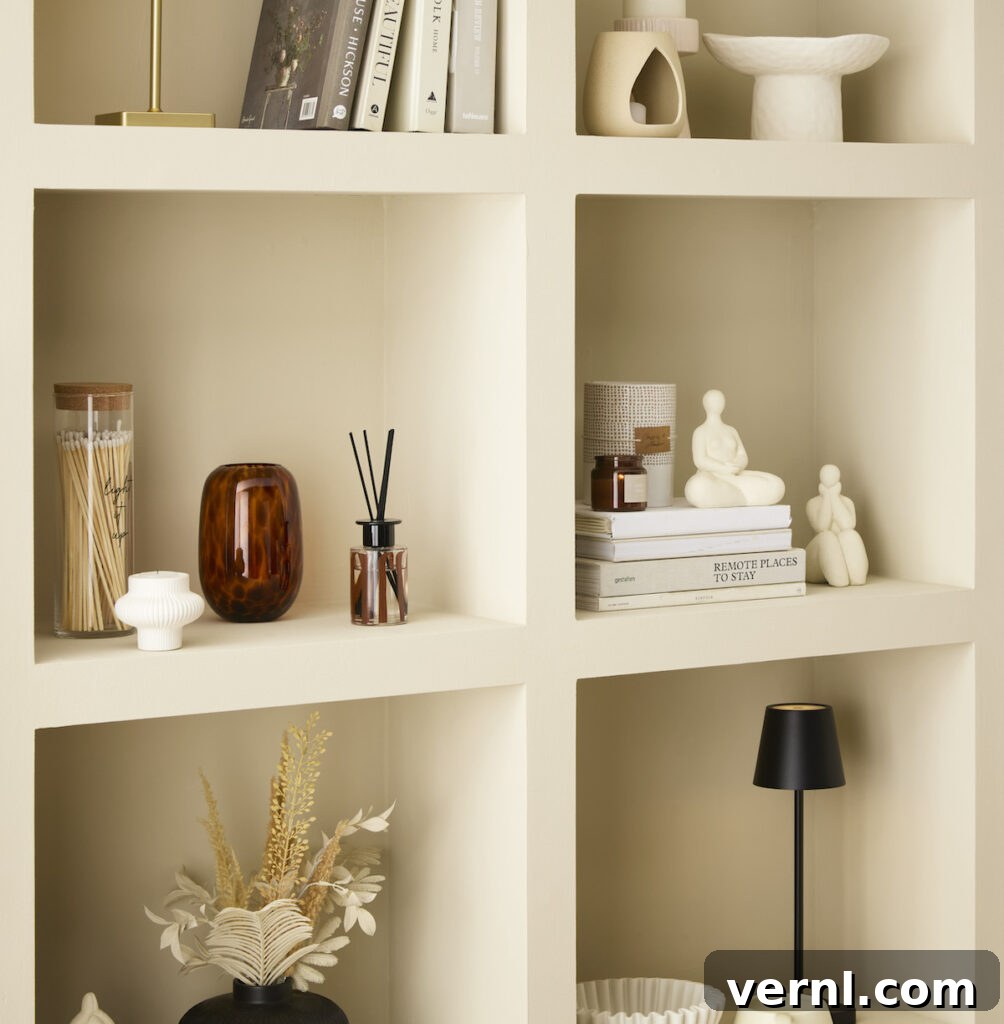
When a room feels wrong, I begin by imagining it as a blank slate. Sometimes I literally clear surfaces, remove smaller items, or temporarily move furniture out. Other times the reset is mental: I picture moving in and ask how I would place things if I were starting from scratch.
This act of stripping back—whether physical or imagined—helps me see which pieces actually contribute to the room and which are simply there out of habit.
2. Experiment With Layout
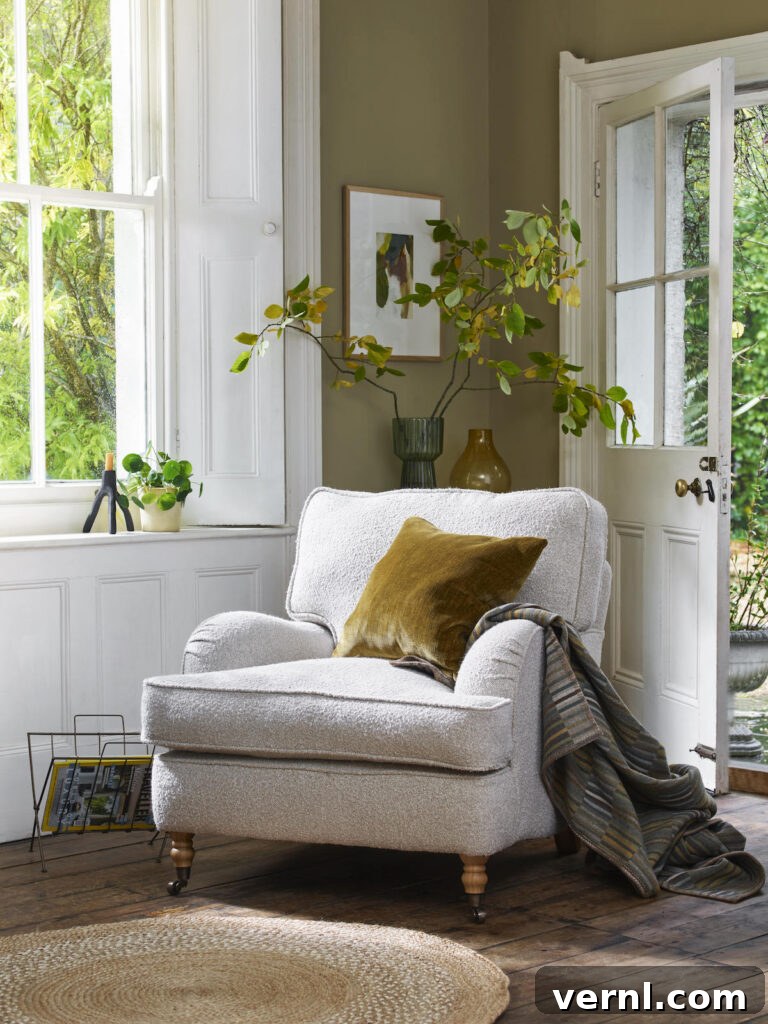
Small layout changes can make a surprisingly big difference. Turning a sofa to face another direction, angling seating to create conversation zones, or pulling furniture away from the walls to encourage flow can transform how a room feels.
Before assuming the solution is a new purchase, try moving pieces around. Swap chairs between rooms, change the focal point, or test different traffic patterns. Often the issue isn’t the furniture itself but where it’s placed.
3. Shop Your Own Home
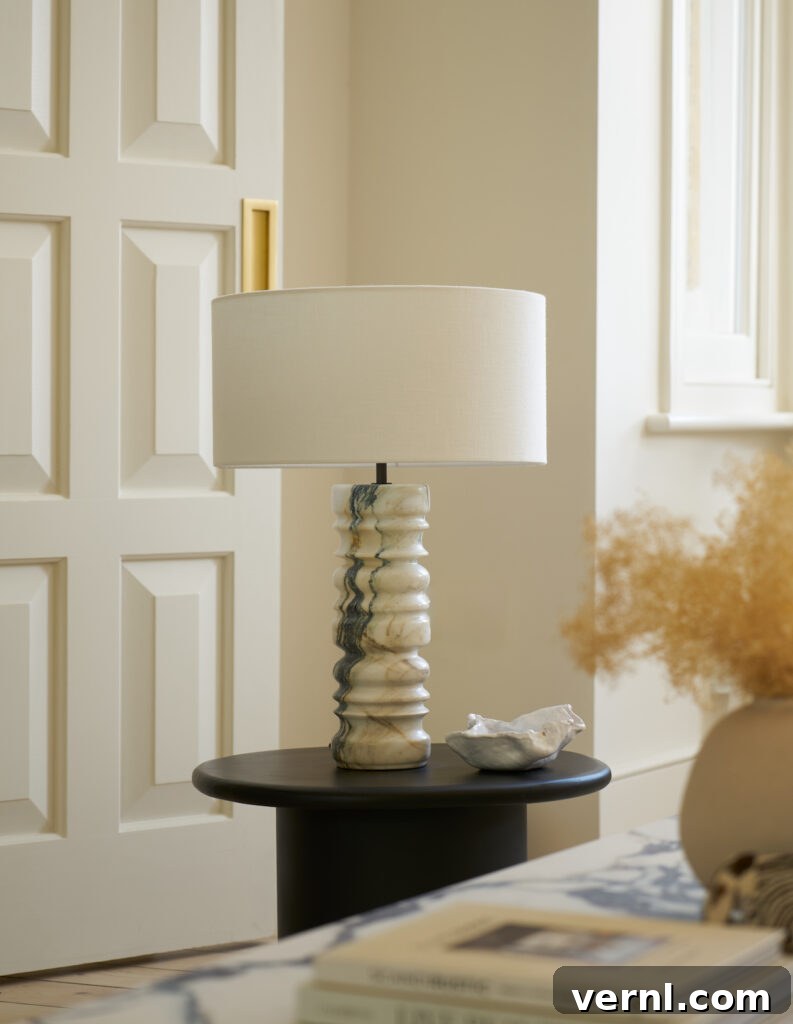
One of the quickest ways to refresh a room is to borrow from other areas of the house. A throw from the bedroom, a lamp from the study, or a rug from a different room can feel entirely new in a different context.
Rebalancing colour and texture using a simple rule—such as a dominant colour, a secondary tone, and an accent—helps create cohesion without buying anything. Small shifts in placement and proportion often change the room’s mood more than adding new items.
4. Edit What No Longer Feels Right
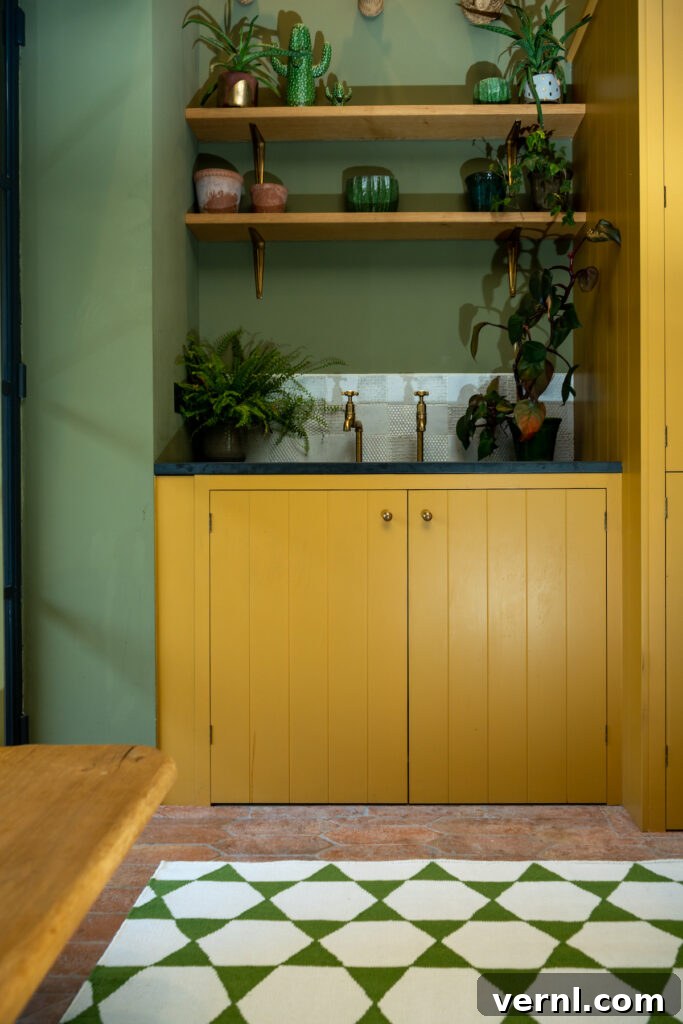
A room can feel off because certain items no longer belong there. Decorative objects that once meant something might now read as clutter, and furniture that served a purpose might now take up needed space.
I follow a simple test: if I were designing this room today, would I include that piece? If the answer is no, I either remove it, relocate it, or store it away. Editing down brings clarity and lets the remaining pieces breathe.
5. Bring in Life (Literally)
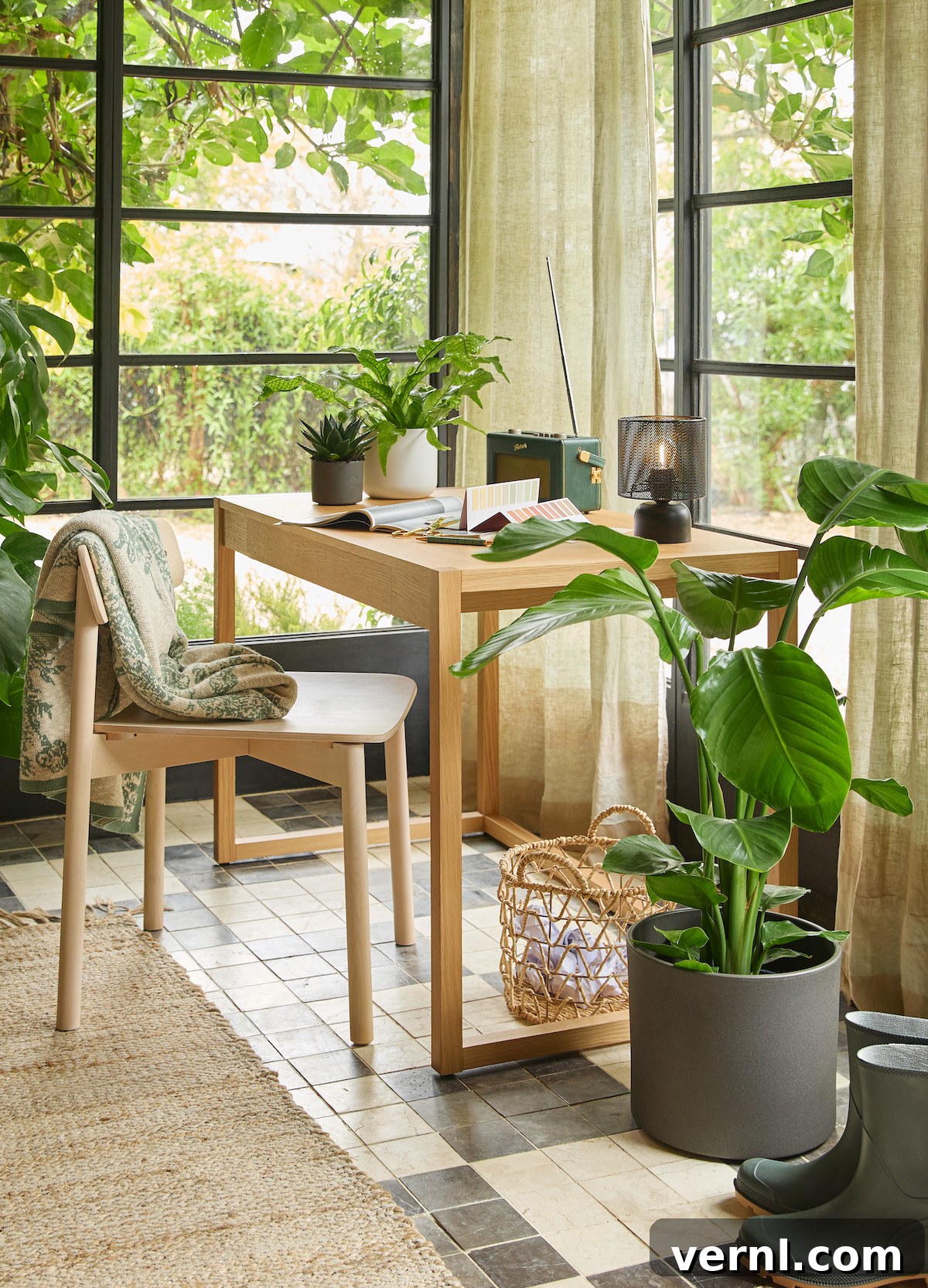
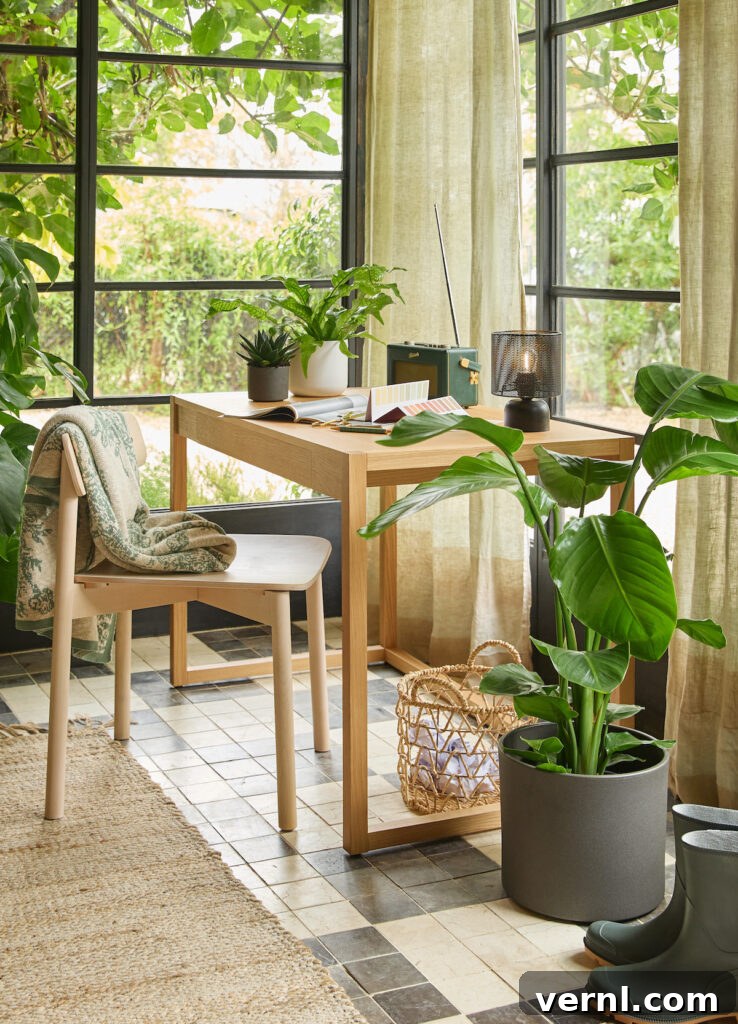
Adding natural elements is one of the fastest ways to warm a room. A simple plant, a bouquet of flowers, or a bowl of fruit injects colour, scent, and a sense of vitality.
If you don’t have plants on hand, open the windows to invite fresh air and daylight, or introduce gentle scents with a candle or diffuser. These subtle changes can instantly shift the atmosphere.
6. Reconnect With How You Actually Use the Space
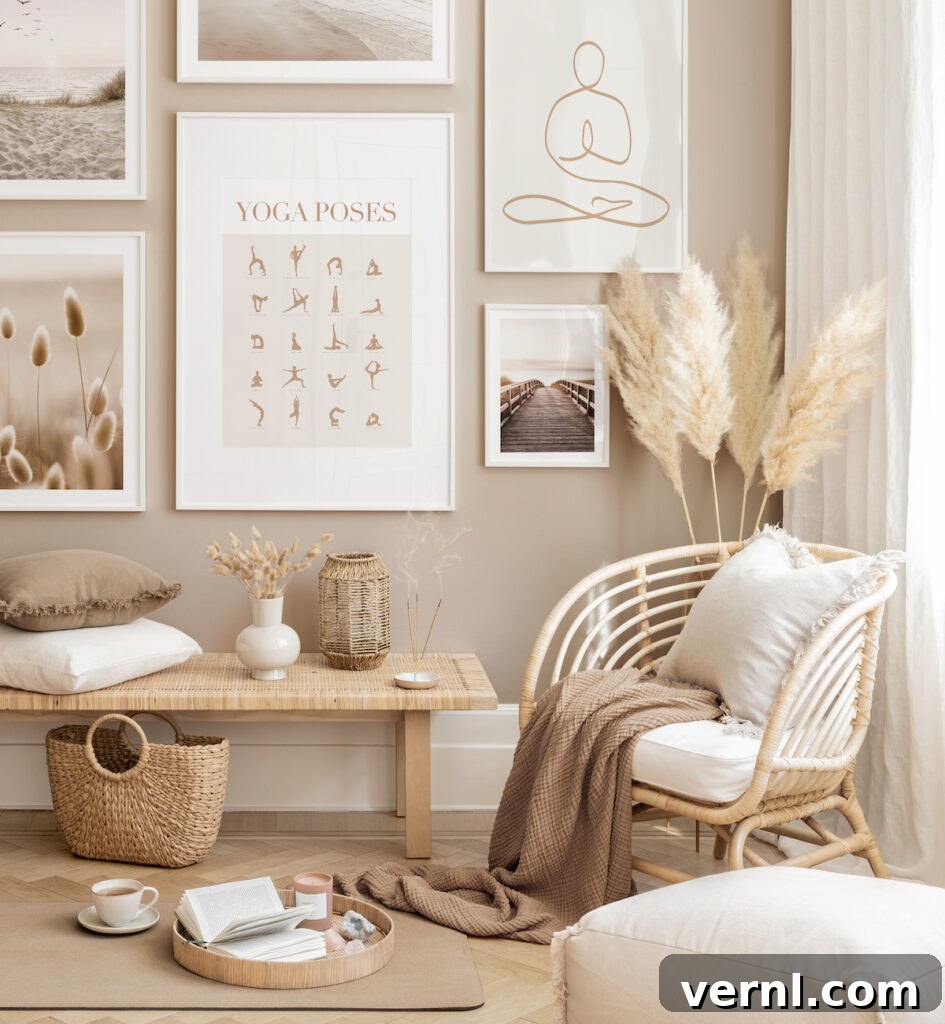
Rooms stop working when life changes but the layout doesn’t. The dining table may have become a home office, or a rarely used guest room might be better as a studio or yoga corner. Recognising how you actually spend time in a room is the most important step.
Ask yourself: what do I really do here most days? If the answer has shifted, the function and design should change too. Rearranging or repurposing a space to reflect current use will make it feel useful and intentional again.
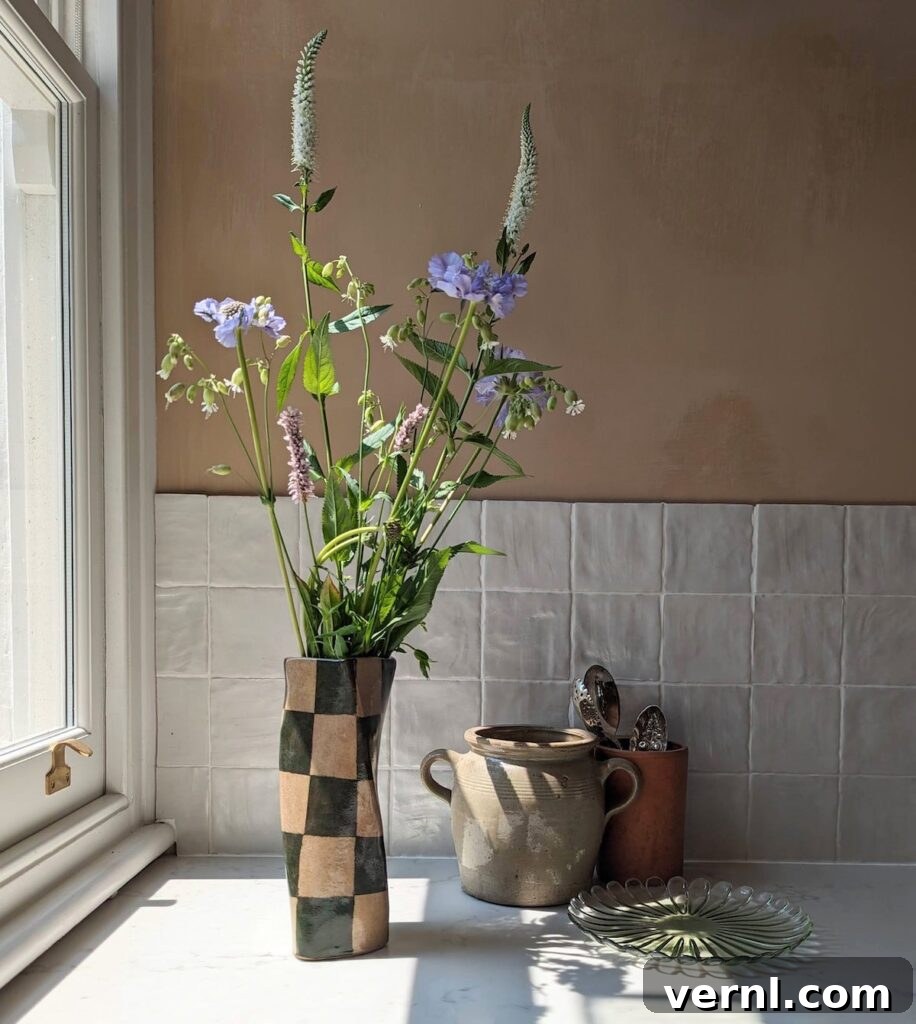
Reworking a room without spending money forces creativity. It helps you see your home anew and discover that a space is defined less by what it contains and more by how it supports daily life. Taking time to edit, rearrange, and bring in simple natural touches will often solve the problem more effectively than buying fresh items.
So next time a room doesn’t feel right, resist the urge to shop. Step back, reimagine the layout and purpose, and experiment with what you already own—you may be surprised by how much can change with minimal effort.
Love this post? Save it for later! 📌 Pin this to your Home Decor or DIY Makeover board for easy reference when your room needs a reset!
Save to Pinterest