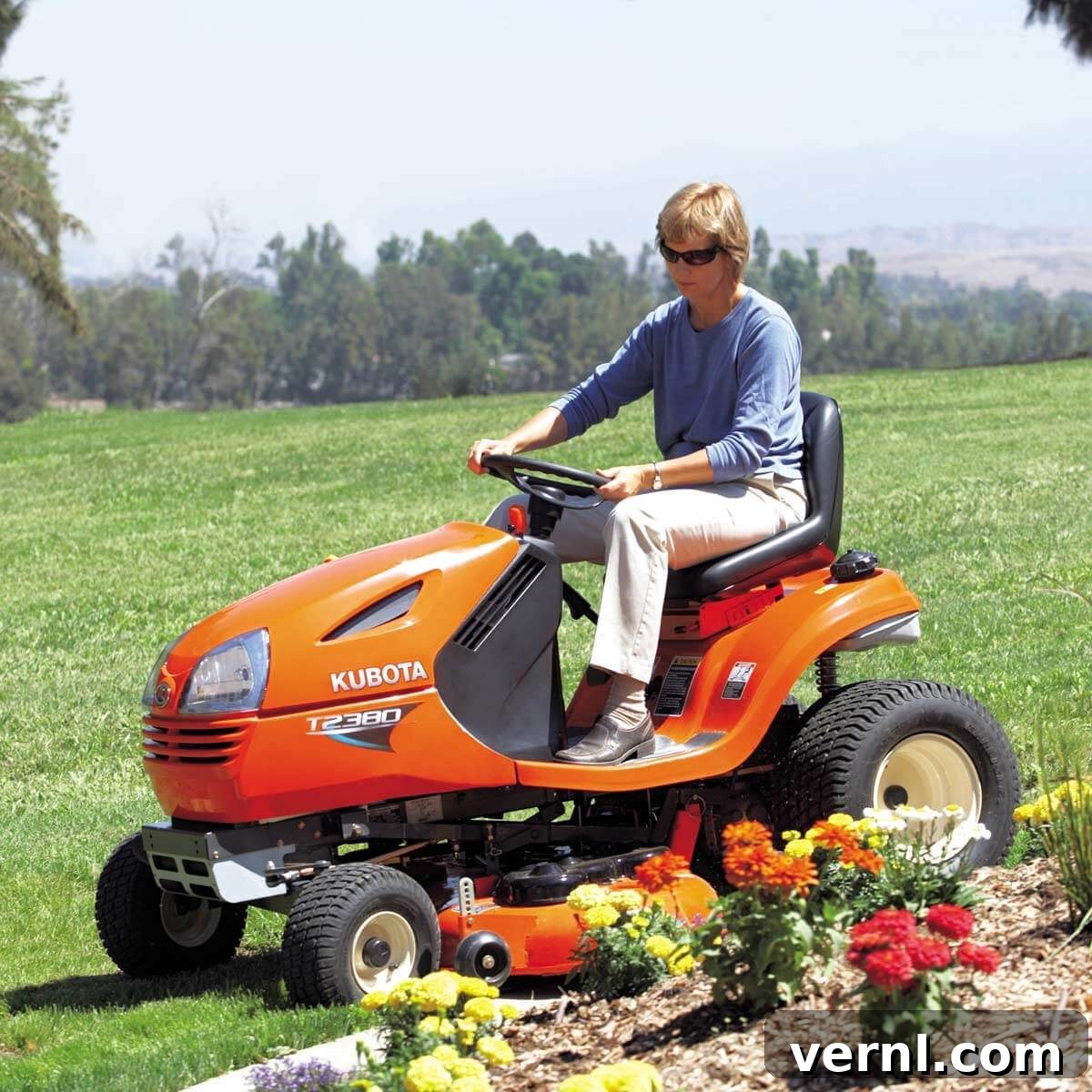
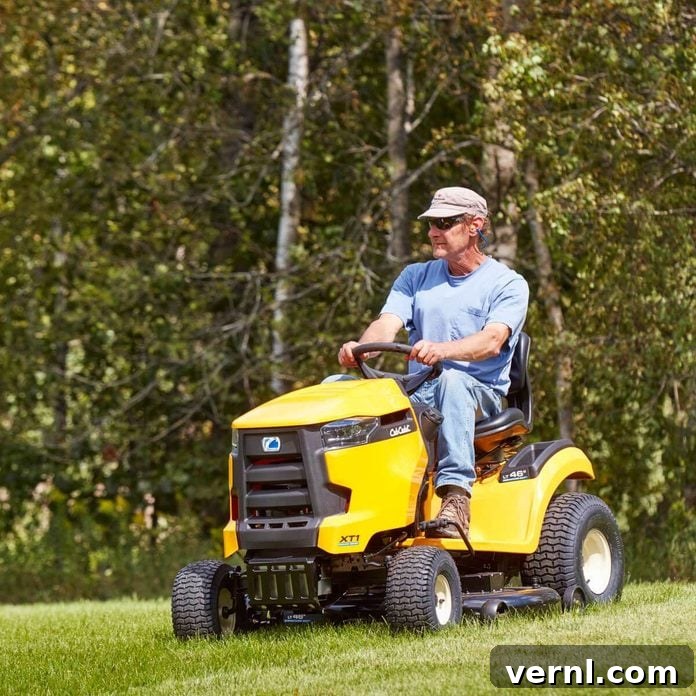
Navigating the Green: A Comprehensive Guide to Understanding Lawn Tractors, Riding Mowers, and Garden Tractors
When it comes to maintaining a pristine lawn or a productive garden, selecting the right equipment is paramount. However, the world of outdoor power equipment can often be confusing, with terms like “lawn tractor,” “riding lawn mower,” and “garden tractor” frequently used interchangeably by retailers and homeowners alike. While they all fall under the broad category of riding lawn equipment, these machines are distinct in their capabilities, design, and intended use. Understanding these differences is crucial for making an informed purchasing decision that perfectly matches your property’s needs and your budget.
This comprehensive guide will break down the specific characteristics of each type of machine, helping you distinguish between a basic grass cutter and a heavy-duty workhorse. We’ll delve into their unique features, performance levels, price points, and ideal applications, ensuring you choose the most efficient and effective tool for your yard maintenance tasks. By the end of this article, you’ll be equipped with the knowledge to confidently select the best riding equipment for your specific requirements, transforming your lawn and garden care experience.
Key Considerations Before You Buy
Before diving into the specifics of each tractor type, it’s essential to consider a few overarching factors that will influence your decision:
- Yard Size and Terrain: The size of your property is perhaps the most significant determinant. Small, flat lawns require different equipment than sprawling estates with uneven terrain or significant inclines.
- Primary Tasks: Are you solely focused on mowing grass, or do you envision tackling a wider range of chores like tilling, snow removal, hauling, or even light excavation?
- Budget: Riding mowers and tractors represent a considerable investment, with prices varying widely based on power, features, and versatility.
- Storage Space: These machines take up valuable space. Consider how much room you have in your garage or shed.
- Comfort and Ease of Use: For frequent or extended use, comfort features like adjustable seats, ergonomic controls, and easy-to-learn operation become increasingly important.
- Maintenance Commitment: All powered equipment requires regular maintenance. Factor in the time and cost associated with upkeep.
Rear-Engine Riding Mowers: The Compact Grass Cutter
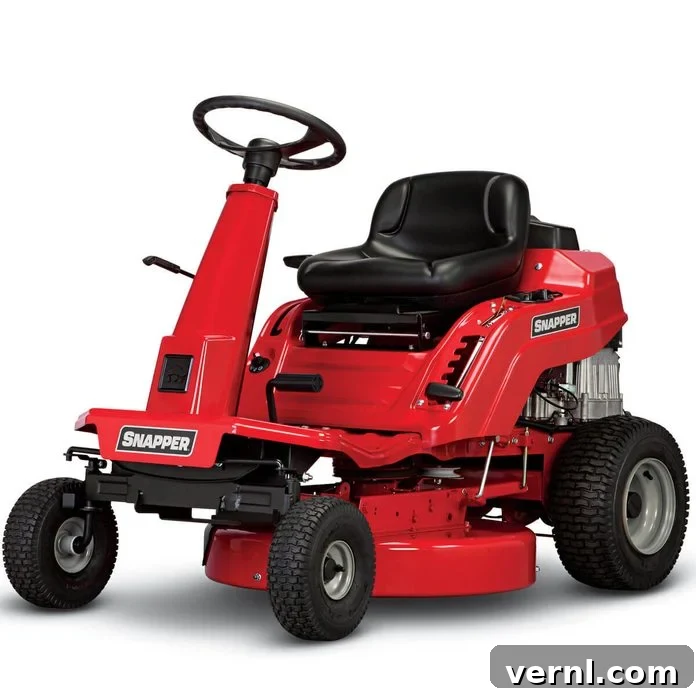
Rear-engine riding mowers are the simplest and often the most compact members of the riding equipment family. As their name suggests, the engine is positioned at the rear of the unit, which provides a clear line of sight to the cutting deck and the path ahead. These machines are purpose-built for one primary task: cutting grass. They represent a step up from walk-behind mowers in terms of convenience and speed, making them an excellent choice for homeowners with smaller to medium-sized lawns who desire the comfort of riding while mowing.
Compared to their larger counterparts, rear-engine riding mowers are typically less powerful, usually featuring engines in the 10-15 horsepower range. This lower power output translates to slower cutting speeds and smaller cutting widths, generally topping out at a maximum of 30 inches. This narrower deck is advantageous for navigating tight spaces, around trees, and through garden beds, offering superior maneuverability in complex landscapes where larger machines might struggle. Their compact footprint also makes them easier to store, a significant benefit for those with limited garage or shed space.
Price-wise, rear-engine riding mowers typically range from $800 to $1,400. While they might not always be significantly cheaper than some entry-level lawn tractors, their specific design and operational focus make them distinct. They often come with fewer comfort features and less robust construction, reflecting their basic mowing utility. They are not designed to accept attachments beyond perhaps a small grass catcher, meaning their functionality is almost exclusively limited to cutting grass. For homeowners with relatively flat, smaller yards (up to half an acre) who prioritize ease of use, maneuverability, and compact storage, a rear-engine riding mower is a practical and efficient solution for basic lawn maintenance.
Lawn Tractors: The Versatile Lawn Manager
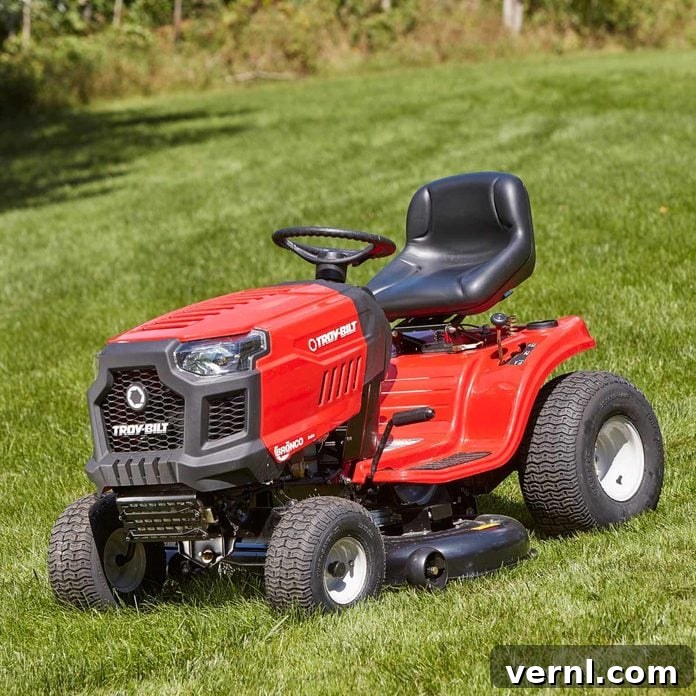
Riding lawn tractors represent the most common and popular category for residential use, bridging the gap between simple mowers and heavy-duty garden workhorses. They are characterized by their front-mounted engines, automotive-style steering wheels, and significantly enhanced power and cutting capabilities compared to rear-engine models. Lawn tractors are designed not just for efficient mowing but also for handling a wider range of light-duty yard tasks, making them a more versatile option for homeowners with medium to large properties.
These machines boast more powerful engines, typically ranging from 15 to 25 horsepower, enabling them to tackle thicker grass and operate at faster cutting speeds. Their cutting widths are substantially larger, commonly available in sizes up to 48 inches, which dramatically reduces mowing time for expansive lawns (up to 2 acres). Modern lawn tractors often feature hydrostatic transmissions, providing smooth, car-like operation with pedal control for speed, enhancing comfort and reducing operator fatigue. Beyond the basic mechanics, lawn tractors frequently incorporate various comfort features, such as cushioned seats, cup holders, and improved steering systems, making long mowing sessions more enjoyable.
One of the key advantages of a lawn tractor is its ability to accept various attachments, significantly expanding its utility. While they don’t have the heavy-duty power take-off (PTO) systems of garden tractors, most models can tow a range of accessories. This includes utility carts for hauling mulch, dirt, or firewood; spreaders for fertilizer or seed; aerators to improve soil health; and dethatchers to remove thatch build-up. Furthermore, many lawn tractors feature a detachable mower deck, which allows for the easy addition of winter accessories such as snow throwers or snow blades. This versatility transforms a seasonal mower into a year-round lawn management tool. Priced between $1,200 and $2,200, lawn tractors offer an excellent balance of power, features, and affordability for homeowners seeking a multi-functional machine to manage their larger properties efficiently.
Garden Tractors: The Heavy-Duty Workhorse
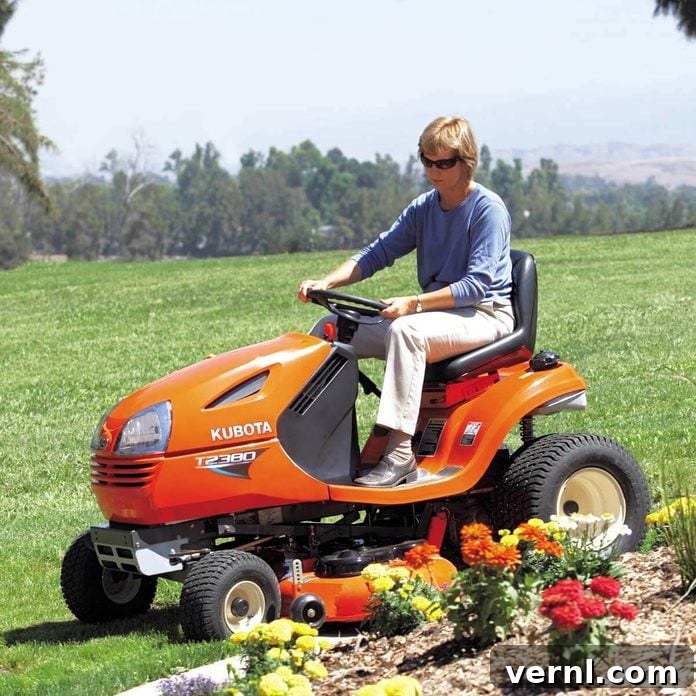
Garden tractors stand at the pinnacle of residential and light-commercial lawn and garden equipment. These are the heavy-duty models, engineered for robustness, power, and an extensive range of tasks far beyond just mowing. Designed to handle challenging terrain, large properties (2 acres and up), and demanding chores, garden tractors are built with durability and versatility as their core principles. They are the ideal choice for serious gardeners, small acreage farmers, or property owners who require a machine capable of performing a wide array of agricultural and landscaping tasks throughout the year.
What sets garden tractors apart is their significantly more powerful engines, often exceeding 25 horsepower and sometimes featuring liquid-cooled systems for extended operation under heavy loads. They are constructed with heavier-gauge steel frames, reinforced axles, and often larger tires for superior traction and stability on uneven or challenging ground. Unlike lawn tractors, garden tractors typically feature a sleeve hitch or a full three-point hitch system, coupled with a robust Power Take-Off (PTO) unit. The PTO is a crucial differentiator, allowing the tractor to power ground-engaging implements like tillers, cultivators, and plows, transferring engine power directly to the attachment for active work.
The range of implements compatible with garden tractors is truly impressive. Beyond accepting very large mowing decks (up to 72 inches for maximum efficiency on vast expanses), they can operate serious ground-engaging tools such as tillers for preparing garden beds, seeders for planting, and cultivators for weeding. For property owners facing heavy snow, powerful front-mounted snow blowers and plows can clear large driveways and paths with ease. Furthermore, some garden tractors can be outfitted with front loaders for moving dirt, gravel, or mulch, and even backhoes for light excavation work, transforming them into mini-utility vehicles. This extensive implement capability makes them invaluable for complex landscaping projects, large-scale gardening, or even light farming tasks.
With their enhanced capabilities and heavy-duty construction, garden tractors come with a higher price tag, starting at about $2,200 and easily topping out at $8,000 or more for premium models with advanced features and hydraulic systems. While a significant investment, their durability, power, and unmatched versatility often make them a cost-effective choice for those who truly need a multi-functional, year-round workhorse for their property.
Choosing the Right Machine for Your Property
Making the final decision involves weighing your specific needs against the capabilities and cost of each machine:
- For Small, Flat Lawns (up to 0.5 acre): A rear-engine riding mower is often the most economical and maneuverable choice for basic grass cutting. Its compact size and ease of use are ideal for smaller properties with obstacles.
- For Medium to Large Lawns (0.5 to 2 acres) with Light Tasks: A lawn tractor offers a fantastic balance of efficient mowing and light-duty versatility. If you need to tow a cart, spread fertilizer, or clear light snow, a lawn tractor is a smart investment.
- For Large Properties (2+ acres), Challenging Terrain, or Extensive Gardening/Landscaping: A garden tractor is the only real option. Its power, heavy-duty construction, and ability to operate ground-engaging and heavy-duty attachments make it indispensable for serious property maintenance, cultivation, and major landscaping projects.
Conclusion: Empowering Your Property Management
The distinction between a rear-engine riding mower, a lawn tractor, and a garden tractor is far more significant than mere terminology. Each machine is engineered with specific purposes, power levels, and capacities, directly impacting its suitability for various tasks and property sizes. While a rear-engine riding mower excels at simple grass cutting in confined spaces, a lawn tractor broadens its utility to include towing and light seasonal work. The garden tractor, however, stands as the ultimate versatile machine, capable of tackling virtually any yard or garden task with its robust construction and extensive range of powered implements.
By carefully evaluating your yard size, terrain, desired tasks, and budget, you can move past the interchangeable marketing jargon and select the riding equipment that truly meets your needs. Investing in the right machine not only makes your property maintenance more efficient and less strenuous but also ensures you have a reliable partner for years to come. Choose wisely, and transform your outdoor chores into a more productive and enjoyable experience.