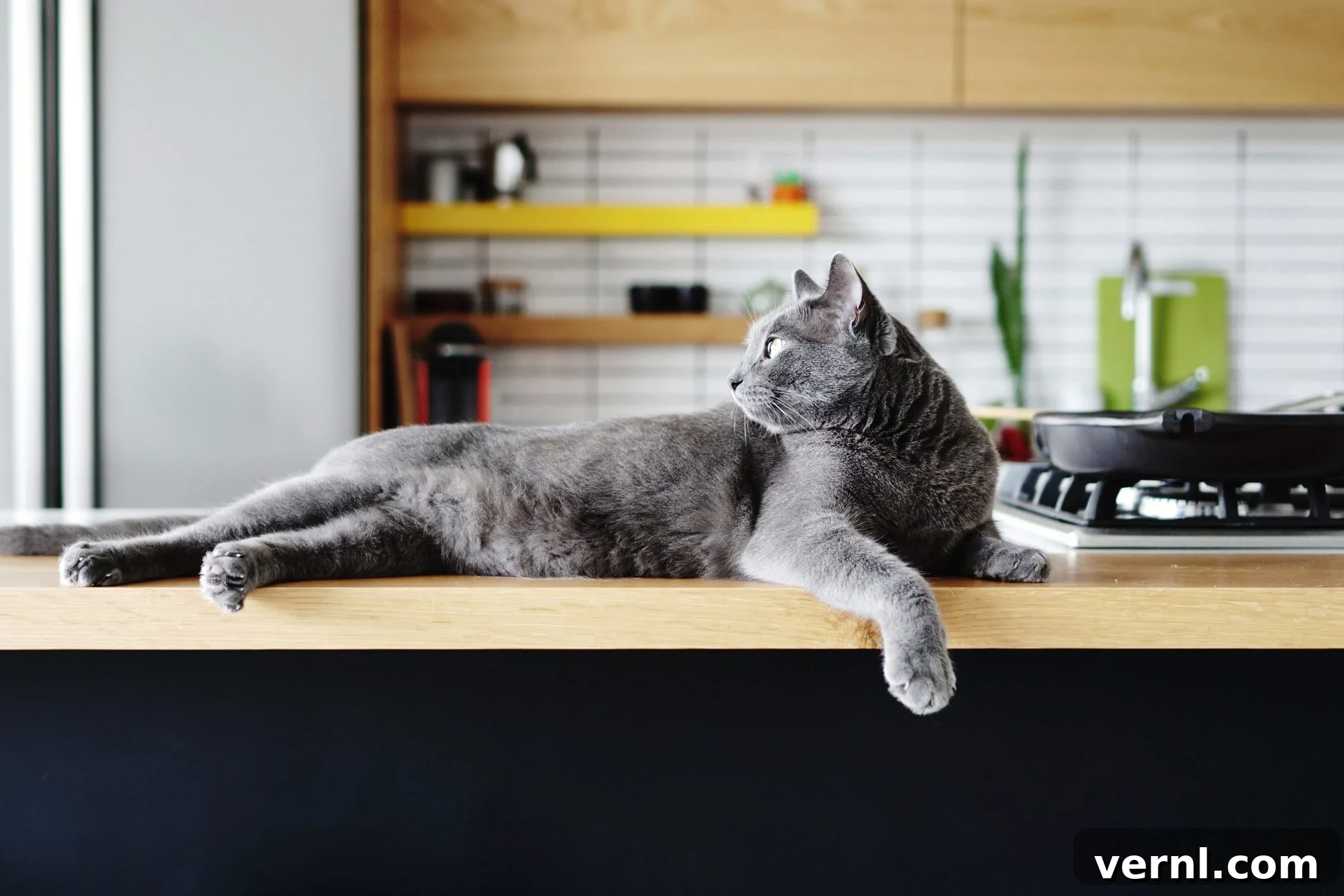
The persistent and unpleasant odor of cat urine, or a general pet smell, can significantly diminish the comfort and appeal of any home. While long-term residents might grow accustomed to these pervasive scents, visitors and especially potential home buyers are acutely aware of them. A noticeable cat odor can not only be off-putting to guests but could also lead to lowered offers or even deter prospective buyers from considering your property altogether, impacting its market value and overall desirability.
Beyond human perception, a lingering cat smell can be detrimental to your feline friends themselves. Cats are territorial creatures that communicate extensively through scent, particularly their urine. When a cat detects the scent of another cat, especially an unfamiliar one, it can trigger stress, anxiety, or aggressive behaviors. This heightened stress can manifest as inappropriate urination outside the litter box, leading to a frustrating cycle where a cat repeatedly marks an already tainted spot. If a cat consistently pees outside the litter box, a lingering odor in that location could be the primary trigger. Understanding the underlying causes of persistent cat odors and equipping yourself with effective removal strategies is paramount to creating a harmonious and fresh-smelling home environment for both you and your beloved pets.
To provide you with the most accurate and actionable advice, we consulted with leading experts in both veterinary medicine and professional cleaning services. Their insights will guide you through the complexities of cat odor removal, ensuring your home remains a clean, welcoming, and odor-free sanctuary.
Why Is Cat Odor So Stubborn and Difficult to Eliminate?
Cat odors, particularly those stemming from urine, possess a unique chemical composition that makes them notoriously difficult to eradicate using conventional cleaning methods. This is due to several key factors that contribute to their pervasive and long-lasting nature.
“Cat urine is a complex mixture containing uric acid, urea, and various pheromones, especially when a cat is claiming its territory,” explains Bruce Vance, a certified house cleaning technician with Town and Country Cleaning Services. Uric acid, a crystalline compound, does not dissolve easily in water or standard cleaning solutions. Instead, it crystallizes upon drying, bonding tightly to surfaces and fabrics. These microscopic crystals reactivate when exposed to humidity, releasing the offensive odor repeatedly over time, even years later, making it seem like the smell mysteriously reappears.
Another critical component is urea. While urea itself is initially odorless, it undergoes a chemical transformation as it ages. Bacteria present in the environment break down the urea, converting it into ammonia. This decomposition process is responsible for the sharp, pungent odor characteristic of old cat urine, which intensifies significantly the longer it remains untreated. This is why a fresh accident may initially smell mild, but becomes increasingly offensive over hours or days.
Furthermore, the evolutionary biology of cats plays a significant role in the intensity of their urine odor. “Cats originated from desert animals, and as such, they are incredibly efficient at conserving water,” notes Dr. Chyrle Bonk, a veterinarian. This physiological adaptation results in highly concentrated urine, meaning that even a small amount contains a potent concentration of odor-causing compounds. This inherent concentration makes cat urine’s scent far more impactful and challenging to mask or eliminate compared to other common pet odors, such as dog smell.
Effective Strategies for Eliminating Cat Odors from Your Home
While challenging, successfully removing cat odors, whether fresh or old, is entirely achievable with the right techniques and products. The key often lies in acting quickly and choosing the appropriate method for the specific type of odor and surface. Dealing with cat pee on clothes, furniture, carpets, or hardwood floors each requires a tailored approach. For fresh accidents, the first crucial step is always to blot or wipe away as much of the urine, vomit, or feces as possible using paper towels or an old absorbent cloth. Avoid rubbing, as this can push the contaminants deeper into the material, potentially spreading the stain and odor. Once the excess is removed, consider one of the following proven methods. Note that most of these techniques are versatile and can be applied to a variety of surfaces, with some exceptions and precautions.
Thorough Vacuuming and Regular Washing
Regular and effective vacuuming is particularly vital for managing odors caused by cat hair, dander, and dried organic matter. Dr. Bonk emphasizes the importance of consistent vacuuming, especially for shedding cats. Aim to vacuum your home at least once a week, and ideally more frequently for multi-cat households or those with heavily shedding breeds. Pay close attention to areas where your cat spends a lot of time, such as furniture, rugs, and pet beds.
The type of vacuum you use also makes a significant difference. Vance strongly recommends using a high-quality vacuum cleaner equipped with powerful suction and a true HEPA filter. A poor-quality filter will merely redistribute dander and hair particles back into the air, rather than trapping them, exacerbating allergy symptoms and lingering smells. Regularly cleaning or replacing the vacuum’s filter is also crucial for maintaining its efficiency. Always empty the vacuum cleaner bag or canister immediately after use to prevent trapped odors from seeping back into your home or breeding bacteria.
Beyond vacuuming, routinely washing any machine-safe cat items, such as pet beds, blankets, toys, and removable furniture covers, is essential. This not only removes embedded hair and dander but also eliminates oils and body odors that accumulate over time. Establish a regular washing schedule for these items to proactively control odors and maintain a fresh living environment for both you and your cat.
The Power of Baking Soda
Baking soda (sodium bicarbonate) is a remarkably effective and natural deodorizer. Vance explains that its efficacy lies in its ability to neutralize acidic compounds, such as the uric acid found in cat pee. It works by absorbing odors rather than simply masking them, making it an excellent first line of defense for various surfaces.
To use baking soda for odor removal, liberally sprinkle it over the affected area. For carpets, upholstery, or mattresses, gently rub it into the fibers with a brush or gloved hand to ensure it penetrates the material. Allow the baking soda to sit for an extended period – anywhere from 15 to 30 minutes for minor odors, to several hours or even overnight for more severe or older smells. The longer it sits, the more effectively it can absorb and neutralize the odors. After the desired dwell time, thoroughly vacuum up the baking soda. You may need to repeat this process several times for deeply embedded odors. Baking soda can also be used as a general carpet freshener by sprinkling it over entire rooms before vacuuming, or placed in open containers in discreet locations to absorb ambient pet odors throughout a room.
Vinegar: A Natural Acid Neutralizer
Vinegar, a common and eco-friendly household item, is another powerful tool in the fight against cat odors. Its acidic nature allows it to neutralize the alkaline salts present in fresh cat urine, effectively breaking down the odor-causing compounds and inhibiting bacterial growth. Vance highlights its effectiveness against nascent odors, acting as a natural disinfectant and deodorizer.
To create a vinegar cleaning solution, mix equal parts white vinegar or apple cider vinegar with water in a spray bottle. Generously spray this solution onto the affected area, whether it’s a hard floor, linoleum, tile, or certain types of furniture. For fabric surfaces, ensure sufficient saturation to reach any absorbed urine. Allow the solution to soak into the area for 10-15 minutes, allowing it time to work on the odor and bacteria. Then, blot the area thoroughly with a clean paper towel or old cloth until it is almost dry. Avoid scrubbing too vigorously, especially on delicate surfaces. Repeat this process as necessary until the cat smell has completely dissipated. Always test the vinegar solution on an inconspicuous spot first to ensure it doesn’t cause discoloration or damage, particularly on wood, natural stone, or painted surfaces, as its acidity can sometimes be too strong.
The Targeted Action of Enzymatic Cleaners
For older, more set-in cat urine stains and odors, enzymatic cleaners are often the most effective and recommended solution. Vance explains that these specialized cleaners contain beneficial bacteria and enzymes (such as protease, amylase, and lipase) that specifically target and break down the complex organic molecules found in cat urine, vomit, and feces. Unlike regular cleaners that might only mask odors or clean the surface, enzymatic cleaners biologically digest the uric acid crystals, urea, and other odor-causing proteins, permanently eliminating the source of the smell by converting them into harmless, odorless compounds.
For optimal results, it’s crucial to follow the product label instructions precisely, as application methods can vary slightly depending on the brand and the surface being treated. Generally, you’ll need to thoroughly saturate the affected area, ensuring the cleaner penetrates as deeply as the urine did – this is vital for effective removal, especially on carpets where urine can soak into the padding and subfloor. Allow the enzymatic cleaner to dwell for the recommended time, typically 15 to 30 minutes, or even longer for severe, older stains (some products recommend covering the area to keep it moist). During this time, the enzymes actively work to break down the odor molecules. After the dwell time, blot or gently scrub away the excess solution, and then allow the area to air dry completely, which can take several hours or even a day. It’s important to resist the urge to use other cleaners beforehand, as some chemicals can deactivate the enzymes, rendering them ineffective.
Hydrogen Peroxide for Stubborn Odors
Hydrogen peroxide is another potent option, particularly effective against the lingering ammonia smell often associated with older cat urine. Vance recommends it due to its oxidizing properties, which chemically alter and neutralize odor molecules. Household 3% hydrogen peroxide is generally safe for most surfaces, but a patch test in an inconspicuous area is always recommended, especially on colored fabrics or carpets, as it can cause discoloration or bleaching if left too long.
To use, pour hydrogen peroxide directly onto the affected spot, ensuring good saturation. Let it rest for approximately five minutes, allowing its oxidizing action to take effect. Then, thoroughly blot or gently scrub the area to remove the product. For an added boost of freshness and cleaning power, you can mix a teaspoon of enzyme-based dishwasher detergent (not dish soap) into the hydrogen peroxide solution before application; the detergent acts as a surfactant, helping to lift the stain and odor. It is paramount to completely remove the product, as any residue left sitting too long, particularly on carpets or upholstery, can lead to permanent discoloration or damage. Ensure the area is thoroughly rinsed and dried after treatment.
What If the Cat Smell Persists? Identifying and Addressing Deep-Seated Odors
Even after diligent cleaning efforts, some cat odors can stubbornly persist, indicating a deeper, hidden source. Sometimes, you may not know the exact location of an old, saturated cat urine stain, especially if it’s on an absorbent surface like carpet. A systematic approach can help. Begin by widely sprinkling baking soda on suspected areas, allowing it to absorb for several hours before vacuuming. Deep clean your carpets with an enzymatic cleaner, and thoroughly clean hard floors with a vinegar-and-water solution. If these DIY options don’t fully eliminate the smell, or if you simply cannot pinpoint the affected area, more advanced methods or professional intervention may be necessary.
A common and highly effective tool for identifying hidden urine stains is a UV blacklight. Urine, especially older urine, fluoresces brightly under UV light, making otherwise invisible stains readily apparent on carpets, walls, and furniture, even in dimly lit rooms. Once identified, these specific areas can be targeted with appropriate cleaning solutions. In some severe cases, the urine may have soaked through carpet padding into the subfloor, or penetrated porous structural surfaces like wood, concrete, or drywall, making surface cleaning insufficient.
“In extreme cases where the odor has permeated not just the furnishings but also the subflooring, baseboards, and even walls of a room, it may be absolutely necessary to bring in a professional cleaning and restoration company to treat the area effectively,” Vance advises. Professionals have access to industrial-strength enzymatic cleaners, specialized extraction equipment, ozone generators, or even sealing primers designed to encapsulate odors in structural materials. They can accurately assess the extent of the damage and recommend the most comprehensive and lasting solution, which might include replacing sections of subfloor or drywall if saturation is severe enough to cause irreversible damage.
Frequently Asked Questions About Cat Odor Removal
How can I prevent cat smell from building up in my house?
Preventing cat odor accumulation is primarily about proactive pet care and consistent household hygiene. The most common culprits for household pet smells are cat hair, dander, vomit, feces, and of course, urine. The litter box is often a primary source of odor, so maintaining impeccable litter box hygiene is crucial. This means scooping the litter box at least once, preferably twice, daily, and performing a complete litter change and box cleaning weekly or bi-weekly, depending on the number of cats, litter type, and box size. Using high-quality, clumping litter and specific litter deodorizers can also significantly help manage smells. Replacing old, plastic litter boxes annually is also recommended as plastic can absorb odors over time.
In addition to meticulous litter box care, Vance emphasizes the importance of a diligent general cleaning routine. Pets naturally leave behind oils, hair, and dander when they lie on or rub against furniture, carpets, and flooring. Regular washing or deep cleaning of these affected areas will significantly reduce odor buildup. For carpets and upholstery, consider investing in a wet extraction vacuum (often mistakenly called a steam cleaner, which can actually set urine stains) or hiring professional cleaners periodically. For hard surfaces, regular mopping with appropriate cleaners prevents oil and dander accumulation. Ensuring adequate ventilation in your home by opening windows, using exhaust fans, or employing air purifiers with activated charcoal filters can also help keep the air fresh and minimize airborne odors.
Furthermore, addressing any underlying behavioral or medical issues that lead to inappropriate urination is vital. Regular veterinary check-ups can rule out urinary tract infections, kidney issues, diabetes, or other health problems, which can cause increased urination or changes in urine odor. Stress, anxiety, or changes in the home environment can also lead to inappropriate elimination, which a vet or a feline behaviorist can help address through environmental enrichment or medication.
Is cat urine harmful to human health?
While generally not immediately life-threatening, prolonged exposure to cat urine, especially in high concentrations, can pose health risks. The breakdown of urea into ammonia creates strong fumes that can irritate the respiratory system, eyes, and skin, particularly for individuals with asthma, allergies, chronic bronchitis, or other respiratory sensitivities. Ammonia fumes can cause headaches, nausea, coughing, and burning sensations in the eyes and throat. Additionally, cat urine can contain bacteria, and if not properly cleaned, these areas can become breeding grounds for microbes, potentially leading to infections if a person comes into direct contact with the contaminated surface and then touches their eyes or an open wound. It’s always best to clean urine accidents promptly and thoroughly to minimize any potential health hazards and ensure a safe living environment.
How do I remove cat urine smell from porous surfaces like wood or concrete?
Removing cat urine smell from porous surfaces like unfinished wood floors, subfloors, or concrete can be particularly challenging because the urine soaks deeply into the material, sometimes for inches. For wood, after thoroughly cleaning with an enzymatic cleaner (you may need multiple applications and extended dwell times, allowing the cleaner to soak as deeply as the urine did), the affected area might need to be sanded down to remove the saturated layers. If the odor persists, an odor-sealing primer specifically designed for pet odors (e.g., shellac-based or oil-based) should be applied to encapsulate any remaining odor before re-finishing the wood. For concrete, repeated applications of enzymatic cleaners are crucial, ensuring deep saturation and allowing ample dwell time. After cleaning and ensuring the concrete is completely dry, a concrete sealer can be applied to prevent future absorption and seal in any faint residual odors. In severe cases of deep penetration, especially in subflooring, replacing affected sections of wood or concrete, or hiring professional remediation specialists, might be the only permanent solution to completely eliminate the smell.
About Our Expert Contributors
Our comprehensive guide on cat odor removal benefits from the invaluable insights of two distinguished professionals:
Dr. Chyrle Bonk is a highly respected veterinarian with over a decade of hands-on experience in animal health and behavior, offering crucial perspectives on feline physiology, wellness, and the behavioral aspects of pet odors.
Bruce Vance is a certified house cleaning technician and the owner of Town and Country Cleaning Services. His extensive expertise in professional cleaning techniques provides practical, effective solutions for even the most challenging household odors and stains.