
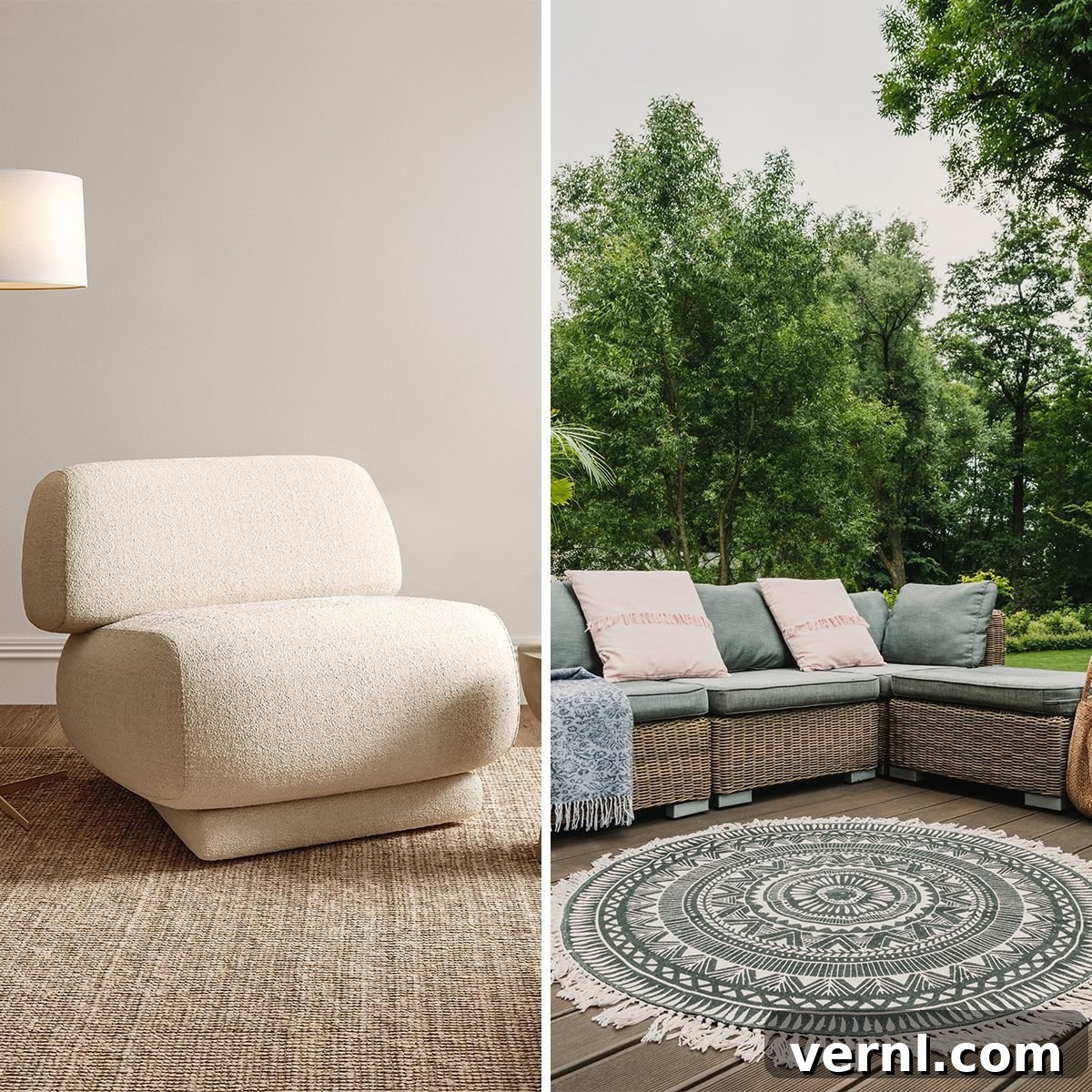
The Ultimate Guide to Indoor vs. Outdoor Rugs: Choosing the Perfect Foundation for Your Space
There’s a unique joy in feeling the world beneath your bare feet, and for many, that experience extends right into the comfort of their homes and outdoor living areas. The sensation of different textures, especially those provided by a well-chosen rug, can elevate a space from merely functional to truly inviting. Imagine stepping onto a plush, high-quality indoor rug – a luxury often best appreciated without footwear, especially during colder months when its warm fibers offer a comforting embrace underfoot.
Yet, the appeal isn’t limited to interiors. Outdoor rugs, too, hold immense value, transforming exterior spaces into stylish extensions of your home. They not only enhance the aesthetic of decks and patios but also provide crucial protection against wear and tear, and perhaps most importantly, shield tender feet and paws from sun-baked, scorching surfaces. Whether you’re aiming to cozy up a living room or revitalize a patio, understanding the distinct characteristics of indoor and outdoor rugs is key to making the right choice.
If you find yourself pondering the ideal rug for your specific needs, this comprehensive guide will walk you through everything you need to know about the fundamental differences. We’ll explore their unique compositions, design considerations, durability, cost, and cleaning requirements, helping you make an informed decision that combines both style and practicality for any space.
Indoor vs. Outdoor Rugs: A Deep Dive into Materials and Construction
The most significant distinction between indoor and outdoor rugs lies in their fundamental composition and how they are constructed. These differences directly impact their feel, flexibility, and suitability for various environments.
What Are Outdoor Rugs Made Of? Built for the Elements
Outdoor rugs are engineered for resilience, crafted from robust synthetic materials specifically designed to withstand the rigors of exterior conditions. Their construction prioritizes functionality and durability against the elements. Common materials include:
- Polypropylene (Olefin): This is perhaps the most popular material for outdoor rugs due to its exceptional resistance to moisture, mildew, and fading. Polypropylene fibers are solution-dyed, meaning the color is infused directly into the fiber during manufacturing, making them incredibly colorfast even under intense UV exposure. They are also inherently easy to clean and highly durable, resisting staining and general wear.
- Polyester: Often used for outdoor rugs, polyester offers good resistance to fading and moisture. It can sometimes have a slightly softer feel than polypropylene while maintaining strong durability. Recycled polyester (PET) is also becoming a popular eco-friendly option for outdoor rugs, offering sustainability without compromising performance.
- Nylon: Less common but still utilized, nylon is extremely durable and resistant to abrasion. While it has good water resistance, it may not be as fade-resistant as polypropylene unless treated with specific UV inhibitors.
These synthetic fibers are typically flat-woven, creating a low-profile construction. As rug dealer Harry Calladine notes, “Outdoor rugs are made with a flat-woven pile so [they] don’t have individual strands being exposed to the air like indoor rugs have.” This construction style contributes to their coarser texture but also their ability to dry quickly and resist trapping dirt and debris, making them ideal for areas exposed to weather and foot traffic.
What Are Indoor Rugs Made Of? Comfort and Style First
Indoor rugs, on the other hand, prioritize comfort, aesthetic appeal, and intricate design. Their materials and construction are chosen to enhance the tactile experience and complement interior décor. They generally feature a higher pile, which creates a softer, more cushioned surface.
- Natural Fibers (High-End): For a truly luxurious feel and timeless appeal, high-end indoor rugs are often woven from natural materials such as:
- Wool: Renowned for its softness, exceptional durability, natural stain resistance, and excellent insulation properties. Wool rugs can last for decades with proper care, making them a worthwhile investment.
- Cotton: Offers a soft, breathable, and often more casual feel. Cotton rugs are typically lighter and easier to clean than wool, though they may not be as long-lasting under heavy traffic.
- Silk: The epitome of luxury, silk rugs are incredibly soft, lustrous, and display vibrant colors with a unique sheen. They are, however, very delicate and best suited for low-traffic, formal areas where their beauty can be admired without constant wear.
- Synthetic Fibers (Lower-End & Practical Indoor): More affordable indoor rugs often utilize synthetic materials that mimic the look and feel of natural fibers while offering enhanced durability and stain resistance for everyday use. These include:
- Acrylic: Soft and wool-like in appearance, acrylic is resistant to fading and mildew, making it a good choice for areas with some sun exposure, such as sunrooms.
- Polyester: Can be quite soft and is known for its vibrant color retention and stain resistance, making it popular for family-friendly spaces.
- Polypropylene (Olefin): While primarily an outdoor rug material, polypropylene is also used for indoor rugs, particularly in high-traffic areas or homes with pets and children, due to its exceptional durability and ease of cleaning. It offers a soft but highly resilient surface.
As Calladine explains, “Indoor rugs are also softer and plusher since they are made with a higher pile that can be felt beneath your feet.” This higher, denser pile creates a cushioned surface that enhances comfort, warmth, and sound absorption, making indoor rugs an inviting addition to any living space.
Indoor vs. Outdoor Rugs: Sizing and Design Aesthetics
While manufacturers often utilize similar looms for both indoor and outdoor rugs, leading to some overlap in standard dimensions, there are notable differences in the range of sizes, shapes, and design considerations tailored to their respective environments.
Versatility in Indoor Rug Sizes and Shapes
Indoor rugs typically boast a more extensive variety of shapes and dimensions, catering to diverse interior layouts and design preferences. Beyond standard rectangles, you’ll commonly find round, oval, square, and runner options. This versatility allows indoor rugs to serve multiple functions within a home, acting as both decorative elements and functional anchors:
- Defining Zones: A large area rug can effectively anchor a living room seating arrangement, creating a cohesive conversation area, while a smaller round rug might delineate a cozy reading nook or entryway.
- Adding Flow: Runners are perfect for hallways, kitchens, or alongside beds, guiding the eye, adding visual interest, and providing comfort underfoot in transitional spaces.
- Complementing Furniture: Specific shapes can complement the contours of furniture, such as a round rug beneath a circular dining table, creating a cohesive and well-designed interior.
The design of indoor rugs also tends to be more intricate and varied, reflecting a broader spectrum of interior design styles, from traditional Persian motifs to modern geometric patterns and abstract art. Interior designers often view indoor rugs as foundational elements that tie a room together, introducing color, texture, and pattern to enhance the overall ambiance.
Larger Footprints for Outdoor Rugs
Outdoor rugs, by contrast, tend to be larger, primarily because they are designed to cover more expansive exterior living spaces. Their purpose is often to define entire seating or dining areas on a deck, patio, or porch, making these spaces feel more like an extension of the indoor living area.
- Covering Greater Area: They commonly come in generous sizes to accommodate full outdoor furniture sets, providing a comfortable and protective surface beneath multiple pieces.
- Protecting Surfaces: Larger rugs offer more extensive protection for wooden decks from weather damage, or concrete patios from staining and absorbing scorching heat, which can be critical in sunny climates.
- Creating Outdoor Rooms: By laying down a large outdoor rug, you can effectively “zone” an open patio, transforming it into distinct areas for lounging, dining, or entertaining, thereby enhancing its functionality and appeal.
While outdoor rugs are increasingly available in a wide array of stylish designs, interior designer and rug expert Jason Nazmiyal points out, “Outdoor rugs get less consideration for their design as they are usually thinner and placed on harder surfaces than indoor rugs.” This historical emphasis on functionality over intricate aesthetics often meant simpler patterns and flatter weaves. However, the market is rapidly evolving to offer more decorative options that beautifully merge durability with contemporary style.
Indoor vs. Outdoor Rugs: Unpacking Durability and Longevity
When investing in a rug, its lifespan and ability to withstand daily use are paramount. Here, outdoor rugs undeniably take the lead in sheer resilience, though the durability of an indoor rug is heavily dependent on its material and intended placement.
Outdoor Rugs: Built to Endure
Outdoor rugs are robust by design, specifically engineered to withstand constant exposure to the most challenging environmental conditions. Their synthetic composition grants them superior resistance to:
- UV Radiation: Unlike many indoor materials, outdoor rug fibers are often treated or solution-dyed to resist fading and degradation from intense sunlight, ensuring their colors remain vibrant season after season.
- Moisture: Rain, dew, and spills are no match for outdoor rugs. Their non-absorbent synthetic fibers prevent water from soaking in, significantly inhibiting the growth of mold and mildew. This also means they dry quickly, preventing prolonged dampness.
- Temperature Extremes: From scorching summer heat to freezing winter conditions, outdoor rugs are designed to maintain their integrity without becoming brittle, cracking, or deteriorating.
- Wear and Tear: The flat-woven construction and tough synthetic fibers are highly resistant to fraying, snagging, and general abrasion from foot traffic, outdoor furniture, and even active pet play.
Outdoor furniture expert Lisa Delane aptly summarizes their hardiness: “They are absolutely made to take a beating, from sun, rain, kids, dogs and even the occasional wine or food spill.” This inherent toughness makes them an ideal choice for high-activity areas, both outside and, as we’ll discuss, in certain indoor environments where resilience is key.
Indoor Rugs: Durability Dictated by Material and Traffic
For indoor rugs, durability is a more nuanced factor, largely determined by the specific material chosen and the level of foot traffic in the area where the rug will be placed. Contractor Docia Boylen advises, “Something wool will be durable, but silk will be very delicate. Think about the traffic in the area the rug will be placed and plan accordingly.”
- Wool: Highly durable, naturally resilient, and resistant to crushing and staining. Wool fibers can bounce back from compression, making them excellent for high-traffic living rooms, dining rooms, and hallways.
- Nylon (Indoor): Extremely tough and resistant to abrasion, nylon is a popular choice for very high-traffic indoor areas, often found in commercial settings and residential entryways.
- Polypropylene/Olefin (Indoor): As mentioned, indoor rugs made from polypropylene offer excellent durability, stain resistance, and affordability, making them suitable for family rooms, playrooms, and kitchens where spills are common.
- Cotton: Generally less durable than wool or synthetics for heavy traffic, cotton is best suited for medium-traffic areas like bedrooms or offices, offering a softer, more breathable feel.
- Silk: While luxurious and beautiful, silk is incredibly delicate. It is best reserved for low-traffic areas where its beauty can be admired without constant wear, such as formal living rooms or decorative accents.
Understanding the balance between desired softness, aesthetic appeal, and the practical demands of a specific room is crucial when selecting an indoor rug. Investing in a rug whose durability matches the area’s traffic will ensure its beauty and longevity for years to come, protecting your investment and enhancing your home’s comfort.
Indoor vs. Outdoor Rugs: Cost-Effectiveness and Investment Value
Budget is often a significant factor in any home decor decision, and rugs are no exception. Generally, outdoor rugs tend to be more affordable, while indoor rugs present a broader price spectrum, heavily influenced by material quality and craftsmanship.
The Affordability of Outdoor Rugs
Outdoor rugs are typically more budget-friendly. This is largely due to their manufacturing processes, which prioritize functionality and mass production using cost-effective synthetic materials. As Jason Nazmiyal explains, “Their construction emphasizes function over aesthetic quality and a luxurious feel.” While advancements have led to more stylish outdoor options, the primary goal remains utility and resilience, allowing for lower production costs compared to their indoor counterparts.
However, it’s important to note that the outdoor rug market is diverse. Lisa Delane observes, “Outdoor rugs still have a wide price range, depending on their softness and quality.” Higher-quality outdoor rugs might feature more intricate weaves, softer textures, or unique designs, leading to a slightly higher price point. Even so, Delane reassures buyers, “You can get a high-end look outdoors without the price tag of an heirloom indoor rug.” This makes outdoor rugs an excellent value for creating inviting exterior spaces without overspending, offering significant aesthetic impact for a reasonable investment.
The Investment in Indoor Rugs
The cost of indoor rugs can vary dramatically, ranging from very affordable synthetic options to significantly higher investments for natural fiber, hand-knotted, or designer pieces. The primary drivers of indoor rug prices include:
- Material Quality: Rugs made from premium natural fibers like virgin wool, high-grade cotton, or luxurious silk will naturally command a higher price than those made from synthetic materials like polyester or polypropylene. The quality, origin, and rarity of the fiber also play a significant role.
- Weaving Method: Hand-knotted rugs, which can take skilled artisans hundreds or thousands of hours to create, are the most expensive due to their intricate detail and labor-intensive process. Hand-tufted, hand-hooked, and machine-made rugs offer progressively lower price points, reflecting the varying levels of craftsmanship and automation involved.
- Design and Origin: Intricate patterns, unique artistic designs, and rugs sourced from renowned weaving regions (e.g., Persian, Oriental, Turkish) often carry a premium due to their artistic value, cultural heritage, and collector appeal.
- Brand and Designer: High-end interior design brands or collaborations with famous designers can also elevate the price of an indoor rug, often incorporating exclusive patterns and superior materials.
While an expensive indoor rug represents a significant upfront cost, it’s often viewed as a long-term investment. High-quality natural fiber rugs can last for generations, becoming cherished heirlooms and potentially even appreciating in value. When considering an indoor rug, weigh the initial cost against its expected lifespan, aesthetic impact on your home, and the unparalleled comfort it brings to your living environment.
Indoor vs. Outdoor Rugs: The Ease of Maintenance and Cleaning
One of the most practical differences between these two rug types is their respective cleaning requirements. Outdoor rugs are champions of low-maintenance living, while indoor rugs often demand a more delicate and precise approach.
Effortless Cleaning for Outdoor Rugs
The synthetic materials and flat-woven construction of outdoor rugs make them incredibly easy to clean. Their non-absorbent fibers repel water and resist staining, simplifying the maintenance process significantly. “You can literally hose them down and let them dry in the sun,” states Lisa Delane, emphasizing their unmatched convenience. “If you want something low-maintenance, outdoor rugs are definitely the way to go.” This ease of cleaning makes them perfect for busy households or areas prone to frequent spills and dirt.
How to Clean an Outdoor Rug: A Step-by-Step Guide
Keeping your outdoor rug fresh and clean is straightforward and requires minimal effort:
- Remove Loose Debris: Start by shaking the rug vigorously to dislodge dirt, leaves, pet hair, and other loose particles. For larger rugs, use a stiff broom or a leaf blower to sweep off any surface grime efficiently.
- Hose it Down: Lay the rug on a clean, hard surface like a driveway, patio, or even a large tarp. Thoroughly hose it down with water, ensuring it’s completely saturated.
- Scrub Gently: Prepare a cleaning solution by mixing a capful of mild liquid soap (such as dish soap or a gentle all-purpose cleaner) with a bucket of water. Using a soft-bristled brush or a sponge, gently scrub the entire surface of the rug, paying extra attention to any stained areas or high-traffic zones.
- Rinse Thoroughly: Rinse the rug completely with a hose, ensuring all soap residue is removed. Leftover soap can attract new dirt and leave a sticky film, so rinse until the water runs clear.
- Dry Completely: This is a crucial step to prevent mold and mildew. Hang the rug over a fence or railing, or lay it flat in a sunny, well-ventilated spot, allowing it to dry thoroughly on both sides. Ensure it is absolutely bone-dry before placing it back down on your patio or storing it away for the season.
For tougher stains, you can use a diluted bleach solution on polypropylene rugs (always test in an inconspicuous area first) or specialized outdoor fabric cleaners. Always follow the product instructions carefully.
Careful Cleaning for Indoor Rugs
Indoor rugs, especially those made from natural fibers like wool, silk, or delicate blends, require a more nuanced and often professional approach to cleaning. Their absorbent fibers and intricate construction make them susceptible to damage from harsh chemicals, excessive moisture, or aggressive scrubbing, which can lead to shrinkage, discoloration, or fiber damage.
How to Clean an Indoor Rug: Best Practices for Longevity
Maintaining the beauty and longevity of your indoor rug involves a combination of routine care and strategic, material-appropriate cleaning:
- Regular Vacuuming: Vacuum your indoor rugs frequently, ideally several times a week, to prevent dirt, dust, and allergens from settling deep into the fibers, which can cause premature wear and dull the rug’s appearance. Use an appropriate vacuum setting for your rug’s pile height and material (e.g., lower suction or no beater bar for delicate rugs).
- Prompt Spot Cleaning: For spills, act quickly. Immediately blot (don’t rub, as rubbing can spread the stain and damage fibers) the area with a clean white cloth or paper towel to absorb as much liquid as possible. Then, use a mild cleaning solution appropriate for your rug’s material (e.g., specific wool cleaner for wool rugs, diluted mild soap for synthetics). Always test the solution on an inconspicuous area first to check for colorfastness. Avoid over-wetting the rug.
- Follow Manufacturer’s Instructions: Always check the rug’s care tag or manufacturer’s website for specific cleaning recommendations. This information is especially important for delicate or unique materials and can prevent costly mistakes.
- Professional Cleaning: For deep cleaning, stubborn stains, or general revitalization, indoor rugs often need to be cleaned by a specialist. Professional rug cleaners have the expertise, specialized equipment, and knowledge of various rug materials to safely clean your rug without causing damage, helping to extend the life of your investment and restore its original beauty.
Avoid using outdoor rug cleaning methods on indoor rugs, as the excessive water can lead to shrinking, discoloration, mold growth in the backing, and damage to the rug’s overall structure.
Frequently Asked Questions About Indoor and Outdoor Rugs
Making the right rug choice often comes with common questions regarding versatility and potential pitfalls. Here are answers to some of the most frequently asked questions, providing clarity on where and how to best use your rugs.
Can indoor rugs be used outdoors?
It is generally not a good idea to use indoor rugs outdoors. They are simply not built to withstand the elements and will likely deteriorate quickly, resulting in a waste of your investment. Docia Boylen clarifies, “As a general rule, I would not recommend using an indoor rug outside because they are susceptible to mold, fading, deterioration and will absorb moisture.”
Here’s why it’s a bad idea:
- UV Degradation: Indoor rug fibers lack the UV stabilization of outdoor rugs, leading to rapid fading and structural breakdown under direct sunlight.
- Water Absorption and Mold: Natural fibers are highly absorbent. When exposed to rain and humidity, they will soak up water, become heavy, dry very slowly, and are highly prone to developing mildew and mold, which can cause unpleasant odors and health issues.
- Deterioration: The backing and adhesives in indoor rugs are not designed for moisture, leading to disintegration, curling, and overall structural damage.
- Dirt and Stains: Indoor rugs are not equipped to handle outdoor dirt, mud, leaves, and pet messes. They will quickly become stained and difficult to clean without damaging the fibers.
Using an indoor rug outside will significantly shorten its lifespan and could result in irreversible damage, making it a poor choice for any outdoor setting.
Can outdoor rugs be used indoors?
Yes, absolutely! This is a growing and highly practical trend for many reasons. Outdoor rugs can be a fantastic, durable, and easy-to-maintain solution for high-traffic areas inside your home where resilience and easy cleaning are paramount. Lisa Delane suggests, “If you have high-traffic areas inside your house, like a playroom, mudroom or even the kitchen, an outdoor rug might just be the ticket.”
They are ideal for:
- Mudrooms and Entryways: Excellent for catching dirt, mud, and moisture from shoes, protecting your indoor flooring.
- Kitchens: Resistant to food and drink spills, grease, and high foot traffic, and incredibly easy to wipe clean.
- Playrooms and Kids’ Bedrooms: Durable enough to withstand active children, resist common playtime messes, and are easy to clean from crayon marks or spilled juice.
- Basements and Laundry Rooms: Areas prone to dampness, spills, or moisture can greatly benefit from the mold and mildew resistance of outdoor rugs.
- Homes with Pets: Their robust nature and ease of cleaning make them perfect for pet owners dealing with shedding, accidents, or muddy paws.
While some outdoor rugs might initially feel coarser than traditional indoor rugs, many newer designs offer softer textures and attractive patterns that blend seamlessly with interior decor, providing a practical yet stylish solution for challenging indoor spaces.
Do outdoor rugs get moldy?
While outdoor rugs are designed to be highly resistant to moisture, mold, and mildew, they are not entirely immune. Yes, outdoor rugs can get moldy under certain conditions, especially if proper care and maintenance are neglected. This typically occurs if they are:
- Left on a Wet Surface for Too Long: If water gets trapped underneath the rug and cannot evaporate (e.g., on a non-draining patio or perpetually damp soil), it creates a continuously damp environment conducive to mold and mildew growth.
- Rolled Up and Stored When Wet: Storing a wet or even damp rug will create a perfect breeding ground for mold and mildew within its fibers and backing, especially in a dark, enclosed space.
- Used in an Area with Poor Ventilation: Constant dampness without adequate airflow, especially in humid environments, can lead to mold development even on resistant materials.
To prevent mold and mildew and ensure the longevity of your outdoor rug, implement these preventative practices:
- Ensure Proper Drainage: Make sure your patio, deck, or porch surface drains well, allowing water to escape from underneath the rug.
- Periodically Hang to Dry: After heavy rain or hosing it down, lift and hang your outdoor rug periodically (e.g., over a fence or railing) to allow both sides to dry completely and the surface beneath to air out.
- Use a Breathable Rug Pad: Placing a breathable rug pad underneath can help facilitate airflow and prevent moisture from getting trapped between the rug and the floor.
- Clean Regularly: Follow the cleaning instructions mentioned earlier to keep your rug free of organic matter (like leaves or food debris) that can contribute to mold growth.
- Store Dry: Always ensure your outdoor rug is absolutely completely dry before rolling it up and storing it away for the off-season. Store it in a dry, well-ventilated area.
By taking these preventative measures, you can significantly reduce the risk of mold and keep your outdoor rug looking great and fresh for many seasons to come.
About the Experts
The insights and advice shared in this comprehensive guide come from respected professionals in the rug, interior design, and home improvement industries, offering valuable perspectives from their specialized fields:
- Lisa Delane is co-owner of Shop Living Gardens, a national online luxury outdoor furniture and décor store, based in California, offering extensive expertise in exterior design solutions and outdoor product durability.
- Jason Nazmiyal is an interior designer, antique rug expert, and founder of the renowned Nazmiyal Antique Rugs gallery in New York City, providing invaluable knowledge on rug aesthetics, quality, and market trends.
- Docia Boylen is owner of Handyman Connection of Golden, Colorado, where she has been the “Boss Lady” for more than seven years, bringing practical insights from a contractor’s perspective on home maintenance and material suitability.
- Harry Calladine works at Land of Rugs, one of the UK’s leading rug retailers, contributing extensive knowledge on rug materials, construction techniques, and consumer preferences.