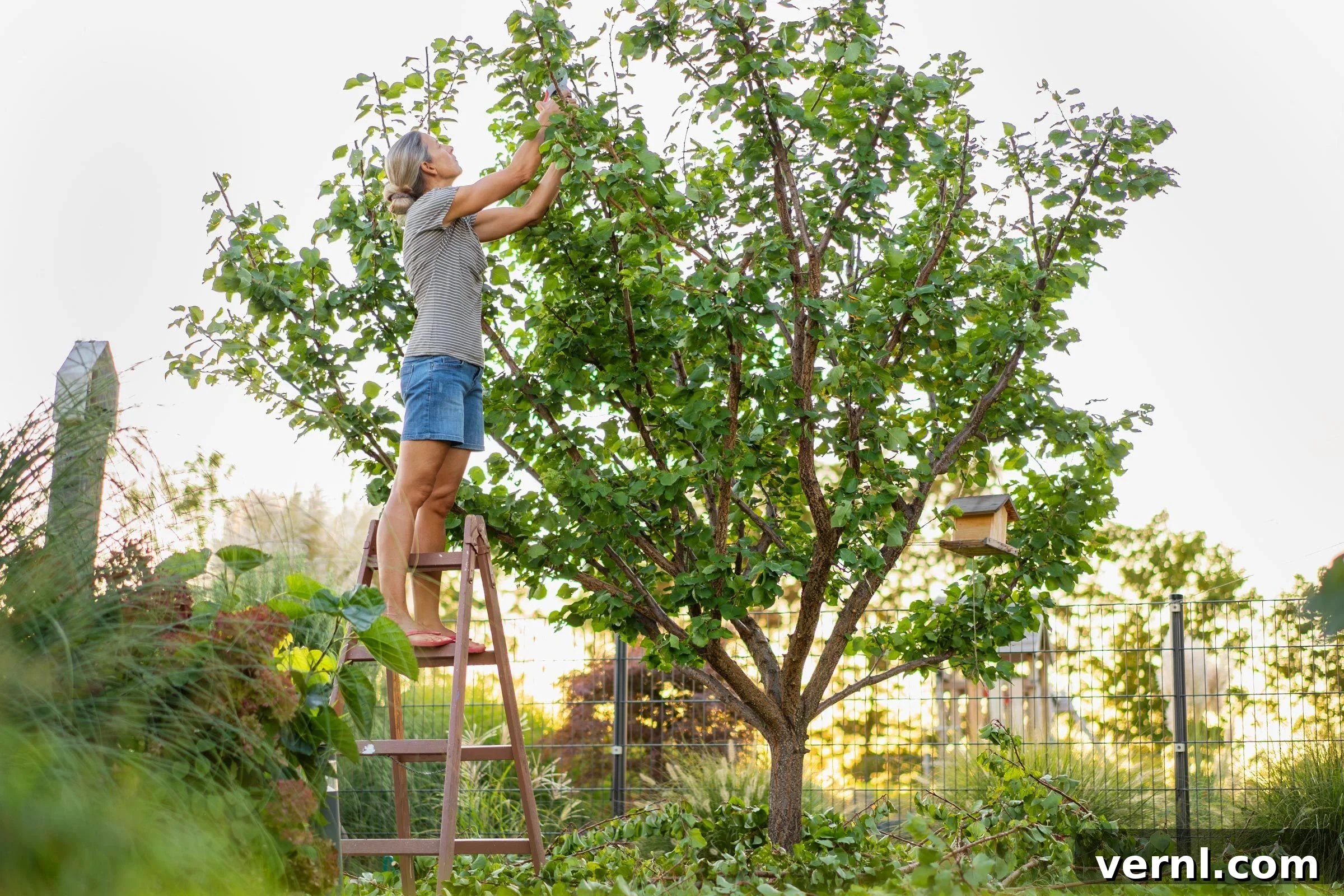
Trees are much more than mere background elements in our landscapes; they are vital, living components that contribute immensely to our environment and well-being. These magnificent sentinels provide shade, clean our air, support local ecosystems, and enhance the aesthetic appeal of our properties. Yet, despite their robust nature, trees require consistent care and attention to thrive, much like the meticulously maintained gardens and lawns surrounding them. Overlooking their needs can lead to diminished vitality, disease, and even premature decline. Investing time and effort in proper tree care is an investment in the beauty, health, and longevity of your outdoor space.
“By performing a few essential tasks, you not only enhance the beauty of your surroundings but also contribute to the well-being of your green companions,” says Kathy Glassey, a senior consultant at Inspire Green. “Your efforts will be rewarded with shade, beauty and a thriving ecosystem in your own backyard.”
While specific tree needs can vary significantly based on species, age, and local climate, most trees follow discernible seasonal cycles. Even in warmer regions, such as the South, where dormancy might be less obvious, trees undergo periods of reduced activity during winter. This consistent seasonal rhythm means that a structured approach to tree care, adapted for different times of the year, is beneficial across diverse geographical locations.
Before delving into seasonal specifics, it’s crucial to understand that personalized advice is invaluable. Factors like soil composition, microclimates, and the presence of local pests can all influence a tree’s health. Consulting a local arborist is highly recommended for tailored guidance on selecting appropriate fertilizers, diagnosing and treating potential diseases or infestations, and addressing any other unique questions or concerns you may have about your specific trees. An arborist can provide expert insights that ensure your trees receive precisely what they need to flourish.
Otherwise, here’s what to know about helping your trees, by season:
Spring Tree Care: Setting the Stage for Growth
Spring marks a period of vigorous growth and renewal for trees, making it the ideal time to establish a strong foundation for their health throughout the year. As temperatures rise and daylight hours extend, trees awaken from their winter slumber, requiring attentive care to support their re-energized development.
“Winter can be tough on trees, so it’s important to inspect them for any damage or disease as soon as the weather warms,” says Travis McDonald, district manager for the Davey Tree office in south Minneapolis, Minnesota. “Look for broken branches, cracks in the trunk and signs of pests or diseases, such as discolored leaves, cankers and holes.”
Beyond a general inspection, spring tree care involves several key practices:
- Pruning for Health and Structure: Spring is an excellent time to address any branches that have been damaged by winter storms or show signs of disease. Carefully prune problematic branches or fronds to encourage healthy new growth, improve the tree’s overall structure, and prevent potential hazards to property or people. Pruning also enhances the tree’s aesthetic appeal and shape. Always use clean, sharp pruning tools to make precise cuts, which helps the tree heal faster and reduces the risk of disease transmission. It’s important to note that fruit trees should generally not be pruned in the spring, as this can reduce the current season’s yield. For other flowering trees, wait until after their bloom cycle has completed to avoid removing nascent flowers.
- Strategic Watering: In dry climates or regions experiencing early season droughts, consistent watering is crucial, especially for newly planted trees and evergreens. A slow, deep watering method is preferred over frequent shallow applications. This encourages roots to grow deeper into the soil, seeking moisture, which leads to a more robust and drought-resistant root system. Aim to saturate the soil several inches deep, allowing it to dry out slightly between waterings.
- Mulch Application: Applying an organic mulch layer around the base of your trees is a highly beneficial practice. A two to three-inch layer of organic material like wood chips or shredded bark helps retain soil moisture, regulates soil temperature by insulating roots, and effectively suppresses weed growth that competes for nutrients. When applying mulch, create a “donut” shape, leaving a few inches of space directly around the trunk. Piling mulch against the trunk, often called “volcano mulching,” can trap moisture, promote rot, and invite pests. You should always be able to see the tree’s root flare, where the trunk widens at the soil line.
- Nutrient Supplementation: As trees become actively engaged in growth during spring, they benefit from nutrient supplementation. This is an opportune time to add soil amendments and organic matter to replenish depleted nutrients. Choose a balanced, slow-release fertilizer specifically formulated for trees. This type of fertilizer provides a steady supply of nutrients over an extended period, preventing overfeeding and promoting sustained, healthy development. Always follow product instructions carefully.
- Pest and Disease Vigilance: With warmer temperatures, pests and diseases become active. Early detection and intervention are paramount to preventing widespread damage. Regularly inspect your trees for common signs of infestation or illness, such as discolored leaves, unusual growths (cankers), holes in foliage or bark, or the presence of visible pests. If you suspect a problem, promptly contact a certified arborist for accurate diagnosis and advice on appropriate treatments or other courses of action.
- New Tree Planting: Spring, after the last frost, is an excellent time to plant new trees. Choose species appropriate for your local climate and ensure the chosen location provides adequate space for the tree to reach its mature size without interfering with structures, power lines, or other plants. Proper planting techniques, including digging a wide hole and ensuring the root collar is at grade, are essential for successful establishment.
Summer Tree Care: Managing Heat and Hydration
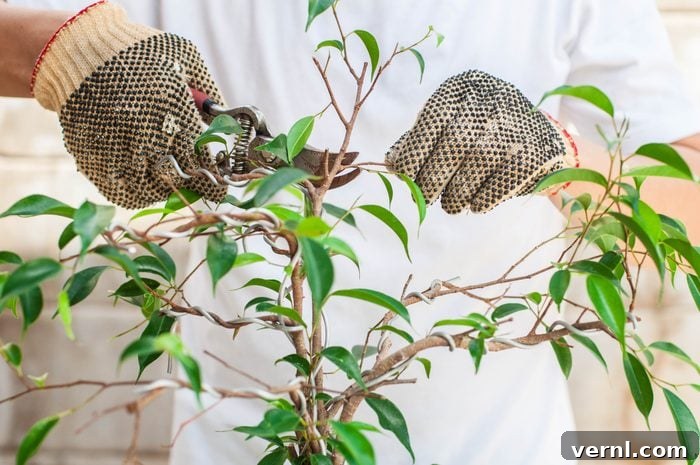
Summer brings abundant sunshine and warmth, which are vital for tree growth, but these conditions also present unique challenges, particularly concerning hydration and heat stress. Much of your summer tree care will depend on the natural precipitation your region receives and the establishment level of your trees.
- Deep and Consistent Watering: In dry climates, consistent deep watering remains the most critical task during summer, especially for young and newly planted trees. The frequency of watering will vary significantly by location, soil type, and tree species, but in arid regions, it might be necessary once a week or even more frequently. Monitor your trees for signs of drought and stress, such as wilting leaves, yellowing foliage, or leaves curling inward. To minimize evaporation, aim to water during the early morning or late afternoon hours. Avoid watering directly at the trunk; instead, irrigate the area extending from a few feet out from the trunk to the tree’s canopy’s drip line – the outermost edge of the tree’s foliage, or the circumference to where it sheds rain. This encourages the roots to spread outwards, forming a stronger base.
- Minimal Pruning: While light pruning and deadheading (removing spent flowers) are generally acceptable, extensive warm-weather pruning can significantly stress trees. Heavy pruning during the growing season forces the tree to expend energy on healing wounds rather than on essential growth and can make it more susceptible to disease and insect infestations. It is particularly important to avoid pruning oak, elm, and fruit and nut-bearing trees when they are not dormant, unless a branch poses an immediate safety hazard. These species are especially vulnerable to disease entry through fresh cuts during warm months.
- Sunburn Protection: For young trees, especially those with thin bark or recently transplanted trees, intense summer sun can cause sunburn. Consider using tree wraps or painting the trunk with a diluted white latex paint (specifically formulated for trees) to reflect sunlight and prevent bark damage.
Fall Tree Care: Preparing for Winter’s Embrace
Fall is a pivotal time for tree care, as your efforts now will directly impact their health and vitality come springtime. Preparing your trees adequately for the colder months ensures they have the necessary resources and protection to endure winter’s challenges.
- Deep Watering for Winter Storage: Continue to water your trees deeply throughout the fall, particularly evergreen species, to ensure they have enough moisture stored in their tissues and the surrounding soil to last through the winter. This is especially important before the ground freezes solid. However, as temperatures drop, it’s acceptable to allow the top few inches of soil to dry out between waterings. Cease watering once the ground consistently freezes, as the tree can no longer absorb water from frozen soil.
- Leaf Litter Management: While often seen as a chore, leaving a moderate layer of leaves (two to three inches deep) under your trees can act as a natural mulch. This organic layer insulates roots from fluctuating temperatures, provides valuable habitat and food for beneficial pollinators and larvae, and offers nesting material for birds. It mimics the natural forest floor ecosystem. However, more than two to three inches of compacted leaves can become problematic, potentially holding too much moisture, creating anaerobic conditions, and fostering disease. If you observe any indications of disease on your tree’s foliage, it’s best to remove all leaves from the base to prevent overwintering pathogens. Excess leaves can be composted or repurposed into leaf piles elsewhere in your yard to support the broader ecosystem.
- Targeted Pruning: Fall, once deciduous trees have shed their leaves, is an ideal time for specific pruning tasks. With the canopy open, it becomes much easier to identify and remove dead, diseased, or damaged branches. This prevents the spread of disease, removes potential hazards, and encourages vigorous new growth in the spring. Ensuring a clear, healthy structure before winter helps trees withstand heavy snow and ice loads.
- Nutrient Replenishment: Adding soil amendments, such as a slow-release fertilizer specifically designed for trees, in the fall can be highly beneficial. This helps trees store essential nutrients in their roots and other tissues over the winter, providing a vital energy reserve that promotes healthy growth and bud break in the spring. The slow release ensures a steady uptake before the ground freezes.
- Winter Protection for Vulnerable Trees: For young trees or those near the edges of their USDA Hardiness Zone, proactive winter protection is crucial. Wrapping the trunk with burlap or specialized tree wrap can significantly minimize winter frost cracking, a common issue where extreme temperature fluctuations cause the bark to freeze, expand, and split open. This protection also helps prevent sunscald on sunny winter days. Damaged trees also benefit from this protective measure.
- Pest and Disease Inspection: Conduct a thorough inspection of your trees for signs of pests or diseases that might overwinter. Addressing these issues in the fall can prevent infestations from worsening over the dormant season and reduce the pest pressure come spring. Look for egg masses, cocoons, or any unusual growths.
Winter Tree Care: Supporting Dormancy and Resilience
In most climates, winter marks a period of dormancy for trees, a time when their metabolic activity slows down considerably. This dormant phase makes winter an especially ideal time for certain types of tree care, particularly pruning deciduous species. With the absence of leaves, the tree’s structure is fully visible, allowing for precise and effective pruning that reduces the risk of branches breaking under the weight of heavy snow and ice.
Additional winter tree care practices include:
- Wildlife Protection: Young, vulnerable trees can be an attractive food source for various wildlife during lean winter months. Animals like rabbits and deer often feed on tender twigs and bark when other food is scarce. To protect your trees, use plastic guards or specialized tree wraps around the lower trunk. These physical barriers prevent gnawing damage that can girdle a young tree and inhibit its ability to transport nutrients.
- De-icing Salt Alternatives: De-icing salts commonly used on sidewalks and driveways can be highly detrimental to tree roots. As these salts leach into the soil, they can cause dehydration, nutrient imbalances, and even root death. Whenever possible, avoid using de-icing salts near your trees. Instead, opt for environmentally friendly alternatives like sand for traction or calcium chloride, which is generally less harmful to plants than sodium chloride, but still should be used sparingly.
- Judicious Winter Watering: While trees are dormant, they still require some moisture, especially evergreens which continue to transpire through their needles. However, it’s crucial to avoid watering trees when temperatures are at or below freezing, as this can lead to ice formation around the roots and potential damage. In periods of prolonged dry spells during winter (when the ground isn’t frozen), a light, slow watering on a warmer day can be beneficial for evergreens. You can also periodically mist evergreens on mild winter days to help them retain moisture and slow down the rate of evaporation from their foliage.
- Regular Inspections for Cold Stress and Pests: Despite dormancy, trees are not immune to winter damage. Regularly inspect your trees for signs of cold-related stress, such as cracks, splits, or peeling bark, which can indicate frost damage or sunscald. Also, look for signs of overwintering pests or disease indicators that might have been missed in the fall. Early detection of issues like scale insects or fungal cankers can allow for timely intervention once spring arrives.
- Snow and Ice Management: Heavy accumulations of snow and ice can put immense strain on tree branches, leading to breakage. If snow is dry and powdery, you can gently shake branches or brush the snow away with a broom to relieve the weight. However, exercise extreme caution when dealing with branches coated in ice. Ice-laden branches are extremely brittle and attempting to shake them or knock off the ice can cause them to snap, potentially causing more damage to the tree and posing a safety risk. It’s often best to let the ice melt naturally unless a branch is clearly posing an immediate hazard.
Consistent, season-appropriate tree care is a commitment that yields significant rewards. By understanding and addressing the unique needs of your trees throughout the year, you ensure their vitality, enhance the beauty of your landscape, and contribute to a healthier, more resilient environment. Your dedication to their well-being will be repaid with decades of shade, beauty, and ecological benefits.