
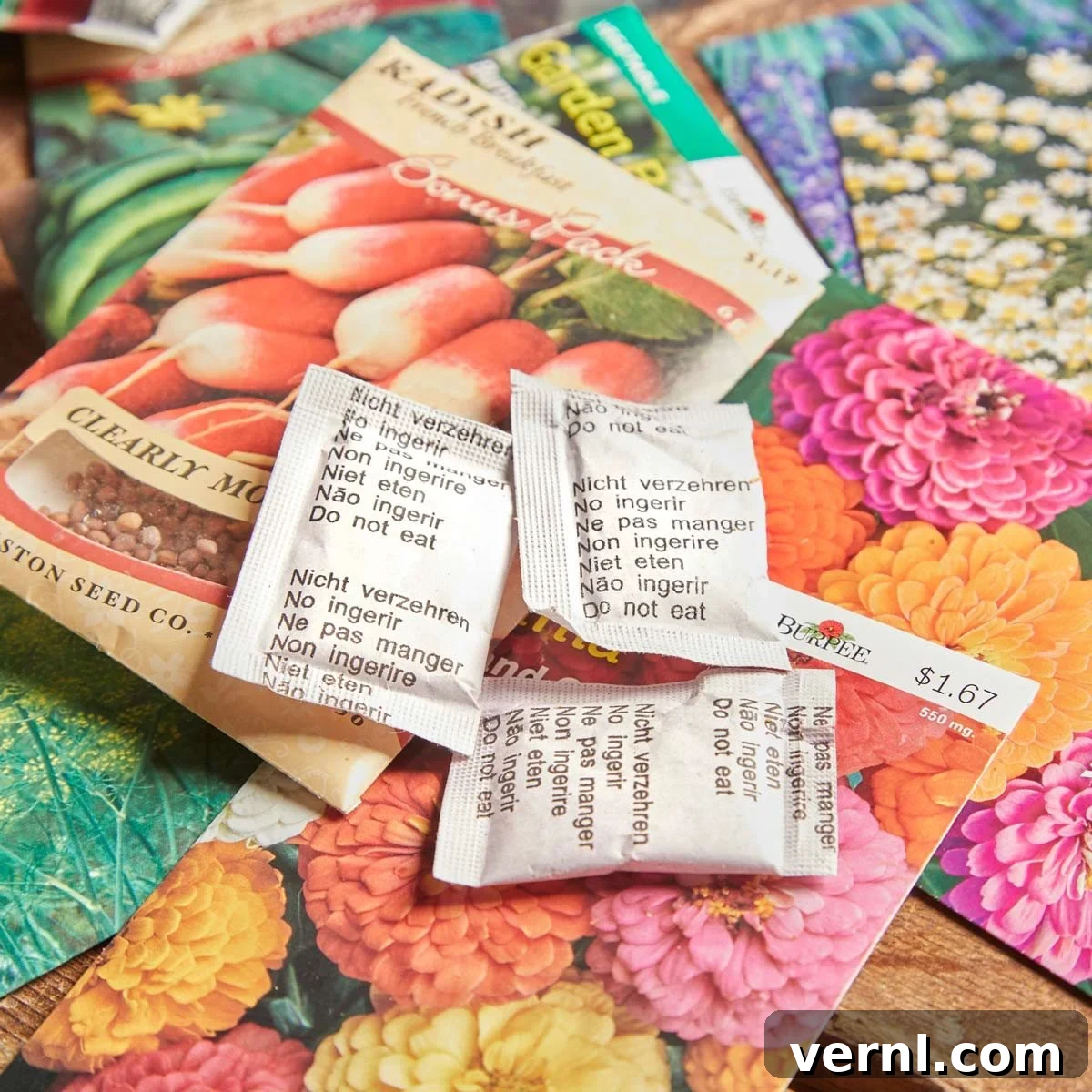
As the days grow longer and the last vestiges of winter fade, a vibrant craving takes hold for the crisp sweetness of fresh beans, the juicy ripeness of homegrown tomatoes, and the cheerful burst of brightly colored flowers. For many, this seasonal shift ignites the passionate call of planting season, prompting a visit to the local garden center for fresh seed packets. However, an equally common scenario involves rummaging through last year’s leftover seeds, a flicker of hope mixed with uncertainty: are they still good? Don’t rush to discard them just yet! The good news is that many seeds possess a remarkable longevity, and there are simple, effective ways to determine their viability, saving you money and preventing unnecessary waste.
While your seed packets might feature an expiration date, it’s crucial to understand that these dates serve merely as rough guidelines. Our team of gardening experts emphasizes that the true lifespan of seeds is a complex interplay of the specific variety and, most importantly, how meticulously they have been stored. Understanding these factors is key to unlocking a world of successful gardening, allowing you to maximize your current seed collection and plan for future bountiful harvests.
How Long Do Seeds Last and Can I Plant Last Year’s Seeds?
The lifespan of seeds is one of the most frequently asked questions among gardeners, and the answer, while varied, is generally encouraging. Most vegetable seeds retain their viability well past their printed expiration dates, provided they are stored under optimal conditions: cool, dry, and shielded from direct sunlight. Many reputable seed sellers confidently guarantee their seeds for at least two years after purchase, a testament to their inherent robustness. In fact, a significant number of common garden seeds can remain viable for an impressive three to five years, though this timeframe can fluctuate considerably depending on the specific plant variety.
To put this into perspective, some seeds are known for their relatively short shelf life. Varieties such as lettuce, peppers, parsnips, and onions are best planted within a year or two of purchase to ensure the highest germination rates. These seeds often contain higher oil content or possess thinner seed coats, making them more susceptible to degradation over time. On the other end of the spectrum, certain seeds are veritable long-distance runners in the world of seed storage. Corn and beans, for instance, are renowned for their excellent long-term storage capabilities. Randel Agrella, a seasoned seed expert with years of experience, proudly states, “I’ve had them last for 10 years.” This remarkable longevity is often attributed to their robust seed coats and lower moisture content when properly dried.
Beyond these general categories, it’s worth noting that some seeds, like those from the Brassica family (cabbage, broccoli, kale), often maintain good viability for 3-4 years. Tomatoes and cucumbers can also be surprisingly long-lived, often germinating well even after 5 years if kept correctly. Understanding these varietal differences empowers you to prioritize which seeds to plant sooner and which ones can be safely tucked away for future seasons, ensuring you never waste precious gardening resources.
How Do I Test Seed Viability? The Germination Test
Before committing your precious garden space to seeds that may not sprout, performing a simple germination test is an invaluable step. This not only saves time and effort but also prevents potential disappointment. The most common and reliable method is the damp paper towel test. To begin, gather a paper coffee filter or a standard paper towel. Lightly dampen it with water, then squeeze it thoroughly to remove any excess moisture; it should be damp, not dripping wet or soggy. Excessive moisture can lead to mold and prevent proper respiration, hindering germination.
Next, carefully place five to ten test seeds evenly spaced on one half of the damp paper towel. These seeds should be a representative sample from the packet you wish to test. Fold the other half of the paper towel over the seeds, creating a neat packet. To maintain consistent moisture and temperature, gently slide this folded paper towel into a plastic storage bag or a sealed container. Label the bag clearly with the seed type and the date you started the test – this is crucial for tracking progress. Place the sealed container in an environment that mimics the ideal germination conditions for your specific seeds.
Viable seeds should begin to germinate within roughly six to ten days. However, always refer to the specific timeframe listed on each seed packet, as germination periods can vary significantly between species. For general guidance, you can also consult reliable resources like The Old Farmer’s Almanac, which offers detailed vegetable growing guides. When observing the seeds, look for the emergence of a small root (radicle) and, subsequently, tiny shoots. A good germination rate means most of your tested seeds sprout, indicating that the rest of the packet is likely viable and ready for planting.
Tailoring Conditions for Optimal Germination
Different plants have varying temperature requirements for successful germination. Cold-tolerant plants, such as peas, most leafy greens (spinach, kale), and crops from the cabbage family (broccoli, cabbage), prefer cooler temperatures, typically germinating well between 55 to 65 degrees Fahrenheit (13 to 18 degrees Celsius). In contrast, heat-loving crops like tomatoes, cucumbers, squash, peppers, and eggplants demand warmer conditions, often requiring temperatures closer to 70 degrees Fahrenheit (21 degrees Celsius) or even slightly higher to break dormancy effectively.
When conducting your indoor germination test, strive to replicate these ideal temperature ranges. For seeds needing extra warmth, you can place their sealed containers near a warm lamp (ensuring it doesn’t overheat them) or in a consistently warm spot in your kitchen, such as on top of a refrigerator or near a warm appliance. For serious gardeners or those planning extensive seed starting, specialized heating mats are an excellent investment. These mats are designed to sit beneath seed-starting trays, providing gentle, consistent warmth from below, which significantly boosts germination rates for many heat-loving varieties once you have confirmed your seeds are viable and ready for planting.
The Quick Alternative: Water Float Test
For those eager to get a tray of seedlings started without the wait of the paper towel test, a quick alternative is the water float test. Simply drop a few seeds into a glass of water. The principle behind this test is density: viable seeds are generally denser and will sink to the bottom. If they float, it often indicates they are empty, damaged, or too dry internally, making them unlikely to germinate, and you should toss them. While this test offers a rapid assessment, it’s important to understand its limitations. It’s not as foolproof as the paper towel method, as some perfectly viable seeds might float due to air pockets or specific seed structures, while some non-viable seeds might sink if they retain enough density. If your test yields a mix of floating and sinking seeds, or if you’re using seeds that are borderline viable, you can still give them a try, but be sure to plant extra seeds to compensate for a potentially diminished germination rate and lower overall yield.
How Do I Keep Seeds Longer? Advanced Storage Techniques
Extending the life of your garden seeds beyond a single season is entirely achievable with proper storage, allowing you to save money and maintain a diverse collection. Most seeds will remain viable for a couple of seasons if simply kept in a cool, dry place, away from direct sunlight and significant temperature fluctuations. However, for truly long-term storage – preserving seeds for many years, sometimes even decades – more rigorous methods are required. “For longer-term storage, I steer [gardeners] to freezer storage,” advises seed expert Randel Agrella.
The key to successful long-term seed storage lies in minimizing the factors that degrade seed viability: moisture, heat, and light. A freezer provides an exceptionally stable environment. Specifically, a less frequently opened chest freezer is often superior to a standard refrigerator because it maintains a much lower and more consistent temperature, and crucially, it stays significantly dryer. Refrigerators, with their constant opening and closing and the presence of fresh produce, tend to have higher humidity levels, which can be detrimental to seed longevity.
When preparing seeds for freezer storage, proper packaging is paramount. Place your thoroughly dried seeds in a glass jar with a tight-fitting screw top or a lid equipped with a rubber gasket. Glass provides an excellent barrier against moisture and odors. Avoid using standard plastic freezer bags for very long-term storage, as they can sometimes allow minute amounts of condensation to penetrate or gas exchange to occur, which can compromise the seeds’ viability over extended periods. For best results, consider placing smaller, individually labeled paper packets of seeds inside a larger airtight container, such as a glass jar, before freezing. This layered approach adds an extra layer of protection and makes organization easier. When retrieving seeds from the freezer, allow them to come to room temperature slowly within their sealed container before opening to prevent condensation from forming on the seeds themselves, which could reintroduce moisture.
What About Grass Seed?
Just like vegetable and flower seeds, the longevity of grass seed is primarily determined by its specific variety and the quality of its storage. As gardening and seed expert Phil Kauth explains, “how long grass seed stays viable depends on the variety of seed and how well it’s stored.” Generally, if kept in a cool, dry environment and protected from common threats like rodents and insects, grass seed can remain viable for three to five years. These pests can quickly spoil a large bag of seed, making protective measures essential.
Given that grass seed is often purchased in larger quantities, its storage presents slightly different challenges. It’s impractical to store several pounds of grass seed in glass jars. Instead, invest in a sturdy, tightly sealed storage container or bin specifically designed for bulk storage. These containers are often made of durable plastic or metal and come with airtight lids, providing a robust barrier against moisture, pests, and air circulation. Always ensure the original bag of grass seed is tightly sealed within this larger container to offer an additional layer of protection and to keep track of variety and expiration dates.
How About Flower Seeds?
The good news for ornamental gardeners is that flower seeds generally follow the same rules as vegetable seeds when it comes to storage and viability testing. To maximize their lifespan, treat them with the same care: keep them in a cool, dry, and dark environment for short-term storage, and consider the freezer for long-term preservation of cherished or rare varieties. When in doubt about older flower seeds, always utilize the damp paper towel method to test their germination rate, just as you would for your vegetable seeds.
It is particularly important to keep flower seeds in their original packets. These packets contain vital information, including the specific temperature and amount of time needed for germination, along with any unique planting instructions. Many flower seeds have specific requirements that differ from typical vegetable seeds. For example, some varieties possess hard outer shells that inhibit germination and may require pre-treatment. Seeds from plants like nasturtiums, morning glory, and moonflower often benefit greatly from a 24-hour pre-soaking in warm water before planting. Other flower seeds might require stratification (a period of cold exposure to mimic winter conditions) or scarification (physically breaking the seed coat) to encourage sprouting. Without the original packet, you might miss these crucial details, leading to failed germination and wasted effort. Always label any transferred seeds with as much detail as possible to ensure success.
Look for Seed Swaps
Engaging in seed swaps is a fantastic strategy for gardeners who wish to experiment with a wide array of vegetable or flower varieties without accumulating a large surplus of leftover seeds. This practice encourages community, reduces waste, and often provides access to unique and diverse plant genetics. Sharing seed packets or trading with neighbors, friends, and fellow gardening enthusiasts is an excellent way to diversify your garden without the financial outlay of buying many full packets. You might discover rare heirloom varieties, seeds perfectly suited to your local climate, or even exotic plants you wouldn’t typically find in commercial stores.
Local garden clubs and community gardening initiatives are often vibrant hubs for seed swaps. These groups provide an invaluable resource for connecting with experienced gardeners who can share their knowledge, offer hard-to-find seeds, especially heirloom varieties, or provide access to seeds that are in high demand or currently back-ordered from commercial suppliers. Participation in seed swaps not only enriches your garden but also fosters a strong sense of community and shared passion among gardeners, promoting biodiversity and sustainable practices.
FAQs
What seeds last the longest?
The longevity of seeds varies significantly. Gardening expert Sara Rubens notes, “Some seeds like tomatoes, cucumbers, and melons can remain viable for 5–10 years if stored properly in a cool, dry place.” These seeds often have robust protective coatings and can enter a deep dormancy. Conversely, “While others like onions and parsley lose viability quickly and should be used within a year or two,” due to their more delicate nature and composition. Generally, seeds with hard outer shells and lower oil content tend to store better for longer periods.
Can I revive old seeds?
While you can’t truly “revive” a dead seed, old seeds that have been stored well can sometimes still be viable, even if their germination rate has decreased. As Rubens explains, “doing a germination test—placing a few seeds in a damp paper towel and watching for sprouts—is the best way to check viability.” If some seeds sprout, you can still plant the rest of the packet, but be prepared to plant a higher density of seeds to achieve your desired number of plants, as fewer might germinate. Good storage conditions are crucial for preserving their dormant life.
What causes seeds to lose viability?
Seeds primarily lose viability due to improper storage conditions. The main culprits are excessive heat, high moisture, and exposure to light. Heat accelerates the metabolic processes within the dormant seed, using up its stored energy reserves. Moisture can trigger premature germination or encourage fungal growth, rotting the seed. Light, particularly UV radiation, can degrade the sensitive compounds within the seed. Additionally, physical damage, pest infestations, and simply extreme old age will also lead to a decline in viability.
About the Experts
- Sara Rubens is the founder of Seed to Sanctuary, a thriving garden company based in North Carolina. Her company specializes in crafting beautiful and productive year-round food sanctuaries, offering custom garden designs and empowering clients to grow their own food with confidence and success.
- Randel Agrella serves as a senior horticulturalist at Missouri-based Baker Creek Heirloom Seed Company. Known for its extensive collection, Baker Creek offers more than 1,200 varieties of rare and heirloom seeds, reflecting Agrella’s deep expertise in seed preservation and cultivation.
- Phil Kauth is the esteemed director of preservation at Iowa-based Seed Savers Exchange. This non-profit organization is dedicated to preserving and sharing heirloom seeds, offering about 600 varieties to the public. Seed Savers Exchange also facilitates a remarkable gardener-to-gardener seed exchange program, providing access to up to 5,000 rarer and more unique varieties, making him a leading authority in seed conservation.