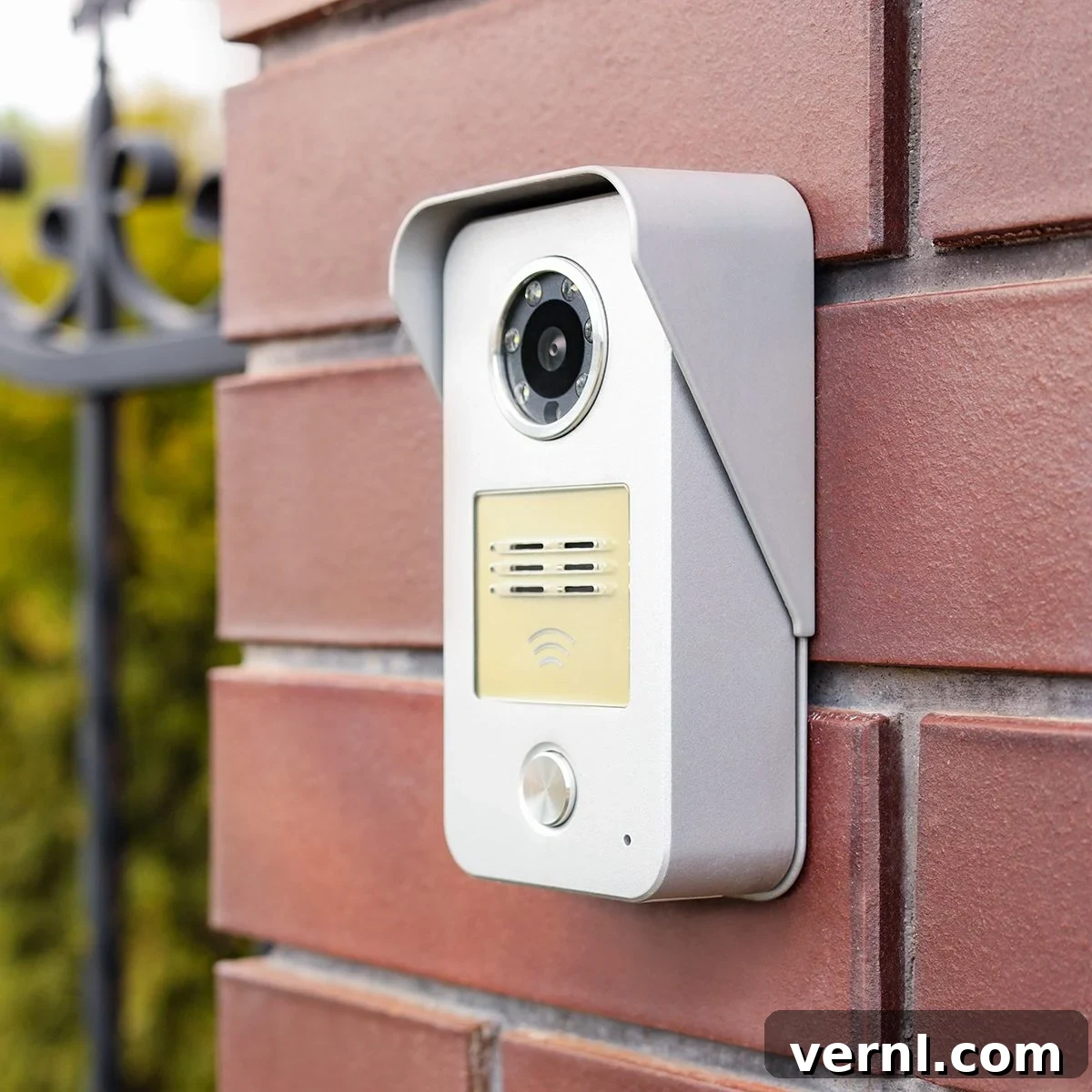
Video Doorbell Footage: Navigating the Legal Landscape
Video doorbells have become increasingly popular, offering homeowners a sense of security and peace of mind. Whether you own one or know someone who does, it’s crucial to understand the laws surrounding video doorbell footage. Protecting your property is essential, but it’s equally important to avoid unintentionally breaking the law.
This article delves into the legality of filming and storing video doorbell footage, focusing on key aspects like storage duration, the permissibility of sharing footage, and potential legal risks. We’ve consulted with legal experts specializing in data privacy and breach cases across the United States to provide you with valuable insights. While this information serves as a solid foundation, we strongly advise consulting with a qualified attorney in your area before installing a video doorbell or sharing any recorded footage. This personalized legal advice will ensure you’re fully compliant with local regulations and protect your rights.
The Legality of Filming and Storing Doorbell Footage
The legality of filming and storing video doorbell footage hinges on several factors, primarily location, what you’re filming, and the specific state laws where you reside. For instance, in Florida, homeowners generally have the right to film the exterior of their property, including the front yard and street. Hugo Rodriguez, Esq., partner at Claims Advocacy Center, a law firm licensed in Florida, Michigan, and Missouri, explains, “There is no law that would prohibit a homeowner from filming the front of their property if the camera records the exterior, such as front yard and street – areas in which persons have no expectation of privacy.”
However, the situation changes dramatically if your camera captures areas where individuals have a reasonable expectation of privacy, such as the inside of a neighbor’s house through a window. Recording such footage would likely be illegal. “However, if your camera has the capability to film the inside of your neighbor’s house through a window where privacy is expected, that would not be legal,” Rodriguez emphasizes.
Furthermore, the presence of audio recording adds another layer of legal complexity. Rodriguez points out that recording conversations can be problematic if the individuals involved intended their conversation to be private. “Recording a conversation of two people close to each other may raise the question of whether their conversation was intended to be private,” he explains. In Florida, obtaining consent from all parties involved is mandatory before recording their conversation. Recording someone’s conversation without their consent constitutes a felony.
Robin D. Perry, Esq., an attorney and managing partner at Perry & Associates in Long Beach, California, advises against recording private conversations in which you are not a participant. “Most states only require the consent of one person being recorded,” Perry notes, “A few, including California, where I primarily practice, require everyone’s consent if the conversation is considered private.” Therefore, understanding the specific consent laws in your state is paramount.
Video Doorbell Footage Storage: How Long Can You Keep It?
Assuming your video doorbell footage was legally obtained, there are generally no legal requirements dictating a specific timeframe for storage or deletion. However, it’s prudent to verify local regulations to ensure compliance. While no strict time limits might exist, responsible data management practices are always recommended. Regularly reviewing and deleting old footage can minimize potential privacy concerns and free up storage space.
Sharing Video Doorbell Footage: Navigating the Legal Minefield
Sharing video doorbell footage requires careful consideration, as its legality depends on how and where the footage is shared. Perry cautions, “If you share videos online, especially if someone is clearly identified, be careful not to make assumptions or accusations. That can open the door to claims of defamation or invasion of privacy.” Before posting any footage online, consider the potential impact on the individuals captured.
Videos become particularly sensitive when subjects are easily identifiable and audible. Ensure that you’re not sharing footage that was unlawfully obtained or contains conversations that were intended to be private. Ignorance of the law is not a valid defense; even if you were unaware that your recording was illegal, the content’s illegality remains. Prioritize ethical considerations and respect for individual privacy.
As a general rule, it’s best to avoid sharing video doorbell footage on social media. Instead, if you have any concerns or suspect illegal activity, provide the footage to law enforcement. This approach minimizes the risk of violating privacy laws and ensures that any potential legal issues are handled appropriately.
Potential Risks of Sharing Video Doorbell Footage
While the temptation to share video doorbell footage might be strong, several risks warrant careful consideration.
Civil Lawsuits: A Potential Legal Headaches
Even if you meticulously adhere to video doorbell footage laws, Rodriguez points out that individuals captured in your videos can still file a civil lawsuit against you. “A civil lawsuit can be filed by anyone, even if the evidence shows that there was no violation. Embarrassment and other motives can lead a person to file suit,” he explains. Defending against a civil lawsuit, even if ultimately successful, can be costly and time-consuming. Therefore, minimizing the potential for such actions is crucial.
Housing Agreements: Watch Out for Fine Print
Even if you don’t technically violate any specific video doorbell footage laws, reviewing the fine print of your leasing agreement or Homeowners Association (HOA) rules is essential. These agreements may contain restrictions on surveillance equipment or the sharing of footage. Violating these agreements can lead to fines, legal action, or other penalties. Always ensure compliance with all applicable housing regulations.
Social Media Repercussions: The Unpredictable Nature of Virality
Sharing video doorbell footage on social media can seem harmless, but the potential for virality and unintended consequences is significant. Rodriguez warns that if a video reaches a large and unintended audience, it could lead to defamation lawsuits, particularly if an individual believes they are not being accurately depicted. The internet’s reach is vast and unpredictable, making it crucial to exercise caution and prioritize responsible sharing practices.
Furthermore, consider how others might use or manipulate your video after it’s been shared. Online content can be easily altered, taken out of context, or used for malicious purposes. Protecting your footage from unauthorized use is vital to prevent potential harm to yourself and others.
Key Takeaways for Responsible Video Doorbell Usage
Using a video doorbell responsibly requires a proactive approach to understanding and adhering to the law. Here’s a recap of key considerations:
- Know Your State’s Laws: Research the specific laws regarding video and audio recording in your state. Pay close attention to consent requirements and privacy regulations.
- Respect Privacy Expectations: Avoid filming areas where individuals have a reasonable expectation of privacy, such as inside neighboring homes or private conversations.
- Obtain Consent When Required: If your state requires consent for audio recording, ensure you obtain it from all parties involved before recording their conversations.
- Secure Your Footage: Implement strong security measures to protect your video doorbell footage from unauthorized access or hacking.
- Review and Delete Regularly: Regularly review and delete old footage to minimize storage and privacy risks.
- Think Before Sharing: Exercise extreme caution when sharing video doorbell footage. Consider the potential legal and ethical implications before posting anything online.
- Consult with an Attorney: Seek legal advice from a qualified attorney in your area to ensure you’re fully compliant with local regulations.
By following these guidelines, you can enjoy the benefits of a video doorbell while minimizing the risk of legal issues and protecting the privacy of others. Remember, responsible use is key to ensuring a safe and secure environment for everyone.
About the Experts
- Hugo Rodriguez, Esq., is a partner at Claims Advocacy Center, a law firm licensed in Florida, Michigan, and Missouri.
- Robin D. Perry, Esq., is an attorney and managing partner at Perry & Associates in Long Beach, California. His work largely focuses on litigation and legal disputes that involve data privacy, data breaches, and complex civil matters.