
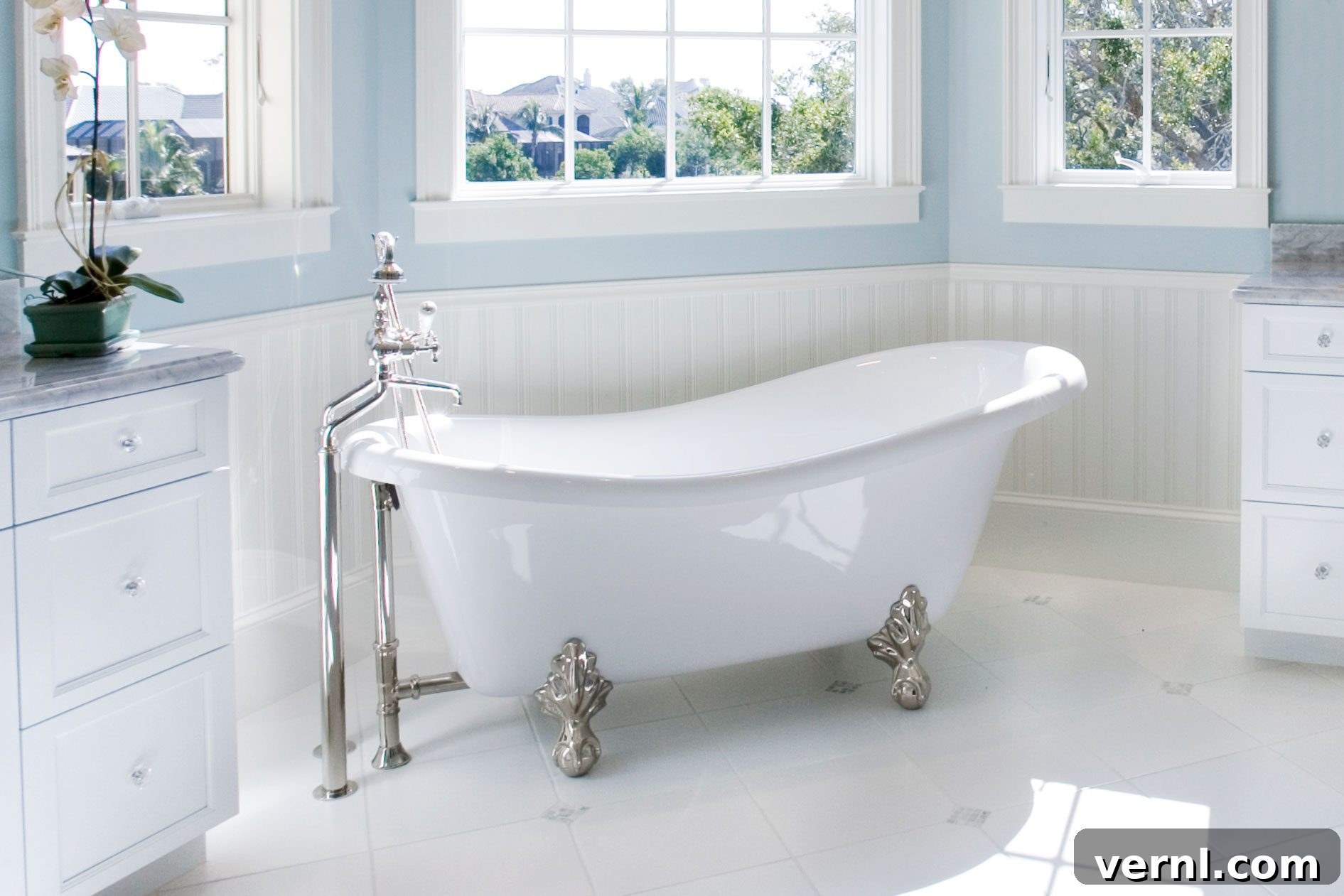
The Timeless Allure of Slipper Tubs: A Guide to Elegant Bathing
Step into a world where bathing transcends a mere routine and becomes an indulgent ritual. While modern bathrooms often prioritize efficiency, there’s a growing desire to transform these functional spaces into serene, spa-like sanctuaries. This yearning for elegance and comfort has paved the way for the remarkable resurgence of the slipper tub – a bathing option that beautifully blends historical charm with contemporary luxury. Its unique design, rooted in a bygone era, offers an unparalleled blend of ergonomic comfort and sophisticated aesthetics, making it a highly coveted feature in discerning homes today.
A Nod to History: The Resurgence of Slipper Tubs
The origins of the elegant bathing option we know as the slipper tub can be traced back to the Victorian Era, a period famously marked by a burgeoning interest in personal cleanliness and refined domestic living. Public bathhouses of that time were grand affairs, often featuring luxurious freestanding tubs, with the traditional-style slipper tub standing out as a prime example of opulent design. Its distinctive name perfectly describes its form: with one end gracefully elevated, the tub strikingly resembles a woman’s high-heeled slipper. This thoughtful design not only offered a sense of privacy to the bather but also promised a level of comfort that was revolutionary for its time, creating a secluded oasis for relaxation.
Slipper tubs, along with other freestanding designs, enjoyed immense popularity across the U.S. for many decades. However, their reign began to wane in the 1920s with the advent of more space-efficient alcove tubs, which quickly became the standard for most American bathrooms due to their practicality and integrated shower capabilities. For generations, alcove tubs dominated the market, relegating the freestanding slipper tub to a niche item. Yet, in recent years, as homeowners increasingly seek to infuse their bathrooms with elegance, character, and a luxurious, spa-like ambiance, the timeless appeal of slipper tubs has once again captivated designers and homeowners alike. They have gracefully slipped back into popularity, reclaiming their rightful place as a symbol of sophisticated bathing.
What Exactly is a Slipper Tub? Defining Bathtub Elegance
At its core, a slipper tub is a distinctive type of freestanding tub. What truly sets it apart from other freestanding models, where sides typically maintain an equal height, is its iconic silhouette. The classic version features one end that is significantly sloped and higher, providing an ergonomic backrest that cradles the bather in ultimate comfort. This unique, lounge-like angle is more than just an aesthetic choice; it’s a deliberate design element crafted for unparalleled relaxation.
“It’s that lounge angle that makes bathing in them such an enjoyable experience,” affirms Brandon Ewers, a seasoned sales consultant with Pirch, a prominent product showroom specializing in bathroom, kitchen, and outdoor spaces located in La Jolla, California. This design encourages a natural, reclined posture, allowing the bather to fully submerge and unwind, transforming a simple bath into a deeply restorative soak. The higher back acts as a natural headrest, supporting the neck and shoulders, making it ideal for extended periods of relaxation with a good book or a glass of wine.
Practical considerations for slipper tubs include plumbing, which is typically situated opposite the sloped, higher end. This strategic placement ensures a clean aesthetic and optimal functionality. Plumbing can be elegantly integrated in various ways: floor-mounted, emerging directly from the floor for a minimalist look; wall-mounted, extending from the bathroom wall; or even deck-mounted, installed onto a surrounding platform for specific designs. While traditional slipper tubs inherently lack integrated showers, they can often be retrofitted with a stylish circular rod and shower curtain, offering versatility without compromising their classic charm. This allows homeowners to enjoy both a luxurious soak and the option of a standing shower, making the slipper tub a versatile addition to any bathroom.
Why Choose a Slipper Tub? Unparalleled Comfort and Style
Beyond their undeniable visual appeal, slipper tubs offer a host of benefits that make them a superior choice for a truly indulgent bathing experience. Their unique design isn’t just for show; it’s engineered for comfort. The high, sloped back supports your body in a way that flat-bottomed tubs simply cannot, allowing you to recline fully and relieve pressure from your back and neck. This ergonomic advantage makes long soaks incredibly comfortable and therapeutic, perfect for unwinding after a stressful day.
Aesthetically, slipper tubs are more than just fixtures; they are focal points. Their graceful curves and elegant lines elevate the entire atmosphere of a bathroom, instantly adding a touch of sophistication and vintage charm. Whether your home style is traditional, transitional, or even modern, a slipper tub can serve as a stunning centerpiece, enhancing the overall design narrative. They create a sense of spaciousness, as they aren’t enclosed by walls like alcove tubs, and their freestanding nature allows for flexible placement, opening up possibilities for unique bathroom layouts. Choosing a slipper tub is an investment in both personal well-being and timeless style, transforming your bathroom into a personal retreat.
Exploring Types and Styles of Slipper Tubs: Customizing Your Spa Experience
The distinctive, curvy profile of the slipper tub is what truly sets it apart from other bathtubs, offering a sculptural element to any bathroom. However, within this elegant category, a diverse range of options exists, allowing homeowners to customize their choice to perfectly match their personal style, spatial requirements, and desired level of luxury. Understanding these variations is key to selecting the ideal slipper tub for your bespoke spa experience.
Single vs. Double Slipper Tubs: Solo Retreat or Shared Luxury
- Single Slipper Tubs: The quintessential single slipper tub, with its single elevated end, embodies the traditional design. It’s perfectly suited for solitary, luxurious soaks, offering a private, cocoon-like experience. The sloped back cradles the bather, providing optimal comfort for an individual to relax and unwind.
- Double Slipper Tubs: For those who desire a more expansive or shared bathing experience, the double slipper tub is an exquisite choice. Sloped at both ends, it provides a symmetrical, graceful aesthetic and allows two people to comfortably soak at the same time, facing each other or simply enjoying the ample space. With double slipper tubs, the plumbing is thoughtfully positioned in the middle of the tub, rather than at one end, maintaining balance and accessibility for both bathers.
Support Systems: Footed, Pedestal, or Modern Outer Shell
- Footed Slipper Tubs: Traditionally, slipper tubs are supported by elegant feet, with the classic claw feet being the most iconic and beloved style. These ornate feet lift the tub off the floor, enhancing its historical appeal and making cleaning beneath it easier. Other foot styles range from ball-and-claw to more contemporary block designs.
- Pedestal Slipper Tubs: An alternative to individual feet, a pedestal base (sometimes referred to as a “plinth”) provides a solid, continuous support structure beneath the tub. This offers a more substantial and often cleaner look, bridging the gap between classic and modern aesthetics.
- Outer Shell Slipper Tubs: For a thoroughly contemporary and seamless appearance, some slipper tubs feature an integrated outer shell that extends directly to the floor. This “flatbottom” design creates a monolithic look, often found in modern and minimalist bathroom schemes, providing strong visual impact without visible supports.
Jetted Slipper Tubs: Elevating Relaxation
- Jetted Options: To truly dial up the spa experience, homeowners can opt for a jetted slipper tub. While less common and generally pricier than their non-jetted counterparts, these tubs incorporate air jets that release streams of bubbles, providing a soothing, hydrotherapeutic massage. This feature adds a layer of luxurious indulgence, turning a simple soak into a rejuvenating spa treatment right in your home.
Material Matters: From Classic Cast Iron to Contemporary Resin
- Various Materials: The material of your slipper tub not only dictates its aesthetic but also its performance, particularly concerning heat retention, durability, and weight.
- Iconic Cast Iron: Revered for its exceptional durability and ability to retain heat for extended periods, cast iron tubs are coated with a thick layer of porcelain enamel, offering a classic, heavy, and robust option. They are significant in weight but provide a truly authentic vintage feel.
- Contemporary Options (Acrylic, Resin): Acrylic tubs are popular for their lightweight nature, affordability, and versatility in design. Resin, particularly solid surface resin, offers a luxurious, smooth, and warm-to-the-touch finish. These bathtub materials are gaining traction for their modern aesthetic and ease of maintenance.
- Upscale Materials (Copper, Solid Surface, Nickel, Stone): For the ultimate statement of luxury, materials like copper offer stunning visual warmth and antimicrobial properties, though they require specific care. Solid surface, nickel, and natural stone tubs provide unique textures, exceptional durability, and outstanding heat retention, albeit at a higher price point.
- Heat Retention: When it comes to retaining heat – a critical factor for a truly relaxing soak – certain materials excel. “Resin that’s made with volcanic ash and other materials offers superior heat retention,” advises Brandon Ewers. He adds, “But you can also add thermal layers to slipper tubs to help retain heat. They work like a heating blanket, so the bottom of the tub gets warm in certain areas.” These layers can significantly enhance the bathing experience by keeping the water warmer for longer.
Sizing Up Your Slipper Tub: Finding the Perfect Fit
- Size Considerations: Slipper tubs come in a wide array of dimensions to accommodate various bathroom sizes and personal preferences. According to Quality Bath, a prominent tub retailer, their lengths can range significantly, extending up to 80 inches for exceptionally spacious models. Widths also vary, reaching up to 67 inches, while depths can be as generous as 36 inches. When selecting a size, consider the available space in your bathroom, the intended user’s height and build, and whether you prefer a snug or more expansive bathing experience. Measure your bathroom carefully, allowing adequate clearance around the tub for cleaning and comfortable access.
Fixtures and Accessories: The Finishing Touches
- Plumbing Fixtures: The choice of plumbing fixtures is crucial for both functionality and aesthetic cohesion. “There are many types and styles of tub plumbing fixtures,” notes Gregg Cantor, CEO of Murray Lampert contractors in San Diego. These include elegant floor-mounted fillers, sleek wall-mounted spouts, and even deck-mounted options for tubs with a surrounding ledge. Finishes range from classic chrome and brushed nickel to antique bronze and matte black, allowing for perfect coordination with your bathroom’s overall design.
- Accessories: To enhance the luxury and convenience of your slipper tub, numerous accessories are available. Manufacturers often offer thoughtful additions such as caddies designed to hold wine glasses, books, tablets, or other reading materials, making for a truly indulgent soak. Cushions and pillows specifically designed for bathtubs can provide additional neck and back support, while bath trays offer a practical surface for soaps, candles, and other essentials, completing the spa-like experience.
Slipper Tub Installation: What You Need to Know
Installing a slipper tub, while sharing many similarities with other freestanding bathtubs, comes with its own set of unique considerations. For those undertaking a bathroom renovation, especially when replacing an existing alcove tub, a significant challenge often involves relocating or modifying the existing plumbing lines. Since slipper tubs are freestanding, they require plumbing to be accessible from the floor or wall, unlike alcove tubs where plumbing is concealed. This may necessitate opening up walls or floors, a task often best left to a professional plumber to ensure proper water supply and drainage connections.
Another crucial factor is the tub’s weight. “Some slipper tubs can be very heavy, especially those crafted from materials like cast iron, solid surface, or natural stone,” emphasizes Brandon Ewers. He reiterates, “For instance, a stone tub can weigh a considerable amount, requiring you to reinforce the flooring beneath to ensure structural integrity and safety.” This is a non-negotiable step for heavier models, preventing potential damage to your home. Consulting a structural engineer or an experienced contractor is highly recommended to assess your floor’s current capacity and determine any necessary reinforcements.
The choice and placement of the tub faucet also demands careful planning. “If the faucet will come from the wall, you have to make sure the spout is long enough to reach comfortably into the tub and positioned at the proper angle to control any splash,” Ewers advises. An improperly placed or sized faucet can lead to inconvenient splashing, wasted water, and an uncomfortable bathing experience. Floor-mounted tub fillers are popular choices for slipper tubs, offering a dramatic visual statement, but they also require precise plumbing rough-ins. Considerations for water pressure and flow rate are also essential to ensure a timely and satisfying tub fill.
Slipper Tubs vs. Other Bathtub Styles
Understanding how slipper tubs stack up against other popular bathtub styles can help you make an informed decision for your home:
- Slipper Tub vs. Alcove Tub: Alcove tubs are built into an existing three-wall enclosure, ideal for smaller bathrooms and shower-tub combinations. Slipper tubs are freestanding, offering more design flexibility and a luxurious aesthetic, but require more floor space and often separate shower solutions.
- Slipper Tub vs. Standard Freestanding Tub: While all slipper tubs are freestanding, not all freestanding tubs are slipper tubs. Standard freestanding tubs typically have equal height sides, offering a more contemporary, geometric look. Slipper tubs are distinguished by their signature high, sloped back, which provides superior ergonomic comfort and a distinctive, classic profile.
- Slipper Tub vs. Drop-in Tub: Drop-in tubs are installed within a custom-built deck or surround, offering a seamless look that integrates with cabinetry or tile work. Slipper tubs, as freestanding units, stand on their own, making a bold statement and offering visual lightness.
Maintaining Your Slipper Tub: Care Tips for Lasting Beauty
To ensure your slipper tub remains a pristine centerpiece for years to come, proper maintenance is key. The cleaning routine will largely depend on the material of your tub. For acrylic and resin tubs, use non-abrasive cleaners and soft cloths to prevent scratching the surface. Mild dish soap and warm water are often sufficient for daily cleaning. Avoid harsh chemicals, as they can dull the finish.
Cast iron tubs with enamel finishes are durable but can chip if struck by heavy objects. Clean them with non-abrasive cleaners specifically designed for enamel surfaces. Copper tubs require special care to maintain their unique patina; generally, mild soap and water are recommended, avoiding abrasive scrubbers that can strip the finish. Always check the manufacturer’s specific cleaning instructions for your particular tub material to ensure its longevity and beauty. Regular cleaning and prompt attention to spills will keep your slipper tub looking its best.
Our Top Slipper Tub Recommendations: Quality for Every Budget
Choosing the right manufacturer is paramount when investing in a slipper tub. According to Brandon Ewers, certain brands consistently deliver exceptional quality across various price points. “They all make very good tubs,” he reassures, simplifying the decision-making process for homeowners looking for reliability and design excellence.
Best Budget-Friendly Slipper Tubs
- Barclay: “Barclay makes the best budget value tubs, and the quality is very good,” notes Ewers. This brand is an excellent starting point for those seeking to introduce the elegance of a slipper tub into their bathroom without a prohibitive cost. Barclay offers a range of styles, often in durable acrylic, providing a balance of classic design, solid construction, and affordability. Prices for Barclay slipper tubs typically range from about $1,000 to $3,000, making luxury accessible.
Mid-Range Slipper Tubs: Quality and Customization
- Hydro Systems: For homeowners looking for more customization and elevated design, “Hydro Systems make semi-customized tubs, like being able to choose an exterior finish,” Ewers explains. Their offerings go beyond basic models, allowing for a degree of personalization that can perfectly match specific bathroom aesthetics. “They have a huge selection, and customization and price is what makes these a great choice,” he adds. Hydro Systems represents a sweet spot for those desiring bespoke touches and enhanced quality, with prices generally running from $3,000 to $5,000.
Luxury Slipper Tubs: The Ultimate Indulgence
- MTI Baths: For the ultimate in luxury and complete design freedom, “MTI Baths are fully customizable tubs and you have multiple options,” says Ewers. This brand specializes in crafting high-end, personalized bathing experiences, allowing clients to specify nearly every detail, from dimensions and features to material finishes. Beyond MTI Baths, Ewers also recommends exploring other premium brands such as Victoria + Albert, known for their elegant designs and proprietary volcanic limestone material; BainUltra, celebrated for their therapeutic air jetted systems; and Wetstyle, recognized for their innovative designs and eco-friendly WETMAR BiO material. These luxury brands offer unparalleled craftsmanship, advanced features, and exquisite materials, with prices ranging from $5,000 to $8,000, catering to those who desire the pinnacle of bathroom indulgence.
Transform Your Bathroom with a Slipper Tub
The journey of selecting a slipper tub is an exciting step towards creating a bathroom that is not just functional, but truly a personal sanctuary. From its historical roots in Victorian elegance to its modern interpretations in various materials and styles, the slipper tub continues to captivate with its unique blend of comfort and aesthetic appeal. Whether you envision a single slipper for a solitary retreat or a double slipper for shared luxury, whether you lean towards the classic charm of claw feet or the sleek lines of a pedestal, there’s a perfect slipper tub waiting to transform your bathing experience. Consider the material that best suits your needs for heat retention and maintenance, and explore the myriad of fixtures and accessories that can elevate your soak to an art form. With careful planning and attention to detail, a slipper tub can turn your bathroom into a lavish, spa-like escape, reflecting timeless style and unparalleled comfort for years to come.