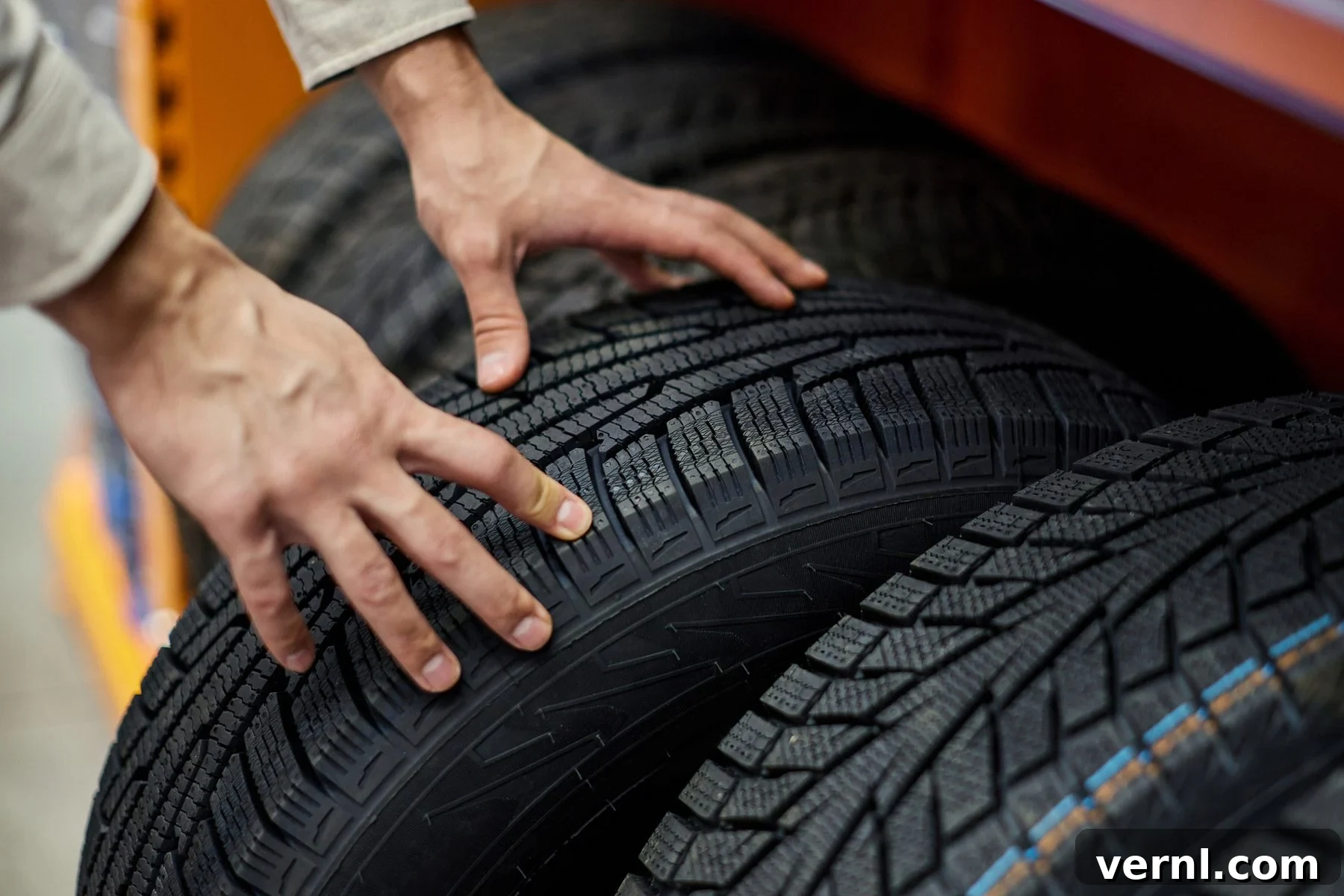
Buying new tires for your vehicle can often feel like navigating a complex maze. The sheer number of options, the intricate ratings, and the diverse tire tread designs can be overwhelming and confusing for even experienced car owners. Furthermore, tires represent a significant investment—they are, without a doubt, expensive. However, with the right information and a clear understanding of your priorities, you can transform this daunting task into a confident decision-making process. This comprehensive guide will arm you with essential tips on how to pick the perfect tires for your vehicle, help you avoid common tire-buying pitfalls, and ultimately make you a more informed consumer. While you will still need to allocate a budget for new tires, you’ll complete the process feeling less intimidated and more assured that you’ve made the best choice for your safety and driving pleasure.
Prioritizing Original Equipment Specifications
One of the most frequent misconceptions drivers have is assuming that the type of tires currently on their car are the correct ones or the ideal size. This is a critical mistake that can lead to a host of problems. Instead of relying on what’s currently installed, your tire purchasing decision should always begin with the original factory specifications for your vehicle. These crucial details are typically found on a sticker located on the driver’s side door jamb or inside the glove compartment. Take the time to accurately jot down not only the specific tire size, but also the load index and speed rating recommended by the manufacturer. These numbers and letters are more than just suggestions; they are engineered precisely for your car’s weight, performance capabilities, and safety requirements.
It is imperative not to be swayed into purchasing tires that deviate from these recommended specifications. While a tire store might suggest an alternative if they don’t stock the exact match, it’s always best to insist on the recommended tire. If it’s not immediately available, ask the staff to order it for you. Installing the wrong size or type of tire can have serious repercussions. For instance, an incorrect tire size can lead to inaccurate speedometer readings, causing you to unknowingly drive at speeds different from what your dashboard indicates. More critically, mismatched tires can negatively impact your vehicle’s handling characteristics, compromise the effectiveness of your anti-lock braking system (ABS) and electronic stability control (ESC), and even cause premature wear on suspension components or transmission shifting problems. Adhering to the original equipment manufacturer (OEM) specifications ensures optimal performance, safety, and longevity for both your tires and your vehicle.
Defining Your Driving Priorities
A common pitfall many tire buyers succumb to is making their selection based solely on the lowest price. While budget is certainly a factor, it should not be the sole determinant. A more effective and responsible approach to buying tires involves first establishing and ranking your personal driving priorities. Begin by considering the following key tire features and rank them in order of importance to your driving style and conditions: traction (how well the tire grips the road), tread wear (how long the tire lasts), noise (the sound the tire makes while driving), handling/ride comfort (how the tire feels and responds), and warranty (the manufacturer’s guarantee). Once you have your top three priorities clearly defined, you can focus your search on tires that excel in those specific areas. Of course, if you’re operating under an extremely tight budget, you may find yourself needing to prioritize only your absolute most critical feature, making compromises on the others.
It’s important to understand that certain tire features are subject to standardized testing and ratings. In the United States, for example, the Department of Transportation (DOT) mandates specific testing to determine objective ratings for traction, temperature resistance, and tread wear. These ratings, part of the Uniform Tire Quality Grading (UTQG) system, provide a standardized benchmark for comparison. Other attributes, such as appearance and the scope of a warranty, tend to be more subjective and fall into the realm of personal preference or manufacturer-specific offerings. Recognizing this distinction can help you navigate objective data versus subjective desires.
Your approach to prioritizing also significantly changes depending on whether you’re buying a full set of four new tires or just two. If you’re investing in a complete set, ranking your priorities is an excellent starting point, allowing you to choose tires that uniformly meet your needs across the vehicle. However, if you are replacing only two tires, the scenario becomes entirely different and more complex. In this situation, the paramount rule is to purchase two new tires that closely match the “keeper” tires already on your vehicle. This means seeking out new tires with a tread design that is as similar as possible to your existing two tires, and equally important, matching their traction ratings. Mismatching new and old tires, particularly those with different tread patterns or traction capabilities, can lead to uneven braking performance, compromised stability during turns, and potentially trigger issues with your vehicle’s advanced safety systems like ABS and traction control. The goal is to maintain balance and predictability in your vehicle’s handling.
Once you have selected and acquired the two new tires, an often-overlooked but crucial step is ensuring the dealer mounts them on the rear axle of your vehicle. This recommendation applies even if your car is front-wheel drive. Placing the new, deeper-treaded rubber at the rear significantly enhances stability and greatly reduces the likelihood of experiencing dangerous rear-end fishtailing—a loss of control where the rear of the vehicle slides sideways—especially during hard braking maneuvers or rapid acceleration. This placement helps maintain grip where it’s most critical for directional stability, contributing to a safer driving experience.
Understanding Key Tire Specifications and Ratings
Handling and Ride Comfort
The relationship between tire handling and ride comfort is often a direct trade-off. Tires engineered for high performance and those with superior tread wear ratings are typically constructed using harder rubber compounds and feature stiffer sidewalls. This design choice results in tires that are remarkably responsive to even the slightest steering inputs, offering precise handling, especially noticeable at higher speeds or during spirited driving. However, the compromise for this heightened responsiveness is a perceptibly harsher ride quality. If you prioritize razor-sharp steering feedback and don’t mind feeling more of the road—perhaps even “losing an occasional dental filling,” as the saying goes—then performance-oriented tires might be for you. Conversely, if your daily commute involves navigating bumpy roads or you simply prefer a more serene and forgiving journey, selecting a touring or comfort-focused tire that prioritizes absorbing road imperfections will undoubtedly provide a more comfortable and enjoyable ride.
Tire Noise
Tire noise is another characteristic heavily influenced by tread design, and it’s a critical consideration for many drivers, particularly those who spend significant time on highways. While an aggressive, open tread pattern is highly desirable for maximizing performance and grip in challenging conditions such as snow, mud, or off-road terrains, that same aggressive design is inherently prone to generating more road noise at highway speeds. The complex patterns and deep grooves, while effective for shedding water and biting into loose surfaces, create turbulence and vibrations that translate into a audible hum or roar inside the cabin. If your driving primarily consists of highway travel and you find excessive tire noise bothersome, you should specifically look for a “Touring” style tire. These tires are meticulously engineered with specialized tread patterns and internal constructions designed to minimize road noise, providing a noticeably quieter and more pleasant driving experience.
Temperature Rating
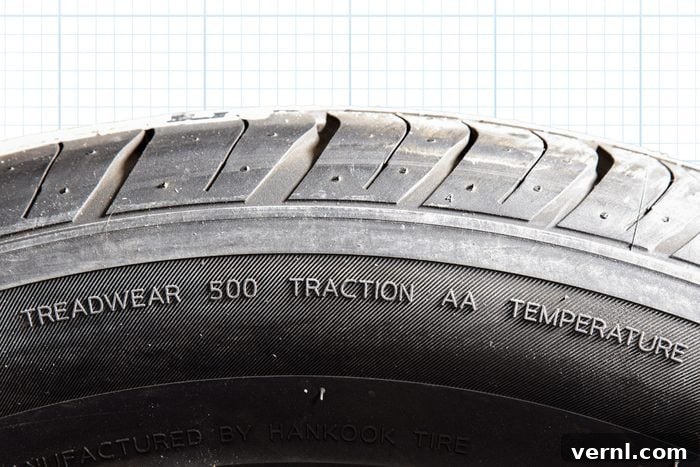
The temperature rating, part of the UTQG system, indicates a tire’s ability to dissipate heat effectively when running under load at specific speeds. Ratings range from A (the best) to C (the minimum standard). While an “A” rated tire signifies excellent heat resistance, allowing it to perform safely under sustained high-speed conditions, this rating is generally of minimal practical value for the vast majority of everyday consumers. Most typical street driving conditions and legal speed limits rarely push a tire to the thermal limits where a higher temperature rating provides a tangible benefit in terms of performance or safety. “A” rated tires often come with a higher price tag without offering any discernible improvement in performance for normal commuting or casual highway driving. For most drivers, “B” or “C” rated tires are perfectly adequate and will perform safely and reliably under typical operating conditions.
Traction Rating
The traction rating, another component of the UTQG system, is a crucial indicator of how effectively a tire’s rubber compound can generate grip on wet pavement. This rating is expressed using a letter scale: AA, A, B, and C, with “AA” representing the highest level of wet traction and “C” indicating the lowest. This is an extremely important factor for safety, especially if you live in an area prone to rain, snow, or ice. If you frequently drive in wet conditions, or if you regularly encounter snow or ice, investing in an “AA” rated tire is highly recommended for maximum safety and control. If budget constraints are a significant concern, dropping down to an “A” rating still provides very good wet traction. For drivers who rarely encounter adverse weather conditions or who simply wish to minimize costs, a “B” rated tire might be acceptable. However, a “C” rated tire should only be considered by individuals who genuinely drive exclusively on perpetually dry roads, as its performance in wet conditions is considerably diminished, posing a higher safety risk.
Treadwear Rating
The tread wear rating provides a comparative estimate of how long a tire’s tread might last under standardized test conditions, relative to a “base” control tire which is assigned a rating of “100.” So, a tire rated “400” theoretically suggests it should last four times longer than the “100” base tire. This rating system is a useful guide, but it comes with a significant caveat: each tire manufacturer employs its own proprietary testing methods and formulas to extrapolate tread wear from these tests. Consequently, a tread wear rating of “500” from one manufacturer is not directly comparable to a “500” rating from a different manufacturer. Therefore, the most effective way to utilize tread wear ratings is to compare different tire models from a single manufacturer. This allows for an apples-to-apples comparison within their product line, helping you identify which of their tires are designed for longer life.
When considering tread wear, align your choice with your vehicle’s expected lifespan and your budget. If you’re simply looking for new rubber for an older commuter vehicle that you don’t anticipate keeping for many more years, opting for a lower tread wear rating, such as a “100” or “200” tire, can be a cost-effective choice. These tires, while not designed for maximum longevity, will get the job done at a lower initial price. Conversely, if you have the financial flexibility and desire the absolute maximum possible tread life for a vehicle you plan to keep for an extended period, investing in a higher tread wear rated tire, such as a “500” or even greater, is a wise decision that will pay off in fewer replacements over time. Remember, actual tire life is also influenced by driving habits, road conditions, and proper tire maintenance.
Optimal Strategies for Buying Tires
Embarking on the tire purchasing journey doesn’t have to be a shot in the dark. A highly recommended first step is to diligently check objective data and reviews on various tire brands and models before making any commitment. One excellent resource for this is Tire Rack. This reputable online retailer goes beyond just selling tires; they conduct their own independent, rigorous tests and publish the comprehensive results online. Furthermore, they host a vast database of actual customer tire reviews, offering real-world feedback from drivers across diverse vehicles and conditions. You can access all this valuable information completely free of charge by navigating to the “Tire Reviews” tab, typically found on the left side of their homepage. While Tire Rack naturally hopes to be your chosen vendor, their extensive research and unbiased reviews make it an indispensable resource for informed decision-making, even if you ultimately purchase your tires elsewhere.
Buying Tires Online: Pros and Cons
Purchasing tires online can often present significant cost savings compared to traditional brick-and-mortar stores, and it also offers an unparalleled selection from the comfort of your home. However, it’s essential to be aware of the potential downsides before committing. Firstly, shipping times can vary, sometimes taking up to a week for your tires to arrive. Secondly, due to the value and size of the shipment, you will typically need to ensure an adult is available at your delivery address to sign for the tires; drivers are often instructed not to leave them without a signature or with a minor. Finally, once the tires arrive, you’ll be responsible for transporting them to a local auto shop and paying a separate fee for mounting, balancing, and installation. This added logistical effort and expense needs to be factored into your overall cost and convenience calculation.
Here’s a smart online shopping tip to mitigate some of these inconveniences: actively seek out online sellers that have established partnerships or arrangements with local installation shops in your area. Many reputable online tire retailers have a network of affiliated installers. When you purchase from such a seller, you can often choose to have the tires shipped directly to the partner shop. This eliminates the need for you to be home for delivery and the hassle of transporting the tires yourself. The local shop will then accept the shipment, inspect the tires, and install them for a pre-negotiated, set fee, making the process much smoother and more akin to a traditional purchase experience without sacrificing the potential online savings.
Shopping at Local Tire Stores
If the potential hassles of online tire buying deter you, or if you find yourself in urgent need of new tires, shopping at a local tire store remains an excellent option. We often prefer dedicated tire stores over general warehouse clubs for several key reasons. Tire store sales clerks typically possess a deeper, more specialized knowledge about various tire brands, models, and their specific characteristics. Their expertise can be invaluable in guiding you through the selection process. When you visit a local shop, be prepared to clearly articulate your top driving priorities (as you ranked them earlier) and your budget. This information will enable the salesperson to narrow down the options efficiently and recommend tires that best fit your needs.
Once you’ve discussed your requirements, ask the salesperson to present you with two or three tire options that align with your criteria. Then, and this is a crucial step, request an “out-the-door” price quote for each selection. An “out-the-door” price is comprehensive and includes all associated costs beyond just the tire itself. This typically covers the cost of the tires, all applicable taxes, lifetime mounting and balancing services (which are essential for even tire wear), charges for rebuilding or replacing tire pressure monitoring system (TPMS) sensors (a safety requirement for newer vehicles), and tire disposal costs for your old tires. Most salespeople will also automatically include the cost of a road hazard warranty in their out-the-door price. If you do not wish to purchase this warranty, be sure to communicate that upfront so it can be removed from the quote. Understanding the full, final cost ensures there are no surprises and allows for accurate comparison between different options and stores.
After you’ve successfully purchased and installed your new tires, remember that proper maintenance is key to their longevity and performance. Next, learn how to clean car tires, along with regularly checking tire pressure and tread depth, and ensuring proper alignment and rotation. These simple steps will protect your investment and keep you safe on the road for miles to come.