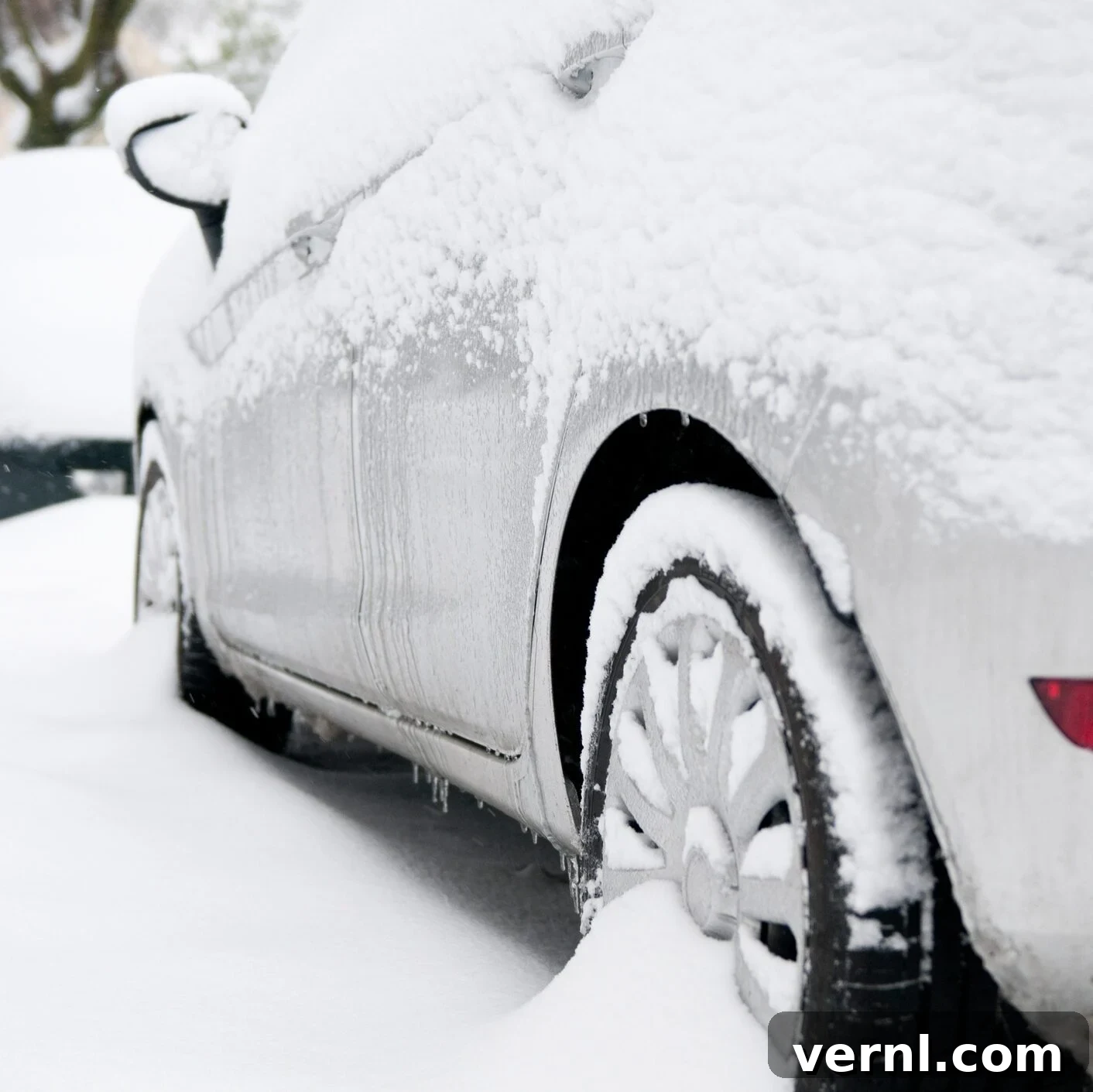
Driving through snowy winter weather is often far from enjoyable and can even be quite daunting. Beyond the intense cold that places significant strain on our vehicles’ intricate systems, the pervasive risk of slippery roads — coated with ice and snow — severely compromises tire traction. This perilous combination, frequently compounded by reduced visibility, can quickly lead to a loss of control, sending your car skidding into a snowbank or, worse, off the road entirely.
However, being adequately prepared for these frustrating and potentially frightening situations isn’t just about reacting; it’s about minimizing risk and ensuring your safety. Comprehensive preparation can significantly reduce the likelihood of getting stuck in the first place. More critically, knowing the precise steps to take if your vehicle does become immobilized can help keep you safe and dramatically increase your chances of successfully getting unstuck. In this detailed guide, we leverage the invaluable insights of Steve Norman, a seasoned veteran in driver’s education. He shares practical, actionable tips not only on how to maintain control on treacherous winter roads but also what definitive actions to take if your car unexpectedly finds itself stuck deep in the snow.
Immediate Actions: What To Do When Your Car Gets Stuck In Snow
The moment you realize your vehicle is stuck in a snowdrift or on an icy patch, your immediate response should prioritize safety and a clear assessment of your surroundings. A crucial, often overlooked first step is to visually check that your car’s tailpipe is completely clear and not obstructed by snow. A blocked exhaust pipe can lead to a dangerous and potentially lethal accumulation of carbon monoxide inside your vehicle cabin, posing a severe health risk. “If your car gets stuck in snow, the most important thing is to remain calm,” advises Steve Norman, a certified driving instructor. “Immediately activate your hazard lights to clearly signal to other drivers that your vehicle is stationary and potentially a hazard. Next, take a moment to carefully assess your location. Determine if your car is in a safe spot – ideally, not in the middle of a busy thoroughfare, at a dangerous intersection, or in an active traffic lane where it could cause further accidents. Your personal safety and the safety of those around you must always be your paramount concern before attempting any recovery efforts.”
Proven DIY Methods to Free Your Snow-Bound Vehicle
Once you’ve ensured immediate safety and assessed your surroundings, you can confidently proceed with practical, do-it-yourself strategies designed to help your vehicle regain traction and break free from the snow. These methods primarily focus on improving the grip between your tires and the challenging snowy or icy surface.
Clear Snow Away From the Tires for Better Traction
“To help your drive tires regain crucial traction, the very first physical step is to clear away as much snow as possible from around them,” explains Norman. This isn’t just about removing snow from directly in front or behind the tires; you should also clear it from the sides and underneath, creating a small, clear path. If you happen to have a dedicated snow shovel in your winter kit, that’s ideal. However, don’t let its absence deter you. Be resourceful! You can use various items at hand: your gloved hands, a sturdy piece of cardboard, your car’s floor mats (ensure they are clean and dry first), or even an ice scraper. The primary objective is to reduce the snow resistance and expose more of the tire tread to the ground beneath, whether it’s pavement, dirt, or packed snow. Furthermore, if you carry specific traction aids—such as a bag of kitty litter, sand, road salt, a set of tire chains, or even a short piece of 2×4 wood—strategically place these materials directly in front of and/or behind your drive wheels. For most modern cars, these are the front wheels (front-wheel drive); for others, they are the rear (rear-wheel drive) or all four (all-wheel/four-wheel drive). These aids provide much-needed friction for your tires to grip onto, significantly enhancing your ability to move forward or backward.
The “Rocking” Technique: Gentle Momentum for Escape
The “rocking” method is a time-tested technique that, when executed correctly and with patience, can effectively free a vehicle stuck in snow. “Shift your transmission between a low forward gear (such as ‘Drive’ or ‘L’ for automatic transmissions, or first gear for manual vehicles) and ‘Reverse’ in short, deliberate intervals,” advises Norman. The absolute key to this technique is *gentle* acceleration each time you engage a gear. Apply just enough throttle to feel the car move slightly forward or backward a few inches, then quickly shift to the opposing gear. The goal is to build incremental momentum, slowly creating a larger pocket or path in the snow. As you gently apply the throttle, simultaneously try turning the steering wheel slightly left and right. This subtle movement can help the tires bite into different sections of the snow or ice, potentially finding a patch with better purchase. If you manage to gain even a little forward or backward momentum, this is the opportune moment to deploy any traction aids you might have to further assist. However, Norman issues a critical warning: “Do not keep spinning the tires excessively or aggressively. Spinning the tires too much can easily make a bad situation significantly worse.” He elaborates further, drawing from extensive professional experience: “In my over 50 years as an ASE and GM Master Technician and Automotive Technology instructor, I have frequently encountered and had to repair or replace hundreds of (often expensive) transmissions, differential and drivetrain gearsets, axles, and wheel bearings. This extensive damage is commonly a direct result of severe overheating caused by drivers recklessly spinning their wheels when stuck in snow, generating immense friction and heat within the drivetrain components.” This professional insight underscores why a gentle, controlled, and patient approach is absolutely paramount when attempting the rocking method.
Temporarily Lower Tire Pressure for an Enhanced Contact Patch
While it might seem counter-intuitive to conventional driving practices, temporarily letting a small amount of air out of your tires can be a remarkably effective strategy when your car is stuck in snow or ice. The underlying principle is straightforward: reducing the tire pressure causes the sidewalls to bulge slightly, which in turn increases the overall surface area of the tire tread that makes contact with the ground. This larger ‘contact patch’ allows the vehicle’s weight to be distributed over a wider area, effectively enhancing the grip on soft, loose snow or slippery icy surfaces. However, it is vital to remember that this is a strictly temporary measure for emergency recovery. “Once you have successfully freed your vehicle and are back on stable, clear ground, it is critically important to quickly reinflate the tires to their manufacturer-recommended proper pressure,” emphasizes Norman. Driving for any extended period with significantly underinflated tires can lead to serious risks, including accelerated tire wear, potential tire damage (such as bead separation or sidewall failure), reduced fuel efficiency, and dangerously compromised handling and overall vehicle safety. Always carry a portable air compressor or know the location of the nearest gas station with an air pump for immediate reinflation.
Enlist Help to Physically Push Your Car Out
Sometimes, the most straightforward solution is the addition of human power. If you find yourself in a situation where it is safe and feasible to do so, do not hesitate to ask for assistance from passersby or fellow drivers to physically push your car out of the snow. Your safety and the safety of your helpers are paramount! Before anyone lays a hand on your vehicle, thoroughly assess the area. Ensure it is clear of active traffic, not on a blind curve where visibility is poor, and not excessively slippery for those who will be pushing. Clear communication is essential: instruct your helpers to push in only one consistent direction (for example, from behind the car, pushing strictly forward) while you, the driver, slowly and gently apply the throttle in a low gear. Coordinate your efforts meticulously to avoid any injuries and to maximize the efficiency of the push.
Safely Utilizing a Tow Strap for Vehicle Recovery
The use of a tow strap for vehicle recovery is a more advanced method that should only be attempted if you possess prior experience, feel completely confident in your abilities, and have the correct, robust equipment. If these conditions are met, a heavy-duty tow strap connected to a “helper” vehicle can be an effective way to pull your vehicle free from deep snow. Before proceeding, it is absolutely crucial to thoroughly inspect the tow strap for any signs of damage, fraying, cuts, or excessive wear. Crucially, confirm that the strap’s weight rating is appropriate for the combined weight of both your vehicle and the helper vehicle; never exceed this rating. Steve Norman provides detailed, safety-first guidance: “Connect one end of the strap securely to the helper vehicle’s designated tow hitch or a robust, structural frame point. Then, connect the other end to your car’s designated tow hook or a sturdy, load-bearing part of its frame. It is absolutely essential to clear the entire area around both vehicles and the taut strap, ensuring that no one is standing nearby. A tow strap breaking under tension can recoil with incredible force, causing extremely serious injury or even death.”
Once the strap is securely connected and the area is confirmed clear of all bystanders, instruct the helper vehicle to pull you slowly and steadily. During this critical process, you, as the driver of the stuck vehicle, should maintain a straight line with your wheels and gently press on the accelerator as you feel the pull, helping your tires gain momentum without aggressively spinning them. “Crucially, avoid any sudden jerks or abruptly yanking the strap,” Norman strongly warns, “as this can inflict significant structural damage to both vehicles involved and significantly increase the risk of the strap snapping dangerously.” Once your vehicle is successfully freed from the snow and safely on stable ground, carefully and slowly remove the tow strap. Afterward, it is imperative to drive both vehicles to a safe, well-lit area, such as a parking lot, and meticulously check both vehicles for any signs of damage that may have occurred during the recovery process. This method demands extreme caution, crystal-clear communication between both drivers, and a solid understanding of vehicle mechanics and safety protocols.
Knowing When To Call a Professional Tow Truck
Despite your most diligent efforts and the skilled application of various DIY recovery methods, there will inevitably be situations where calling a professional tow truck is unequivocally the safest, most sensible, and ultimately, the only viable course of action. You should not hesitate to call for professional assistance if you lack the necessary traction aids, proper equipment, or the physical capability to get unstuck, especially if you find yourself in a dangerous or isolated location. This includes being stranded on a busy road or at a hazardous intersection where your immobilized vehicle poses a significant threat to other motorists. It also applies if your vehicle has slid off the road into a deep ditch, or if you suspect your vehicle has sustained any mechanical damage from repeated attempts to get unstuck. As Steve Norman wisely advises, putting safety first is paramount: “If all of the DIY methods have failed to free your vehicle, and you’re feeling exhausted, cold, anxious, or frightened, it is absolutely time to stop attempting recovery. Call a professional tow truck and let the experts with specialized equipment and training handle the situation safely and efficiently. There is absolutely no shame in recognizing your limits and knowing when to call for professional help; in fact, it’s a sign of good judgment.”
Comprehensive Guide: How To Prevent Your Car From Getting Stuck in Snow
While knowing how to effectively react when stuck is undeniably crucial, the old adage “prevention is better than cure” holds particularly true when it comes to the inherent hazards of winter driving. A proactive approach, involving thorough vehicle preparation and the adoption of cautious driving habits, forms the central pillar of preventing your car from getting stuck in the snow in the first place.
- Thorough Winter Vehicle Maintenance: Ensure your car is meticulously maintained and properly prepared for the rigors of winter driving conditions. This encompasses a comprehensive inspection of your tires for adequate tread depth (crucial for snow grip), any visible signs of wear or damage (like cracks or bulges), and ensuring they are inflated to the manufacturer’s recommended pressure. Top off your windshield washer solvent reservoir with a winter-specific, anti-freeze formula. Check that all essential filters (engine air, cabin air) are clean, and all critical fluids (engine oil, coolant/antifreeze, brake fluid, power steering fluid) are at their full, correct levels. Lastly, have your car’s battery, belts, and hoses thoroughly inspected for good condition, as cold weather dramatically exposes weaknesses in these vital components, leading to potential breakdowns.
- Assemble a Comprehensive Winter Survival Kit: Always keep essential traction aids and a well-stocked array of emergency supplies readily accessible in your trunk. A thoughtfully assembled winter survival kit is your best defense against unexpected breakdowns, getting stranded, or encountering other roadside emergencies. This kit should ideally include: a sturdy shovel, a bag of sand or non-clumping kitty litter for traction, heavy-duty jumper cables, a comprehensive first-aid kit, warm blankets or an emergency space blanket, non-perishable food items, bottled water, a powerful flashlight with extra batteries, and reflective triangles or flares for roadside visibility.
- Ensure Optimal Visibility Before Driving: Before you even consider putting your vehicle in gear, dedicate the necessary time to thoroughly clear all snow and ice from every exterior surface of your vehicle. This includes all windows, the roof, hood, trunk, headlights, taillights, side mirrors, and windshield wipers. Snow or ice left on your roof can become a dangerous projectile at highway speeds, posing a severe threat to following vehicles. Additionally, make absolutely sure to completely defog the windshield and all other windows before embarking on your journey to ensure crystal-clear, unimpeded visibility in all directions.
- Practice Defensive Winter Driving Techniques: Always drive cautiously and at a significantly reduced speed when navigating snowy or icy conditions. Avoid any sudden maneuvers such as abrupt braking, aggressive acceleration, or sharp, rapid turns, as these actions can very easily lead to a dangerous loss of tire traction and control. Be particularly vigilant for deep snow, hidden patches of black ice, and unexpected snow drifts, as these can quickly trap your vehicle. Maintain a significantly increased safe following distance from other vehicles, as stopping distances are drastically extended on slippery roads, requiring much more time and space to react.
- Keep Your Gas Tank at Least Half Full: A simple yet highly effective tip for winter driving is to keep your gas tank at least half full, or ideally, nearly full, throughout the colder months. This proactive measure prevents moisture that may be present in the tank from freezing and potentially clogging your fuel lines, which can lead to your engine stalling. Additionally, the added weight of a full gas tank can provide a slight, but often beneficial, improvement in traction on slippery roads, particularly for rear-wheel-drive vehicles.
- Keep Your Cell Phone Fully Charged: In any roadside emergency, especially in harsh winter conditions, your cell phone is your primary lifeline for calling for help. Always ensure your cell phone is fully charged before embarking on any winter journey. It is also a wise precaution to carry a portable power bank or a reliable car charger as a backup, particularly for longer trips or when traveling through remote areas with limited cell service.
- Invest in Proper Winter or All-Weather Tires: For unparalleled safety and superior performance in severe winter conditions, strongly consider installing dedicated winter tires on your vehicle. Winter tires are meticulously designed with unique rubber compounds that remain flexible in extremely cold temperatures and feature aggressive, specialized tread patterns that provide exceptional grip on snow, slush, and ice. If dedicated winter tires are not a feasible option for your budget or driving needs, at least ensure you have high-quality all-weather tires. These offer a more capable compromise between traditional all-season tires and dedicated winter tires, providing improved performance in a wider range of cold weather conditions.
Frequently Asked Questions (FAQ) About Getting Unstuck in Snow
Will AAA pull you out of the snow?
Yes, if your AAA membership includes Roadside Assistance, AAA typically will provide service to pull you out of the snow. However, it’s crucial to understand their specific conditions and limitations. According to AAA’s official guidelines, “all road surfaces leading to the vehicle must be safely accessible. Safety is ultimately determined by the AAA representative on the scene.” This means if your vehicle is stuck in a ditch that’s too deep, on an incline that’s too steep and dangerous for their standard equipment, or in a location that poses an unacceptable risk to their personnel or equipment, they might not be able to assist directly. In such cases, they may recommend a specialized tow service which might incur additional costs. Additionally, vehicles must be cleared of excessive ice and snow for the service to be rendered safely and effectively. It is always highly recommended to check your specific AAA membership benefits and terms of service in advance to confirm your exact coverage details before an emergency situation arises.
Can you pour hot water on your tires if your car is stuck?
No, both Steve Norman and I strongly and unequivocally advise against pouring hot water on your tires if your car is stuck in snow or ice. While it might seem like a quick fix to melt ice, this seemingly helpful trick can actually cause significant harm and ultimately worsen your situation. “Pouring hot water onto ice-cold tires can induce a severe phenomenon known as thermal shock,” explains Norman. This rapid and extreme temperature change between the hot water and the frigid rubber can cause the tire material to fracture, crack, or even rupture, leading to irreversible damage and potentially unsafe tires. Furthermore, Norman adds a critical practical point: “Even if it temporarily melts some ice immediately, the hot water will quickly refreeze in frigid winter temperatures, especially when it comes into direct contact with cold tires and the icy ground. This will simply create a new, potentially thicker, and even more entrenched layer of ice around your tires, making your situation considerably worse, not better, and further hindering any subsequent attempts to get unstuck safely.”
Should you turn off traction control when your car is stuck in snow?
Yes, in most specific situations where your car is genuinely stuck in moderate to deep snow and struggling to move, you should temporarily turn off your traction control system. Traction control is an advanced safety feature primarily designed to prevent excessive wheel spin by automatically reducing engine power or applying brakes to individual wheels when it detects a loss of grip. While this is highly beneficial for preventing dangerous skids and maintaining stability on slippery roads during normal driving, it can be counterproductive when you’re trying to free a stuck vehicle. When traction control is active, it actively works to prevent the wheels from spinning, which is precisely what you sometimes need to do (in a controlled manner) to gain momentum and free your car from snow. By temporarily turning off traction control, you allow the drivetrain to send more power directly to the drive wheels, giving you more manual control over wheel spin. This controlled wheel spin can enable the tires to “dig” a small groove in the snow, or even to momentarily spin down to the road surface beneath the snow, which can provide just enough traction and momentum to help free the car. However, it is paramount to remember that this is a temporary emergency measure. Once your vehicle is successfully unstuck and you are back on a stable, clear, and safe road, it is crucial to reactivate your traction control system immediately for normal safe driving, especially when continuing to navigate winter conditions.
About the Expert: Steve Norman
Steve Norman, M.Ed., is a highly experienced and respected driving education expert, boasting over 15 years of invaluable experience teaching driver’s education in both the public and private sectors. He holds comprehensive certifications from the Pennsylvania Department of Education (PDE) and the PA Department of Transportation (PennDOT) as a certified classroom instructor and a behind-the-wheel driving instructor. Furthermore, Steve is a qualified and authorized driver’s license examiner, underscoring his deep understanding of driving safety and regulations. Currently, Steve dedicates his expertise to teaching physical education at Manavon Elementary School within the Phoenixville Area School District, continuing his unwavering commitment to education, safety, and community well-being.
Sources
- Joe Simes, ASE and Toyota Master Technician, and former deputy fire chief and training officer of Montgomery Country, PA (retired). (Interview, Jan 9, 2025)
- National Oceanic and Atmospheric Administration, National Weather Service: “What To Do If You’re Caught in a Winter Storm” (Jan 6, 2025)
- AAA Automotive: “7 Tips on How To Get Unstuck From Snow” (Jan 7, 2025)
- AAA Club Membership Alliance: “AAA Rules of the Road” (Jan 7, 2025)