Seamless Solar: Exploring the Potential of Solar Roof Shingles
For centuries, the sun has been an undeniable source of life and energy on Earth. With its boundless power showering our planet daily, harnessing solar energy has always resonated as a logical and sustainable solution. The initial vision was simple: equip every sun-facing surface with technology to capture this incredible energy. Yet, the innovation doesn’t stop at traditional rooftop solar panels. Engineers and scientists are continuously pushing the boundaries, developing ingenious methods to integrate solar technology into an ever-expanding array of applications.
Beyond the conventional rooftop installations, imagine collecting the sun’s energy from car rooftops, elegant parking shelters, and even the very shingles protecting our homes. This pursuit of seamless integration has led to remarkable advancements, none more captivating than the emergence of solar roof shingles. For over a decade, these integrated shingles have been hailed as the “Holy Grail” for roofing professionals and solar enthusiasts alike. According to Matt Weiner, Director at Golden Group Roofing and Solar, “While currently a premium product, appealing to a specific segment of the market, the long-term potential of solar shingles is undeniable.” This comprehensive guide delves into this revolutionary solar product, covering everything from its core technology and installation considerations to its costs, available incentives, and future outlook.
What Are Solar Roof Shingles?
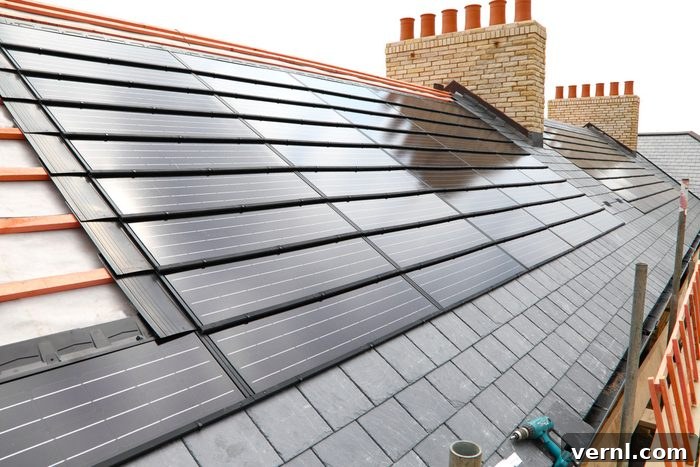
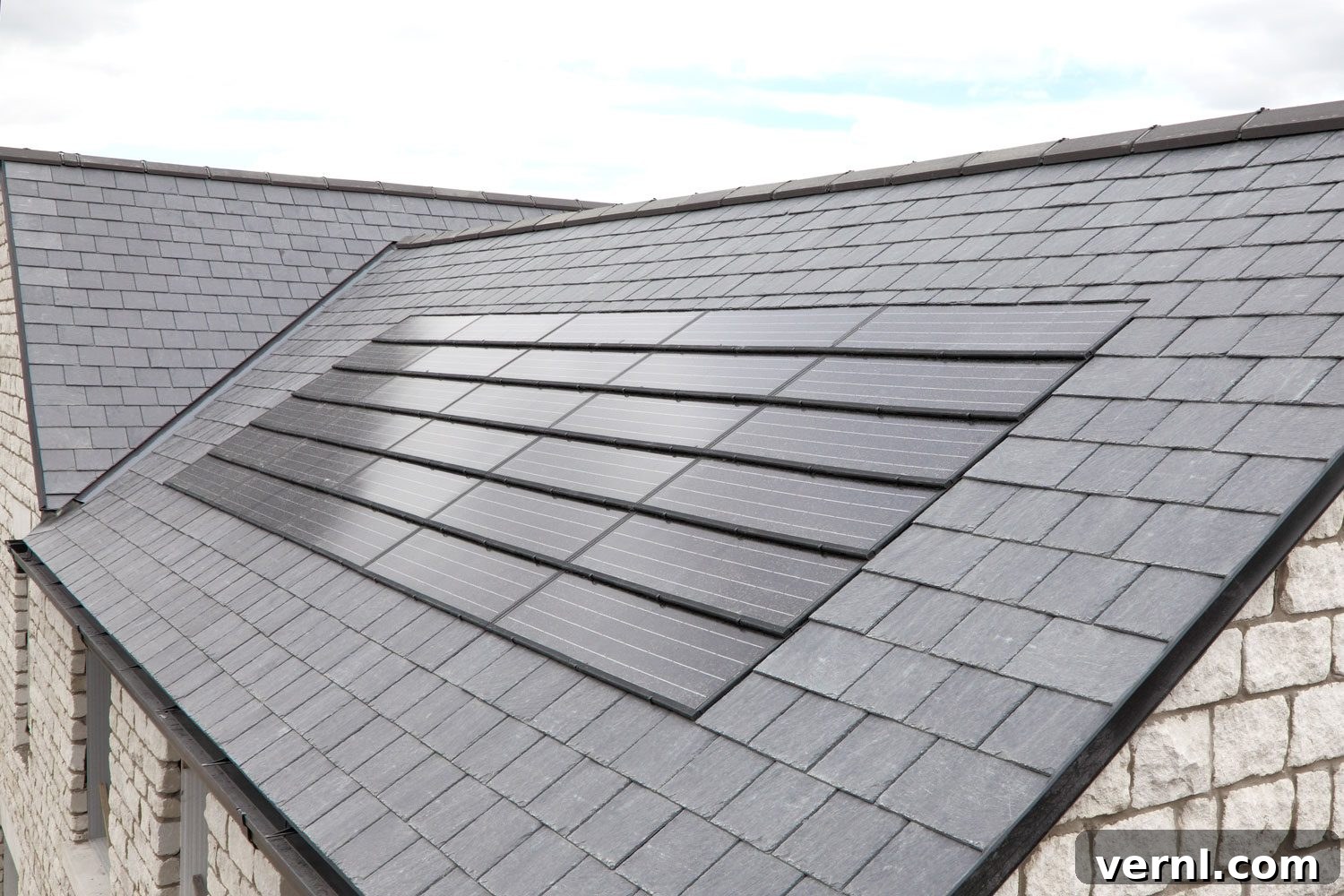
At their core, solar roof shingles are sophisticated building-integrated photovoltaic (BIPV) systems designed to generate electricity from sunlight, much like traditional solar panels. However, their defining characteristic lies in their integration: instead of being mounted on top of an existing roof, solar shingles are the roof. They serve the dual purpose of providing robust weather protection for your home while simultaneously converting solar radiation into clean, usable electricity.
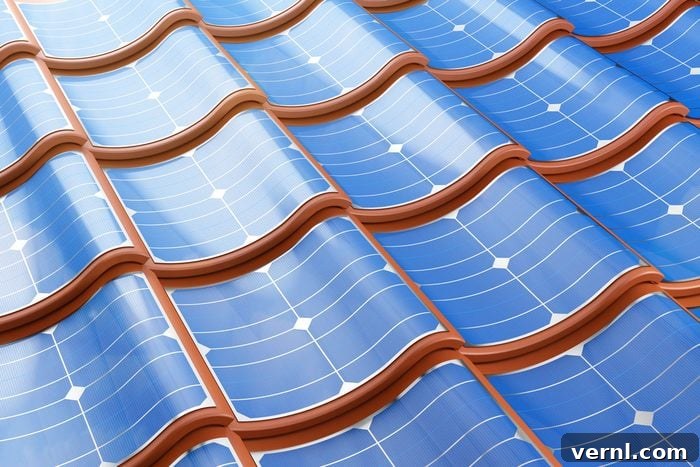
A typical solar shingle installation often involves a strategic combination of conventional roofing materials on shaded areas and solar shingles meticulously placed in the sunniest, most energy-productive sections of the roof. This intelligent design maximizes energy harvest without compromising the structural integrity or aesthetic appeal of the home. The technology within each shingle typically consists of thin-film photovoltaic cells, often made from crystalline silicon, encapsulated within durable, weather-resistant materials designed to mimic the appearance and function of traditional asphalt shingles or tiles.
Several prominent companies have entered the solar shingle market, each offering unique designs and technological approaches. Industry leaders include Tesla, renowned for its sleek and minimalist Solar Roof system, and GAF Energy, which leverages its extensive roofing expertise to create highly integrated solutions. “Each manufacturer boasts unique designs that seamlessly blend into the overall roofing system, resulting in an aesthetically superior look,” explains Matt Weiner. Niche manufacturers like Suntegra and Luma also contribute to the market, often utilizing common solar materials integrated into watertight frames, offering alternative styles and functionalities to homeowners seeking a more uniform and modern roofing solution.
Understanding the Legalities and Approvals for Solar Shingles
Homeowners often wonder about the regulatory aspects of installing new and advanced technologies like solar roof shingles. The good news is, yes, solar shingles are indeed legal for residential installations. Like all other critical components of a home’s electrical system and building envelope, solar shingles must undergo rigorous testing and certification processes to ensure safety, durability, and performance. This includes obtaining Underwriters Laboratory (UL) approval, a crucial benchmark that verifies the product meets stringent safety standards.
Beyond national safety standards, potential buyers should be aware of other factors. While the products themselves are approved, the availability of certified contractors can vary significantly by state and region. Since solar shingles involve both electrical work and roofing expertise, specialized training is essential for proper installation. Homeowner associations (HOAs) may also have specific guidelines regarding exterior modifications, though many states have “solar access laws” that limit an HOA’s ability to prohibit solar installations entirely. It’s always advisable to check local building codes and HOA regulations before committing to a solar shingle installation to ensure a smooth and compliant process.
How Much Do Solar Roof Shingles Cost? An Investment Perspective
The cost of solar roof shingles is a primary consideration for many homeowners, and it typically represents a significant investment. Several variables influence the final price, including the total size of the system (measured in kilowatts), the complexity of your roof design, and your geographical location, which can impact labor costs and material availability. Generally, an installed solar shingle system can cost around five times as much as traditional asphalt roofing materials alone. When comparing the energy production, solar shingles often cost between 25% and 100% or even more per watt-hour than conventional solar panels.
While this upfront cost might seem substantial, it’s important to consider that solar shingles integrate two essential home improvements into one: a new roof and a solar energy system. A portion of the cost is offset by not having to purchase and install a separate roofing material. However, with current technologies, the combined cost still typically exceeds that of purchasing and installing a new roof and solar panels separately. Matt Weiner notes, “Theoretically, combining them into a single product and installation should lead to cost savings. However, it will likely take another generation or two of technological advancement and market maturity to truly achieve that widespread cost efficiency.” As manufacturing processes improve and economies of scale are realized, the cost-effectiveness of solar shingles is expected to become more competitive, making them an increasingly attractive option for a wider audience.
Harnessing Incentives: Rebates and Tax Breaks for Solar Roof Shingles
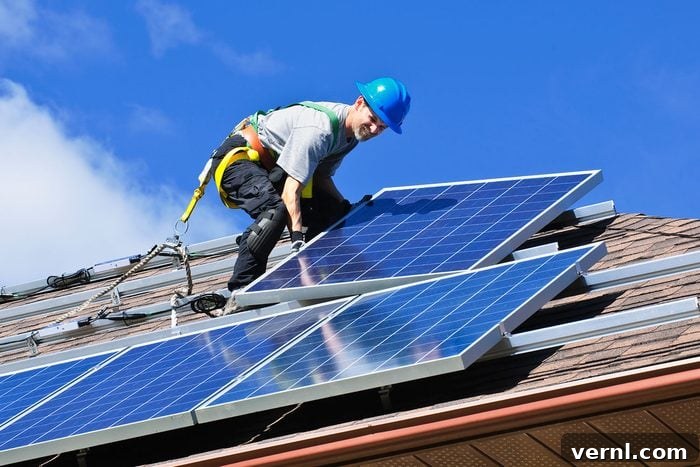
Investing in renewable energy solutions like solar roof shingles becomes significantly more appealing thanks to a variety of available financial incentives. Homeowners considering solar shingles are eligible for the same robust rebates and tax breaks that apply to traditional solar panel installations. The cornerstone of these incentives is the federal solar tax credit, which currently allows homeowners to claim a credit for 30% of the cost of their solar energy system. This substantial credit directly reduces your federal income tax liability, making solar a more accessible and affordable upgrade.
Beyond the federal incentive, numerous state and local programs offer additional financial benefits. These can include state tax credits, property tax exemptions (preventing your property taxes from increasing due to the added value of solar), sales tax exemptions, and performance-based incentives like Solar Renewable Energy Credits (SRECs), which allow you to earn income for the clean energy your system produces. The Inflation Reduction Act has further solidified and expanded many of these solar incentives, demonstrating a strong governmental commitment to clean energy adoption.
A significant bonus for solar shingle owners is how the federal tax credit is applied. Because the installation involves replacing the entire roof as part of the integrated solar system, the tax credit covers not just the cost attributable to the solar generation components, but the cost of the entire roof replacement that is integral to the solar project. This makes the overall investment in a solar roof shingle system considerably more attractive, as a substantial portion of a necessary home improvement (a new roof) becomes eligible for a significant tax reduction.
Are Solar Roof Shingles Worth the Investment? Weighing the Pros and Cons
The question of whether solar roof shingles are “worth it” doesn’t have a universal answer; it largely depends on individual priorities, budget, and aesthetic preferences. If you possess the financial capacity and a strong desire to blend cutting-edge technology with sophisticated home design, solar shingles present an excellent option for combining a sleek aesthetic with the profound benefits of generating your own clean energy. “I do believe they are worth it,” states Matt Weiner, “but strictly for the right customer. Solar shingles primarily appeal to someone who genuinely wants their home to make a statement and is prepared to invest accordingly to achieve that distinctive look.”
Solar Roof Shingle Pros:
- Unrivaled Curb Appeal: Solar shingles offer a seamless, integrated look that traditional solar panels cannot match. They maintain the architectural integrity of your home, enhancing its overall aesthetic and potentially increasing its resale value.
- Reduced Leak Risk: With a single contractor installing both the roofing material and the solar components, there’s less chance of installation errors that could lead to leaks, a common concern when panels are added to an existing roof by a separate crew. This integrated approach often comes with a unified warranty for both the roof and the solar system.
- Comparable Lifespan: Modern solar shingles are engineered for durability, boasting a lifespan similar to that of high-quality traditional solar panels and roofing materials, often lasting 25-30 years or more.
- Enhanced Durability: Designed to withstand harsh weather conditions, solar shingles exhibit exceptional durability, particularly in regions prone to high winds, hail, and heavy snow loads, as they are part of the roof structure itself.
- Increased Home Value: A solar-powered home with an aesthetically pleasing integrated roof is highly attractive to potential buyers, contributing to a higher property value and faster sales.
- Energy Independence: Generating your own electricity reduces reliance on the grid, offering protection against rising electricity rates and contributing to greater energy independence.
Solar Roof Shingle Cons:
- Higher Upfront Cost: As previously discussed, the initial investment for solar roof shingles is significantly higher than for traditional roofing combined with standard solar panels.
- Lower Efficiency Per Square Foot: Due to their design and integration, solar shingles generally have a slightly lower energy conversion efficiency per watt-hour compared to dedicated, optimally angled solar panels. This means you might need a larger roof area to achieve the same energy output.
- Performance in Hot Climates: Solar materials, including those in shingles, experience a slight drop in voltage and efficiency as temperatures rise. Unlike traditional panels that have an airspace underneath for cooling, integrated shingles are flush with the roof deck, potentially leading to higher operating temperatures and a marginal decrease in efficiency in very hot climates.
- Absence of Passive Cooling: Traditional solar panels, being mounted above the roof, create a shaded air gap that can help reduce heat transfer from the sun into the house, offering a subtle passive home cooling effect. Solar shingles, by design, do not provide this benefit.
- Maintenance Complexity: While generally robust, if an individual solar shingle needs replacement due to damage or malfunction, it can be a more complex and specialized repair than replacing a single traditional solar panel.
- Limited Contractor Availability: The specialized nature of solar shingle installation means fewer contractors are certified to install them, which can impact project timelines and pricing depending on your location.
The Future of Solar Roof Shingles: A Vision of Ubiquitous Clean Energy
Despite their current premium status and some efficiency trade-offs, the long-term outlook for solar roof shingles is overwhelmingly positive. “To date, solar shingles haven’t fully delivered on their promise of providing homeowners with highly efficient, cost-effective, and aesthetically flawless solar systems,” observes Matt Weiner. “However, I firmly believe they are destined to become the definitive solar product of the future.” This optimism is rooted in ongoing technological advancements, increasing market demand for integrated solutions, and significant investments from industry leaders.
A prime example of this commitment comes from GAF Energy, one of the nation’s largest roofing manufacturers and Weiner’s former employer. The company is making substantial strides in scaling the technology, having recently inaugurated a second manufacturing plant and actively expanding its network of certified roofing contractors. “They are pouring millions of dollars into this technology, and their leadership is absolutely convinced that this is the trajectory for solar energy,” Weiner emphasizes. This strategic investment signals a strong belief in the eventual widespread adoption of solar shingles. While the exact timeline remains uncertain, the trend towards building-integrated photovoltaics (BIPV) as a whole indicates that seamless solar solutions will become increasingly common, transforming our homes into active participants in a clean energy future.
Frequently Asked Questions About Solar Energy and Shingles
What other solar products should DIYers consider for home energy?
For those interested in exploring solar energy on a DIY basis, several accessible options exist. Solar power kits, often comprising panels, a micro-inverter, and sometimes a battery, offer a great entry point with easy-to-follow instructions. These kits allow homeowners to offset a portion of their energy consumption with clean solar power. Other practical DIY solar solutions include portable solar generators for backup power, solar water heaters to reduce utility bills, or solar-powered outdoor lighting for enhanced security and aesthetics without the need for trenching electrical wires.
Is solar energy truly better for the environment?
Absolutely. While no energy system is entirely without impact, solar energy stands out as a vastly superior alternative to fossil-fuel-based sources. Its environmental benefits are compelling: it produces zero air pollution during operation, requires minimal water usage, taps into an inexhaustible power supply (the sun), and typically has a low land footprint compared to large-scale power plants. The minor environmental considerations associated with manufacturing and disposal are significantly outweighed by the immense positive impact of generating clean, renewable energy, making solar a critical component in the global effort to combat climate change and foster a sustainable future.
How long do solar roof shingles typically last?
Solar roof shingles are designed for longevity, with most manufacturers offering warranties that guarantee performance for 20 to 25 years, and often a product warranty for 25 to 30 years or more. Their expected lifespan is comparable to, if not exceeding, that of high-quality traditional roofing materials and conventional solar panels, ensuring decades of reliable clean energy production and protection for your home.
What is the maintenance required for solar roof shingles?
Maintenance for solar roof shingles is relatively low. Similar to a regular roof, periodic cleaning to remove accumulated dirt, leaves, or debris can help maintain optimal efficiency. It’s also advisable to have the system inspected by a qualified professional every few years to ensure all components are functioning correctly and that the integrated roofing remains watertight. Unlike traditional panels, there are no mounting systems or separate wiring to inspect on the roof surface, simplifying visual checks.
Can I add a battery storage system to my solar roof shingles?
Yes, solar roof shingles are fully compatible with battery storage systems. Integrating a battery allows you to store excess electricity generated during the day for use at night or during power outages, further increasing your energy independence and maximizing the value of your solar investment. Many homeowners choose to add battery storage to enhance their resilience and control over their home’s energy supply.
About the Expert
Matt Weiner is the esteemed Director of Golden Group Roofing and Solar, an award-winning company specializing in both rooftop solar installations and comprehensive roof replacements across the Greater Boston area. His extensive expertise in both roofing and solar technology provides invaluable insights into the integrated solutions discussed in this article.