
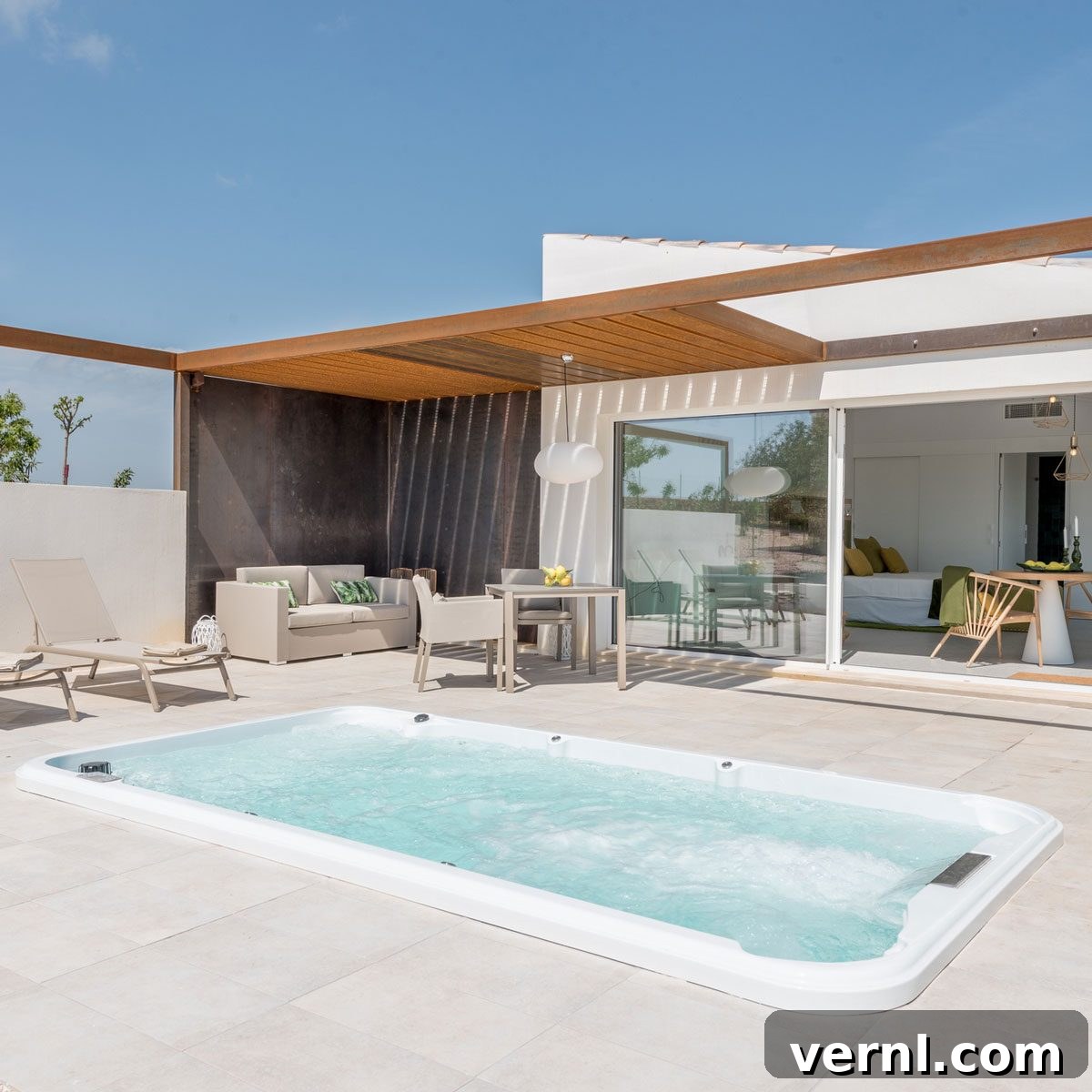
If you’re contemplating the dream of a backyard swimming pool but find yourself constrained by limited space, a modest budget, or a desire for both vigorous exercise and tranquil relaxation, it’s time to discover the innovative world of spool pools. This versatile aquatic solution merges the best features of a traditional swimming pool and a luxurious hot tub into one compact, efficient, and endlessly enjoyable unit, offering an ideal blend of fitness, fun, and hydrotherapy for any home.
What Exactly Is a Spool Pool? The Perfect Blend of Spa and Pool
A spool pool, a clever portmanteau of “spa” and “pool,” is precisely what its name suggests: a hybrid aquatic feature that combines the benefits of both. Unlike a large swimming pool solely dedicated to laps, or a hot tub designed purely for relaxation, a spool offers a dynamic, multi-functional experience in a significantly smaller footprint. Think of it as your personal mini-resort, custom-designed for modern living.
At its core, a spool pool provides a comfortable space for cooling off on a hot day, offering enough room for a refreshing dip or playful splashing. But its true genius lies in its spa-like features. Equipped with powerful jets, a spool can transform into an invigorating exercise current, allowing you to swim against a strong stream for an effective, low-impact workout without needing a traditional lap pool’s length. Beyond exercise, these same jets can deliver soothing hydrotherapy, massaging tired muscles and easing tension, much like a premium hot tub. This dual capability makes spools an incredibly efficient and appealing choice for homeowners seeking maximum utility from their backyard space.
Typical spool pools are designed with versatility in mind, often measuring between 10 to 15 feet long and six to eight feet wide. While these dimensions are considerably smaller than standard inground pools, they are intentionally crafted to maximize usability. Whether you’re looking to unwind after a long day, enjoy a vigorous swim, or simply create a beautiful water feature in your garden, a spool pool provides a sophisticated solution that adapts to your lifestyle.
Diverse Designs: Types of Spool Pools and Customization Options
One of the most appealing aspects of spool pools is their adaptability and the wide array of customization options available, allowing them to be perfectly tailored to your aesthetic preferences and functional needs. From installation methods to integrated features, spools offer flexibility that ensures they complement any backyard design.
Installation Methods: Above-Ground, In-Ground, and Semi-In-Ground
- In-Ground Spools: These offer the most seamless integration with your existing landscape, creating a high-end, custom look. Similar to traditional in-ground pools, they require excavation, making them a more involved and typically costlier installation. However, the result is a permanent, integrated feature that enhances property value and aesthetic appeal.
- Above-Ground Spools: A more budget-friendly and less invasive option, above-ground spools are quicker to install and ideal for temporary setups or if you prefer not to undertake extensive landscaping changes. They typically sit on a reinforced concrete slab and offer easy access for maintenance.
- Semi-In-Ground Spools: This hybrid option offers a balance between the two, with the spool partially submerged into the ground. It provides a more integrated look than above-ground models while potentially reducing excavation costs compared to a full in-ground installation. This can be an excellent compromise for sloped yards or specific design preferences.
Depth and Usage Variations
Spools come in various depths, catering to different primary uses:
- Deeper Exercise Spools: These models are specifically designed to maximize the effectiveness of the resistance current jets. Their increased depth allows for a more natural swimming posture and reduces splash, making them ideal for serious water workouts and therapeutic exercises.
- Plunge Pool Depth Spools: Slightly shallower, these spools are perfect for quick, refreshing dips, cooling off during hot weather, and casual relaxation. They often serve as “cocktail pools” during social gatherings, providing a chic water feature where guests can wade and socialize.
Material and Heating Capabilities
Spools can be constructed from a range of materials, each offering different aesthetics, durability, and cost implications. Fiberglass spools are popular for their smooth finish and quicker installation, while concrete spools offer maximum customization in terms of shape and finish. Acrylic options provide a luxurious, seamless look often seen in high-end spas.
Crucially, most spools can be heated, allowing for year-round enjoyment, even in cooler climates. This feature transforms your spool into a powerful hot tub during colder months, extending its usability and enhancing its value. Modern heating systems, including electric, gas, and even solar options, can be integrated for efficient temperature control.
Advanced Accessory Options
The customization doesn’t stop there. Spools can be outfitted with an array of accessories that enhance both their functionality and ambiance:
- Covers: Roll-up or automated safety covers are essential for heat retention, debris prevention, and child safety.
- Jets: Beyond resistance jets, you can add various hydrotherapy jets for targeted massages.
- Lighting: Integrated LED lighting systems can transform your spool into a stunning nocturnal display.
- Sound Systems: Underwater or perimeter speakers can create a truly immersive experience.
- Support Bars and Steps: Ensure safe and easy entry and exit, particularly important for exercise or therapeutic use.
- Water Features: Cascading waterfalls or decorative fountains can add a serene aesthetic and soothing sounds.
- Automation: Smart controls for heating, filtration, and lighting offer unparalleled convenience.
With an average size of 10 to 15 feet long by six to eight feet wide, spools offer sufficient space for intimate gatherings or focused personal use. For those who frequently entertain, opting for a slightly larger model can ensure ample room for guests to relax and splash around, making your backyard the ultimate social hub.
The Spool Decision: Unpacking the Pros and Cons
Before investing in a spool pool, it’s wise to weigh its advantages against potential drawbacks. Understanding both sides will help you determine if this innovative aquatic solution is the right fit for your home and lifestyle.
Advantages of Owning a Spool Pool
- Ideal for Small or Oddly-Shaped Backyards: Spools are a game-changer for urban properties, compact gardens, or yards with unconventional layouts where a full-sized pool simply isn’t feasible. Their smaller footprint allows for creative placement and integration.
- Versatile, Year-Round Use: With adjustable heating capabilities, a spool can transition from a cool plunge pool in summer to a warm, therapeutic hot tub in winter. This adaptability ensures you can enjoy your investment regardless of the season or climate.
- Effective Exercise Solution: Equipped with powerful resistance jets, a spool allows you to perform lap swimming without the need for a long, dedicated pool. This low-impact workout is excellent for cardiovascular health, muscle toning, and rehabilitation.
- Therapeutic Relaxation: Beyond exercise, the hydrotherapy jets provide soothing massages, helping to relieve stress, ease muscle soreness, and improve circulation. It’s an immediate gateway to relaxation and well-being.
- More Affordable and Quicker to Install: Generally, the initial cost and installation time for a spool are significantly less than those for a conventional swimming pool. This makes them a more accessible option for many homeowners.
- Lower Maintenance Demands: Due to their smaller water volume, spools require less chemical treatment and are generally easier and quicker to clean than larger pools, translating into less effort and lower ongoing costs.
- Flexible Installation Options: Whether you choose an above-ground, semi-in-ground, or in-ground setup, spools offer more flexibility in placement and integration compared to the strict requirements of a large pool.
- Indoor Installation Potential: Unlike most traditional pools, spools can often be installed indoors, creating a private aquatic retreat that can be enjoyed in any weather, anytime.
Considerations and Potential Drawbacks
- Limited Capacity: Spools are designed for intimate use. They typically accommodate only a few people comfortably at a time, making them less suitable for large pool parties or simultaneous group activities.
- Increased Utility Costs: While generally more efficient than large pools, heating a spool, especially for year-round use, will increase your electricity or gas bills. Factors like insulation, cover usage, and ambient temperature play a significant role.
- Less “Wow” Factor for Some: For those accustomed to grand, expansive swimming pools, a spool might not initially deliver the same visual impact. However, creative landscaping and design can certainly elevate its aesthetic appeal.
- Local Regulations and Fencing: Depending on your municipality, even a small body of water like a spool may require specific permits, fencing, or safety barriers to comply with local codes, adding to the overall project cost and complexity.
- Not for Diving or Deep Water Games: The depth of spools, even the deeper ones, is not suitable for diving or activities that require significant underwater space. They are designed for wading, relaxation, and current-assisted swimming.
By carefully evaluating these points, you can make an informed decision about whether a spool pool aligns with your vision for the perfect backyard oasis.
Spool Pool Installation: From Planning to Plunge
Installing a spool pool is a less daunting endeavor than a full-sized inground pool, but it still requires careful planning and execution. The process varies significantly depending on whether you opt for an above-ground, semi-in-ground, or in-ground model.
The Planning Phase: Permits and Site Preparation
Regardless of the type, the first step is always thorough planning. This includes:
- Site Assessment: Evaluating your backyard for suitable placement, considering sun exposure, privacy, and proximity to utilities.
- Permits and Regulations: Checking with your local municipality for necessary building permits, zoning restrictions, and safety codes (e.g., fencing requirements). This is a crucial step that should not be overlooked.
- Design and Customization: Finalizing the size, shape, material, and specific features you want for your spool.
Above-Ground and Pre-Fabricated Spool Installation
Opting for an above-ground or pre-fabricated spool simplifies the installation considerably. The primary requirements include:
- Level Surface: A flat, stable, and adequately sized poured concrete slab is essential to support the weight of the spool and its water.
- Electrical Hook-Up: A dedicated electrical circuit, installed by a qualified electrician, is necessary to power the pump, heater, jets, and any lighting features.
- Water Source: Proximity to a garden hose or water line for filling and occasional refilling.
The spool unit is delivered to your site and carefully positioned. Once connections are made, and the unit is filled, it can often be operational within days, making it a fast and efficient option.
In-Ground and Semi-In-Ground Spool Installation
For an in-ground or semi-in-ground spool, the process is more complex, involving:
- Excavation: The most significant difference is the need for excavation to create the space for the spool. This will add considerably to the budget and timeline.
- Plumbing and Electrical Rough-Ins: Lines for water circulation, filtration, heating, and electrical connections must be laid out during the excavation phase.
- Structural Support: For concrete spools, rebar frameworks are built and concrete poured. For fiberglass or acrylic shells, proper bedding and backfilling are critical for stability.
- Coping and Decking: Once the spool is set, coping (the edge around the pool) and surrounding decking or landscaping are installed to integrate it seamlessly into your backyard.
Cost Considerations
Regarding cost, a spool pool typically falls between the expense of a high-end in-ground hot tub and a conventional in-ground swimming pool. You can expect to pay roughly half the cost of a full-sized inground pool, depending on the materials, features, and complexity of the installation. Factors such as site accessibility, material choice (fiberglass vs. custom concrete), the number of jets, heating system type, and additional landscaping all influence the final price. While some DIY can be done for surrounding elements like decking or decorative tiles, critical components like plumbing and electrical should always be handled by certified professionals.
Spool Pool Maintenance and Repairs: Keeping Your Oasis Pristine
One of the significant advantages of spool pools is their relatively straightforward maintenance compared to full-sized swimming pools. While the same fundamental principles of water chemistry and cleanliness apply, the smaller volume of water translates to less time, effort, and chemicals needed to keep your spool sparkling and healthy.
Routine Maintenance: The Cornerstones of Spool Care
Consistent routine maintenance is key to the longevity and enjoyment of your spool pool. Here are the essential tasks:
- Water Chemistry Checks (Daily/Weekly):
- pH Levels: Crucial for swimmer comfort and sanitizer effectiveness. Aim for a range of 7.4-7.6.
- Alkalinity: Helps buffer pH changes. Ideal range is 80-120 ppm (parts per million).
- Sanitizer Levels: Whether you use chlorine, bromine, or alternative sanitizers, maintaining appropriate levels is vital to prevent bacterial growth. Check daily, especially with frequent use.
- Calcium Hardness: Prevents corrosion or scaling. Recommended range is 180-220 ppm.
Testing kits or strips are readily available and make these checks simple. Adjusting chemicals as needed ensures a safe and comfortable environment.
- Filter Cleaning (Monthly): The filtration system is the heart of your spool’s cleanliness. Depending on whether you have a cartridge, D.E. (diatomaceous earth), or sand filter, cleaning frequencies may vary, but typically a thorough cleaning about once a month is recommended. Clogged filters reduce efficiency and water quality.
- Water Changes (Every 3-6 Months): Unlike large pools, the smaller water volume of a spool means dissolved solids and chemical byproducts can accumulate more quickly. Most manufacturers recommend partially or fully draining and refilling your spool every three to six months to maintain optimal water quality.
- Surface Cleaning (As Needed): Use a skimmer net to remove leaves and debris from the water surface. For the bottom and sides, automated vacuums designed for spas or small pools can make cleaning effortless, preventing algae growth and sediment buildup.
Seasonal Care and Winterization
If you live in a region with cold winters and plan to cease use of your spool during these months, proper winterization is essential to prevent damage from freezing. This typically involves draining the water below the skimmer and jet lines, clearing plumbing lines with an air blower, adding winterizing chemicals, and covering the spool securely. Conversely, if you plan for year-round use with heating, ensure your cover is energy-efficient to minimize heat loss.
Common Repairs and Professional Assistance
While spools are generally robust, like any mechanical system, components can occasionally require repair. Common issues might include:
- Pump Malfunctions: Issues with circulation or jet power.
- Heater Problems: Inability to reach or maintain desired temperatures.
- Jet Blockages: Reduced flow from individual jets.
- Minor Leaks: Although rare, leaks can occur in plumbing or the shell.
For most mechanical or structural repairs, it’s highly recommended to consult with a qualified pool and spa technician. Attempting DIY repairs on complex systems can often lead to further damage or safety hazards.
By diligently following manufacturer or installer maintenance recommendations, your spool pool can provide countless years of fun, fitness, and therapeutic enjoyment for you, your family, and your friends, making it a valuable addition to your home.
Choosing the Right Spool Pool for Your Lifestyle
Selecting the perfect spool pool involves more than just picking a design; it’s about aligning the features with your lifestyle, budget, and backyard aesthetics. A thoughtful approach ensures your investment brings maximum satisfaction.
Assess Your Primary Needs and Desires
- Relaxation Oasis: If your main goal is hydrotherapy and unwinding, focus on models with comfortable seating, powerful massage jets, and effective heating systems.
- Fitness Hub: For exercise, prioritize spools with robust resistance jets and sufficient depth to allow for comfortable swimming against the current.
- Social Gathering Spot: If you plan to entertain, consider slightly larger spools or those designed as “cocktail pools” with ample space for several people to comfortably wade and socialize.
- Family Fun: For families with children, ensure safety features like non-slip surfaces and easily accessible steps, and perhaps consider a model that allows for playful splashing.
Consider Your Budget and Long-Term Costs
Your budget isn’t just about the initial purchase and installation. Factor in ongoing costs such as:
- Utility Bills: Heating and pumping will add to your electricity or gas expenses. Inquire about energy-efficient pumps and insulation options.
- Maintenance Supplies: Chemicals, filters, and cleaning tools.
- Water Changes: The cost of refilling the spool.
- Repairs: Budget for potential future repairs or component replacements.
While a spool is more affordable than a traditional pool, understanding the full financial commitment is key.
Evaluate Your Climate and Desired Usage
If you live in a region with distinct seasons, decide if you want year-round enjoyment. An effective heating system and an insulated, high-quality cover will be paramount for cold weather use. In warmer climates, the cooling plunge pool aspect might be more emphasized.
Design Integration and Aesthetics
Your spool pool should complement your existing backyard landscape and home architecture. Consider:
- Material Choice: Fiberglass, concrete, or acrylic each offer different looks and textures.
- Color and Finish: Match or contrast with surrounding elements.
- Surrounding Hardscaping: Decking materials, paving stones, or natural stone for a cohesive design.
- Landscaping: Plants, lighting, and decorative elements can enhance the spool’s visual appeal and create a private sanctuary.
Research Features and Accessories
Make a list of “must-have” features versus “nice-to-have” accessories. Do you want automated controls, advanced hydrotherapy jets, built-in lighting, or an integrated sound system? Prioritizing these will help narrow down your options.
Consult Professionals and Check References
Engage with reputable pool and spa contractors who have experience with spool installations. They can provide valuable insights, help with site assessment, navigate permit requirements, and offer design suggestions. Always ask for references and view examples of their previous work.
By carefully considering these factors, you can confidently choose a spool pool that not only fits your space and budget but also enhances your lifestyle for years to come.
The Environmental Footprint of Spool Pools
In an era of increasing environmental consciousness, understanding the ecological impact of a backyard amenity like a spool pool is becoming more important. Spool pools generally offer a more eco-friendly alternative compared to their larger swimming pool counterparts, primarily due to their smaller scale and design efficiencies.
Reduced Water Usage
Perhaps the most significant environmental advantage of a spool pool is its reduced water volume. A typical spool holds substantially less water than a full-sized swimming pool. This means:
- Less Water for Filling: The initial fill-up requires considerably less water, which is a crucial consideration in areas prone to drought or water restrictions.
- Less Water for Evaporation: While evaporation still occurs, the smaller surface area and volume result in less water loss over time compared to a large pool. Using a cover when not in use further minimizes this.
- Fewer Water Changes: Although spools require regular water changes, the volume of water being cycled out and refilled is much less than with larger installations.
Energy Consumption Considerations
The primary energy consumers in a spool pool are the heater and the pump. While any heated body of water will incur energy costs, spools offer opportunities for efficiency:
- Heating Efficiency: Due to their smaller size, spools heat up faster and retain heat more effectively than large pools. Using a well-insulated, high-quality cover is paramount for minimizing heat loss and reducing energy consumption for heating. Options like solar heating or energy-efficient heat pumps can further reduce the environmental footprint.
- Pump Efficiency: Modern spool pumps are often designed to be energy-efficient, sometimes featuring variable speed motors that can run at lower speeds for filtration, consuming less electricity. Regular maintenance of the pump and filter ensures it operates efficiently without overworking.
- Insulation: Many spool models incorporate robust insulation in their shell, helping to maintain water temperature and reduce the energy needed for heating.
Chemical Usage
With a smaller water volume, spools require fewer chemicals to maintain proper water chemistry and sanitation. This means less manufacturing, transportation, and discharge of chemicals into the environment. Advanced filtration systems, UV sterilizers, or ozone generators can also reduce the reliance on traditional chemical sanitizers.
Construction Materials and Longevity
The environmental impact of construction materials (fiberglass, concrete, acrylic) varies. Choosing durable materials and ensuring professional installation contributes to the spool’s longevity, reducing the need for premature replacement and minimizing waste. Reputable manufacturers often adhere to sustainable practices in their production processes.
Ultimately, a spool pool represents a more sustainable choice for homeowners seeking aquatic enjoyment. Its compact design inherently leads to lower resource consumption in terms of water and chemicals, and with mindful operation and the integration of energy-efficient technologies, its overall environmental footprint can be kept relatively small, allowing you to enjoy your backyard oasis with greater peace of mind.
Embrace the Spool: Your Ultimate Backyard Solution
In conclusion, if you’re navigating the complexities of creating an ideal outdoor living space, the spool pool emerges as an ingenious and highly practical solution. It masterfully bridges the gap between the invigorating exercise opportunities of a swimming pool and the profound relaxation benefits of a luxurious hot tub, all within a compact and adaptable design.
Whether your backyard is modest in size, your budget is carefully considered, or you simply desire a versatile aquatic feature that caters to both your fitness ambitions and your need for tranquility, a spool pool offers an unmatched value proposition. Its year-round usability, customizable features, and relatively lower installation and maintenance costs make it an intelligent investment for modern homeowners.
From invigorating resistance swims that keep you active to soothing hydrotherapy sessions that melt away stress, and from a refreshing plunge on a hot day to a chic “cocktail pool” for intimate gatherings, the spool pool transforms your outdoor space into a multifunctional haven. It’s more than just a water feature; it’s a commitment to a lifestyle of wellness, enjoyment, and convenience.
Don’t let perceived limitations hold you back from the dream of a backyard oasis. Consider a spool pool – the smart, stylish, and sustainable choice that promises years of fun, fitness, and blissful relaxation for you and your family.