
Spring Car Wash: A Comprehensive Guide to Sparkling Clean Vehicles
Remember the days when radio reigned supreme? In many regions, a booming voice announced a car wash commercial, declaring, “Salt eats cars!” This statement rings true, especially in areas experiencing harsh winters. Snow, salt, slush, and sleet pose significant threats to a vehicle’s paint, wheels, and interior. However, spring offers the ideal opportunity to restore your car’s shine and protect it for the warmer months ahead. This guide offers essential car wash tips for a thorough spring cleaning, including the critical aspect of achieving spotless windows.
Why Prioritize Window Cleaning in Your Spring Car Wash?
Streak-free windows are more than just aesthetically pleasing; they are crucial for optimal visibility. Spring brings increased rainfall and pollen, both of which can significantly impair vision. Winter’s residue, including salt spray and road grime, accumulates on windows, obstructing clear sight. Spring cleaning removes this buildup, preparing your windows for clearer visibility during spring showers and removing potentially corrosive salt residue. A comprehensive spring car wash is essential to prepare your car for the warmer months.
Essential Tools and Products for Streak-Free Car Windows
Your car deserves the best, so avoid using harsh household cleaners. A high-quality liquid car wash solution mixed with water is the best place to start. A soft brush is typically acceptable for light-colored vehicles, but a microfiber mitt or sponge is generally recommended to prevent swirl marks and maintain your clear coat.
To achieve streak-free windows, gather the following:
- Ammonia-Free Automotive Glass Cleaner: Regular glass cleaners can damage window tint and leave streaks.
- At Least Two Clean Microfiber Towels: Use one for cleaning and a dry one for buffing.
- A Small Squeegee: Effective for quickly removing cleaning solution and achieving a streak-free finish.
- Detail Brush: Great for cleaning around window edges and trim.
- Clay Bar Kit: Removes stubborn contaminants like tree sap and water spots.
For your vehicle’s interior, remember that you’ll have various materials like plastic, fabric, and leather. All-purpose cleaners can be effective, but leather seats and parts will benefit from leather conditioner. Also, explore pH-neutral soaps and UV protectants. They can be some of the best car cleaners for spring detailing.
Step-by-Step Guide to a Flawless, Streak-Free Car Wash
Start with the exterior to prevent water or mud from getting inside.
Step 1: Eliminate Salt Buildup
Salt and deicers cause damage to a vehicle’s paint, body, frame, and brake lines. A full-service car wash package, including an undercarriage wash, is the most efficient way to remove these materials. Jets spray hot, soapy, high-pressure water onto the underside of the vehicle. For DIY enthusiasts, a 50/50 water and vinegar mixture in a spray bottle can be applied to areas with salt buildup, followed by a wipe down.
Step 2: Rinse Away Contaminants
Before applying soap, thoroughly rinse the car with water from a hose or pressure washer. This removes loose dirt, salt, and other contaminants from the paint, body panels, glass, wheels, and wheel wells. This step helps the cleaning agents work more effectively.
Step 3: Wash the Exterior
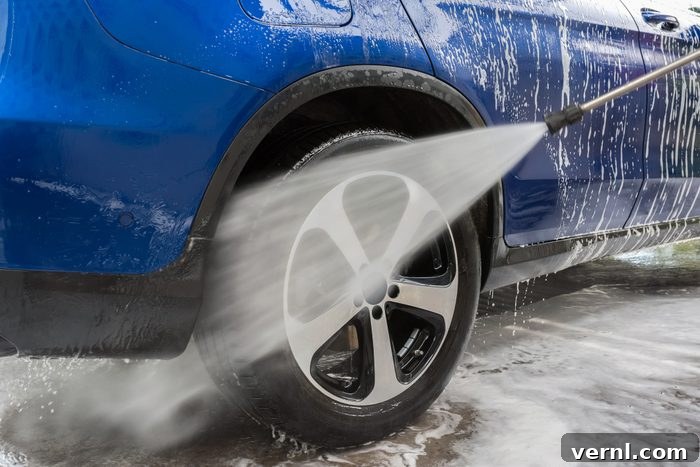
After rinsing, apply soapy wash using a car wash mitt in circular motions. Work panel by panel to ensure a comprehensive clean. Once the vehicle is washed, rinse it again from the top down.
Pro tip: Use separate sponges or mitts for your wheels. Wheels collect grime and small particles that can scratch the clearcoat.
Step 4: Dry the Exterior by Hand
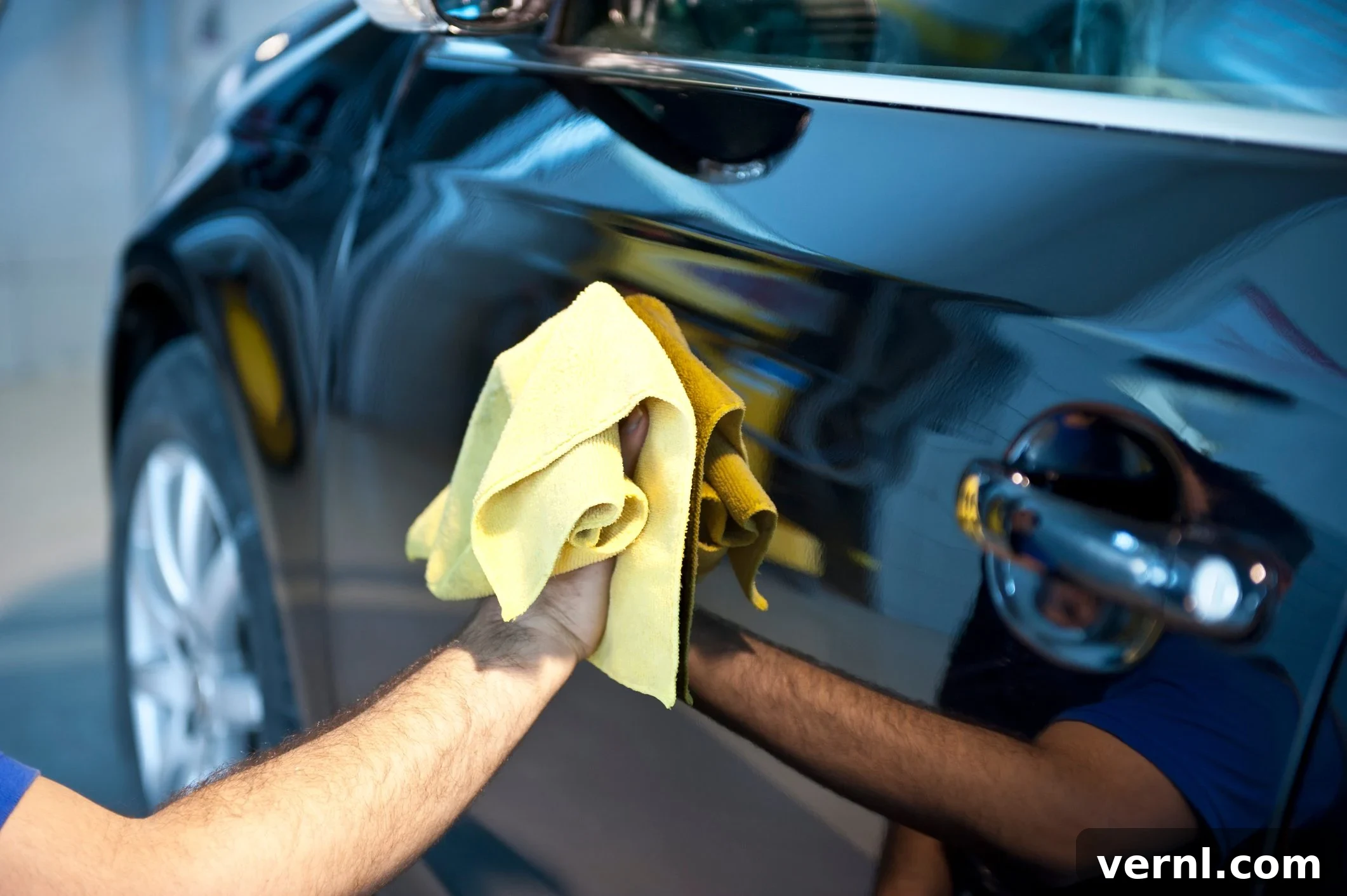
Avoid air drying, which can lead to water spots and a dull finish. Instead, dry the vehicle from top to bottom with a clean microfiber cloth. Use a separate cloth for your wheels.
Step 5: Apply Wax and Tire Shine
Apply carnauba wax to the clear coat to protect the vehicle. Apply the wax in circular motions, allow it to haze, and then buff with a clean microfiber cloth. Apply tire shine to the tire sidewalls to enhance the car’s appearance.
Inside Out: Detailing Your Car’s Interior
Once the exterior is clean, move to the interior.
Step 1: Declutter and Organize
Remove all items from the car, including the cabin, glove boxes, and trunk. This facilitates cleaning and allows you to organize what’s necessary.
Step 2: Wipe Down Dashboard and Panels
Use an all-purpose cleaner and a microfiber cloth to wipe the dashboard, instrument panel, center console, and door panels. Removing loose dust prior to vacuuming ensures a cleaner final result.
Step 3: Vacuum and Brush
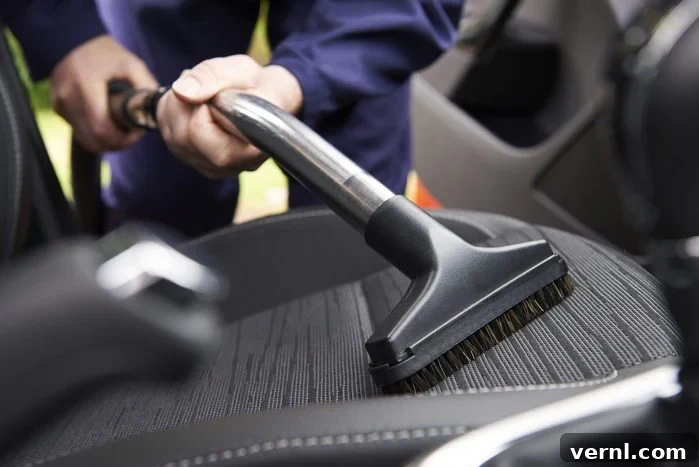
Use a soft brush to remove dust from vents, seat cushions, and door pockets, vacuuming as you go. Use a stiffer brush on carpets and mats before vacuuming. Don’t forget cupholders and headliners.
Step 4: Condition Leather Surfaces
Wipe leather seats, the steering wheel, and the shifter boot with leather conditioner to prevent drying and cracking. Remember, if you use a cleaner that is not designed for leather, it can cause the leather to dry out faster.
Step 5: Achieve Crystal-Clear Interior Glass
Proper technique is crucial for streak-free interior glass:
- Dry Wipe: Start by wiping the windows with a dry microfiber cloth to remove loose dust.
- Use Ammonia-Free Automotive Cleaner: Ammonia can damage window tint and interior surfaces.
- Apply Cleaner to the Towel, Not the Glass: Prevent overspray and maintain control.
- Wipe in a Consistent Direction: Wipe the interior in one direction (horizontal strokes). Wipe the exterior in the opposite direction (vertical strokes) for easy streak identification.
- Buff with a Second Dry Towel: Use a clean, dry microfiber cloth for the final buff.
Important Spring Car Maintenance Reminders
While performing your spring car wash, consider these maintenance tasks:
- Oil Change: If an oil change is due, now is the time.
- Wiper Blades: Check the condition of your wiper blades. Replace them if necessary.
- Cabin Filter: Replace the cabin filter if clogged or excessively dirty.
- Tire Rotation: Rotate your tires for even wear.
- Choose the best car cleaners for spring.
How to Protect Your Windows After Cleaning
Extend the cleanliness of your windows with these extra steps:
- Apply Water-Repellent Treatment: Use products like Rain-X to create a water-repellent coating.
- Use a Quality Glass Sealant: For longer-lasting protection.
- Manage Dust and Pollen: Quick wipe-downs between washes can help.
- Clean Your Wiper Blades: Wipe down the rubber edge with rubbing alcohol.
- Park Strategically: Park in a garage or covered area to protect your windows.
Frequently Asked Questions
Do I need special products to remove winter grime from car glass?
In most cases, a good quality ammonia-free automotive glass cleaner and microfiber towels will suffice. For stubborn exterior spots like tar or sap, you might need a dedicated remover or a clay bar treatment after washing but before final window cleaning. Always test specialty cleaners in an inconspicuous area first.
Can vinegar or DIY cleaners work for car windows?
While a 50/50 vinegar-water solution can help dissolve salt on undercarriages, it’s generally not recommended as a primary cleaner for car windows. Vinegar is acidic and could potentially harm tint or surrounding materials if not used carefully and rinsed. Dedicated ammonia-free automotive glass cleaners are formulated to be safe and effective for streak-free results. Avoid dish soap on any part of your car, including glass.