A blistering heat wave can turn a parked car — even one parked in the shade — into a dangerous, oven-like environment in minutes. Interior temperatures often climb far above outdoor readings, sometimes 40°F hotter or more, with cabin air routinely exceeding 140°F during extreme heat and dashboard surfaces reaching even higher temperatures.
Most people know never to leave children or pets unattended in a hot vehicle. But heat can also damage everyday items and create hazards you might not expect. Taking a quick moment to scan your car before you lock up can prevent ruined possessions, costly replacements, and potential safety risks.
Below are common items you should remove from your car during a heat wave, why they’re risky, and simple steps to protect yourself and your belongings.
Medications
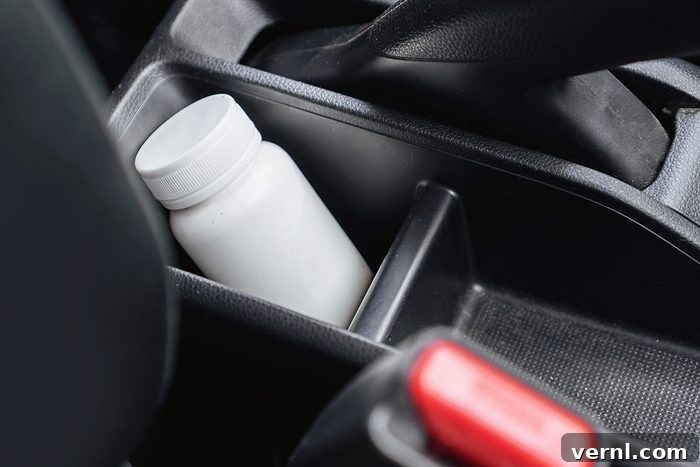
Prescription medicines, over-the-counter drugs, vitamins, insulin, and other medical supplies can degrade when exposed to high temperatures. Many medications require stable, controlled storage conditions; heat can reduce their potency or alter their chemical composition. In addition to loss of effectiveness, leaving medications in a vehicle increases the risk of theft, accidental access by children or pets, and loss of medical privacy. If you must transport medication during hot weather, keep it in a cool, insulated bag or take it with you when you leave the car. Check storage instructions on packaging or consult a healthcare provider for specific guidance.
Electronics and Battery-Powered Devices
Electronic items such as smartphones, laptops, tablets, cameras, power banks, portable gaming consoles, rechargeable tools, and other battery-powered gadgets are sensitive to heat. High temperatures accelerate battery wear, can cause internal damage, and may lead to sudden shutdowns or reduced performance. Lithium-ion batteries are particularly vulnerable; they can swell, leak, or malfunction when overheated. Even outside extreme heat, leaving electronics visible in an unattended vehicle increases the risk of theft. Store devices in a shaded, secure compartment or take them with you.
Aerosol Cans
Aerosol products—deodorants, hairsprays, spray paint, air fresheners, and some sunscreens—are pressurized and can become dangerous when exposed to high heat. Rising temperatures increase internal pressure and may cause leaks, ruptures, or, in extreme cases, explosions. Check product labels for temperature limits, but when in doubt remove aerosol cans from the vehicle during hot weather to avoid potential hazards.
Sunscreen
Sunscreen is essential for skin protection in summer, but it is also affected by heat. Prolonged exposure to high temperatures can break down active ingredients, reducing effectiveness, and may cause containers to warp or leak. Store sunscreen in a cool place rather than leaving it in the car when temperatures are high.
Eyeglasses and Sunglasses
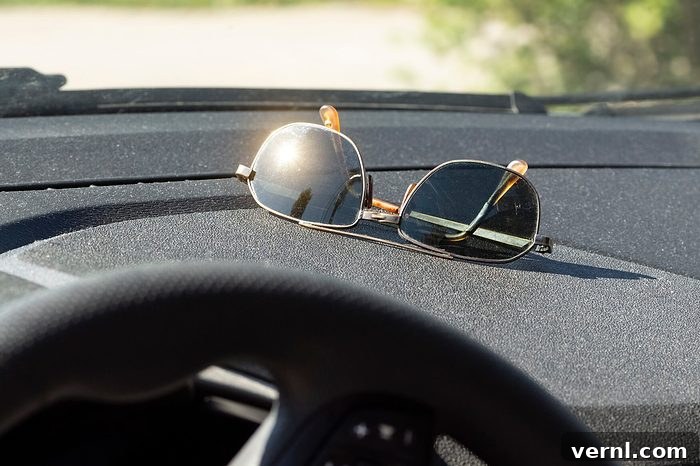
Eyewear is another common casualty of extreme heat. Plastic frames and lens coatings can warp or delaminate, and metal frames can become uncomfortably hot to touch. Avoid leaving glasses or sunglasses exposed on the dashboard or in direct sunlight; store them in a protective case and take them with you when you leave the vehicle.
Plastic Water and Soda Bottles
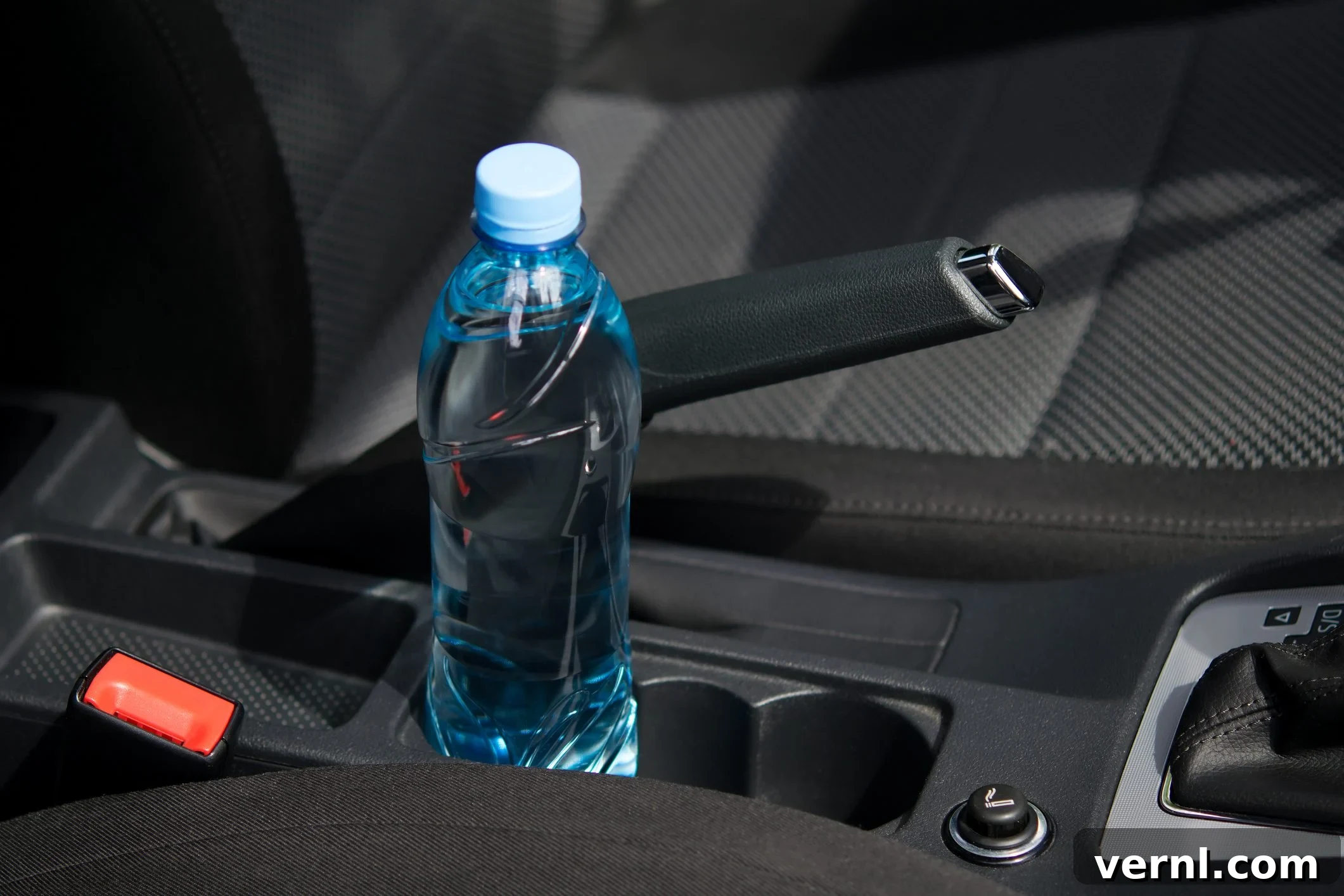
Plastic bottles exposed to high temperatures can affect the taste and perceived quality of the liquid inside, and some types of plastic may leach chemicals when repeatedly heated. Clear plastic bottles placed in direct sun can also concentrate light and, in rare circumstances, increase fire risk. Reusable, insulated bottles fare better in heat, but be cautious—liquids inside a hot car can reach temperatures that are unsafe to drink.
Food, Groceries and Other Perishables
Perishable foods spoil quickly in hot cars. Items such as dairy, meat, frozen goods, and delicate sweets like chocolate can melt or become unsafe to eat after only a short time in high temperatures. If you’re running errands with groceries, use an insulated cooler or make the car your final stop to minimize the time food spends in the heat.
Keeping your vehicle and its contents safe during a heat wave requires a little planning. Remove temperature-sensitive items, store valuables out of sight or take them with you, and consider insulated containers for medications and perishables. These small steps will protect your health, preserve belongings, and reduce potential hazards caused by extreme heat.
Sources
Ready.gov — Extreme Heat Safety resources
Kids and Car Safety — Hot Car information
CDC — Guidance on heat and medications