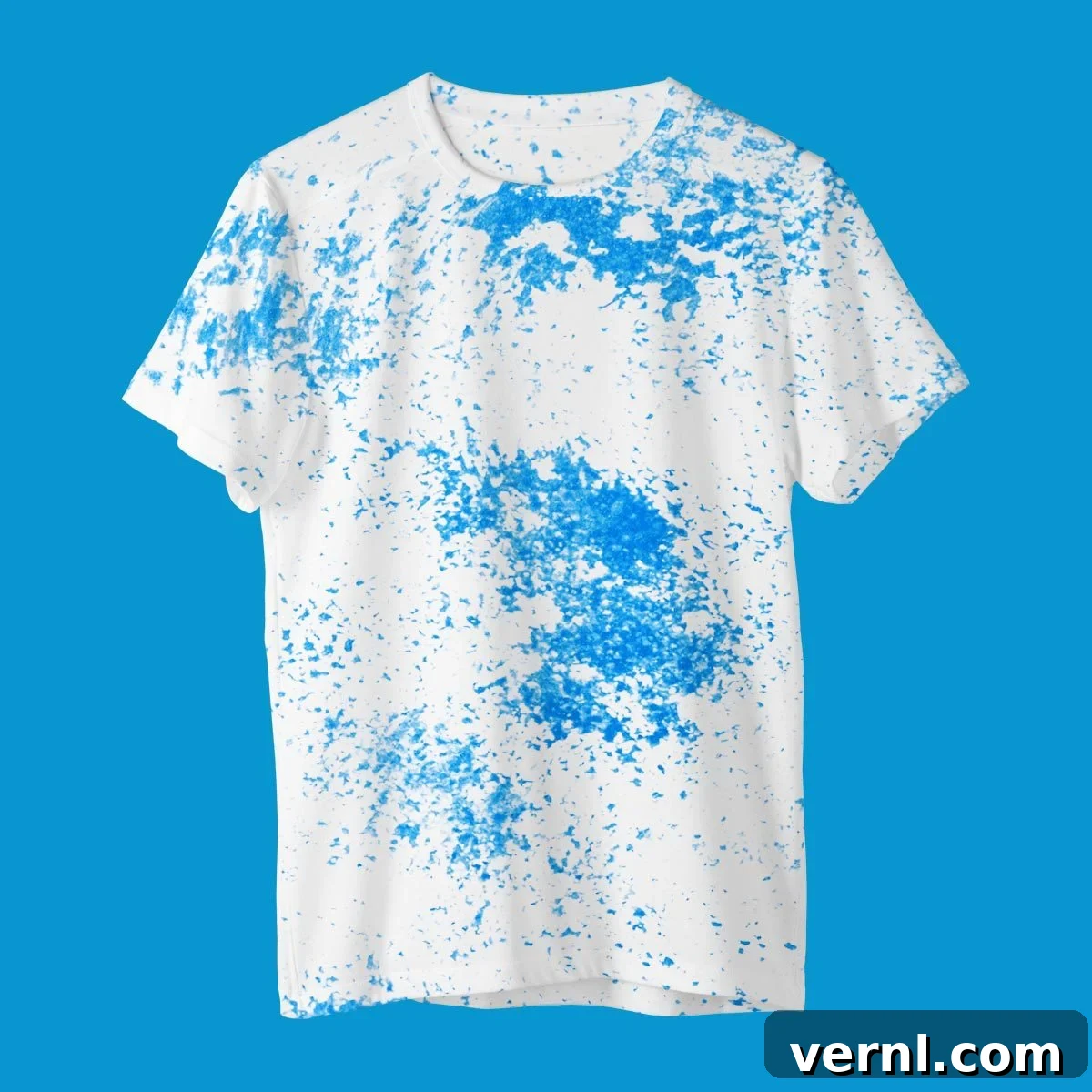
Decoding the Mystery: Why Blue Stains Appear on Your Freshly Washed Clothes
Imagine the satisfying feeling of completing a load of laundry. You’re ready to pull out those crisp, clean clothes, fold them neatly, and put them away, marking another chore off your list. But as you retrieve your garments from the dryer, a perplexing sight catches your eye: inexplicable blue stains marring your otherwise pristine white clothes. This common, yet frustrating, laundry dilemma leaves many bewildered. Where did these unwelcome blue marks originate? More importantly, how can you eliminate them and prevent their recurrence? This comprehensive guide delves into the mystery, offering clear explanations and actionable solutions so you’re not left puzzling over pen marks or other unlikely culprits.
Before diving into the causes, it’s crucial to understand the golden rule of stain removal: immediate action. Just like a stubborn chocolate or wine stain on your favorite shirt, heat is the enemy of blue laundry stains. Once a stain goes through the dryer, the heat can set it permanently, making removal significantly more challenging, if not impossible. Therefore, if you spot any new blue discoloration, treat the affected garment promptly. Apply a suitable stain remover or pre-treater, then toss it back into the washing machine for another cycle. Always inspect the item thoroughly before allowing it to enter the dryer again, ensuring the stain has completely vanished.
The Primary Suspect: Your Laundry Detergent
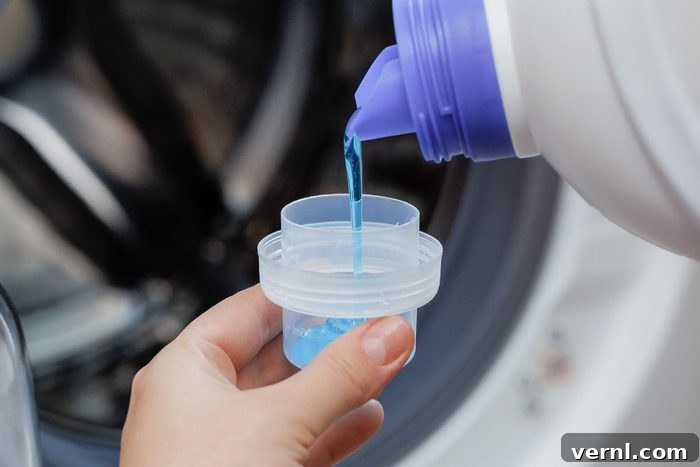
According to laundry experts, including insights from Whirlpool, the most frequent offender behind those mysterious blue stains on your clothing is often your laundry detergent itself. This might seem counterintuitive, as detergent is designed to clean, not stain. However, several factors related to detergent use can lead to unsightly blue marks, especially on lighter fabrics.
1. Incorrect Detergent Usage and Dispensing
- Too Much Detergent: A common misconception is that more detergent equates to cleaner clothes. In reality, using an excessive amount of detergent is a leading cause of blue stains. Modern washing machines, particularly high-efficiency (HE) models, require far less detergent than older machines. Overdosing leads to oversudsing, which can prevent proper rinsing. The undissolved or poorly rinsed detergent residue, often blue in color, then redeposits onto your clothes as visible stains.
- Improper Water Temperature: Many detergents, especially powders and some concentrated liquids, are formulated to dissolve best in warm or hot water. If you consistently wash in cold water, particularly with conventional detergents, they may not dissolve completely. This undissolved blue pigment can then cling to fabrics, causing stains. Always check your detergent’s instructions for recommended water temperatures.
- Incorrect Loading of Detergent: The way you add detergent to your machine matters.
- Top-Loaders: Some advise adding detergent to the water first, allowing it to dissolve, before adding clothes. Pouring concentrated liquid detergent directly onto dry clothes can lead to localized staining.
- Front-Loaders and HE Machines: These typically have dedicated detergent dispensers. If these dispensers are not cleaned regularly, they can accumulate old, congealed detergent residue. When new detergent is added, it mixes with this old residue, which might not dispense properly or fully dissolve, leading to stains.
- Detergent Type: While liquid detergents are often the culprit due to their concentrated blue dyes, even detergent pods can sometimes cause issues if they don’t dissolve fully, leaving a concentrated stain.
2. Washing Machine Buildup and Maintenance
The cleanliness of your washing machine itself plays a significant role. Over time, residue from previous loads—including detergent, fabric softener, and minerals from hard water—can accumulate within the drum, agitator, dispenser drawers, and even the hoses. This soapy, grimy buildup, often with a bluish tint from detergent dyes, can transfer onto your clothes during a wash cycle, manifesting as fresh stains. Regular cleaning of your washing machine is essential to prevent this issue. This includes running an empty hot water cycle with white vinegar or a machine cleaner, and scrubbing out dispenser trays.
3. Hard Water Conditions
If you live in an area with hard water, the minerals present (like calcium and magnesium) can interact with your detergent. This interaction can reduce the detergent’s effectiveness, making it harder for it to dissolve completely and rinse away cleanly. The remaining undissolved detergent, often blue, then gets trapped in the fabric fibers, resulting in visible stains.
Troubleshooting and Prevention for Detergent Stains:
- Read Instructions: Always refer to the instructions on your detergent bottle or box. Manufacturers provide specific guidance on correct dosage and usage for different machine types and load sizes.
- Measure Accurately: Use the measuring cap or scoop provided with your detergent. Avoid the temptation to “eyeball” the amount. For concentrated formulas, a little goes a long way.
- Load Correctly: For most machines, add detergent according to the manufacturer’s directions (e.g., into the dispenser, or into the empty drum before adding clothes). Avoid pouring concentrated liquid detergents directly onto dry fabric.
- Adjust Water Temperature: Consider using warmer water settings for loads that tend to get detergent stains, especially if using conventional detergents, or switch to detergents formulated for cold water washes.
- Clean Your Washer Regularly: Perform monthly cleaning cycles on your washing machine. Pay special attention to wiping down the inside of the drum, cleaning out detergent and fabric softener dispensers, and checking the rubber gasket on front-loaders for residue buildup.
- Don’t Overload: Overfilling your washing machine prevents clothes from moving freely, hindering proper water circulation and rinsing. This can leave detergent residue trapped in fabrics.
- Consider Water Softener: If you have hard water, consider using a water softener additive or installing a whole-house water softener to improve detergent performance.
What If My Dryer Drum Is Stained Blue? Understanding Dye Transfer
Beyond detergent residue, another potential source of blue discoloration, particularly if you notice the stains *after* drying or if your dryer drum itself is stained blue, is dye transfer. Whirlpool explains that a blue-stained dryer drum is almost always the result of dye bleeding from heavily dyed clothing, most commonly new blue jeans or other dark-colored garments that haven’t been washed many times. While dye transfer in the washer is a well-known phenomenon, it can also occur in the dryer, especially with items that release a lot of excess dye.
How Dye Transfer Happens in the Dryer:
- New or Dark Denim: New denim, in particular, is notorious for bleeding dye, especially during its first few washes and drying cycles.
- Heavily Dyed Fabrics: Other intensely colored garments, particularly those made with lower-quality dyes, can also release color when exposed to the heat and tumbling action of the dryer.
- Moisture and Heat: Even if clothes are relatively dry when they enter the dryer, any residual moisture combined with the heat can reactivate loose dyes, causing them to transfer to the dryer drum or, in rare cases, to other lighter garments.
Addressing a Stained Dryer Drum:
While a blue-stained dryer drum is often primarily an aesthetic issue, it’s natural to worry if this dye will transfer to your clean, wet laundry. According to Whirlpool, dye transfer from the dryer drum to your subsequent loads of wet laundry is generally uncommon. The reason is that wet clothes, by their nature, don’t readily absorb dry, set dye from the drum. However, to be absolutely safe and to maintain the pristine condition of your appliance, it’s always a good practice to clean any noticeable staining from the dryer drum if you have the time and energy. Integrating this into your regular laundry routine, perhaps when you’re already deep cleaning your lint trap, is an excellent habit.
Cleaning a Blue-Stained Dryer Drum:
Removing dye stains from your dryer drum requires a gentle but effective approach:
- Ventilate: Ensure the laundry area is well-ventilated.
- Test First: Always test any cleaning solution on an inconspicuous area of the drum first.
- Mild Abrasives or Solvents:
- White Vinegar: Dampen a soft cloth with undiluted white vinegar and wipe down the affected areas. The mild acidity can help break down dye residue.
- Rubbing Alcohol: For more stubborn stains, rubbing alcohol can be effective. Apply it to a cloth and gently rub the stained areas.
- Non-Abrasive Household Cleaners: Some multi-surface cleaners or specific appliance cleaners formulated for dryers can also work. Avoid harsh abrasive cleaners or steel wool, which can scratch the drum’s surface.
- Bleach Alternative (Oxygen Bleach): For very persistent stains, a paste made from an oxygen-based bleach (like OxiClean) and water can be applied, left to sit for a short period, then wiped clean. Follow product instructions carefully. **Never mix bleach with other cleaners, especially ammonia-based ones, as it can create dangerous fumes.**
- Wipe Clean: After applying your chosen cleaner, thoroughly wipe the drum with a clean, damp cloth to remove all residue.
- Run a “Test” Load: To ensure no cleaning solution remains, run a load of old rags or towels through a short, low-heat cycle. This will absorb any lingering residue and confirm the drum is truly clean before you dry your regular clothes.
Preventing Dye Transfer in the Dryer:
- Sort by Color: Always separate dark colors, especially new items like denim, from whites and light-colored clothes before drying.
- Turn Inside Out: As suggested by experts, turning heavily dyed items like new blue jeans inside out before putting them in the dryer can help mitigate dye transfer by keeping the outer, most saturated layer of fabric from rubbing directly against the drum or other garments.
- Wash New Items Separately: For the first few washes, consider washing and drying new dark or brightly colored items separately to allow excess dye to leach out without affecting other clothes or your appliance.
- Clean Your Lint Trap: A clean lint trap not only improves dryer efficiency and safety but can also help catch some dye particles, although its primary role isn’t dye prevention.
General Principles for Treating and Preventing Laundry Stains
Mastering laundry care means understanding the fundamentals of stain removal and prevention. For any mysterious stain, especially blue ones, a proactive approach is your best defense.
Effective Stain Treatment Steps:
- Identify and Isolate: As soon as you spot a blue stain, remove the affected garment from the rest of the laundry.
- Avoid Heat: Repeat: never put a stained item in the dryer. The heat will likely set the stain, making it incredibly difficult, if not impossible, to remove.
- Pre-Treat Immediately:
- For detergent-related blue stains: Re-wash the item. You might need to pre-treat the stain with a liquid laundry detergent or a commercial stain remover before re-washing. Apply the detergent directly to the stain, gently rub it in, and let it sit for 5-15 minutes before re-washing in the warmest water safe for the fabric.
- For dye transfer stains (if they occur on clothes): Treat these similarly to other dye bleeding incidents. A commercial color run remover might be necessary, or a soak in an oxygen bleach solution (for white or colorfast items).
- Inspect Thoroughly: After washing and before drying, carefully check the garment to ensure the stain is completely gone. If even a faint trace remains, repeat the treatment process.
Cultivating Stain-Free Laundry Habits:
- Mindful Detergent Use: Always measure detergent precisely. Consider using high-quality, cold-water soluble detergents if you prefer cold washes. For HE machines, ensure you’re using HE-specific detergents to prevent oversudsing and residue.
- Sort Your Laundry: This fundamental step remains paramount. Separate whites from colors, and darks from lights. Pay extra attention to new garments, washing them separately for their first few cycles.
- Don’t Overload the Machine: Give your clothes enough space to tumble, agitate, and rinse thoroughly. An overloaded machine can’t effectively clean or rinse, leading to detergent residue and less effective stain removal.
- Regular Machine Maintenance: Make washing machine and dryer cleaning a regular part of your household chores. This prevents the buildup of residue that can lead to stains and keeps your appliances running efficiently.
- Use Fabric Softener Sparingly: Fabric softener can also leave residue, sometimes blue, on clothes and inside your machine. If you use it, add it to the dispenser at the correct time in the wash cycle, and consider using less or skipping it for some loads.
- Check Pockets: While not the cause of blue stains, checking pockets for pens, markers, or other items is a good habit to prevent other types of laundry disasters.
Conclusion: Take Control of Your Laundry
Finding unexpected blue stains on your freshly laundered clothes can be incredibly frustrating, transforming a routine chore into a puzzling ordeal. However, by understanding the primary culprits—your laundry detergent usage and potential dye transfer in the dryer—you can arm yourself with the knowledge and techniques needed to tackle these issues head-on. From meticulously measuring your detergent and ensuring proper machine loading to regularly cleaning your washing machine and dryer drum, proactive habits are your best defense against unwelcome discoloration.
Remember, the key to successful stain removal is vigilance and prompt action, always keeping heat away from stained fabrics. By implementing these straightforward yet effective strategies, you can confidently reclaim your laundry, ensuring your clothes emerge not just clean, but truly spotless, ready to wear without a hint of that mysterious blue. Say goodbye to laundry mysteries and hello to consistently perfect results!
Sources
How to Get Detergent Stains Out of Clothes, Whirlpool.
Dryer Drum Stained or Dye Transfer, Whirlpool.