Revolutionizing Your Wardrobe: The Smart Laundry Chair Solution for Modern Living
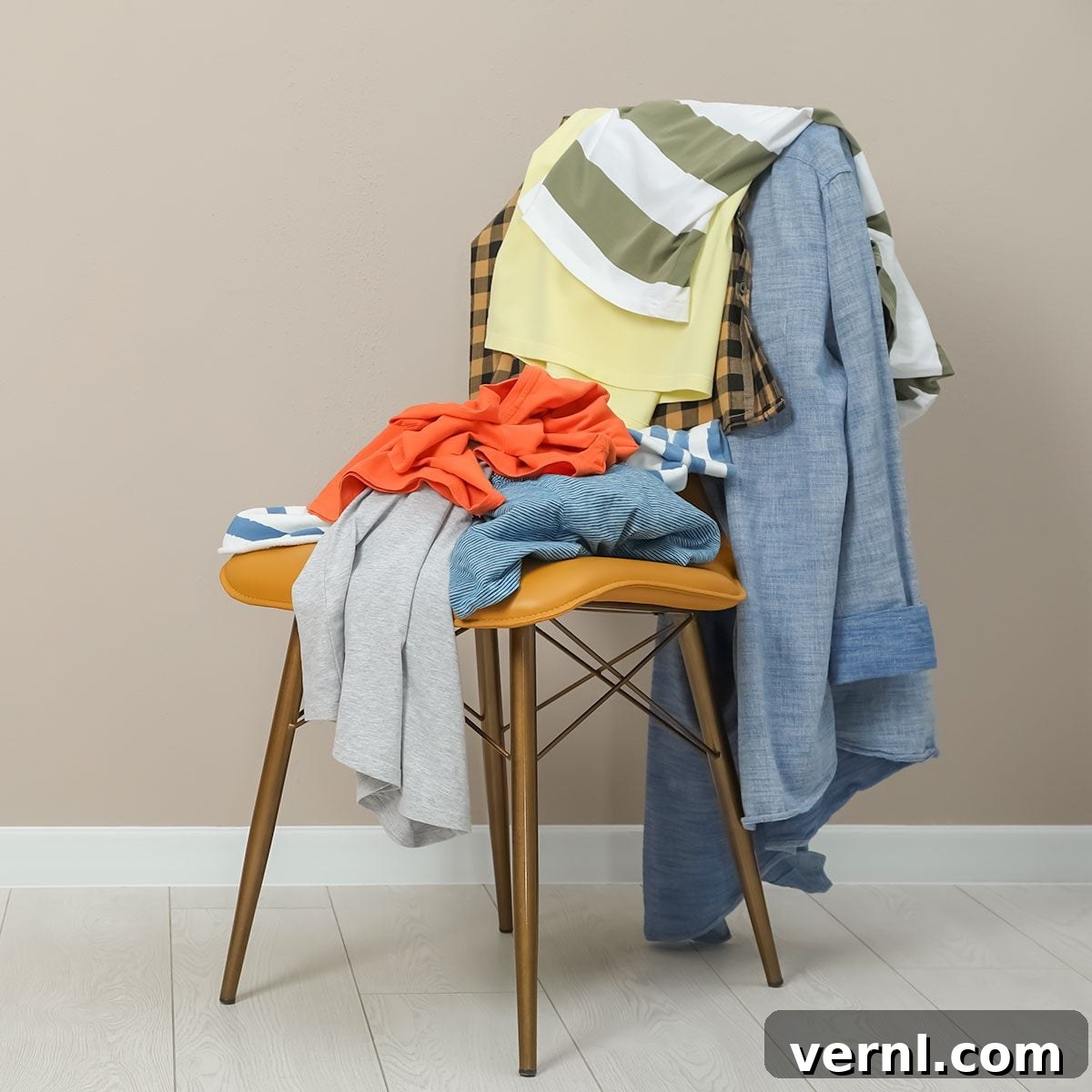
The never-ending cycle of laundry is a universal challenge, a Sisyphean task that often feels impossible to conquer. For many, the sheer volume of washing, drying, folding, and putting away clothes consumes precious time, often accumulating faster than it can be managed. While meticulous individuals might swear by immediate folding and storage, a vast number of people find themselves grappling with a common household phenomenon: the “laundry chair.” This seemingly innocuous piece of furniture, often found in bedrooms, becomes an unintended repository for clothes that are not quite clean enough for the closet, yet not dirty enough for the hamper. It’s a testament to the complexities of modern wardrobe management and the constant battle against clutter, especially for those living in smaller spaces where every inch counts.
This article delves into the ubiquity of the laundry chair, exploring its practical appeal and its undeniable downsides. We’ll uncover the psychological reasons behind its existence, examine its impact on home aesthetics and personal well-being, and ultimately introduce a groundbreaking innovation by Swedish inventor Simone Giertz that promises to redefine this common dilemma. Her ingenious solution offers a fresh perspective on how we interact with our clothing and organize our living environments, marrying functionality with smart design to create a truly transformative piece of furniture.
The Ubiquitous “Laundry Chair” Phenomenon
For those unfamiliar with the term, a “laundry chair” is precisely what it sounds like: a chair, usually located in a bedroom, designated (often unintentionally) as the temporary home for “half-dirty” or “half-worn” clothes. These are garments that have been worn at least once but aren’t quite ready for a full wash cycle. Think of your favorite pair of jeans worn for a quick lunch, a sweater donned for a few hours, or pajamas that have seen a couple of nights’ wear. They exist in an ambiguous state, too soiled to be neatly folded back into a drawer or hung in a closet with fresh clothes, yet not dirty enough to warrant immediate laundering.
Why Do We Use a Laundry Chair?
The appeal of the laundry chair lies in its perceived convenience and the practical “in-between” space it offers. It allows individuals to extend the life of their clothes, reducing the frequency of washes and thereby conserving water, energy, and the wear and tear on fabrics. This approach aligns with a more sustainable lifestyle, where garments are washed only when truly necessary. Furthermore, it helps keep genuinely clean clothes in the closet fresh and free from contact with items that may carry slight odors or dust. For many, it’s a simple, albeit often subconscious, strategy to manage the daily ebb and flow of their wardrobe without immediate commitment to a full laundry day.
The Hidden Downsides: More Than Just an Eyesore
While the laundry chair offers a temporary solution, its long-term implications are often more problematic than helpful. What starts as a convenient spot for a few items can quickly devolve into a chaotic pile, transforming a functional piece of furniture into an unusable monument to procrastination. The most immediate downside is aesthetic: a chair laden with clothes becomes an eyesore, disrupting the visual harmony and tranquility of a bedroom. This visual clutter can contribute to mental stress, making the space feel less relaxing and organized.
Beyond aesthetics, a piled-up laundry chair presents several practical issues. The furniture itself becomes inaccessible, negating its original purpose as a seating area. In smaller homes or apartments, where every piece of furniture needs to serve multiple functions, sacrificing a chair to a mound of clothes is particularly inefficient. Furthermore, clothes left piled up can wrinkle more easily, trap odors, and even become breeding grounds for dust and allergens, negating the very benefit of “airing out” that some users might implicitly seek. Finding specific items within this heap can become a frustrating ordeal, leading to more wasted time and decision fatigue. The laundry chair, therefore, represents a common organizational challenge that cries out for a more thoughtful, integrated solution.
Traditional Approaches to Half-Worn Clothes (and Their Limitations)
Before Giertz’s innovation, people have tried various methods to manage half-worn clothing. Some opt for a “wear-again” section in their closet, utilizing specific hooks or a designated shelf. Others might have a small, separate hamper for these items. While these methods can be somewhat effective, they often lack the crucial element of proper ventilation. Hanging clothes within a crowded closet, or stuffing them into a confined hamper, prevents adequate air circulation, which is essential for dissipating moisture and odors, and for allowing fabric fibers to relax. This limitation often brings people back to the perceived convenience, despite the drawbacks, of the open-air laundry chair.
Enter Simone Giertz: A Revolutionary Approach to Bedroom Organization
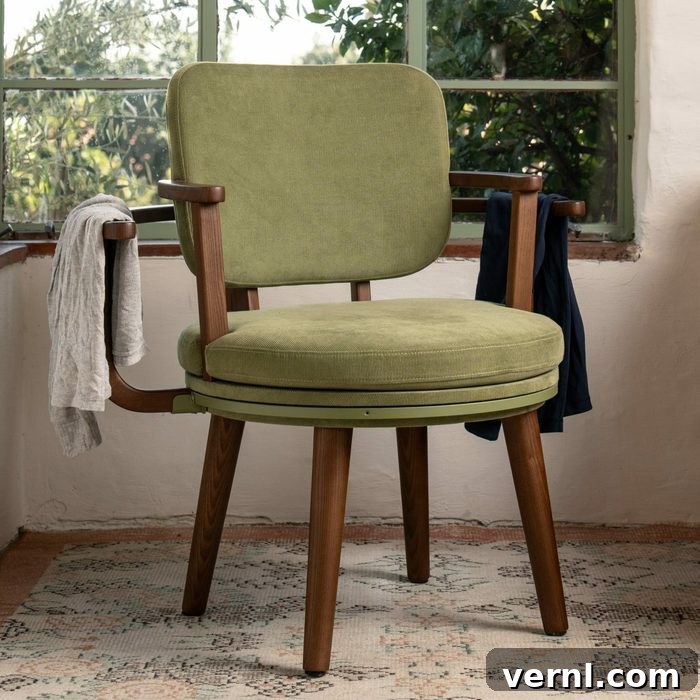
Recognizing this widespread yet unaddressed problem, Simone Giertz, the renowned Swedish inventor, robotics enthusiast, and YouTuber known for her often humorous yet incredibly practical inventions, decided to tackle the laundry chair dilemma head-on. Her company, Yetch, developed an ingenious solution that reimagines this common piece of furniture: the new “Laundry Chair.” Giertz’s invention is not merely a chair; it’s a meticulously designed piece of functional furniture that integrates smart storage and garment care into its very essence.
What Makes Giertz’s Laundry Chair Different?
The core innovation of Giertz’s Laundry Chair lies in its dual functionality and a deceptively simple yet profoundly impactful feature: a movable, integrated rail system. This system allows users to hang and air out their clothing properly without sacrificing the chair’s primary purpose as a comfortable seating area. When not in use, the rail discreetly tucks away, maintaining the chair’s clean lines and aesthetic appeal. When needed, it extends to provide ample space for several garments.
Giertz eloquently explains the fundamental principle behind her design: “When you hang something up instead of putting it back in a drawer, the fabric can breathe. Moisture dries out, smells fade, wrinkles relax.” This insight forms the bedrock of her invention. By providing a dedicated, ventilated space for half-worn clothes, the Laundry Chair addresses multiple pain points simultaneously:
- Optimal Garment Care: Hanging clothes allows air to circulate freely around the fabric, accelerating the drying of any lingering moisture and significantly reducing odors. This proper aeration is crucial for extending the life of garments, preventing mildew, and maintaining their freshness between washes.
- Wrinkle Reduction: Gravity and the opportunity for fabrics to relax naturally help to smooth out minor wrinkles, reducing the need for frequent ironing or steaming.
- Enhanced Organization: Instead of a chaotic pile, clothes are neatly hung, making them easy to see and access. This organized system contributes to a calmer bedroom environment and reduces decision fatigue when choosing an outfit.
- Space Efficiency: The chair cleverly combines two essential functions into one piece of furniture. It eliminates the need for separate hanging racks or the clutter of a traditional laundry chair, freeing up valuable floor space, particularly beneficial for compact living situations.
- Aesthetic Appeal: Designed with clean lines and modern aesthetics, Giertz’s Laundry Chair is a stylish addition to any bedroom, contributing to a sense of order and sophistication rather than detracting from it.
The thoughtful integration of these features makes Giertz’s Laundry Chair a practical and truly space-saving solution that transforms a common household problem into an opportunity for improved living. It’s a testament to minimalist design philosophy, where every element serves a purpose, enhancing both utility and beauty.
The Impact and Benefits of Adopting a Smart Laundry Solution
Embracing a solution like Giertz’s Laundry Chair goes beyond simply tidying up a bedroom. It signifies a shift towards more conscious consumption and sustainable living practices. By facilitating proper care for garments between washes, it inherently encourages a reduction in laundry frequency. This translates directly to less water and energy consumption, contributing positively to environmental conservation efforts. Extending the lifespan of clothes also means less textile waste, aligning with a more circular economy and responsible fashion choices.
Moreover, the mental benefits of a clutter-free and organized space cannot be overstated. A tidy bedroom contributes to a more peaceful mind, reducing stress and enhancing overall well-being. Knowing that your clothing management system is efficient and effective frees up mental energy, allowing you to focus on other aspects of your life. Giertz’s innovation isn’t just about a chair; it’s about empowering individuals to take better control of their living spaces and daily routines, fostering a sense of calm and order.
If you’re intrigued by this ingenious concept and eager to learn more about how Simone Giertz is redefining everyday furniture, you can explore the details of her creation. Her vision for the Laundry Chair successfully launched through a Kickstarter campaign. The campaign concluded on April 12, 2026, with an anticipated shipping schedule for backers in November 2026. This innovative piece of furniture represents a forward-thinking approach to common household frustrations, proving that even the most mundane problems can inspire elegant and impactful solutions.
The laundry chair, once a symbol of domestic chaos, is now poised for a smart, functional, and aesthetically pleasing transformation thanks to inventors like Simone Giertz. Her design offers a beacon of hope for a more organized, sustainable, and serene home environment, one thoughtfully designed piece of furniture at a time.