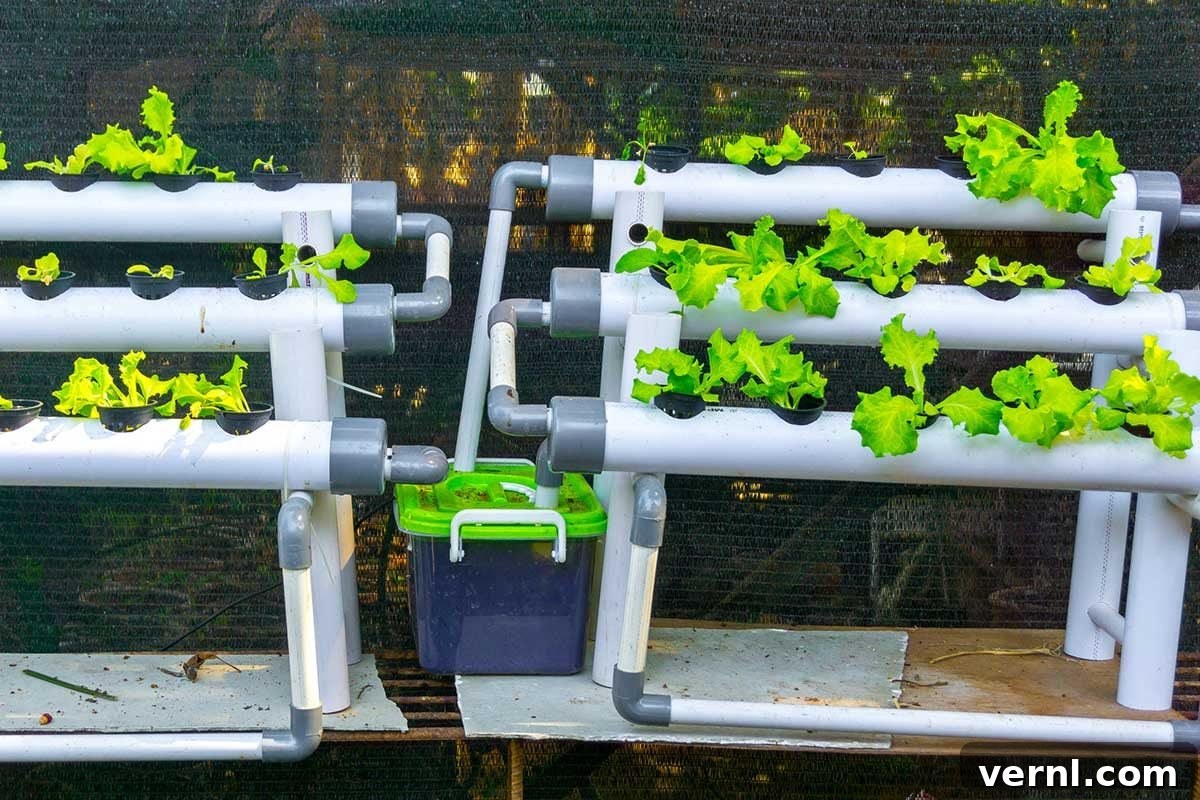
The Rise of Hydroponics: A Sustainable Solution for Future Farming
As the global population continues its relentless ascent, humanity faces an increasingly pressing challenge: how to feed billions of people with finite resources. Traditional agricultural methods are reaching their limits, constrained by diminishing arable land and dwindling freshwater supplies. In this critical context, a revolutionary approach to food production is gaining prominence: hydroponic agriculture. This innovative, soil-less farming technique offers a compelling answer to resource scarcity, demanding minimal space and significantly less water, while consistently delivering much higher yields than conventional farming. Its versatility allows for cultivation both indoors and outdoors, making it an incredibly adaptable solution for diverse environments.
“Hydroponics is undeniably poised to shape the future of agriculture,” affirms renowned gardening author and horticulturist Brie Arthur. “In a world where scientists are diligently working to address the urgent issues of food security and natural resource management in a sustainable and ecologically responsible manner, hydroponics is destined to play a pivotal role.”
The transformative potential of next-generation hydroponic farming has captured the attention of a wide spectrum of stakeholders, from developing nations striving for food independence to advanced research institutions like NASA, exploring possibilities for space colonization. Beyond these large-scale applications, hydroponics is also fostering a rapidly expanding community among home gardeners. The undeniable advantages of reduced water and space requirements, coupled with dramatically increased yields, prove equally attractive whether the goal is to feed an entire nation, sustain astronauts on a journey to Mars, or simply provide fresh, nutritious produce for one’s own family.
If you’re considering embracing this cutting-edge method, here’s everything you need to know about starting and maintaining a thriving hydroponic garden.
What Exactly Is a Hydroponic Garden?
At its core, “hydroponics is a specialized branch of horticulture and a subcategory of hydroculture, defined as a method of cultivating plants without the use of soil,” explains Arthur. Instead, plants receive their essential mineral nutrient solutions dissolved directly in an aqueous solvent. Terrestrial plants can be grown either with their roots directly submerged in this nutrient-rich liquid, or their roots can be physically supported by an inert growing medium. Common examples of such mediums include perlite, gravel, rockwool, coco coir, or expanded clay pebbles (LECA).
To put it simply, instead of planting seeds or seedlings in a bed of soil, you establish them within a specially designed structure that suspends their root systems in a precisely formulated solution of water and essential nutrients. Integrated pumps and aeration systems are then employed to continuously circulate this nutrient solution past the roots, ensuring maximum absorption of vital elements and providing ample oxygen, which is crucial for healthy root development.
This direct and efficient delivery of nutrients has a profound impact on plant growth. Plants grown hydroponically only need to develop a relatively small number of fibrous roots, rather than expending significant energy on cultivating an extensive root system to forage for water and nutrients in the soil. This “turbo-boosts” their overall growing power, allowing them to focus resources on foliage, fruit, and flower production. The result is faster growth rates, higher yields, and the ability to plant crops much more densely. Furthermore, in the controlled environment of an indoor hydroponic garden, this method permits year-round cultivation, liberating gardeners from the constraints of seasonal changes and climate fluctuations.
How Hydroponic Gardens Revolutionize Food Production Compared to Traditional Methods
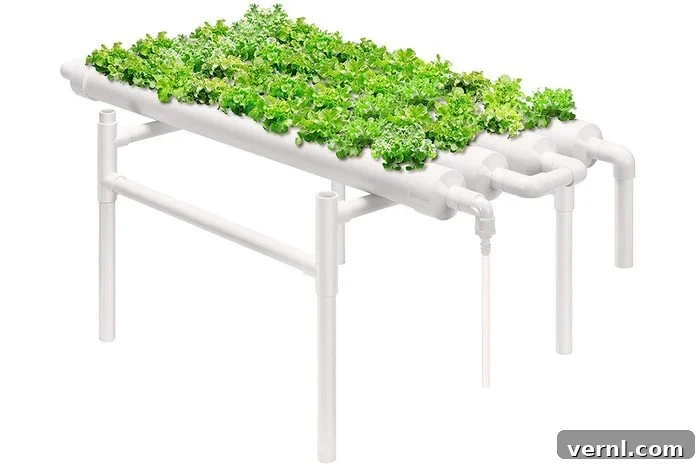
The distinctions between hydroponic and traditional gardening are fundamental, each offering unique advantages and challenges. Understanding these differences is key to appreciating the revolutionary potential of hydroponics.
-
Soil-Less Cultivation: The most apparent difference is the absence of soil. While traditional gardens are planted directly in the earth, in raised beds, or in soil-filled containers, hydroponic gardens operate within a water-based hydroponic system. These systems come in a vast array of designs and scales, from simple, individual deep water culture (DWC) bucket systems to sophisticated multi-level vertical tiers or expansive nutrient film technique (NFT) tables. The absence of soil eliminates common soil-borne pests and diseases, reduces the physical labor of tilling, and allows for greater control over the root environment.
-
Drastic Water Conservation: One of the most compelling advantages of hydroponics is its incredible water efficiency. Because the water supply is circulated through a closed or semi-closed system multiple times before any is discarded or replenished, hydroponic gardens require significantly less water than traditional gardens – often up to 90% less. In contrast, traditional gardens lose a substantial portion of their water supply to inefficient drainage, rapid evaporation from soil surfaces, and runoff. Hydroponic systems minimize water dispersion, making them an eco-friendly choice in regions facing water scarcity and contributing to overall environmental sustainability.
-
Indoor Cultivation and Climate Control: Unlike traditional gardens that are entirely reliant on natural sunlight for plant photosynthesis, hydroponic gardens can be successfully cultivated indoors with the aid of supplemental artificial lighting, such as LED grow lights. This capability allows for complete environmental control over factors like temperature, humidity, and CO2 levels, creating optimal growing conditions irrespective of external weather patterns. “Any location with sufficient light and access to electricity holds the potential for a thriving hydroponic setup,” remarks Arthur, highlighting its adaptability to urban settings or even basements.
-
Exceptional Space Efficiency: Hydroponic systems, particularly those designed in vertical tiers or shelves, enable gardeners to grow an equivalent or even greater number of plants as a traditional garden, but within a mere fraction of the physical space. Outdoor plants in soil typically require ample room for their root systems to expand and to capture sufficient sunlight. However, the nutrient-rich solution in hydroponic gardening, combined with precisely controlled supplemental lighting in indoor setups, ensures that plants receive all the macro- and micronutrients they need, even when densely spaced. This makes vertical hydroponic farming ideal for urban environments where space is a premium.
-
Reduced Pests, Weeds, and Diseases: A significant advantage of soil-less cultivation is the dramatic reduction in common garden nuisances. Hydroponic gardens are inherently free of weeds, as there’s no soil for weed seeds to germinate in. Furthermore, the contained nature of hydroponic systems, especially indoors, substantially lowers the incidence of pests and diseases that typically thrive in soil or are carried by outdoor elements. Any pests or diseases that do manage to appear are generally easier to identify and manage organically, according to Arthur, due to the isolated environment.
-
Year-Round Growing Season: One of the most appealing aspects of indoor hydroponic gardening is the ability to cultivate plants continuously, throughout the entire year. With traditional outdoor gardens, cultivation is typically limited to an annual growing season, except in the most temperate climates. Hydroponics, however, liberates growers from the constraints of seasons, frost, or extreme heat, ensuring a consistent supply of fresh produce regardless of the calendar.
-
Specialized Nutrient Delivery: Hydroponic gardens necessitate a specific solution of macro- and micronutrients, meticulously formulated for this type of soil-less agriculture. These solutions are balanced to provide everything a plant needs directly to its roots. “Micronutrients, though required in smaller quantities, are just as vital as macronutrients for plant health,” explains Arthur. “Most fertilizers designed for soil-based growing primarily focus on macronutrients (Nitrogen, Phosphorus, Potassium), assuming that essential micronutrients (like iron, magnesium, calcium, zinc, boron, etc.) will naturally be sourced from the soil itself and other amendments. In hydroponics, the grower must supply all of these precisely.”
Pros and Cons of Embracing Hydroponic Gardens
While the benefits of hydroponic gardening are numerous and compelling, it’s also important to acknowledge potential drawbacks. A thorough understanding of both sides will help you make an informed decision before diving into this innovative farming method.
Pros: Advantages of Hydroponic Systems
- Remarkably High Yields: Hydroponics consistently delivers significantly higher yields compared to traditional soil gardening. Plants grow faster and produce more because they have constant access to perfectly balanced nutrients and water. Arthur highlights an astonishing example: “The world record holder for the most ripe tomatoes harvested from a single hydroponic tomato plant at one time is 32,000.” Achieving such a feat with a single backyard tomato plant would be nearly impossible.
- Substantial Water Conservation: As previously noted, hydroponic systems recycle water, dramatically reducing overall consumption by up to 90% compared to conventional farming. This is crucial for environmental sustainability and in drought-prone regions.
- Minimal Space Requirements: Hydroponics enables efficient use of space, making it perfect for urban dwellers, small homes, or large-scale vertical farms. You can grow more food in a smaller footprint.
- Complete Environmental Control: In an indoor hydroponic garden, growers have precise control over environmental factors such as temperature, humidity, light intensity, and CO2 levels. This allows for optimal growing conditions that maximize plant health and productivity, free from external weather variables.
- Extended Growing Season: The ability to garden indoors means a continuous, 12-month growing season. This ensures a fresh supply of produce year-round, irrespective of outdoor climate or seasonal changes.
- Reduced Maintenance Once Established: While initial setup and learning require effort, once a hydroponic system is properly configured and running efficiently, the day-to-day maintenance can be relatively low compared to weeding, tilling, and constant pest battles in a traditional garden.
- Educational and Engaging Family Project: Hydroponics offers a unique blend of science, technology, and horticulture, making it an excellent educational project for the entire family. “My mechanically inclined husband finds himself engrossed by the pumps and intricate electrical systems, elements that traditional gardens simply don’t offer,” shares Arthur. “Meanwhile, our son delights in mixing and applying nutrient solutions, keenly observing how the plants respond and thrive.”
Cons: Challenges and Considerations for Hydroponic Gardens
- Higher Initial Setup Costs: The initial investment for a hydroponic system can be significantly higher than preparing a traditional garden bed. This is especially true for larger or more sophisticated setups. Indoor systems, in particular, require specialized equipment like LED grow lights, pumps, reservoirs, aeration stones, timers, pH meters, and often fans for adequate ventilation, all of which contribute to the upfront expense.
- Not All Plants Are Suitable: While many plants thrive in hydroponic environments, some do not adapt well. Root vegetables like carrots, potatoes, and radishes can be challenging to grow hydroponically due to the need for specific mediums and configurations that accommodate their underground development.
- Steep Learning Curve: Mastering hydroponics requires a commitment to learning. Understanding the intricacies of your specific system, mastering nutrient solution formulations, monitoring pH and electrical conductivity (EC) levels, managing water changes, and adopting a habit of vigilant plant and environmental monitoring for optimal growth can take time and experimentation.
- Low Tolerance for Error or Equipment Failure: Hydroponic systems are sensitive. There is little leeway for mistakes or equipment malfunctions. If a water pump fails, nutrient solution levels drop too low, or you miscalculate the nutrient ratios or water change schedule, your entire garden can suffer severe damage or even die within a matter of hours, as plants are directly dependent on the system’s continuous operation.
Getting Started with Your Own Hydroponic Garden
Embarking on your hydroponic journey can be an incredibly rewarding experience. Follow these steps to set up your system for success:
- 1. Choose Your Plants Wisely: The first crucial step when starting a hydroponic garden is to decide what kind of plants you wish to grow, and in what quantity. Certain plants thrive with specific hydroponic methods, so it’s essential to match the type and size of your system to the plants you select. Arthur strongly suggests beginning with easy-to-grow plant options that are known to perform well in hydroponics, such as leafy greens (lettuce, spinach, kale), herbs (basil, mint, cilantro), and fruiting plants like strawberries, bell peppers, or even cherry tomatoes. These plants generally have less complex nutrient requirements and are more forgiving for beginners.
- 2. Select the Right Hydroponic System: Once you’ve chosen your plants, it’s time to pick your system. You have the option to build a DIY version using individual components, which can be cost-effective and educational, or purchase a pre-made hydroponic kit that offers convenience. According to Arthur, the most popular and beginner-friendly home hydroponic setups include Deep Water Culture (DWC), Drip systems, and Ebb-and-Flow (also known as flood and drain) systems. Each has its own advantages and setup requirements.
- 3. Dedicate Time to Learning and Research: There can be a steep learning curve when you first venture into hydroponic gardening. It is imperative to take ample time to thoroughly understand how your chosen system works, and crucially, to learn about the specific nutrient requirements and optimal solution formulations for your selected plants. Extensive research ahead of time, consulting online guides, forums, and reputable books, will significantly decrease your margin of error and increase your chances of success.
- 4. Plant, Monitor, and Adjust: Once your system is set up and nutrient solutions are prepared, it’s time to plant your garden. From this point forward, vigilant monitoring is key. You’ll need to regularly check the water’s pH and nutrient levels (often measured as Electrical Conductivity or EC), the environmental conditions (temperature, light intensity, and humidity), and the plants themselves for any signs of stress, nutrient deficiencies (like leaf discoloration), light burn, disease, or pests. This meticulous observation should continue for at least a few weeks until you become comfortable with your system’s rhythm and your plants’ needs. Arthur notes that an indoor hydroponic garden is generally easier to control and protect from external variables than an outdoor one, making an indoor setup often preferable for beginners.
Finally, step back, observe, and enjoy the fascinating process of watching your soil-less garden flourish!
Frequently Asked Questions About Hydroponic Gardening
What are the most common hydroponic gardening mistakes to avoid?
To ensure a healthy and productive hydroponic garden, it’s crucial to steer clear of several common pitfalls. The most frequent mistakes include not checking pH levels regularly (which can lead to nutrient lockout), providing inadequate lighting (resulting in stunted growth), failing to supply enough oxygen to the roots (which can cause root rot), improperly balancing nutrient solutions, and not maintaining the proper temperature and humidity within the growing environment.
How often do I need to maintain my hydroponic system?
Hydroponic systems typically require consistent maintenance, often on a weekly or bi-weekly schedule. This routine usually involves several key tasks: conducting full or partial water changes to refresh the nutrient solution, cleaning the reservoir and system components to prevent algae and pathogen buildup, and performing regular monitoring of pH levels and nutrient concentration (EC/TDS) to ensure your plants are receiving exactly what they need for optimal growth.
About the Expert
Brie Arthur is a highly respected bestselling gardening author and a distinguished horticulturist, renowned for her expertise in sustainable gardening practices and innovative horticultural techniques.
[cf]skyword_tracking_tag[/cf]