
As hurricane season descends upon us, bringing with it the inherent threat of severe weather, the internet buzzes with a plethora of tips and tricks designed to help us brace for potential disasters. September, recognized nationally as Disaster Preparedness Month, offers an opportune moment to sift through these suggestions and unearth truly valuable insights for safeguarding ourselves and our families. While some advice, such as staying informed by monitoring news updates, avoiding windows during a storm, and adhering to evacuation orders, falls under common sense, many individuals may find themselves in situations where evacuation isn’t an option, or they are simply not in the direct path of the storm’s most severe impact. For these scenarios, proactive planning and a well-equipped emergency kit become indispensable. This comprehensive guide delves into practical and often overlooked strategies to enhance your storm readiness, ensuring you stay safe and resilient when the unexpected strikes.
Mastering Emergency Water Storage: Beyond the Bathtub
Securing an adequate supply of clean water is paramount during any disaster, especially a hurricane that could disrupt municipal water systems for days or even weeks. The classic advice of filling your bathtub serves a vital purpose: providing non-potable water for essential sanitation needs. During prolonged power outages, the absence of running water makes flushing toilets challenging. By pouring a bucket of water directly into the toilet bowl after use, you can create a siphoning effect that effectively clears waste, maintaining a crucial level of hygiene for your household. This simple yet effective technique can significantly improve living conditions during a crisis.
However, it’s critical to understand that bathtub water is generally not safe for drinking without rigorous purification, even if your tub appears spotless. Standing water can quickly harbor bacteria and other contaminants. For potable water, the Centers for Disease Control and Prevention (CDC) strongly recommends storing at least one gallon of water per person (and pet) per day for drinking and basic hygiene. Aim for a minimum three-day supply, but ideally, plan for a week or more, especially if you live in an area prone to extended recovery periods. Bottled water is often the first item to vanish from store shelves as a storm approaches, making it prudent to prepare by filling your own food-grade containers with tap water well in advance.
Utilizing food-grade coolers equipped with spigots offers an excellent solution for accessible drinking water. These allow for convenient dispensing without repeatedly opening the lid, which helps to keep the water fresh and free from airborne contaminants. Positioning a cooler on a counter with the spigot over a sink can mimic a conventional faucet, making it easier for brushing teeth, washing hands, or filling smaller containers. Beyond these methods, consider freezing zipper bags filled with tap water. These serve a valuable dual purpose: they act as ice packs to help keep your freezer contents cold for longer during a power outage, and once melted, they provide an additional source of clean drinking water. Strategic placement of these frozen bags can significantly extend the shelf life of perishable foods in your refrigerator and freezer, offering peace of mind when electricity is unreliable.
Illuminating the Darkness: Advanced Lighting Solutions for Power Outages
When the power goes out, reliable lighting transforms from a mere convenience into an absolute necessity, crucial for navigation, safety, and maintaining morale. While traditional incandescent bulbs quickly become useless, modern light-emitting diodes (LEDs) offer superior brightness, exceptional energy efficiency, and significantly extended battery life. Including several high-quality LED flashlights along with a generous stock of fresh, long-lasting batteries (consider rechargeable options for sustainability) is a fundamental component of any hurricane preparedness kit. However, for a more comprehensive and less cumbersome approach to emergency illumination, consider integrating LED light strips and puck lights into your strategy.
These versatile, battery-powered lighting solutions can be strategically placed throughout your home, providing hands-free illumination precisely where it’s needed most. Stick them under kitchen cabinets for vital task lighting, inside closets for easy access to essentials, or along stairwells to prevent falls in the dark. Unlike flashlights, which require constant handling or precarious propping, LED strips and pucks provide consistent, stable light. Many models also feature motion-sensing capabilities, which not only enhance convenience by lighting your path automatically but also drastically conserve battery life by activating only when needed. For a creative and effective ambient light source, the “water jug lantern” hack is an ingenious option. By wrapping a headlamp around a clear plastic jug filled with water, with the light facing inward, you can diffuse the intense, focused beam of the headlamp into a soft, room-filling glow. This allows for activities like playing cards, reading, or simply navigating your home without the need to hold a flashlight. As an added benefit, the water in the jug remains potable, serving as an emergency drinking supply if required. This layered approach to lighting ensures both localized task illumination and comfortable ambient light, significantly improving comfort and safety during extended blackouts.
Securing Your Sustenance: Emergency Food and Fridge Management
A well-thought-out emergency food supply is crucial for enduring prolonged power outages and potential disruptions to grocery store access. Canned goods are the cornerstone of such a supply due to their exceptional longevity, inherent safety, and watertight packaging. They offer a diverse range of nutritional options, from vegetables and fruits to proteins like tuna and beans, ensuring balanced meals even without cooking facilities. It’s wise to select items that don’t require cooking, as power outages often mean no access to electric stoves or microwaves, and fuel for gas grills might be limited. However, the accessibility of these vital provisions hinges on one simple, yet often overlooked, tool: a manual can opener. In our increasingly automated world, many households rely on electric can openers. Investing a few dollars in a robust manual can opener is a small but critical step to avoid being caught without access to your stored food when the electricity inevitably fails.
Beyond non-perishable staples, managing the contents of your refrigerator and freezer correctly can extend the usability of perishable foods. Debunking internet myths like the “coin trick,” which suggests placing a coin on top of a frozen cup of water to indicate if your freezer defrosted and refroze, is important for genuine food safety. The CDC and Food and Drug Administration (FDA) unequivocally advise against relying on such unverified methods, as they are unreliable indicators of food spoilage. Instead, a proactive and reliable solution is to place thermometers directly inside your fridge and freezer *before* a power outage occurs. Once the power goes out, the golden rule is to keep the doors closed as much as possible to trap the cold air inside. A closed refrigerator can keep food safe for approximately four hours, while a fully stocked freezer can maintain safe temperatures for up to 48 hours. After these durations, or if the internal temperature of your refrigerator rises above 40°F (4°C), it’s imperative to discard any perishable items such as meat, poultry, fish, soft cheeses, milk, and leftovers. Frozen foods, however, can generally be safely consumed or refrozen if they still contain ice crystals or if the freezer’s temperature remains at or below 40°F (4°C). This diligent approach to food management is key to preventing foodborne illnesses during a crisis.
Preparing for Your Furry Friends: Pet Emergency Planning
Our beloved pets are an integral part of our families, and their safety and comfort during a hurricane are just as important as our own. A comprehensive disaster preparedness plan must include provisions for your four-legged companions. When a storm rages outside, venturing out for a routine dog walk becomes hazardous, if not impossible. An ingenious solution for this challenge is to create an indoor “potty patch” for your dog. A simple kiddie pool lined with a patch of sod provides a familiar and accessible relief area, which most dogs instinctively understand how to use. Fortunately, hurricane season often coincides with peak sod-selling periods, making this a readily achievable solution. For situations where sod isn’t available or for smaller pets, puppy pads are an excellent alternative. And don’t forget to stock up on extra kitty litter for your feline friends, ensuring their comfort and maintaining hygiene within your shelter.
Beyond immediate sanitation needs, a dedicated pet emergency kit is essential. This kit should include a minimum three-day supply of pet food and water, any necessary medications, copies of vaccination records and veterinary contacts, a recent photo of your pet (in case they get lost), and a sturdy carrier for safe transport. Ensuring your pets wear up-to-date identification tags and are microchipped can significantly increase the chances of reunification if you become separated. Planning for pet evacuation, identifying pet-friendly shelters, or making arrangements with friends or family outside the disaster zone are also crucial steps. Familiarize yourself with your local emergency plan regarding pets, as some shelters may not accommodate animals. Prioritizing your pets’ needs in your emergency planning ensures their well-being and reduces additional stress during an already challenging time, allowing you to focus on the recovery process more effectively.
Safeguarding Vital Records: Secure Document Storage
In the chaos and potential destruction wrought by a hurricane, protecting your essential personal and financial documents is paramount. These irreplaceable papers include identification (passports, driver’s licenses), insurance policies (home, auto, health), medical records, property deeds, financial statements, and birth/marriage certificates. A common “hurricane hack” that frequently surfaces online suggests using your dishwasher as a waterproof safe for documents. The reasoning appears logical: dishwashers are designed to contain water during their cycles. However, this is a dangerous misconception and a risk not worth taking. As GE spokesperson Kim Freeman highlighted to NBC affiliate 11Alive, if your home sustains significant structural damage, the dishwasher door is unlikely to remain sealed and secure. The appliance itself could be compromised, allowing water to seep in, or it could be crushed or overturned, leaving your invaluable papers exposed and potentially destroyed.
A far more reliable and secure approach is to invest in purpose-built waterproof and fire-resistant containers. These can range from small, portable fire safes to sturdy, latching plastic bins designed to withstand water immersion. The key advantage of these dedicated containers is their portability. Should you need to evacuate quickly, or if your home becomes inaccessible, you can easily grab these containers, keeping your documents safe, dry, and always within your reach. Furthermore, consider creating digital backups of all critical documents, stored securely in cloud services or on an encrypted external hard drive kept off-site. This multi-layered approach to document protection ensures that even in the face of catastrophic damage, your most important records remain intact and accessible, significantly easing the emotionally and logistically challenging recovery process after a disaster. Don’t underestimate the importance of having these vital papers readily available.
Evaluating Household Hacks: The Washing Machine Cooler Myth
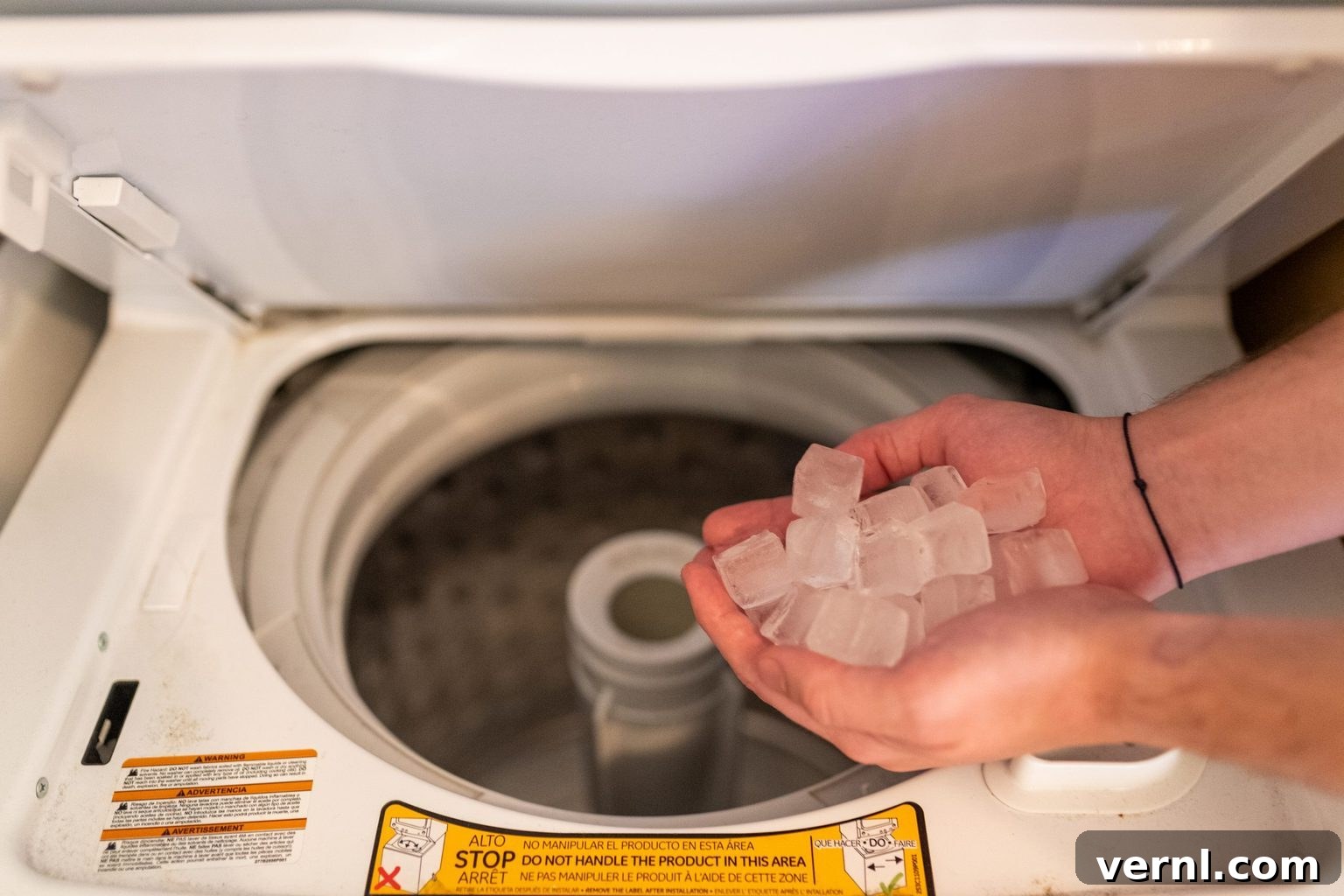
In the realm of emergency preparedness, certain “hacks” gain traction due to their apparent cleverness, only to fall short in practical application. One such popular idea involves using your washing machine as an impromptu cooler. The premise seems sound: washing machines are designed to hold water during a cycle, so why wouldn’t they hold ice and beverages effectively during a power outage? However, the reality quickly diverges from this appealing notion. When a washing machine is off, its drainage system is open, meaning that as ice melts, the water will simply drain out, providing minimal, if any, prolonged cooling effect. Beverages stored this way will stay cold for only a marginally longer period than if they were left on a counter, especially in a warm, un-airconditioned home where cold retention is already a challenge.
Furthermore, attempting this hack with a front-loading washing machine is particularly ill-advised, as it could potentially damage the door seal or internal components due to the weight of ice and water, leading to costly leaks or expensive repairs down the line. It’s also strongly recommended not to use a washing machine for food storage, as residual detergents or fabric softeners could contaminate edibles, posing serious health risks. Instead of relying on this largely ineffective and potentially damaging hack, invest in dedicated, insulated coolers or a sufficient supply of ice chests. These purpose-built solutions are designed to maintain cold temperatures efficiently for extended periods, ensuring your beverages and, more importantly, your perishable foods remain safe for consumption. When it comes to emergency preparedness, prioritizing proven methods and purpose-built tools over dubious shortcuts is always the safest and most effective strategy for ensuring your family’s well-being.
Embracing a proactive approach to hurricane preparedness is the most effective way to mitigate risk and ensure the safety of your household. By thoughtfully implementing these practical tips—from securing ample water supplies and reliable lighting to managing food safety and protecting vital documents—you empower yourself and your family to face severe weather with confidence. Remember, preparedness is not just about reacting to a storm; it’s about building resilience and peace of mind long before the threat materializes. Start your preparations today, because being ready means being safe and better equipped to navigate the challenges that a hurricane can bring.