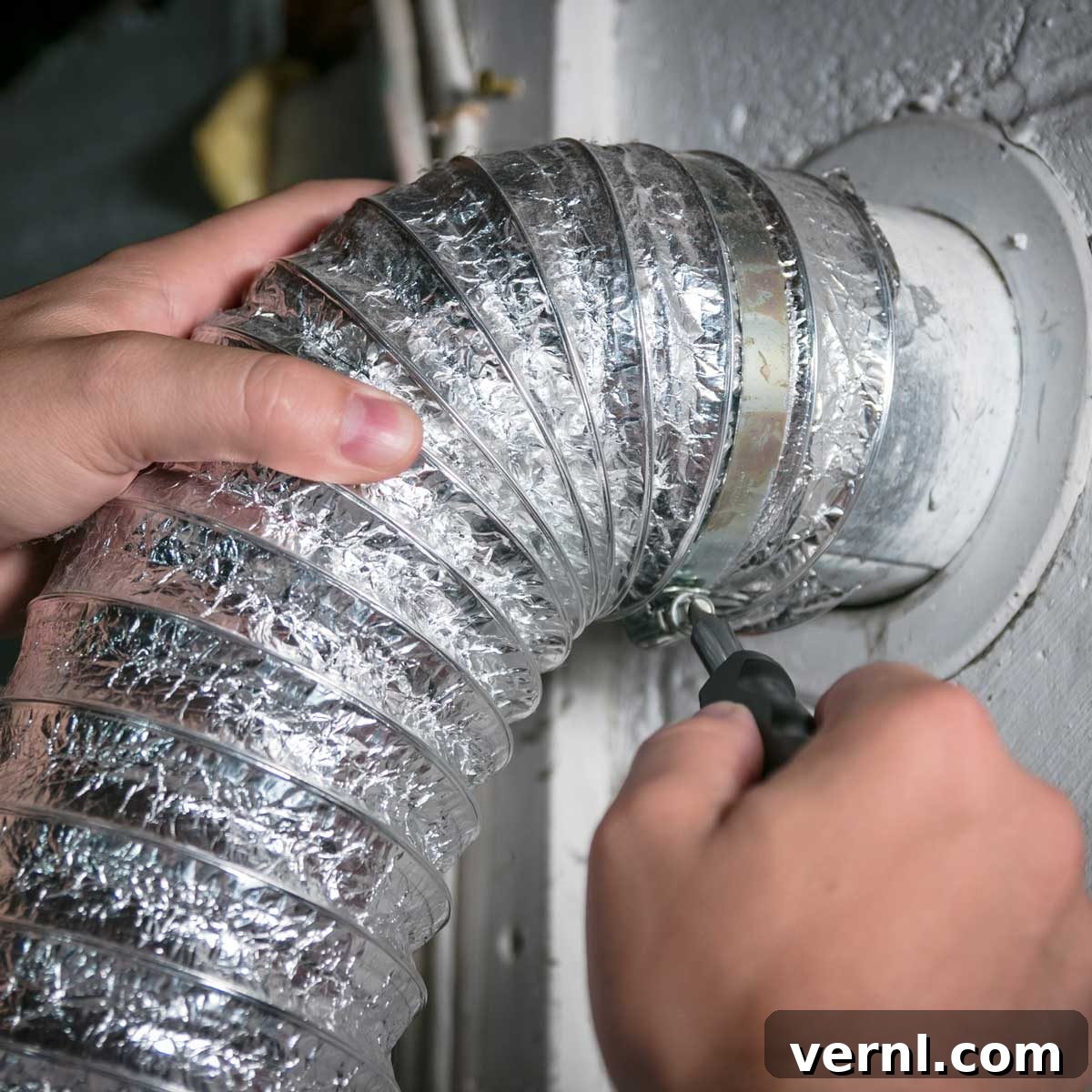
Embarking on any home improvement project often starts with identifying the essential components and tools required for success. When planning or upgrading your dream laundry room, a fundamental task that demands careful consideration is the installation of a dryer vent. This seemingly simple component plays a critical role in the safety, efficiency, and indoor air quality of your home. There are primarily two distinct styles of dryer vents—indoor and outdoor—each designed to perform the vital function of expelling hot air, moisture, and lint, albeit through slightly different mechanisms. Understanding the intricacies of both options and, crucially, knowing the process of venting a clothes dryer to the outside, is paramount for homeowners.
Understanding the Essential Role of Dryer Vents in Your Home
A clothes dryer is an indispensable appliance in most modern homes, offering convenience and efficiency in laundry care. However, its operation generates a significant amount of heat, moisture, and lint. Without a proper venting system, this excess heat and moisture would accumulate within the appliance and the laundry area, creating a host of potential problems. Dryer vents are specifically engineered to safely channel these byproducts away from your living space, protecting your home and family from various hazards.
The primary function of a dryer vent is twofold: to prevent overheating within the dryer itself, thereby mitigating the risk of fire, and to remove humid air and lint particles that could otherwise lead to mold growth and poor indoor air quality. Neglecting proper dryer venting can result in longer drying times, increased energy consumption, damage to your appliance, and, most importantly, serious safety risks.
What is an Indoor Dryer Vent?
An indoor dryer vent is a specialized venting solution typically employed in situations where external wall access for an outdoor vent is either impossible or highly impractical. This is often the case in apartments, condominiums, or homes with particular structural limitations. Unlike its outdoor counterpart, an indoor dryer vent does not extend through a window or an exterior wall. Instead, it operates by circulating the dryer’s exhaust air back into the laundry room after a filtration process.
The core mechanism of an indoor dryer vent relies on a robust filtration system designed to capture the lint and particulate matter generated during the drying cycle. Some models utilize a water-based filtration system, where the exhaust air is bubbled through a reservoir of water to trap lint from your dryer and cool the air. Other indoor vents use disposable cloth filters that physically trap the lint. While these systems effectively capture lint, it is crucial to understand that they do not remove all the moisture or heat from the dryer’s exhaust. Both types of indoor filtration systems necessitate diligent and regular cleaning or replacement of their respective filters to maintain optimal performance and prevent potential hazards.
Pros of Indoor Dryer Vents:
- Installation Flexibility: Ideal for specific living situations such as apartments, condos, or basements where direct external venting is not an option.
- Simpler Installation: Generally involves less complex installation compared to cutting through exterior walls.
Cons and Critical Limitations of Indoor Dryer Vents:
- Electric Dryers ONLY: This is a non-negotiable safety point. Indoor dryer vents should *never* be used with gas dryers. Gas dryers produce carbon monoxide, a colorless, odorless, and highly toxic gas, which must be vented directly and safely to the outside. Using an indoor vent with a gas dryer poses a severe and potentially lethal health risk.
- Increased Indoor Humidity: A significant drawback is that indoor dryer vents release moist, humid air back into your home. This can lead to increased indoor humidity, creating a conducive environment for mold growth, mildew, musty odors, and potential damage to walls, ceilings, and other structural elements over time.
- Compromised Air Quality: While filters capture most lint, fine particles and residual odors can still be released into your living space, potentially affecting indoor air quality and aggravating allergies or respiratory issues.
- Reduced Dryer Efficiency: The warmer, more humid air recirculated into the room can make the dryer work harder and longer to dry clothes, leading to increased energy consumption and higher utility bills.
- Maintenance Burden: Both water reservoirs and disposable filters require frequent monitoring, emptying, cleaning, or replacement, adding to your regular household chores.
Indoor vs. Outdoor Dryer Vents: A Critical Comparison
While both indoor and outdoor dryer vents are designed to protect the dryer from overheating and manage exhaust, their functionality and suitability for different dryer types are not interchangeable. The distinction is crucial, particularly when it comes to safety.
Dundas Jafine, a recognized leader in air distribution products, strongly emphasizes that indoor dryer vents should be used exclusively with electric dryers—never with gas models. This stern warning is due to the exhaust from gas dryers, which contains carbon monoxide, a deadly byproduct that absolutely must be vented outside to prevent accumulation in the home. Ignoring this critical safety guideline can have fatal consequences.
Outdoor dryer vents, conversely, are universally suitable for dryers with any power source, including both electric and gas models. This traditional style of venting involves running ductwork through an external wall of your home, terminating in a dryer vent cap on the exterior. The primary advantage of outdoor venting is the complete removal of hot air, moisture, lint, and any potentially harmful gases (like carbon monoxide from gas dryers) from your indoor environment.
When installing an outdoor dryer vent, attention to detail is vital. The exterior opening, while necessary, can sometimes serve as an unwelcome entrance for pests such as mice, birds, or insects. To prevent these unwanted roommates, it is essential to securely connect your dryer vent ductwork and select a high-quality, pest-preventing vent cap. Furthermore, when the time comes to clean your external dryer vent, you will need to access the cap from outside your home to ensure thorough lint removal and prevent blockages.
Regardless of whether you choose an indoor or outdoor setup, a critical safety warning applies to all dryer vent installations: neither indoor nor outdoor dryer vents should ever be connected to flexible plastic or vinyl dryer ducting, to avoid a potential fire hazard. These materials are highly flammable and can easily trap lint, accelerating the risk of a dangerous dryer fire. Only rigid metal ducts (aluminum or galvanized steel) are recommended for safe and efficient dryer ventilation.
Finding the Right Dryer Vent: Prioritizing Safe Dryer Venting
Selecting the appropriate dryer vent model requires a careful assessment of your specific living situation and priorities. Several key factors should influence your decision to ensure safe and efficient operation:
- Dryer Type: Do you have an electric dryer or a gas dryer? This is the most crucial determining factor. If you have a gas dryer, an outdoor vent is your only safe option.
- Living Space: Are you in an apartment, condominium, or a single-family home with direct access to an exterior wall?
- Laundry Room Configuration: Are your washer and dryer stacked or positioned side-by-side? This can impact the available space for ductwork.
- Proximity to Utilities: Is there a sink or drain in the vicinity that would facilitate the use of a water-filtration indoor vent?
All of these considerations will help you determine which style of dryer vent will work best for your home, always keeping safe dryer venting as the top priority.
Choosing an Indoor Dryer Vent (for electric dryers only, when outdoor venting is impossible):
- Water Filtration Systems: If you have easy access to a sink or drain, a water filtration system might be the best indoor dryer vent for you. These systems effectively trap lint and cool the air. However, Dundas Jafine recommends emptying and refilling the water reservoir after each load to prevent stagnant water issues and maintain filtration efficiency. The exact frequency may vary depending on the model, so always refer to your manufacturer’s instructions for specific guidance.
- Disposable Filter Systems: If you lack a convenient spot to dump and replace water, an indoor dryer vent with disposable filters might be a more practical option. Products like the BetterVent filter can often be vacuumed multiple times before requiring replacement, extending their lifespan. When considering this option, remember to factor in the recurring cost of purchasing replacement filters into your budget.
Many of the best indoor dryer vents are available as comprehensive kits, providing everything you need for installation. When selecting a kit, look for features that simplify both the initial setup and ongoing maintenance. For instance, kits that allow dryer vent installation at eye level, such as the Dundas Jafine ProFlex Indoor Dryer Vent Kit, offer greater accessibility. This particular kit often includes a plastic mounting ring and adjustable clamps, making it very easy to clean and repair when necessary. Similarly, the BetterVent attaches securely to the wall and typically includes two spare filters, ensuring you have replacements on hand. For those exploring all possible venting solutions, it’s also worth learning about the less common roof dryer vent option, which may be suitable in specific architectural designs.
Benefits of Venting Dryers Outdoors: The Smart and Safe Choice
While indoor dryer vents offer a solution for specific constraints, the benefits of venting a clothes dryer to the outside are numerous and significantly outweigh those of indoor systems in terms of safety, energy efficiency, and overall home health. Venting outdoors is almost always the preferred and recommended method.
- Superior Safety: By expelling all exhaust air directly outside, outdoor vents completely eliminate the risk of carbon monoxide buildup from gas dryers. They also significantly reduce the risk of lint-related fires by removing flammable lint particles from the living space.
- Enhanced Indoor Air Quality: This is a major advantage. If an indoor dryer blows moist and humid air inside the room, there is a big chance of getting mold growth, mildew, and musty odors, which can negatively impact air quality and potentially trigger allergies or respiratory issues. Outdoor vents prevent this by removing all moisture and fine particulates.
- Optimal Dryer Performance and Energy Efficiency: Dryers operate most efficiently when they can expel hot, moist air quickly. Outdoor vents ensure a clear path for exhaust, reducing drying times and consequently lowering energy consumption and utility bills.
- Protection for Your Home: By preventing humidity buildup indoors, outdoor vents protect your walls, ceilings, and other structural elements from moisture damage, mold, and mildew.
- Less Maintenance Burden (Indoors): While the outdoor duct and cap still require cleaning, you eliminate the daily or weekly maintenance associated with indoor filtration systems.
Dryer Vent Safety Tips: Why Outdoor Venting Is the Smart and Safe Choice
Prioritizing dryer vent safety is not just about compliance; it’s about protecting your home and family. Always follow these essential dryer vent safety tips for longevity, efficiency, and superior air quality:
- Avoid Indoor Vents When Possible: As discussed, using indoor dryer vents can be a little risky, especially due to their tendency to attract moisture and increase humidity, which can quickly lead to mold growth and compromised indoor air quality. If an outdoor vent is at all feasible for an electric dryer, it is the safer and healthier choice. For gas dryers, an outdoor vent is an absolute necessity.
- Install Proper Ductwork for Fire Mitigation: A properly installed outdoor dryer vent, using the correct materials, can significantly mitigate the risk of fire. Rigid metal ducts (aluminum or galvanized steel) would be best for this because they are not flammable, unlike plastic or vinyl options. Their smooth interior also reduces lint buildup, enhancing airflow and further minimizing fire hazards.
- Regular Cleaning and Inspection: You should check and clean your dryer vents periodically. This includes:
- Lint Filter: Clean the dryer’s lint filter after every single load. This simple step is crucial for preventing lint buildup and increasing the efficiency of your dryer and its vents.
- Ductwork: Inspect and clean the entire length of the dryer ductwork (both indoor and outdoor) at least once a year, or more frequently if you do a lot of laundry. Specialized brushes and vacuum attachments are available for this task.
- Exterior Vent Cap: Periodically check the exterior vent cap to ensure it’s not clogged with lint, debris, or blocked by pests.
- Ensure Correct Installation: Proper installation is key. Ducts should be as short and straight as possible, with a minimal number of bends. All connections must be securely fastened, ideally with metal foil tape, never screws which can catch lint.
- Monitor for Warning Signs: Be vigilant for signs of a clogged or malfunctioning vent, such as longer drying times, clothes feeling hotter than usual after a cycle, the dryer itself feeling unusually hot, or a burning smell coming from the laundry area.
Conclusion: Making an Informed Choice for a Safer, More Efficient Laundry Room
The decision between an indoor and outdoor dryer vent system is a critical one that impacts the safety, efficiency, and air quality of your home. While indoor dryer vents offer a viable solution for specific residential constraints (exclusively for electric dryers), outdoor dryer vents remain the gold standard for comprehensive safety and performance. They effectively eliminate hazardous gases, prevent moisture buildup, enhance indoor air quality, and allow your dryer to operate at its peak efficiency.
Ultimately, investing in the correct dryer vent system, ensuring professional installation, and committing to a routine maintenance schedule are vital steps in creating a safer and more functional laundry environment. Make an informed choice, prioritize rigid metal ductwork, and clean your vents regularly to protect your home and loved ones for years to come.
Sources:
- NLM: “Dryer Vents: An Overlooked Source of Pollution?”
- NREL: “Clothes Dryer”
- InterNACHI: “Dryer Vent Safety”
- USDE: “Dryer Venting”
- USFA: “Clothes Dryer Fires in Residential Buildings (2008 – 2010)”