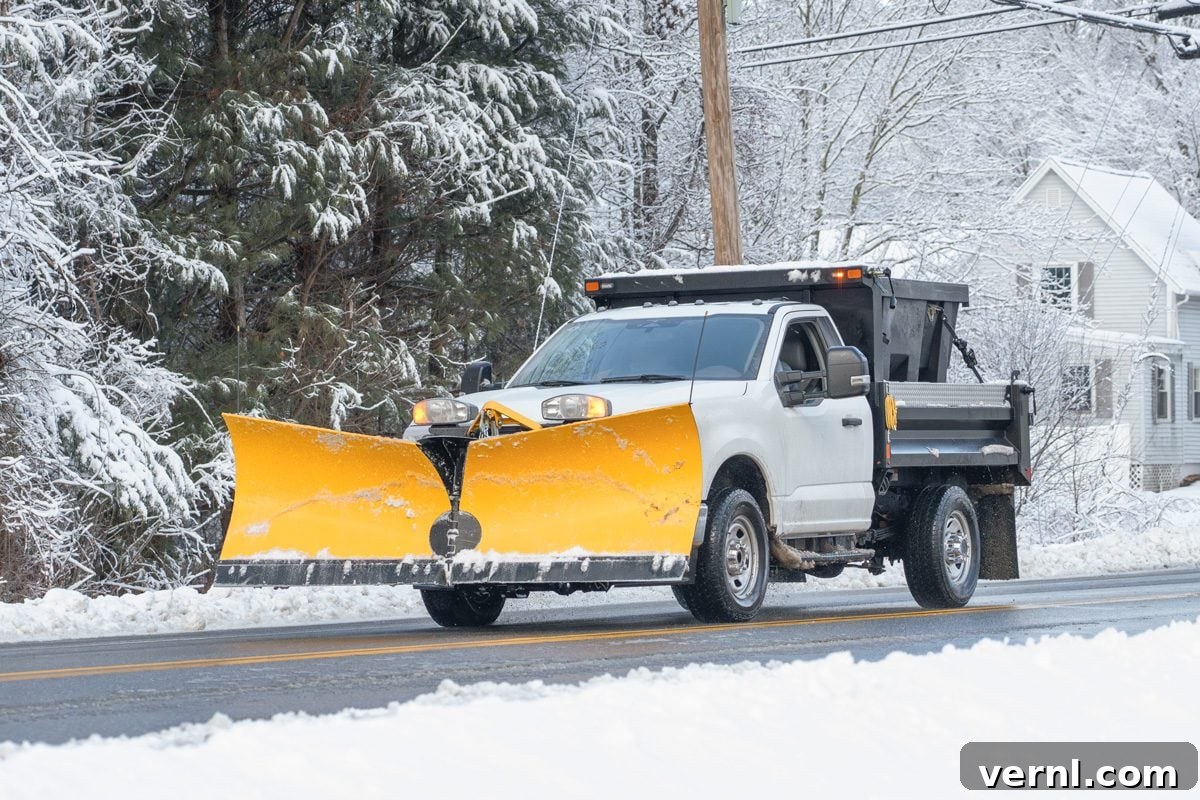
Winter is coming, and with it, the potential for heavy snowfalls that can bring daily life to a standstill in many regions. For individuals residing in areas prone to consistent or significant winter precipitation, launching a snowplow business presents a compelling opportunity. Not only does it offer a reliable avenue for generating income during the colder months, but it also provides an invaluable community service, ensuring safety and accessibility when severe weather strikes. However, embarking on this entrepreneurial journey requires careful consideration and strategic planning. Before you invest in specialized equipment or begin scouting for clients, it’s crucial to thoroughly understand the landscape of the snow removal industry.
The initial step involves a comprehensive analysis of the market in your specific geographic area to determine the viability and potential profitability of such a venture. Developing a robust business plan is paramount, as the financial outlay for essential snowplowing equipment can be substantial. Furthermore, as your operation grows, you’ll encounter significant operational costs, making a clear path to profitability a non-negotiable aspect of your strategy. To help navigate these critical initial decisions, we’ve gathered expert insights from urban engineer Ahmed Harhara, Ph.D., whose expertise will illuminate whether pursuing a snowplow business is a worthwhile endeavor for you.
Understanding the Snow Plow Business Landscape
“The distinction between snow plowing services as a viable business versus merely a side hustle often hinges directly on how local weather patterns influence community demand,” explains Dr. Harhara. Having grown up in Michigan, a state well-acquainted with heavy snowfall, he understands the nuances of this seasonal industry. While the frequency of severe snow events might fluctuate compared to past decades, they remain common enough in many northern regions to sustain dedicated snow removal businesses. Conversely, areas further south or those not situated within the blizzard-prone Great Lakes regions might find the demand insufficient for a full-time operation, highlighting the critical importance of geographical assessment.
Once you’ve confirmed that your region experiences a sufficient number of snowy days to justify establishing a dedicated snowplow business, your next crucial step is to precisely identify your target clientele. This decision profoundly impacts everything from the type and scale of equipment you’ll need to purchase to your projected operating costs and revenue streams. Will your primary focus be residential clients, taking on the task of clearing driveways, walkways, and smaller private roads? Or will you aim for the potentially more lucrative commercial sector, which involves clearing expansive areas such as large parking lots for businesses, industrial complexes, or even municipal properties?
Catering to commercial clients typically offers the potential for higher revenue per contract, as these jobs often involve larger areas and more frequent service requirements. However, this comes with the caveat of needing heavier, more specialized equipment and generally incurring higher operational costs due to increased fuel consumption, larger machinery maintenance, and potentially longer working hours. Residential services, while offering smaller individual contracts, can build a broad customer base and provide a steady stream of work, often requiring less heavy-duty equipment.
Beyond identifying your ideal client base, several other strategic considerations will shape your business model and operational approach:
- Market Competition Analysis: Before committing significant resources, it’s vital to conduct a thorough analysis of the existing competition in your service area. Is there a genuine unmet need or an underserved segment of the market for snow removal services? Or are the community’s demands already adequately satisfied by established companies? Understanding the competitive landscape will help you identify potential niches, assess market saturation, and develop unique selling propositions that differentiate your business. Researching competitors’ pricing, service offerings, and customer reviews can provide invaluable insights into how you can position your new venture for success.
- Contracting and Pricing Strategies: Your chosen method of charging for services will significantly impact your income stability and client acquisition. Several common models exist:
- Per Push (or Per Service): This model involves charging clients for each individual plowing event. It’s often preferred in regions with sporadic or unpredictable snowfall, as it ensures you’re compensated only when work is performed. However, it can lead to inconsistent income during mild winters.
- Per Snow Event: Similar to “per push” but often implies a fixed rate for clearing snow within a specific timeframe or after a certain accumulation. This provides more predictability than per push but still ties income directly to snowfall events.
- Per Season (Flat Rate): This offers a stable and predictable income stream throughout the winter months, making it ideal for areas experiencing regular and heavy snowfall. Clients pay a flat fee upfront or in installments, covering all snow removal services for the entire season, regardless of the number of snow events. While this offers financial security for your business, it carries the risk of over-servicing during exceptionally heavy winters or under-servicing during unusually mild ones, requiring careful pricing.
- Hybrid Models: Some businesses combine these approaches, for example, offering a seasonal rate with an additional charge for snowfalls exceeding a certain depth or frequency. This can provide a balance between stability and fair compensation for exceptional effort.
The choice of contract type should align with your local climate, business risk tolerance, and client preferences.
Navigating Legal and Licensing Requirements
Launching any new business venture necessitates fulfilling a series of administrative and legal requirements to ensure lawful operation. While specific regulations can vary significantly depending on your state, county, and local municipalities, a general framework of steps applies to most snowplow businesses:
- Establish a Business Structure: This fundamental decision impacts your personal liability, taxation, and administrative burden.
- Sole Proprietorship: The simplest structure, where you and your business are legally one entity. While easy to set up, it offers no personal liability protection, meaning your personal assets could be at risk in case of business debts or lawsuits.
- Limited Liability Company (LLC): A popular choice for small businesses, an LLC provides personal liability protection, separating your personal assets from business liabilities. It offers flexibility in taxation (can be taxed as a sole proprietorship, partnership, or corporation) and is relatively straightforward to establish and maintain.
- Corporation (S-Corp or C-Corp): Offers the strongest liability protection but involves more complex setup and ongoing administrative requirements, including regular board meetings and extensive record-keeping. Corporations can also present more favorable opportunities for raising capital.
Consulting with a legal and financial advisor is highly recommended to determine the most suitable structure for your specific circumstances.
- Register Your Company Name: After selecting a distinctive and memorable name for your snowplow business, you’ll need to register it with the appropriate government agencies. This usually involves checking for name availability at the state level (Secretary of State’s office) and registering it as a “Doing Business As” (DBA) name if you’re operating under a name different from your legal business entity (e.g., as a sole proprietor). Proper registration ensures legal recognition and protects your business identity.
- Obtain a Business License: Almost all businesses are required to obtain a general business license from their state or local government. This license grants you the legal authority to operate within a specific jurisdiction. Requirements vary, so check with your city, county, and state licensing boards for their specific processes and fees.
- Determine if a Contractor’s License is Necessary: In some states or localities, a specific contractor’s license may be required, particularly if your snow removal services are part of a broader offering (such as year-round landscaping or property maintenance), if you plan to hire employees, or if your contracts exceed a certain monetary threshold. It’s crucial to investigate these requirements thoroughly to avoid penalties.
- Obtain Required Commercial Licenses for Drivers: Any driver operating heavy snowplow equipment, particularly larger trucks with substantial plows, may need a Commercial Driver’s License (CDL). The specific class of CDL required will depend on the Gross Vehicle Weight Rating (GVWR) of your trucks and plows. Ensure all your drivers are properly licensed and adhere to all commercial driving regulations, including hours-of-service rules if applicable.
- Secure Comprehensive Insurance Coverage: Insurance is not merely a legal requirement; it’s a critical component of risk management for a snowplow business, protecting against potential liabilities and unforeseen events.
- General Liability Insurance: Essential for covering claims of property damage or bodily injury to third parties that occur during your operations. For example, if your plow accidentally damages a client’s lawn or mailbox.
- Commercial Auto Insurance: This covers your snowplow trucks and other business vehicles, protecting against accidents, theft, and damage. It’s distinct from personal auto insurance due to the commercial nature of the vehicles and their use.
- Workers’ Compensation Insurance: If you plan to hire employees, workers’ compensation is legally mandated in most states. It provides benefits to employees who suffer work-related injuries or illnesses, covering medical expenses and lost wages.
- Property Insurance: If you operate from a physical location or store expensive equipment, property insurance can protect against damage or loss due to fire, theft, or natural disasters.
- Umbrella Policy: Provides additional liability coverage beyond the limits of your primary policies, offering an extra layer of protection against large claims.
Consult with an insurance broker specializing in commercial policies to ensure you have adequate coverage tailored to the specific risks of snow removal.
Essential Equipment and Tools for Your Snow Removal Business
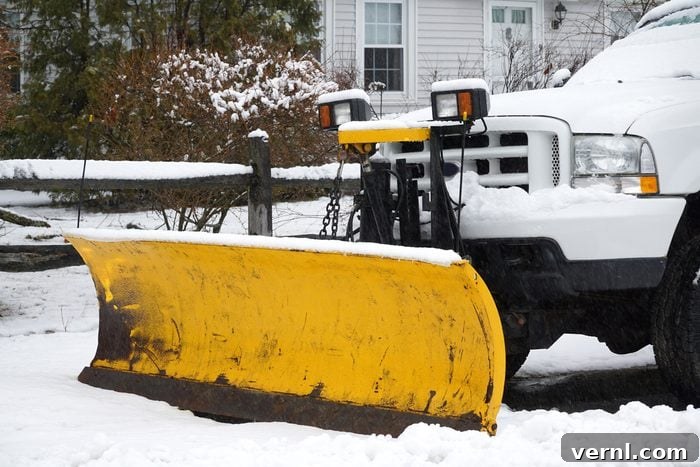
“The foundation of any successful snowplow operation lies in its core equipment, primarily a robust truck paired with a heavy-duty plow attachment, complemented by effective spreaders for de-icing materials like salt or brine,” advises Dr. Harhara. Beyond these primary tools, particularly if you’re serving residential customers or tackling intricate areas, a reliable snow blower and sturdy shovels will prove indispensable for comprehensive clearing.
Truck Considerations for Optimal Performance
Selecting the right truck is perhaps the most critical equipment decision, as it forms the backbone of your snow plowing operation. The paramount consideration is ensuring the truck’s capacity perfectly matches the size and weight of the plow attachment you intend to use. An improperly matched truck can lead to premature wear, reduced efficiency, and safety hazards.
- Light-Duty Applications (Residential): For most residential snow clearing, where driveways and smaller pathways are the primary focus, a robust light-duty, four-wheel-drive pickup truck can be sufficient. These are typically equipped to handle an 80-by-26-inch straight blade. Key features to look for include reliable 4×4 capability, a sturdy frame, and sufficient engine power to manage the plow’s weight and the stress of continuous plowing. Popular models that can be adapted for light plowing include the Ford F-150, Chevrolet Silverado 1500, and Ram 1500, though careful attention to payload capacity is vital.
- Heavy-Duty Applications (Commercial): If your business strategy targets commercial clients, which often involve clearing expansive parking lots, industrial sites, or long private roads, you’ll undoubtedly require a wider and taller blade. For instance, a 102-by-36-inch blade necessitates a heavy-duty pickup truck. These trucks demand significantly more power and structural integrity. Look for models with powerful V8 or diesel engines, a heavy-duty transmission, and critically, a high Gross Vehicle Weight Rating (GVWR) to safely bear the combined weight of the plow, spreader, fuel, and accumulated snow. Top choices in this category include the Ford F-250/350 Super Duty, the Chevrolet Silverado 2500/3500 HD, and the Ram 2500/3500 Heavy Duty. Investing in a new or well-maintained used heavy-duty truck ensures longevity and reliability during demanding winter conditions.
- Additional Truck Features: Consider features like heavy-duty alternators, reinforced suspensions, and durable tires designed for winter conditions. A comfortable cab with good heating and visibility is also crucial for long hours in adverse weather.
Choosing the Right Plow Attachment
The type of plow attachment you choose is equally dependent on your target clientele and the scale of the jobs you plan to undertake. Each plow design offers distinct advantages for various snow conditions and property layouts.
- Straight Plows: These are the most common and often the most budget-friendly option. Straight plows are highly effective for basic forward pushing and are suitable for most light-duty residential jobs, such as driveways and smaller parking areas. They are robust and simple to operate, making them an excellent starting point for new businesses.
- Snow Pushers: While not a traditional plow, snow pushers are large, box-like attachments designed to efficiently scoop and push massive volumes of snow over long distances. They are particularly effective for clearing very large, open commercial areas like vast parking lots or industrial yards, minimizing the number of passes required.
- V-Shaped Plows: Pricier but significantly more efficient for large commercial jobs and deep snowfalls, V-shaped plows (also known as “V-plows”) cut through deep snow more effectively than straight plows. They can be angled to push snow in either direction or form a “V” shape to break through drifts, then convert to a straight blade for final clearing. Their versatility often necessitates a larger, more powerful truck.
- Wing Plows: Representing the top-of-the-line in plowing technology, wing plows feature an additional side wing that can extend, allowing you to clear wider paths in a single pass. This dramatically increases efficiency, especially on long roads or large parking areas. The wing can also fold back, making them surprisingly adept for plowing in tight spaces despite their larger overall footprint. These are typically reserved for large-scale commercial operations due to their cost and the heavy-duty trucks they require.
Beyond the plow type, consider the material (steel, poly), trip edge features (which allow the blade to “trip” over obstacles), and the ease of attachment and detachment from your truck.
Spreading Equipment and Other Essential Tools
Effective snow removal often extends beyond just plowing. Controlling ice and ensuring clear, safe surfaces requires additional tools:
- Salt/Brine Spreaders: These are crucial for applying de-icing agents. Tailgate spreaders are smaller, mounted on the truck’s tailgate, and ideal for residential driveways and smaller commercial lots. V-box spreaders are larger, fit into the truck bed, and offer greater capacity, making them perfect for extensive commercial jobs. Consider spreaders capable of handling various materials, from rock salt to environmentally friendlier alternatives like calcium chloride or brine solutions.
- Snow Blowers: For walkways, intricate corners, and areas inaccessible to trucks, a commercial-grade snow blower is indispensable. Both walk-behind and smaller ride-on models offer versatility.
- Shovels and Ice Scrapers: Manual tools remain essential for finishing touches, clearing around obstacles, and addressing smaller areas that machines can’t reach. Heavy-duty, ergonomic shovels will save time and reduce physical strain.
- Safety Gear and Lighting: High-visibility clothing, safety cones, powerful auxiliary lights for night plowing, and reflective markers are non-negotiable for operator and public safety, especially when working in low light or heavy snowfall.
- Communication Devices: Two-way radios or mobile phones are vital for coordinating with clients, employees, and for emergency situations.
- Maintenance and Repair Tools: Basic tools for on-site minor repairs, spare parts for common wear items (like plow cutting edges), and a robust maintenance schedule will minimize downtime.
Startup Costs and Strategic Budget Planning
Embarking on a snowplow business requires a clear understanding of the financial investment involved. As Dr. Harhara highlights, “While profitability is a strong motivator, the initial capital expenditure and ongoing operational costs demand meticulous budget planning.”
Assuming you already own a suitable heavy-duty truck, Dr. Harhara estimates the core startup costs, encompassing the plow attachment, spreading equipment, and initial permitting and insurance fees, to typically range between $15,000 and $25,000. This figure can vary significantly based on the quality and newness of the equipment chosen.
However, if acquiring a truck is also part of your startup, this adds a substantial layer to your investment. The cost of a suitable truck can range anywhere from $10,000 for a well-maintained used model to upwards of $80,000 or more for a brand-new, heavy-duty commercial vehicle. The choice between new and used equipment often depends on budget, desired reliability, and the projected longevity of the business.
Beyond these initial purchases, Dr. Harhara adds a crucial reminder: “Ongoing expenses like fuel, regular maintenance, vehicle repairs, and insurance premiums can easily accumulate to several thousand dollars more per season.” Neglecting to budget for these operational costs can severely impact your profitability and even threaten the viability of your business.
A comprehensive budget plan should account for:
- Equipment Acquisition: Detailed costs for trucks, plows, spreaders, snow blowers, shovels, and any other necessary tools. Consider depreciation and future replacement costs.
- Legal & Administrative Fees: Business registration, licenses, permits, and professional fees for legal or accounting advice.
- Insurance Premiums: Annual or seasonal costs for all required insurance policies (liability, commercial auto, workers’ compensation).
- Fuel Costs: This will be a significant variable expense, fluctuating with fuel prices and the intensity of the snow season. Estimate based on projected routes and hours of operation.
- Maintenance & Repairs: Budget for routine oil changes, tire rotations, hydraulic fluid checks, blade replacements, and unexpected repairs. Downtime due to equipment failure can be costly.
- Marketing & Advertising: Initial costs for website development, signage, local ads, and ongoing promotional efforts.
- Payroll (if applicable): Wages, benefits, and payroll taxes if you hire employees.
- Contingency Fund: Always allocate a portion of your budget (e.g., 10-15%) for unforeseen expenses or emergencies.
Careful financial planning, including forecasting revenue based on different snowfall scenarios and setting competitive but profitable pricing, is fundamental to the long-term success and sustainability of your snow removal business.
Growing a Snow Plow Business: Strategies for Expansion
Once you’ve meticulously prepared your equipment and established your legal framework, the next critical phase involves actively promoting and expanding your snow removal business. Effective marketing and client acquisition are key to building a sustainable and profitable enterprise.
While traditional advertising in local publications can yield some results, Dr. Harhara emphasizes that the most impactful advertising for this industry “tends to be hyper-local; leveraging yard signs, engaging in door-to-door outreach, and placing advertisements in HOA newsletters are highly effective strategies for building trust and recognition within the community you aim to serve.” This grassroots approach fosters a sense of local connection and reliability.
Beyond initial outreach, the power of word-of-mouth cannot be overstated in the service industry. After you’ve cultivated a base of satisfied clients, their positive experiences often translate into the best form of advertising. They’ll readily provide glowing references and recommend your services to neighbors, friends, and other potential customers, acting as unpaid ambassadors for your brand. Encourage clients to leave reviews on online platforms.
However, even with strong referrals, potential customers need a convenient way to contact and engage with your business. Establishing a professional online presence is paramount:
- Create a Professional Website: Your website serves as your digital storefront. It should clearly outline your services, service areas, pricing models, and include compelling testimonials. Crucially, integrate a user-friendly booking form or contact request system to streamline inquiries and scheduling. Ensure your website is mobile-responsive and optimized for local search engines.
- Leverage Social Media: Platforms like Facebook offer powerful tools for local businesses. Create a dedicated Facebook page where you can post updates, share photos of your work, engage with community members, and run targeted local ads. Facebook Groups for local neighborhoods or communities can also be excellent places to offer your services, adhering to group rules.
- Optimize Your Google Business Profile: This free tool from Google is essential for local SEO. Create and fully optimize your Google Business Profile (formerly Google My Business) listing. Ensure it includes accurate business information, operating hours, photos, and encourages customer reviews. This will help your business appear prominently in local search results and on Google Maps when people search for “snow plowing near me.”
- Local Partnerships: Collaborate with other local businesses that offer complementary seasonal services, such as landscapers (for year-round referrals), roofers, or property management companies. These partnerships can create mutually beneficial referral networks.
- Seasonal Promotions: Offer early-bird discounts for seasonal contracts signed before the first snowfall, or referral bonuses to existing clients.
As your business matures, consider strategies for scaling. This might involve expanding your service area, investing in additional equipment to handle more clients, or hiring and training skilled employees. Offering year-round property maintenance services (e.g., landscaping, lawn care, pressure washing in warmer months) can also help stabilize income and retain staff during the off-season, transforming your snowplow business into a comprehensive property service provider.
Frequently Asked Questions About Starting a Snow Plow Business
When is the ideal time to begin marketing my snow removal services?
Proactive marketing is crucial for success in the snow removal industry. Do not wait until the first snowflake falls to start advertising. To gain a significant advantage over competitors, you should initiate your marketing efforts in the late summer or early fall (August to October). This period allows potential customers to plan ahead and secure contracts before the rush. Continue advertising consistently throughout the entire snow season, as many homeowners and businesses won’t even consider snow clearing until they are literally ‘socked in’ by a heavy snowfall and need immediate assistance. Being visible during those peak demand times is just as important as securing early contracts.
Is it necessary to offer salting or de-icing services alongside plowing?
While it is certainly possible to start a snowplow business focusing solely on plowing, incorporating de-icing and salting services significantly increases your potential for success and overall profitability. Offering these complementary services makes your business a more comprehensive solution for clients, enhances safety by preventing slips and falls on icy surfaces, and provides an additional revenue stream. Many commercial clients, in particular, will expect comprehensive snow and ice management.
However, it’s vital to be aware of the environmental implications and local regulations regarding de-icing agents. Traditional rock salt (sodium chloride) can harm surrounding vegetation, contaminate local waterways, and contribute to infrastructure damage. Consequently, its use is restricted or even prohibited in certain communities. In such areas, you may need to utilize alternative deicers. These can include:
- Sand: Provides traction but does not melt ice. Often mixed with salt for effectiveness.
- Calcium Chloride: Effective at lower temperatures than rock salt and less damaging to concrete and plants.
- Magnesium Chloride: Similar to calcium chloride but often considered slightly more environmentally friendly and effective at very low temperatures.
- Calcium Magnesium Acetate (CMA): A salt-free melting agent that is relatively new to the market. It is biodegradable, less corrosive, and much safer for the environment, though typically more expensive.
Always research and comply with local environmental regulations and client preferences when selecting your de-icing products.
How should I price my snow removal services effectively?
Effective pricing is a balance between covering your costs, making a profit, and remaining competitive. Consider your operational costs (fuel, labor, maintenance), equipment depreciation, and desired profit margin. Research competitor pricing for similar services in your area. Offer different pricing models (per push, per event, seasonal contracts) to appeal to a wider range of clients. For commercial contracts, factor in the size of the area, typical snowfall, and required response times. Don’t undersell your value, but also ensure your rates are justifiable.
What are some common challenges faced by snowplow businesses?
The industry presents unique challenges, including unpredictable weather patterns leading to inconsistent income, high initial equipment costs and ongoing maintenance expenses, intense competition in some areas, and the physical demands of the work. Managing client expectations, especially during severe weather events, and ensuring timely service delivery are also crucial. Employee retention can be an issue given the seasonal nature of the work.
Is specialized training required for snowplow operators?
While specific certification isn’t always legally mandated for non-CDL operations, professional training is highly recommended for all operators. This includes safe plowing techniques, proper equipment operation and maintenance, understanding different snow conditions, and adhering to safety protocols. Training enhances efficiency, reduces the risk of damage to property, and minimizes the likelihood of accidents.
What’s the best way to manage and track jobs and billing?
Utilizing specialized snow removal or field service management software can dramatically improve efficiency. These platforms allow you to schedule jobs, track routes, manage client information, send invoices, and monitor equipment maintenance. For smaller operations, detailed spreadsheets and a reliable accounting software can also suffice. Consistent and accurate record-keeping is vital for financial health and customer satisfaction.
About the Expert
- Ahmed Harhara, Ph.D. is a distinguished urban engineer and the visionary Founder of HoustonHomeTools. This innovative data platform is dedicated to empowering residents by providing comprehensive insights into neighborhood-level environmental and housing risks, demonstrating his commitment to community well-being and data-driven solutions.
Related
- Do You Know What That Little Button on Your Seat Belt Is For?
- What Those Lines on Your Backup Camera Really Tell You
- Here’s What The Small Panel On Your Car’s Front Bumper Is For